Welcome to 2020, where we spend money on blowouts instead of stuff
On a recent Saturday morning, high school guidance counselor Kathy Caldwell was asked by two of her millennial pals if she was interested in hitting up Hydrate Medical, a local hydration services concierge. “I was sort of expecting an invitation to Waffle House,” she said. “Instead we all got hooked up to IVs.”
Welcome to Charlotte in 2020.
We’re not spending money the same way anymore.
Millennials — generally defined as being born between the years of 1981-1996 — are rapidly changing the retail landscape, and they’re bringing the rest of us along with them. Even Gen Z, whose oldest members are just embarking on their adult lives, is changing the narrative when it comes to spending.
The “experience economy” is on the rise as shoppers increasingly seek more fulfilling ways to allocate their money. Simply put, more and more consumers (a surprising 74 percent, according to Forbes) are favoring experiences over products.
It’s not that millennials are spending with abandon, or even more frequently. But they are willing to shell out for quality time and convenience.
Forbes states that 70 percent of millennials will spend a little more to eat at a trendy, hip restaurant, 60 percent will spend more than $4 on a cup of coffee, and you can probably guess the stats on grabbing an Uber or a Lyft.
In Charlotte, this experiential retail zeitgeist is apparent — with blow-dry bars, pop-ups, nail salons that feature art and art studios that feature flights of craft beer — all on the rise. Social shopping is a thing. And despite the fact that e-commerce is also on the rise, people are still shopping brick-and-mortar, albeit differently than many of their parents did.
More than ever, shoppers are looking for extra when they spend money. Extra art. Extra service. Extra socially or environmentally responsible products. Storefront retailers are adapting to these higher standards by employing a mixed-bag approach to their sales and services, including altering the look and feel of their spaces, offering regular freebies like food and drink and becoming heavily reliant on technology as a personal ambassador.
Social media as marketing for the client — and experience for the consumer
Mimosas Nail Bar founder Trang Tran said technology is one of her store’s four main pillars. “Technology allows our clients to quickly book appointments on our website or our software app at all times while telling us exactly what they want,” she said. “We don’t have to worry about words being lost in translation or about being able to pick up the phone during odd hours.”
Customers can also set up appointments on the Mimosas app, pay in advance and arrive wallet free. “Our clients like the technology piece because it’s all about convenience and making their lives easier,” Tran said.
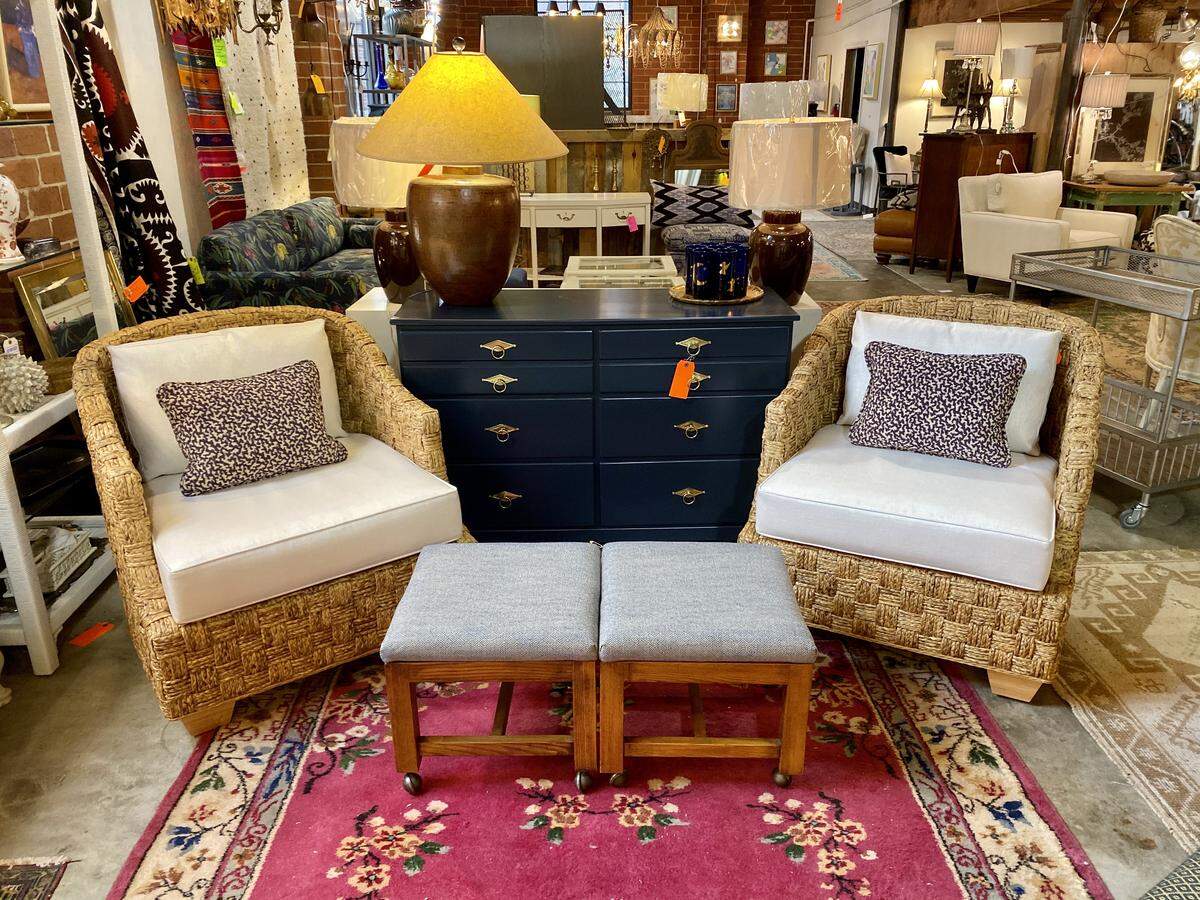
Lisa Pearce, owner of the high-end consignment home furnishings store Southend Exchange, agrees that technology is a key component in the customer experience. “We have to stay competitive with large, online companies that can deliver items in one to two days with free shipping. We also have had to keep up with technology and work very hard on social media,” Pearce said. “We sell a lot from our weekly Facebook posts and daily Instagram story posts.”
Pearce has successfully merged her other retail business, Ruglords (high-quality, vintage Turkish rugs) with Southend Exchange, and has been able to do so by relying heavily on social media.
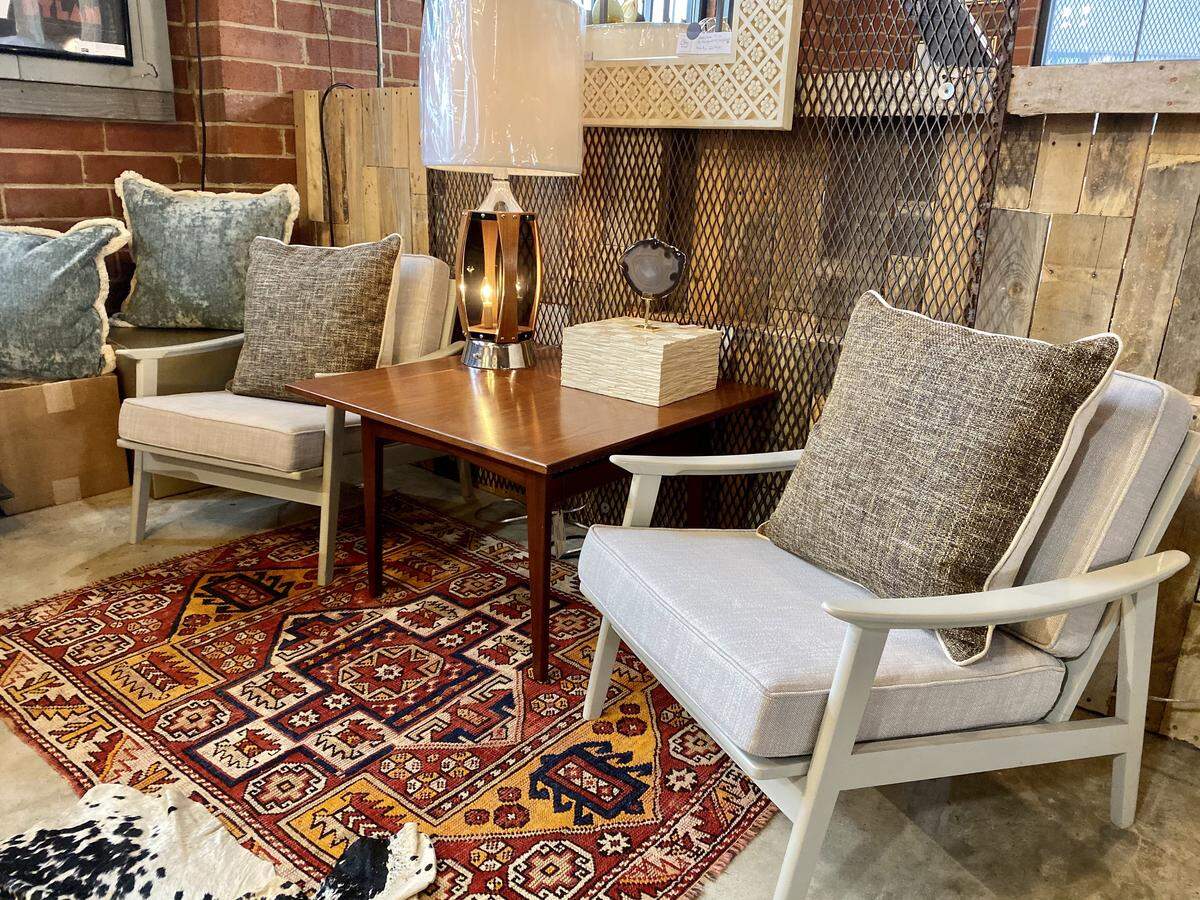
By staging her furniture, lighting and decor with her rugs, Pearce is able to give her customers an idea of how something could potentially look in their homes. This experience keeps her customers glued to her social media as a means of seeing her revolving inventory.
“We get tagged in a lot of social media posts, especially by interior designers or people who buy a one-of-a-kind piece and want to let people know where they got it,” she said. “We are living in an age where instant gratification comes to us through social media channels. We open Instagram and are flooded with possibility and inspiration.”
A salon as interactive art
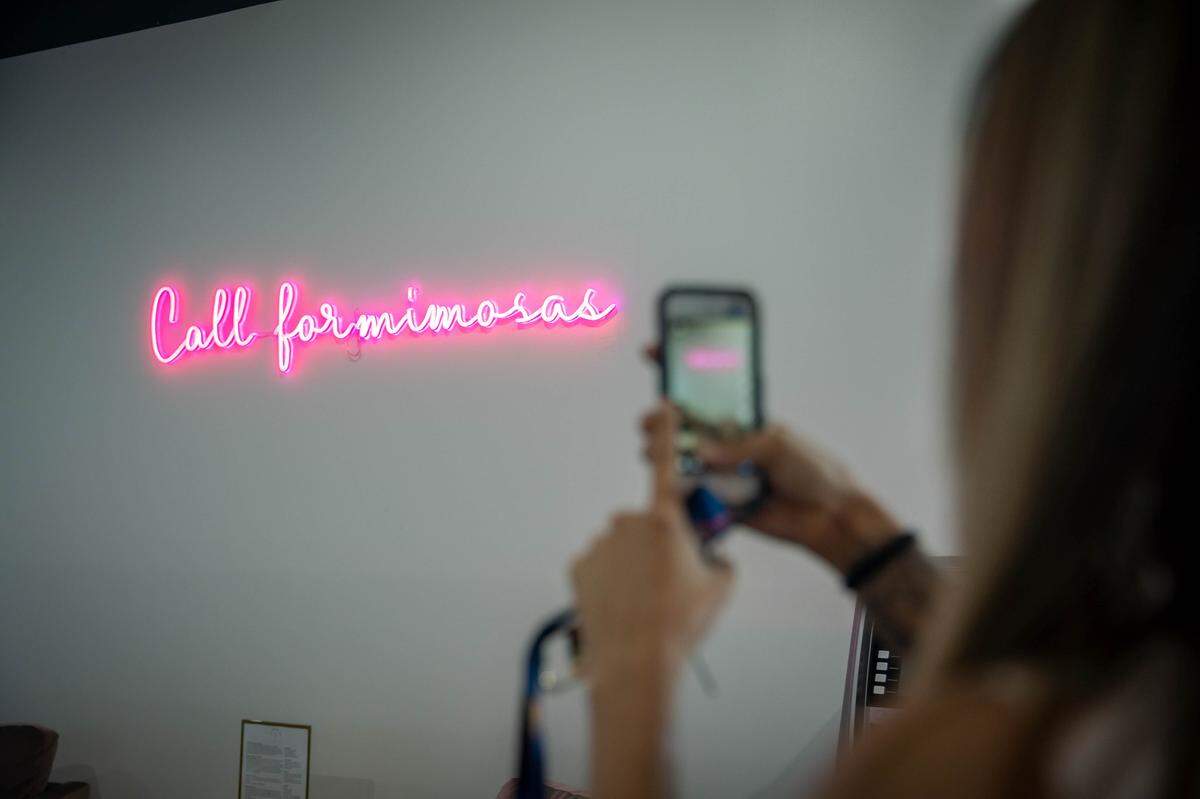
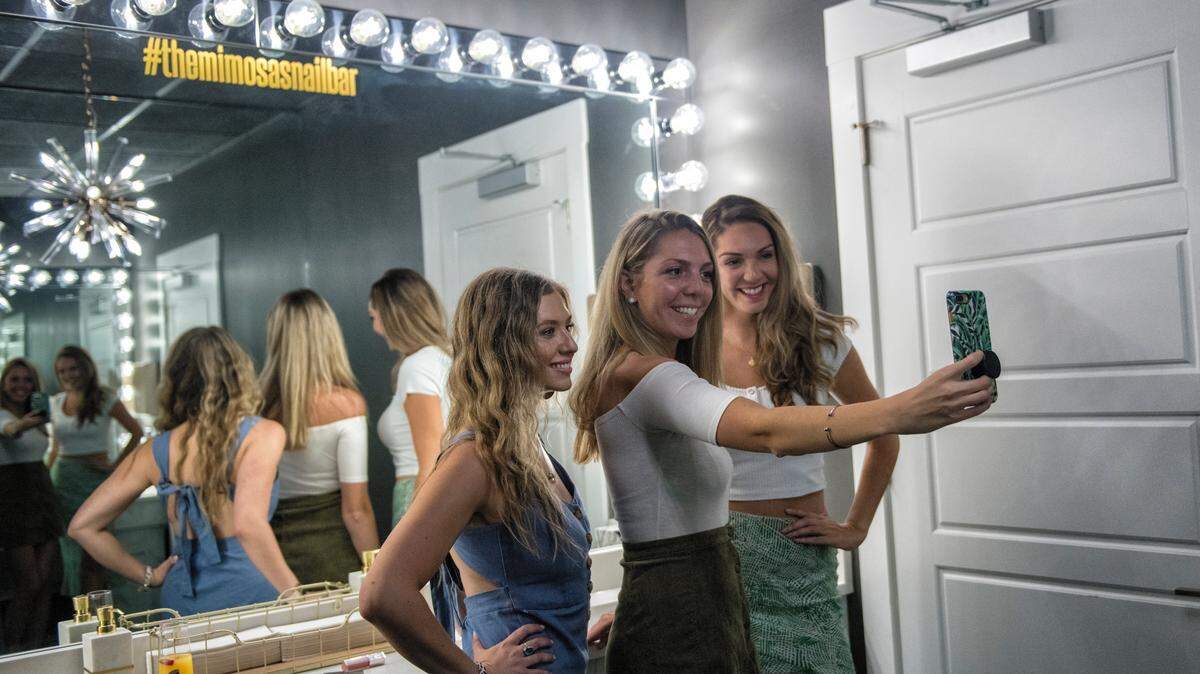
At Mimosas, Tran caters to her customers’ desires for the Instagrammable moment with interactive art areas throughout the store. Clients are offered a mimosa, beer or wine and can relax and enjoy an experience that goes beyond a simple manicure.
“We like to think of our salon as being immersive art: a way to create memories with your loved ones with cute Instagram pictures and fun Boomerangs,” Tran said.
“Our clients value the more important things like memories over big-ticket items like cars and big houses. It’s not about checking in to IG, it’s about memorializing the perfect moment with your perfect friends and family.”
Self-care is no longer a luxury, but a necessity
While the idea of spending money on self-care hasn’t gone anywhere, the expectations have changed. For beauty and wellness retailers like Tran, this means creating an environment of comfort and relaxation as a way to recharge that goes beyond the traditional spa experience.
“Charlotteans are embracing self-care as a common indulgence because they realize that self-care is a priority and a necessity, it’s not a luxury,” Tran said. “I often hear from my clients, ‘I need this after my crazy day.’”
Modern-day society: No time to blow-dry hair
.jpg "Drybar Shop Interior_Bar (2).jpg")
Jackie Paynter with Drybar Charlotte, a salon devoted exclusively to blowouts for hair, sees her clients come in for both self-care and convenience.
“It’s 45 minutes where the client is pampered and able to relax. The convenience factor allows the client to maximize her time. She can work on her laptop while getting her blowout. And we open at 7 a.m. to catch that career woman on her way to work,” she said.
In addition to convenience, Paynter credits the customer-centric experience to the success of Drybar. In an age where it’s not enough to be just a store, Paynter has upped the ante by adding movie-viewing to the menu. “Customers get a relaxing shampoo and scalp massage and enjoy watching all our favorite chick flicks. We have fun,” she said.
Pearce is also mixing up the experiential component in her store. Last August, Southend Exchange had its first pop-up art show, featuring Asheville artist Lynette Driver.
“A pop-up is a great way to cross-promote and get people who follow an artist or jewelry maker on social media into our store,” she said.
Along with experience comes social responsibility
With Charlotte retailers pulling out these creative stops, patrons are becoming more discerning and expectations are higher for traditional brick-and-mortar stores. Both Pearce and Tran point to retail trends that aren’t only artfully engaging, but are socially responsible.
Tran said that her clients (interestingly 95 percent of whom are millennials, according to her software and social media stats) are specific in how they want to spend their money, with an emphasis on social awareness.
In response, Tran has offered manicures in conjunction with clothing drives, the gifting of manicures to underprivileged people and services where percentages of the proceeds go to Levine Children’s Hospital.

This part of the experience, the socially conscious part, is what her customers are looking for. “I see Charlotteans supporting more small businesses that are customer-centric and socially responsible,” she said.
Pearce sees the same trend at her store. “With so many environmental concerns with mass-produced products, we are finding that our customers are seeing value in quality wood furniture and North Carolina brands that last for generations versus a few years,” she said.
The challenge of combining consumer engagement, sustainability and customer loyalty is perhaps more pronounced for small businesses than for big-box retail chains.
The ability to brand in a way that ticks all the right boxes is a tall order for retailers in 2020, but consumers seem to be speaking loudly and clearly when it comes to how they want to spend their money.
Tran sums it up best when asked about where she sees this retail trend heading in Charlotte.
“The only brick-and-mortar locations that are growing are socially responsible and highly customer-service-centric businesses. For example, craft breweries and small boutiques with handmade items are still growing — along with Amazon,” she said.
“Just look around — everywhere you go every place is adapting with cool murals and interactive art pieces. Pop-up shops with handmade items in limited quantities are thriving. It’s more about quality, feeling and connecting for our community.”
Memories > stuff
For Caldwell (who admits that waffles wouldn’t have been nearly as interesting as her initiation into the world of IV vitamin drips), enjoying something new with friends and making memories turned out to be exactly what she needed.
“I would do it again in a heartbeat,” she laughed. “We all got to pick something we wanted to do that day, and we had some great experiences. I would much rather re-live that day than have a new sweater.”
This story was originally published January 22, 2020 at 5:30 AM.