
Too many friends: Is the avoidance of FOMO killing us slowly?
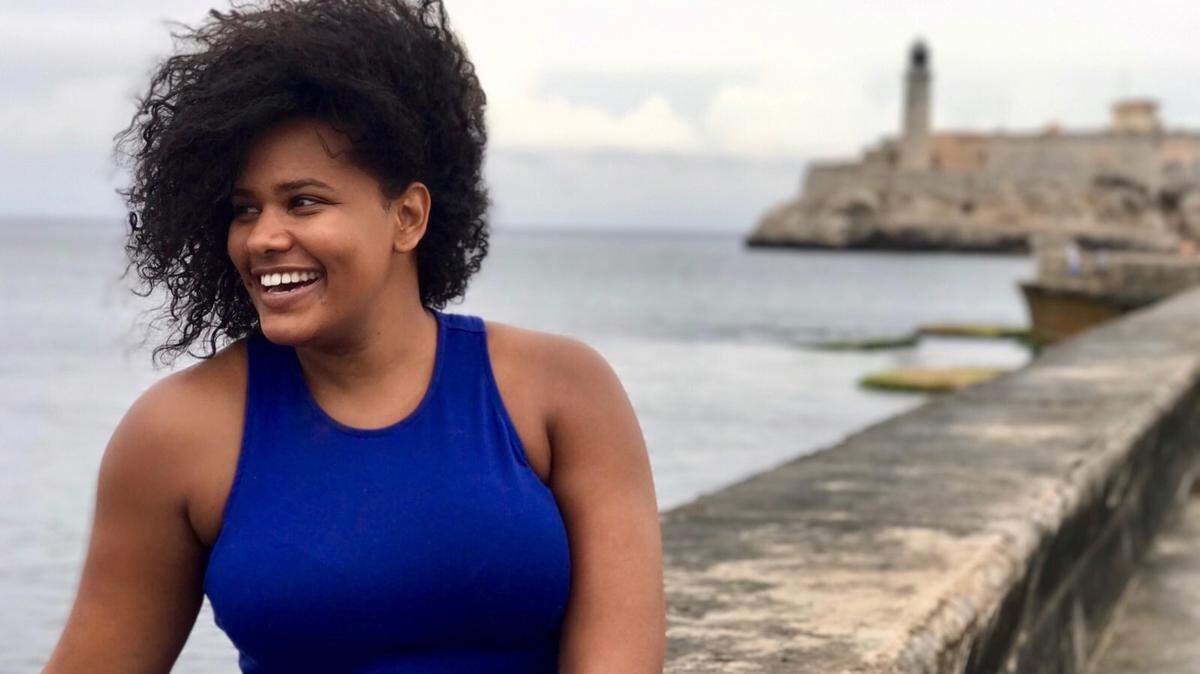
It’s a Saturday night and Maya Chaplin, 27, an office manager, is deciding between sleep that she craves and meeting up with a childhood friend, who recently moved into town. Despite her exhaustion, she chooses to go out with her friend.
Chaplin, like many adults, didn’t want to wake up the next day with a case of FOMO, or Fear of Missing Out. We all know it well, and the International Journal of Environmental Research and Public Health even has an official definition: FOMO refers to feelings of anxiety that arise from the realization that you may be missing out on rewarding experiences that others are having.
“I don’t want to miss out on fun or the experience of friends,” Chaplin told CharlotteFive. “Just recently, I had four different events to which I was invited, and I experience FOMO all the time.”
Social media can add to the tension. “I think social media plays a huge part in FOMO, with friends posting photos of partying and having fun,” Chaplin said. “I don’t want to fall behind on doing fun things. [Social media] makes me think my life is boring, and I need to be more social and experiencing life.”
Chaplin said she recognizes the events she chooses and people with whom she hangs come in seasons, which helps her manage her time. “If I have a race I’m training for, or I want to go to yoga, I’ll spend more time with my running group or with my yoga friends. Or if I’m single, I’m out partying at the bars with my friends more often.”
The balancing act can be tough but Chaplin said, “Having a healthy mix of everything — work, friends and taking care of myself — helps.”

FOMO and social media
Chaplin is not alone when it comes to the stress of having to choose among a busy social calendar and self-care. “There is an explosion of awareness around FOMO now,” said Dr. Michael Christo, a psychiatrist with Novant Health Psychiatric Associates.
“We are hyper-aware of what others are doing, especially with social media, and we try to match up and compete with others,” Christo said. According to a recent survey by MyLife.com of 2,000 U.S. adults ages 18 and older, 62 percent of adults who are currently a member of more than one social networking site, say they keep an eye on their social networks because they don’t want to miss something (i.e., news or an important event or status update).
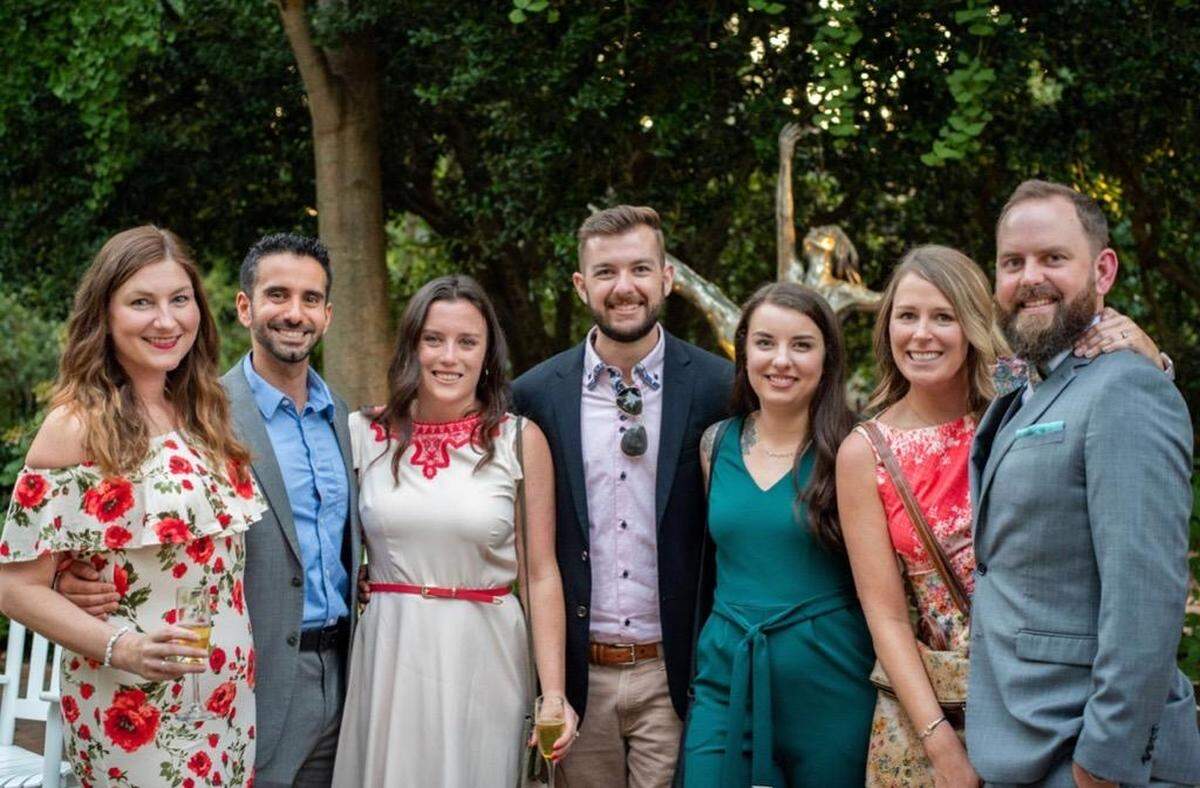
![Office manager Maya Chaplin said social media often fuels FOMO. “I don’t want to fall behind on doing fun things. [Social media] makes me think my life is boring, and I need to be more social and experiencing life.”](https://www.charlotteobserver.com/public/latest-news/7qyxew/picture238826543/alternates/FREE_1200/IMG-6927.JPG "IMG-6927.JPG")
The findings also indicate that nearly 40 percent would rather undertake unpleasant or potentially painful activities, from getting a root canal to spending the night in jail, before they would give up their social networking profiles.
Men and FOMO
Christo said men — especially millennials — also experience the pressures of FOMO and social media comparisons. “Men see other people having their life together and think, ‘Why can’t I find a good job or relationship? Why can’t I keep up?” he said.
He added that, like women, men also have anxiety in indecision, and may have an inability to stay consistent, so they bounce around to different jobs and partners. “In my practice, I work with more women who experience depression and anxiety related to this fear than men.” He said a lot of variables, however, can be in play in causing the stressors.
Travel the world or open a coffee shop?
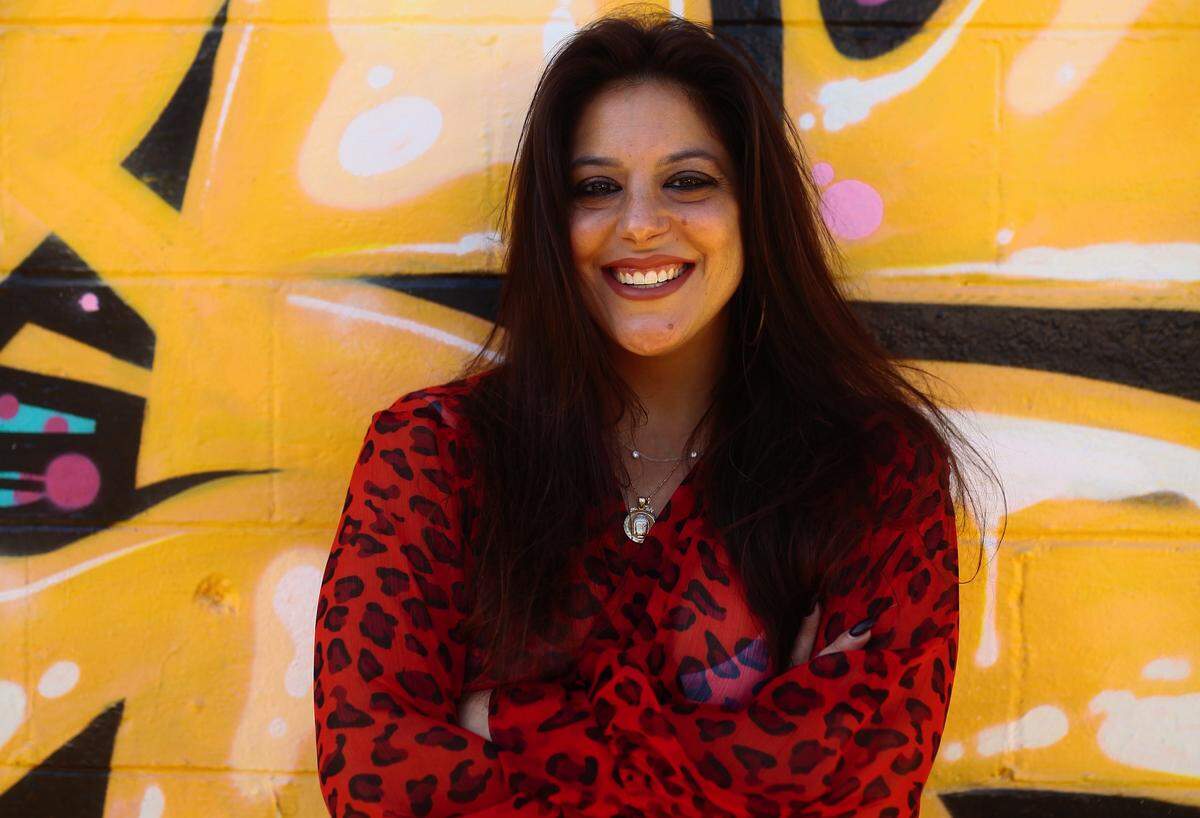
Dina Gambella, 33, a licensed marriage and family therapist and a 200-hour registered yoga teacher, understands the toll that the fear of missing out can take on herself and others: “FOMO equates to comparison, a thief of joy, constantly looking on social media, [a concept of] ‘I don’t have this fancy life, I don’t look this way.’ It can create a narrative of ‘I’m not enough, I’m not doing enough, I don’t have enough.’ It can be a dark place.”
A recent experience Gambella herself encountered with FOMO occurred when she and her boyfriend were planning a dream trip to Paris and Amsterdam but decided to forego it for a new business venture. “I’m helping my boyfriend open a coffee shop, and we could not afford to go on this trip while working on the business.”
A self-described hustler, Gambella said she needed to accept that helping to start a business and having a great relationship carried better longer-term results. She said she was very upset that she couldn’t make this dream trip, but eventually she found a different perspective. “What do I already have that I can be grateful for now?”
Gambella said it is “so hard to stay in that head space — and we feed off that instant gratification.” She and her boyfriend eventually settled on a compromise: a family trip home. She also finds quality time with her boyfriend — while saving money — by making hot chocolate and turning off their phones.
She said she chooses to glance toward the positives by “looking at the building that we created and built together, and that is better than a fancy steak dinner.”
Gambella brings a positive light to this fear by changing FOMO to JOMO, or the Joy of Missing Out. “I work with teens with eating disorders, who already have unrealistic expectations. I tell them it’s OK to say no to things you don’t want to do and say yes to things you want to do, and find acceptance of what is.” She challenges herself and her clients to reframe this comparison game and instead state, “‘Look what I have accomplished.”’
‘I knew I needed rest’
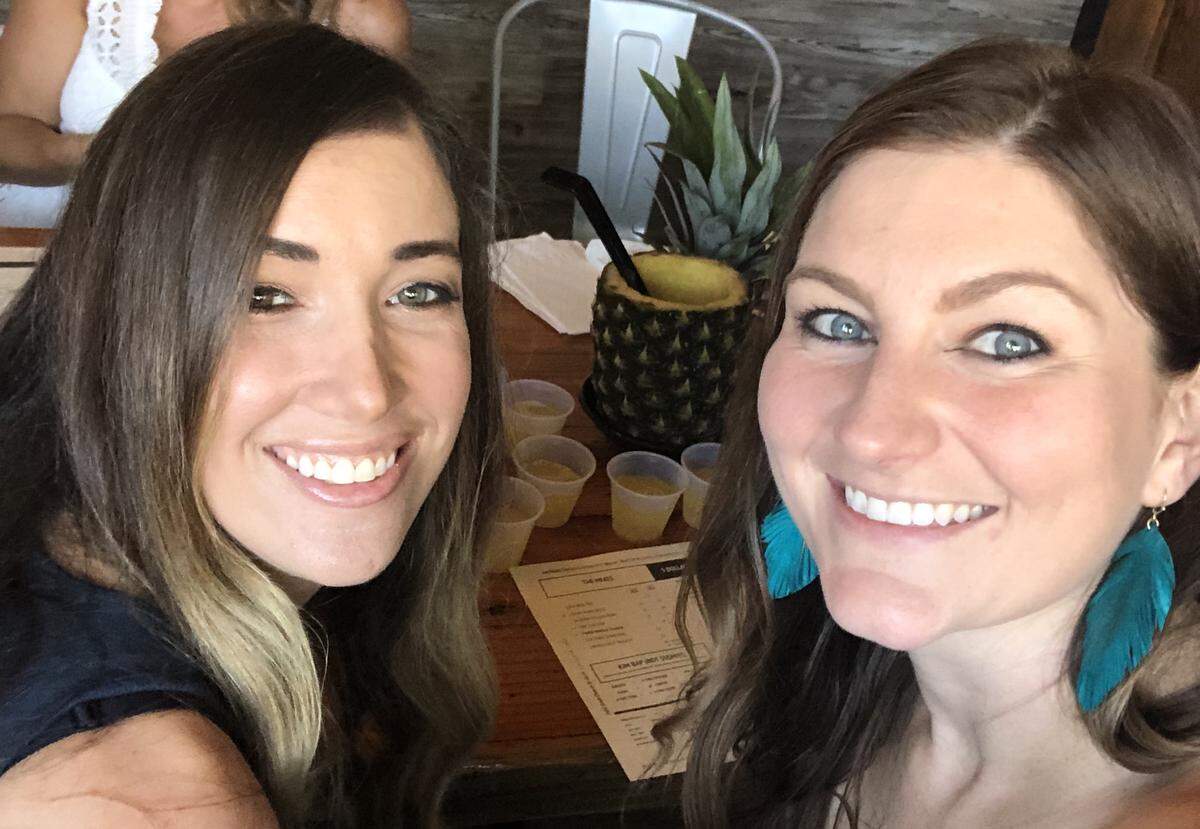
Natalie Dilley, 35, involved in financial operations, finds that FOMO is less of an issue now in her 30s than in her 20s. “I used to want to go to everything. I knew I needed rest. I didn’t listen to what my body what telling me. Now, I think about how I’ll feel if I go out. If it’s a professional obligation and I’m thinking about my future self, I decide what opportunities are beneficial and what things I will value the most. If it’s someplace new, I’ll check it out.
“I had more insecurity with myself and being among other people, so I chose to do what I thought I should be doing or what was popular,” Dilley said. Fitting in with the crowd was super important to me.”
Dilley said she wasn’t thinking about her needs. Then came a pivotal point. “I was exhausted and feeling defeated. I knew I needed to make changes.” Dilley said that with age, she has shifted her perspective. She credits looking to friends who were older to help put things into perspective.
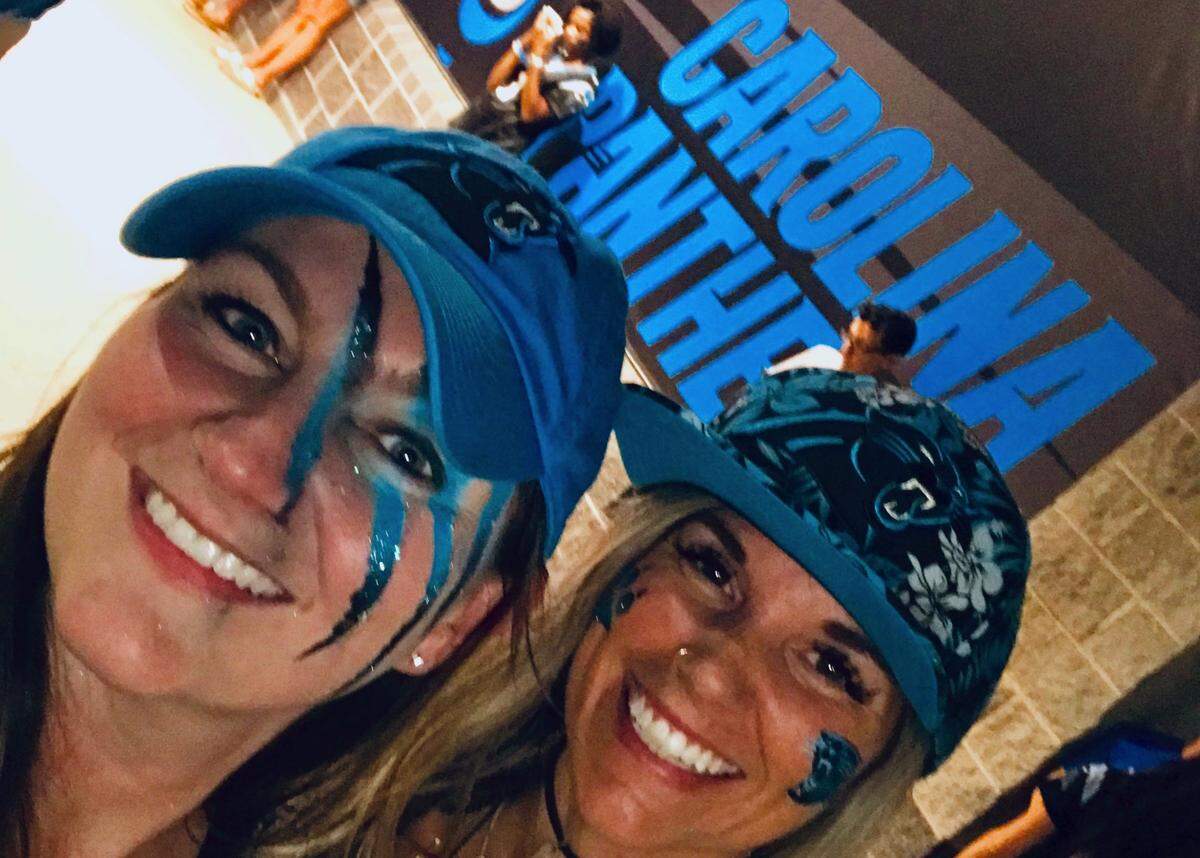
When it comes to social media, Dilley said she encourages it. “I’m all about building networks and community and to share that with others. Social media is great for that,” she said. “Social media is a good way to stay connected — unless you are comparing and judging yourself.” Being on social media can cause people to be less present, which she said she admits she is not great at.
Dilley recognizes that “Charlotte is a city that is go-go-go, and we never take the time to slow down.” She suggests taking time for ourselves and pausing on what we really want to do and how we want to spend our time. “When you figure out who are, you realize you are not missing out on anything.”
Learning to say ‘no’

Nesha Pai, 48, is an entrepreneur, accounting practice owner of Pai CPA, creator of Pi Networking group, host of Piece of the Pai podcast, a speaker, and an author of her first book, “Overcoming Ordinary Obstacles” (available for sale in January).
“Eight years ago when I started my business, I came out of corporate America and in between, being a stay-at-home mom. I went to everything and was busy almost every day of the week,” Pai said.
“I figured out in a few years, a lot of the events made me burned out.” Pai said. “I get invited to so many things, and I like to have a pulse on what is going on in Charlotte.” She said entrepreneurs have to network and put themselves out there. But, “I am at a place and stage in life where I’m good at vetting what is important to my values and goals. I have said, ‘No,’ many times.”
As a business owner, said she Pai knows the value of social media but loathes it at the same time. “Using social media as a branding tool is very important but what is disheartening is that people can be anyone they want. Some influencers are inauthentic and fake. People can buy followers and likes. Social media can become a comparison game.”
Pai tames FOMO by laser-focusing on her personal and professional goals, family, friends, and clients and not comparing herself to someone else. “I don’t put a time limit on my goals and I’m not in the rat race.” Before she commits to a decision, she asks herself, “How do I define success and what makes me happy?”
‘I missed out on a bucket-list trip’

Brittany Winston, 32, a model and flight attendant, felt the FOMO pressure earlier in her career. “I prioritized modeling jobs and missed out on people, trips, parties and important events. I missed friends’ bachelorettes and weddings.”
Looking back, she said it wasn’t worth it. Winston said the final straw was accepting a work gig in lieu of going on a special trip with close friends. “I missed out on a bucket list trip to Santorini with friends so I could work a modeling job that ended up being a horrible experience. After that day, I said I would never miss out on really meaningful events again.”
Winston believes FOMO occurs because of societal pressures. “We miss out on things because we need financial success, or we think we need to be doing the same things as other people after looking at social media, aka ‘the highlight reel’.”
Winston said relaxes the FOMO mindset by first, thinking about how she is going to feel if she misses out on this event. “If it’s not a big deal, I’ll pass on it. As I get older, I realize there will be another party, another happy hour. Big events, like a wedding, I need to prioritize.”
Do social events give you energy — or steal it?
When does wanting to attend a lot of events become a problem? “If you are experiencing anxiety, depression, substance use and stress about everything, you may be an introvert under social pressure, Christo said. “However, if you are being social and it works for you, then that’s good and that is how you thrive.”
How do we find more balance while being engaged with others? Christo offers these helpful tips if you are experiencing a chronic case of FOMO:
• Become more self-aware. Know what you really like and don’t like. Find your own interests, goals, and hobbies.
• Manage stress levels and talk to a therapist if you feel that you are exhibiting negative mental and physical side effects from being too busy.
• Focus on quality relationships and not merely quantity. Not every event is meaningful and not every relationship is uplifting.
• Limit social media use. Not everything on social media is the truth. People filter images or do not show what is truly going on in their lives. Add a dose of reality by picking up the phone and calling trusted friends and having more face-to-face time.
“There is nothing wrong with saying, ‘I don’t want to go to everything,’” Christo said. “Be OK with who you are and what interests you. If you want to stay at home and cook dinner and not go out to the fancy, new restaurant, don’t feel bad about it.”