Charlotte food trends 2020: Kimchi, kombucha and other tart flavors.
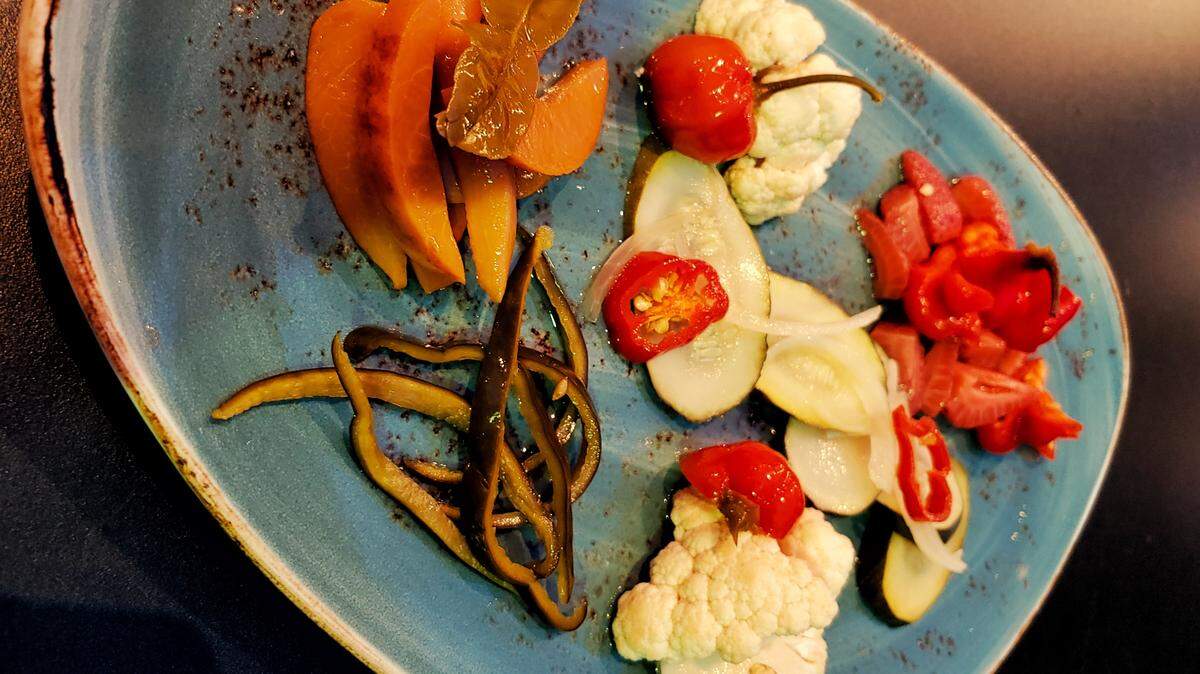
Editor’s note: We wrote this story in March, right before our city and its restaurants made sweeping changes to limit community spread of COVID-19. It didn’t seem right to publish it at that time, so we waited. Now, restaurants have tentatively reopened dining rooms and it’s gardening season, so we figured it’s a great time to talk about one of 2020’s predicted food trends: fermenting.
Ah, kimchi. That stinky, sour, spicy and completely umami-fied combination of fermented cabbage, garlic, onions and ginger. I’ve loved it since the fifth grade, when my best friend at the time introduced me to it at her parents’ Korean restaurant in Washington, D.C.
This was her pro tip: Hold your nose and just taste it. I did, and I was hooked.
I was perhaps ahead of my time, and I had a pretty curious and forgiving palate at age 10. Fast forward to adulthood, where indulging my love for all things fermented and pickled isn’t only more accepted, it’s trending.
Kimchi has become — dare I say — common. It’s offered in poke bowls and street tacos. Kombucha, the fermented, effervescent tea that everyone is grabbing up? It’s found in organic restaurants, sold in grocery stores and perfected in breweries.
Before the COVID-19 pandemic reached the U.S., CharlotteFive started reporting on the food trends of the year. Of the top major food trends that have cropped up in the last couple of years, fermented and pickled foods are still at the front of the line and trending in 2020, and there are a few really good reasons.
Consumers are increasingly eating “cleaner,” and plant-based foods are more popular than ever. Pickled and fermented foods lend well to this as they are often vegetable based, organic and low in calories.
Before the coronavirus hit and turned life upside down, restaurants in 2020 were investing in fermentation and pickling because it’s clean, low cost and helps to upsell the menu when paired with existing courses.
The consumption of fermented foods and beverages rose 149 percent in 2018 alone and continues to rise as people look for ways to incorporate clean eating and increased gut health into their diets.
Restaurateurs have known these facts for some time. As far back as 2013, David Chang, chef and owner of the award-winning culinary brand Momofuku, has touted the benefits of fermentation for both health and taste, describing the process as “when rotten goes right.”
Good bacteria
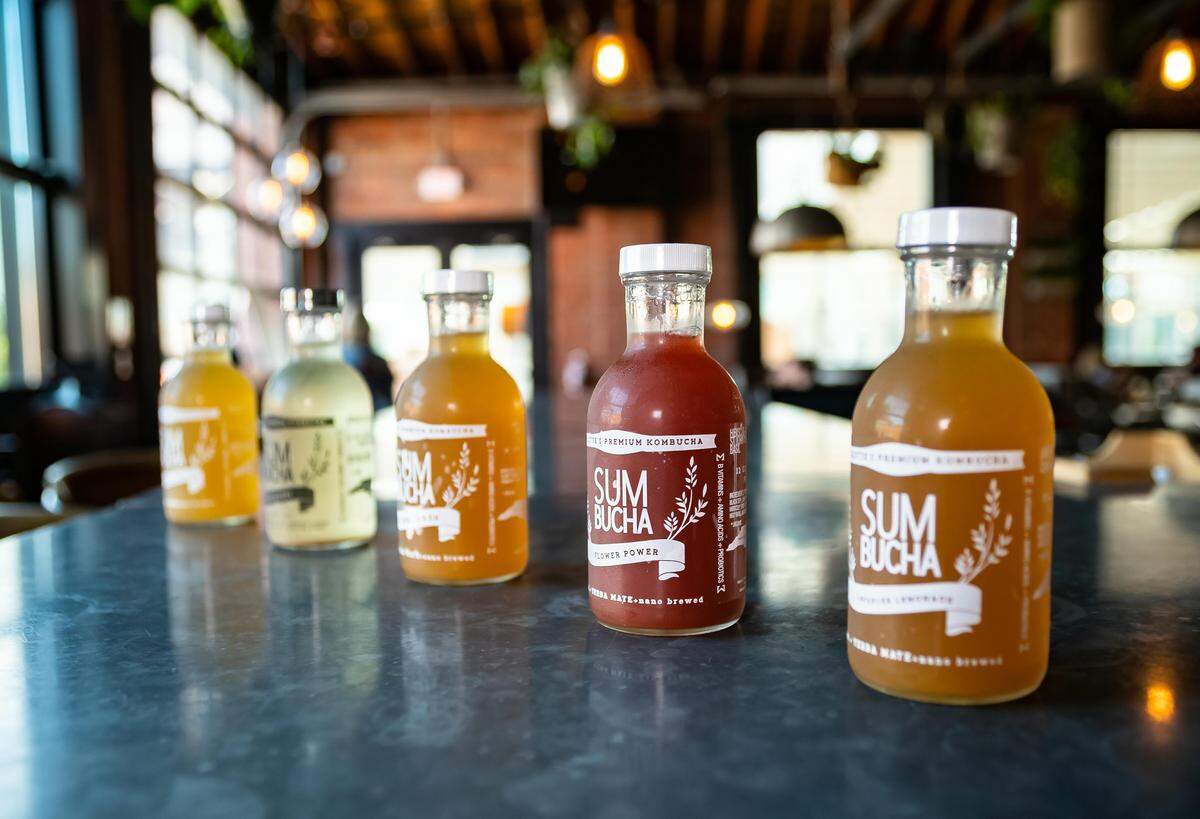
It’s all about good bacteria. When Charlotte kombucha brewer Alex North started a quest to become healthier, he began buying kombucha in the grocery store.
“There was something about this tart, effervescent, probiotic concoction that I couldn’t get enough of. I started drinking it more regularly and began charting how I felt when it was consumed. I felt like I had more energy, and it just put me in an overall better place,” he said.
Improved digestive health, increased immune health and added antioxidants are among the benefits of consuming fermented food and drinks, according to Medical News Today.
Healthline reports that fermentation can also help the body with insulin resistance, weight loss and inflammation.
North, 36, is now the owner of SUM Bucha, a Charlotte-based, small-batch kombucha business. When he first decided to take a stab at creating the fermented tea, he was living in Austin, Texas, and working in the food service industry.
“I wanted kombucha as my drink of choice to help me power through the shift, and I wanted to try making my own. I had a scoby (symbiotic culture of bacteria and yeast) delivered and began to attempt this new venture in small jars.”
Following a change of jobs and a move to Charlotte, North decided to leave his nearly 11-year career in food service and branch out on his own with bottled kombucha.
North has seen Charlotteans embracing kombucha, and his business experienced quite a bit of growth in 2019, as his production and distribution increased, and his team, client list and recognitions began to grow. He currently collaborates with many local partners, including breweries such as Noda Brewing, The Suffolk Punch, Birdsong and Legion.
“It is much more commonplace to hear the question, ‘What is your non-alcoholic option?’ Breweries and restaurants want to be prepared to service that increasing need,” he said.
“In addition, for restaurants, the tangy flavor profile of kombucha is a great tool for a mixologist to use, providing that distinctly unique flavor that people are searching for.”
Here’s a taste of Charlotte’s 2020 best fermented and pickled offerings:
Drink it
(1) Lenny Boy Brewing Company
3000 S. Tryon St.
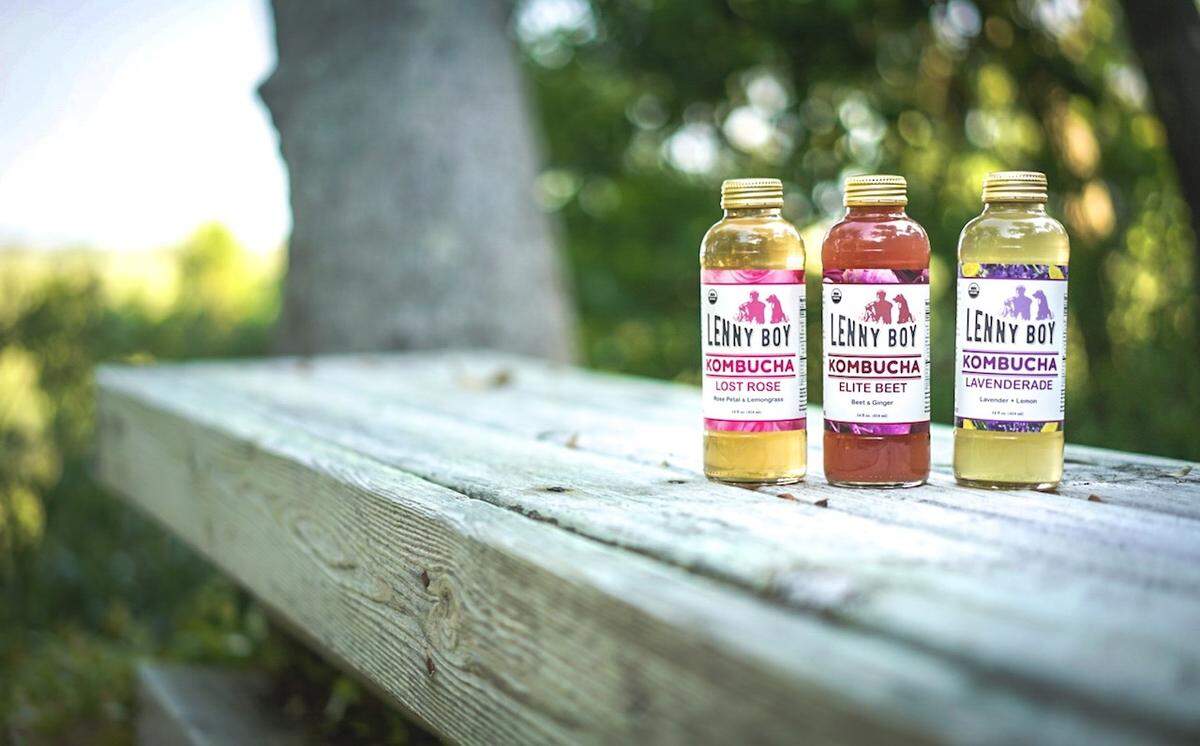
In addition to the brewery’s beer (ales and lagers), Lenny Boy’s taproom offers a wide variety of organic kombucha (Elite Beet, Good Ol’ Ginger, Mint Condition, among others), as well as gluten-free hard kombucha (regular kombucha’s boozier cousin). Sours and wild ales such as Queen City Blues and Strawberry Seduction are fermented with Lenny Boy’s own in-house culture. It also distributes across the East Coast, and locations can be found on its website.
(2) SUM Bucha
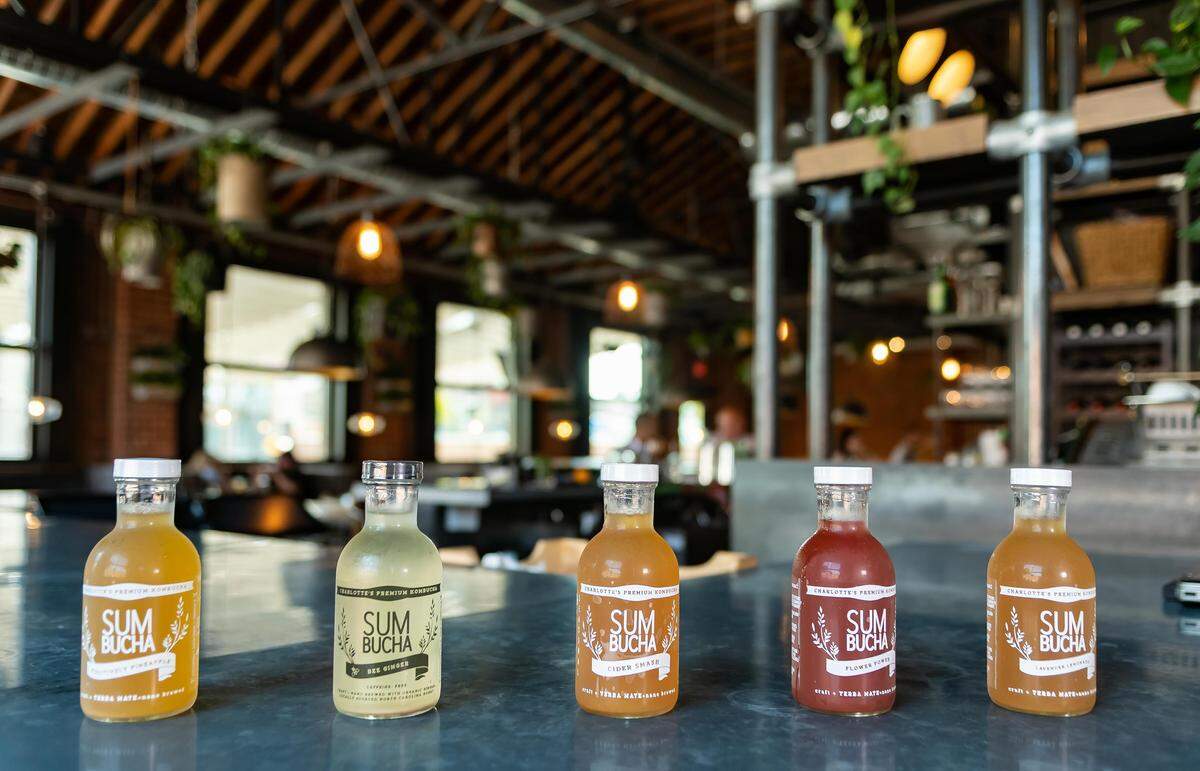
SUM Bucha offers small-batch, locally brewed kombucha with flavors such as Positively Pineapple, Bee Ginger and Lavender Lemonade. SUM Bucha can be found at NoDa Brewing Company, The National Whitewater Center, Suffolk Punch and Rhino Market & Deli, among other locations. Check its Facebook and Instagram pages for details, as well as upcoming events.
The Korean king of fermentation: kimchi
(3) Blacow Burger
1646 SC-160, Fort Mill, S.C.
The origin of this restaurant’s name comes from the word wagyu, which in Japanese means black cow. Blacow serves a variety of burgers (plus wings and shakes). Its Korean-inspired burger The Gangnam is a short rib steak burger marinated in bulgogi sauce with kimchi, baby arugula, green onion and cilantro.
(4) The Cowfish Sushi Burger Bar
4310 Sharon Road
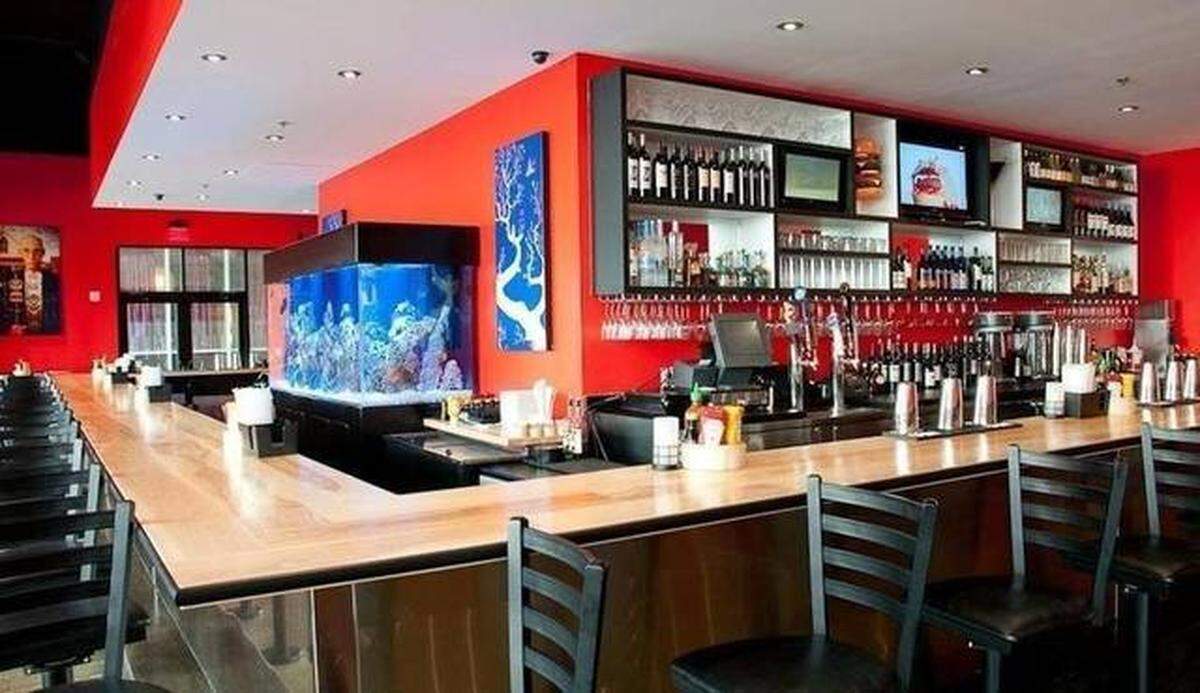
The Cowfish was the creation of Marcus Hall and Alan Springate and boasts handmade sushi and burgers (as well as sandwiches, shellfish and salads). You’ll find many pickled items on the menu, but try the Screamin’ Korean Chicken sandwich. It has a definitive Asian flair with sesame-encrusted chicken, Asian slaw and Sriracha ranch, but the crowning condiment here is kimchi.
(5) Futo Buta
222 E. Bland St.
This eatery in South End opened its doors in 2015 as one of the first ramen shops in North Carolina. The Fire & Ice ramen (kimchi and dashi broth, hot smoked salmon, fresh mint, bok choy, shaved carrot, radish, black sesame, julienne leeks, scallions) is a fermented-broth treat. And, yes, you can order extra kimchi on the side.
(6) Good Food on Montford
1701 Montford Drive
When Chef Bruce Moffett opened his small-plate concept restaurant, I would gladly wait it out for a table with other Moffett fans simply for the Korean Beef (crispy rice, scallion kimchi, gochujang) small plate. The kimchi here balances out the beef perfectly and the gochujang (Korean chili paste) adds just enough heat.
(7) Hibiscus
1600 E. Woodlawn Road
Pan-Asian restaurant Hibiscus has recently revamped its menu with a heavier focus on Laotian cuisine. What hasn’t left the menu is the chef’s take on kimchi fried rice with the addition of pork belly (stir fried rice, kimchi, pork belly, white onion, scallions, carrots, gochujang and topped with fried egg).
(8) Seoul Food Meat Company
1400 S. Church St.
Seoul Food brings a unique twist to traditional Korean fare. The focus is on the marinated meats and eclectic sides. What’s essential to pair with any order? The two kinds of slaw it serves: kimchi mayo slaw or kimchi vinegar slaw. The vinegar in the latter gives the kimchi an extra bite.
Pickled Perfection
(9) Haymaker
225 S. Poplar St.
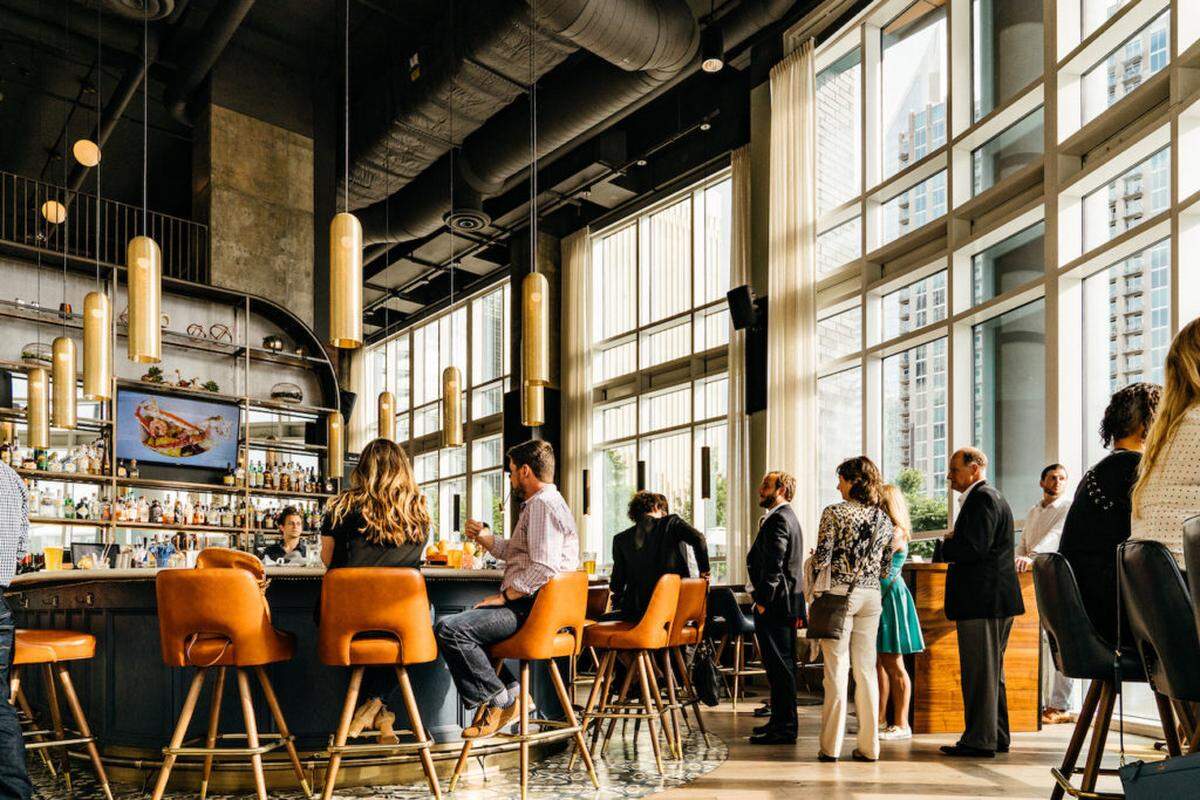
Haymaker’s Executive Chef Wiliam Dissen focuses on handcrafted, sustainable cuisine using heirloom ingredients. To whet your appetite, Heirloom offers on the snack menu a trio of seasonally pickled or fermented vegetables.
(10) Reid’s
Multiple locations
This gourmet food shop and eatery has been a Charlotte institution for fine foods since 1928. With multiple locations including SouthPark, Meyers Park and Uptown, Reid’s offers weekly selections of seasonal pickled vegetables, and you’ll find them included in some of the sandwiches and wraps. Pickled asparagus, okra and watermelon rinds are some favorites.
(11) Rocksalt
512 Brandywine Road. Ste. 500
In addition to serving up oysters and clams from the Rappahannock Oyster Company, Rocksalt boasts a wood-fired grill, fresh seafood specials and small plates including the Pickled Platter. The platter includes an array of pickled small bites such as eggs, seafood, seasonal fruits and vegetables and cheese. (Note: Rocksalt is temporarily closed with plans to reopen its doors soon. Check the website for more more information.)
(12) Soul Gastrolounge
1500 B Central Ave.
This is the South, and as such, people love pickled okra. Okay, not all people, but most Southerners can tell tales of their grandma’s pickled okra being a staple in the pantry. If you’re scared of pickled okra, try it first in a Bloody Mary. If you love it, do yourself a favor and order Soul Gastrolounge’s Dirty South Nachos (fried chicken skin ‘chips’ with a pimento cheese fondue and jalapeño pickled okra).
Puckering up
It’s important to remember that not all things pickled are fermented and vice versa. In order to be a true connoisseur of the funk that is fermented food and the punch that is pickled food, one has to remain open minded.
For our anniversary this year — before COVID-19 — my husband and I enjoyed an evening of oysters and small plates at Rocksalt. Among our choices was the Pickled Platter, a surprisingly extensive selection of, well, all things pickled.
As we made our way through the board of pickled duck eggs, shrimp, radishes, strawberries and cheese (yep, pickled cheese), the puckering struggle was real. We actually couldn’t refrain from cracking up, so we decided to slow it down.
Just then, we noticed the couple seated next to us giggling along with us. In the spirit of all that is sour, we offered our neighbors a share, which they graciously and bravely accepted. They puckered as much as we did but seemed to like it, so we left them with the remainder, feeling glad to have bonded with strangers, and happy that there was enough to go around.