
Half full dining rooms in Charlotte are hardly paying the bills in COVID Phase 2
The owners of The Summit Room, a dinner-only restaurant with specialty cocktails, penned a goodbye letter May 21 to the Charlotte community and its Dilworth neighborhood on Instagram: “Thank you for embracing us and for 7 years of 7 summits, stories, laughs, BBQ shrimp, first dates, proposals, parties, and just genuine neighborhood fun.”
“A small, neighborhood, full service restaurant isn’t made for masks, 6 feet distancing and 50% capacity, not to mention new hiring and purchasing,” said The Summit Room, citing several requirements in Phase 2 of Gov. Roy Cooper’s plan to reopen North Carolina and still limit the spread of COVID-19.
While The Summit Room is one of the first restaurants in Charlotte to permanently shut its doors because of the virus, many others are taking in no profit after laying off dozens of employees and are finding it financially unfeasible to open their small dining rooms under the coronavirus regulations.
Moving seats outdoors
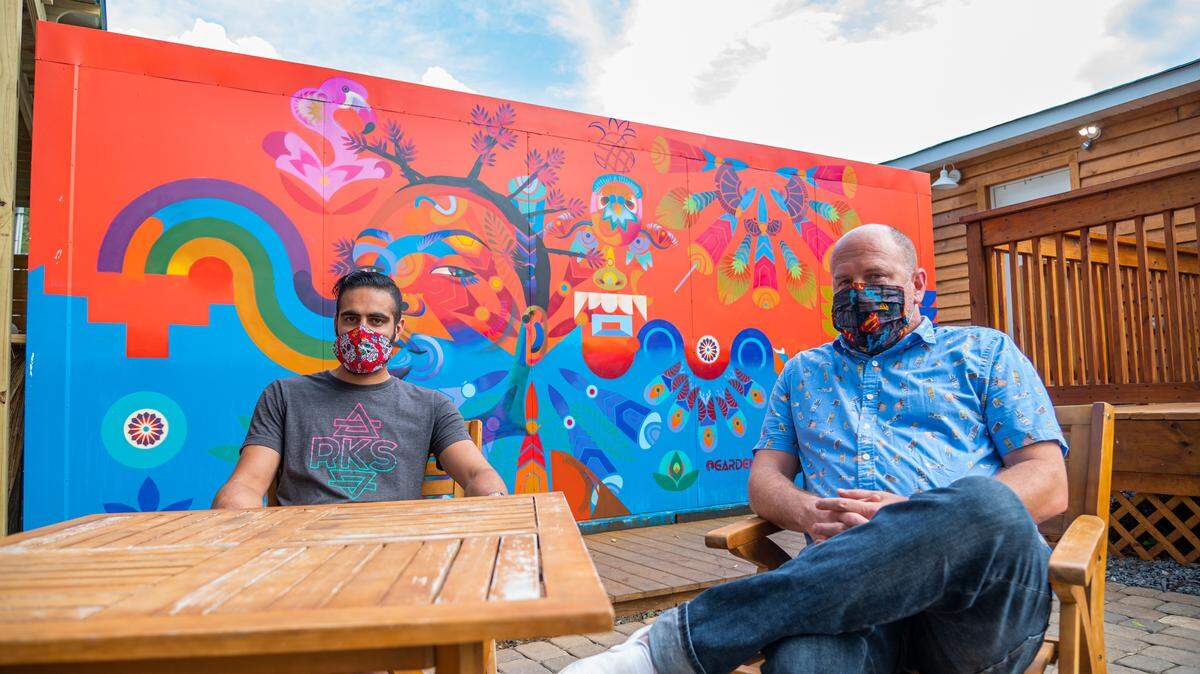
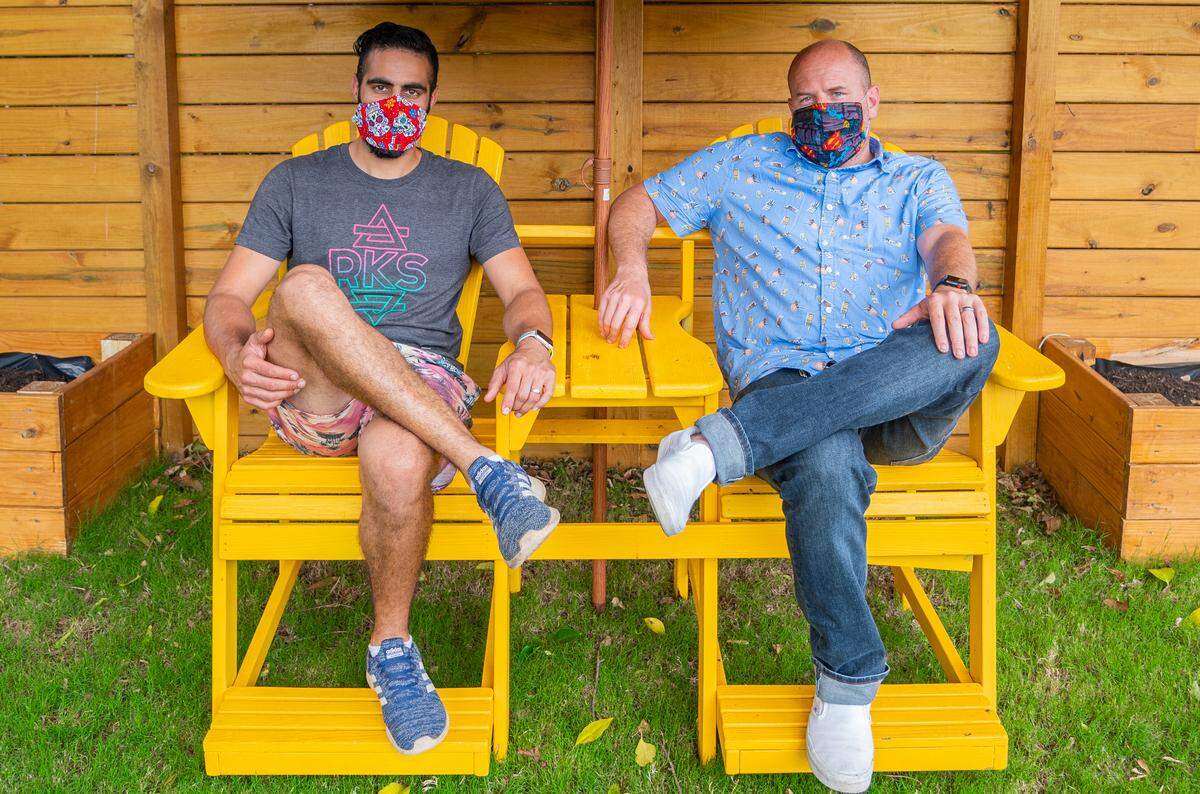
An oyster pit roasted in the middle of the lush green lawn behind The Bottle Tree in Belmont, as Gabe Sawhney and Scott Blackwood looked onward at the realization of their dreams for what the space could be. But that was in March — the weekend before the coronavirus shut down restaurants and businesses across North Carolina.
“I spent quite a bit of time after the announcements, and after we shut down, just sort of sitting out here. Like, we made this beautiful place and now nobody can come see it,” Blackwood said.
It’s now June, and the two owners have been running their global southern fusion restaurant by their bootstraps with a mere six people remaining on staff, down 21 employees. The restaurant is closed Monday and Tuesday, but it’s open 11 a.m. - 9 p.m. Wednesday through Saturday and 11 a.m. - 5 p.m. Sunday.
“We’re making 50% as much money with 30% of the staff working 200% as hard,” Blackwood said of the current conditions at The Bottle Tree. “[We] wouldn’t think twice about waking up at 5 a.m. to come into work and working until it’s dark,” Sawhney said.
The duo running the restaurant knew that normal operations weren’t feasible due to the smaller staff steering the ship, and for the past two months have shifted to a family meal style menu. The meals, which average around $45 and can feed a family of four, have been providing just enough income to keep their business afloat until things return to normal.
Sawhney and Blackwood seized the benefits of the Payroll Protection Plan, but even that was riddled with stress and difficulties, as it took nearly a month to receive a single penny from the government. They’ve heard no word on the status of the Small Businesses Administration disaster relief loan, after applying 2 months ago.
Cooper’s declaration allowing all restaurants in the state to open at half-capacity may have seemed like a grace from God to some, but for businesses without massive dining rooms, it offered little relief.
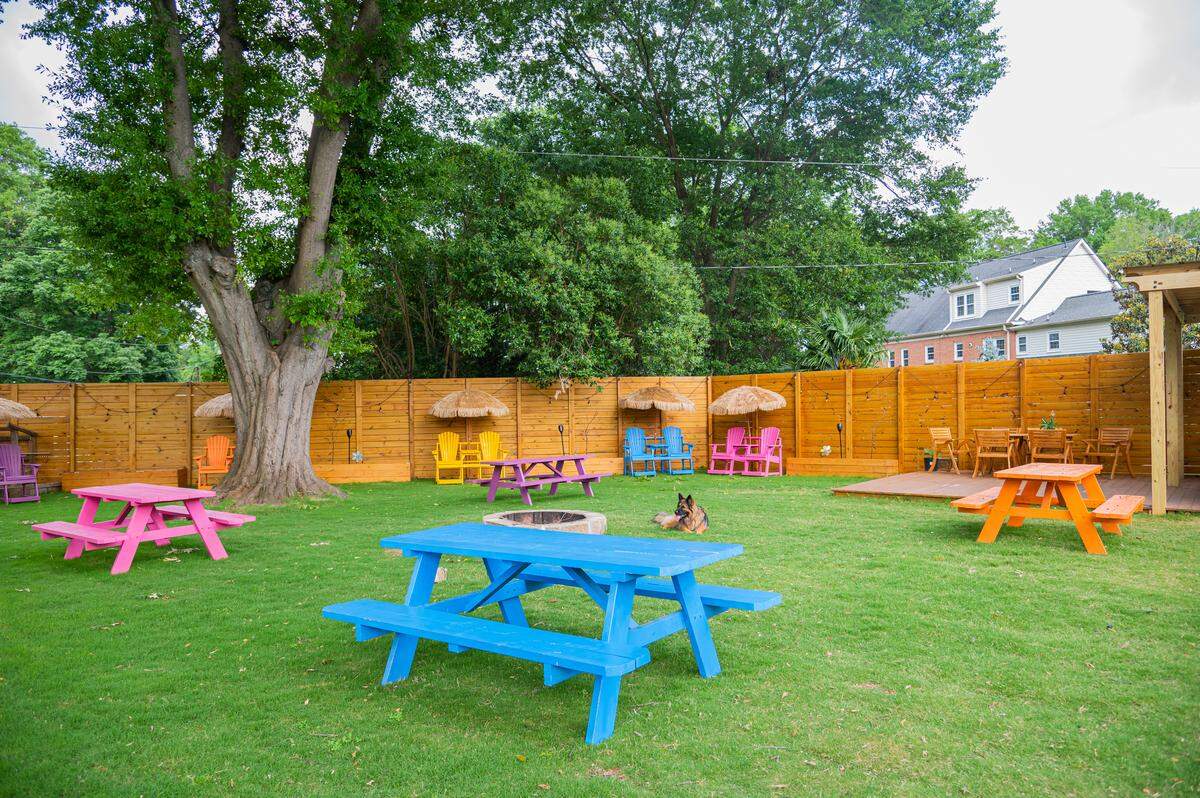
Luckily enough, the patio and lawn space in the back of their restaurant has allowed them to re-open for dining in, following the lead of many of the other Charlotte-area establishments.
“During Phase Two, where we’re only allowed to do a 50% occupancy with six feet, social distancing, we would only be able to fit 12 people in that building. That’s not a viable model. But out here, when you take our capacity for the entire property … that brings us down to more like about 60 folks,” Blackwood said.
Making the best of the worst
Rojshawn Dontae, the owner of The Nappy Chef, has wanted to take his Charlotte restaurant from a dine-in experience to one that predominantly serves takeout food for some time now. So naturally, when the coronavirus closed down his small spot for a week in March, he knew that this was the perfect opportunity to do so.
“I’ve only got five tables in there anyway … We can’t fit more than 20 people, four at each table, and a lot of my customers are already doing takeout,” Dontae said.
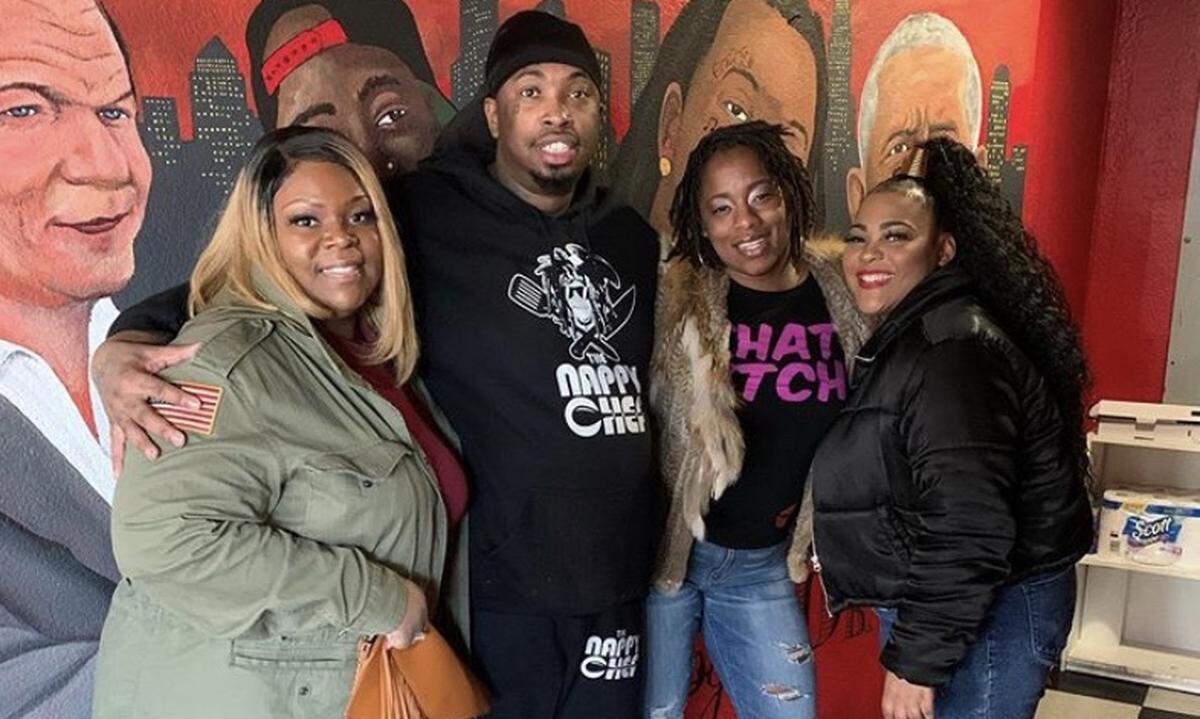
Instead of axing the dining experience completely, though, Dontae hopes to soon renovate his patio area to allow for upward of 20-25 people to get their food inside and eat outside, as the inside isn’t cost-effective to open for dining.
The restaurant is open Thursday through Saturday from noon-9 p.m. and 1-8 p.m. on Sundays. Known for its wings and southern takes on American staples like Jerk mac-n-cheese and salmon cheesesteak, The Nappy Chef quickly made a name for itself amongst the Black community in Charlotte. But the appeal broadened as word spread around town about the unique food that Dontae was serving up in his small kitchen.
“In the beginning, mostly the Black community [were coming in.] It’s been amazing for me to become more of a universal restaurant than just a Black restaurant ... just seeing people from different walks of life coming in and actually enjoying my food.”
Dontae, who has a heavy presence on Instagram has been able to maintain a steady stream of customers for takeout only meals during the pandemic by regularly updating his page with current hours and offerings. Fortunately his loyal customers haven’t lost their “If it ain’t nappy, it’s crappy” attitude, and it has allowed The Nappy Chef and its small staff to stay afloat through takeout revenue despite closing the dining room.
In addition to takeout, parked outside his establishment is a food truck of the same name, which now serves seafood platters when supplies are available, adding to his pandemic-era menu offerings.
Shifting to community service
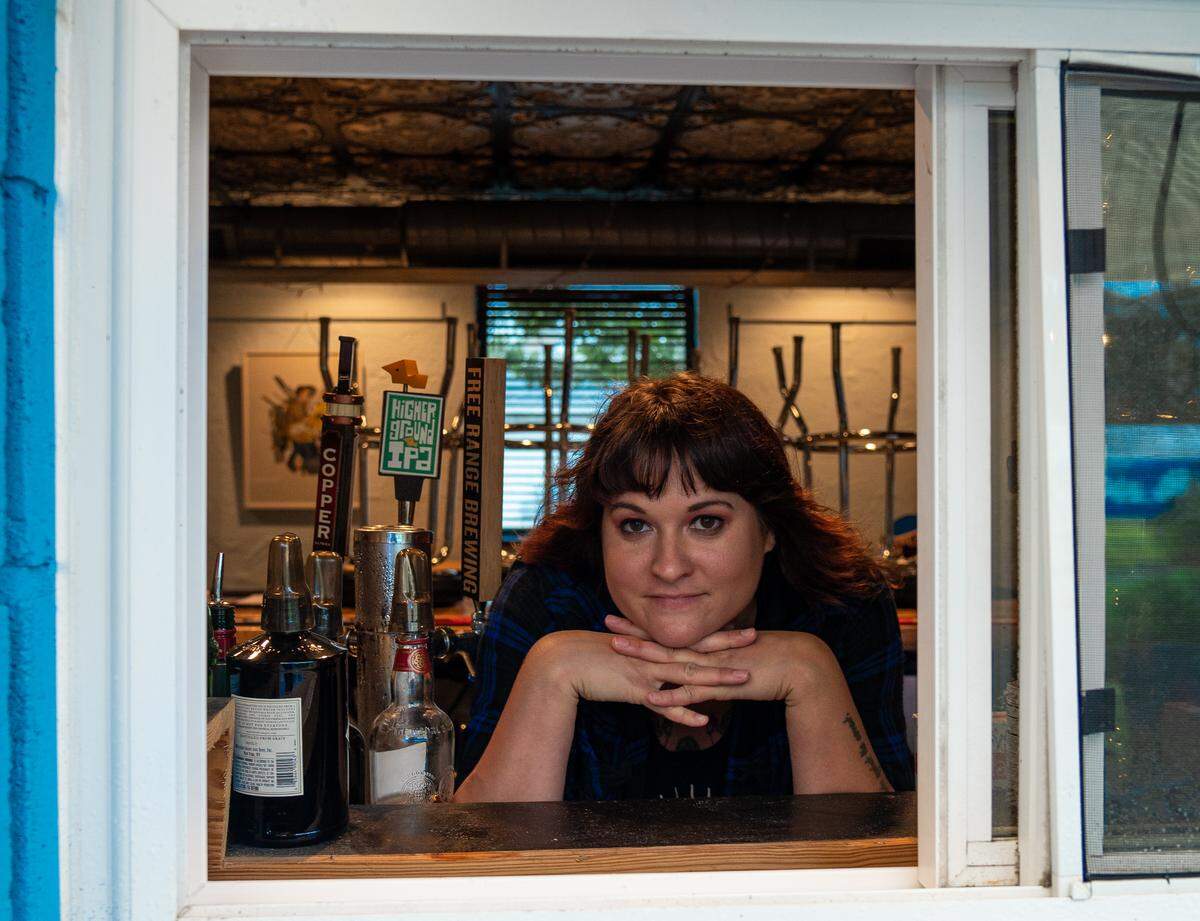
Dish, the uniquely yellow comfort food spot nestled in the heart of Plaza Midwood, followed suit and opened its patio up for dining services May 22. Lewis Donald, the owner of Dish and Sweet Lew’s BBQ, even built a service window in front of the bar that leads to the patio to serve drinks.
Like so many other businesses in the Charlotte area, Dish was forced to temporarily lay off every non-essential employee in late March. The restaurant kept a skeleton crew to process curbside pickup and to-go orders for the past two months, which pulled in just enough income to keep the lights on and keep the employees paid.
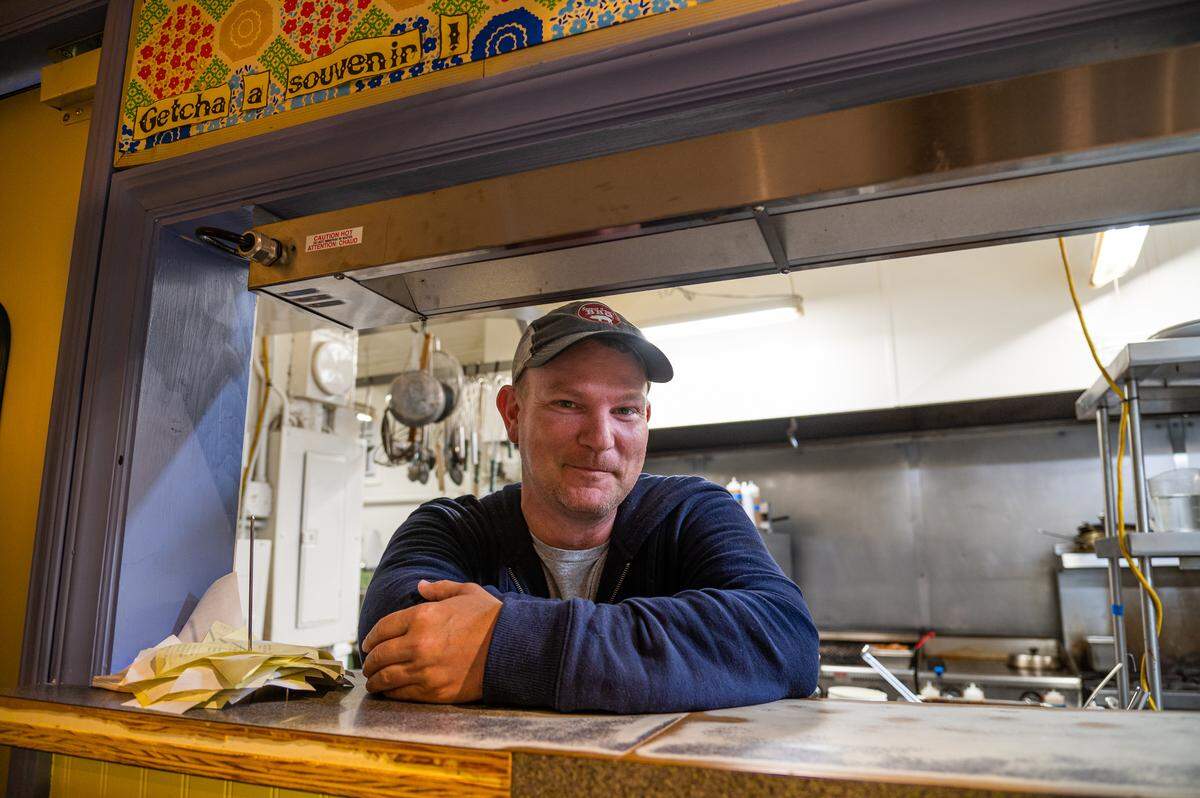
“Part of staying open during that time, even though we made no money, was just to keep the brand alive and to be open for the community,” Lewis said. “It’s comfort food. You can come here and get chicken and dumplings and meatloaf, and just feel OK about things for at least 20 minutes while you eat dinner.”
Dish has also adjusted its hours, opening only for brunch 10 a.m.-3 p.m. on Sunday, but 11 a.m.-8 p.m. Monday through Thursday; 11 a.m.-9 p.m. Friday and 10 a.m.-9 p.m. on Saturday.
Even with little income streaming into Dish right now, Lewis feels that doing whatever he can to help the community is a priority. He transformed the inside dining room into a station where he and his crew have been cranking out nearly 600 meals a week for children and healthcare workers through Heal Charlotte and Frontline Foods. He’s not ready to end that mission to serve only a few customers in exchange.
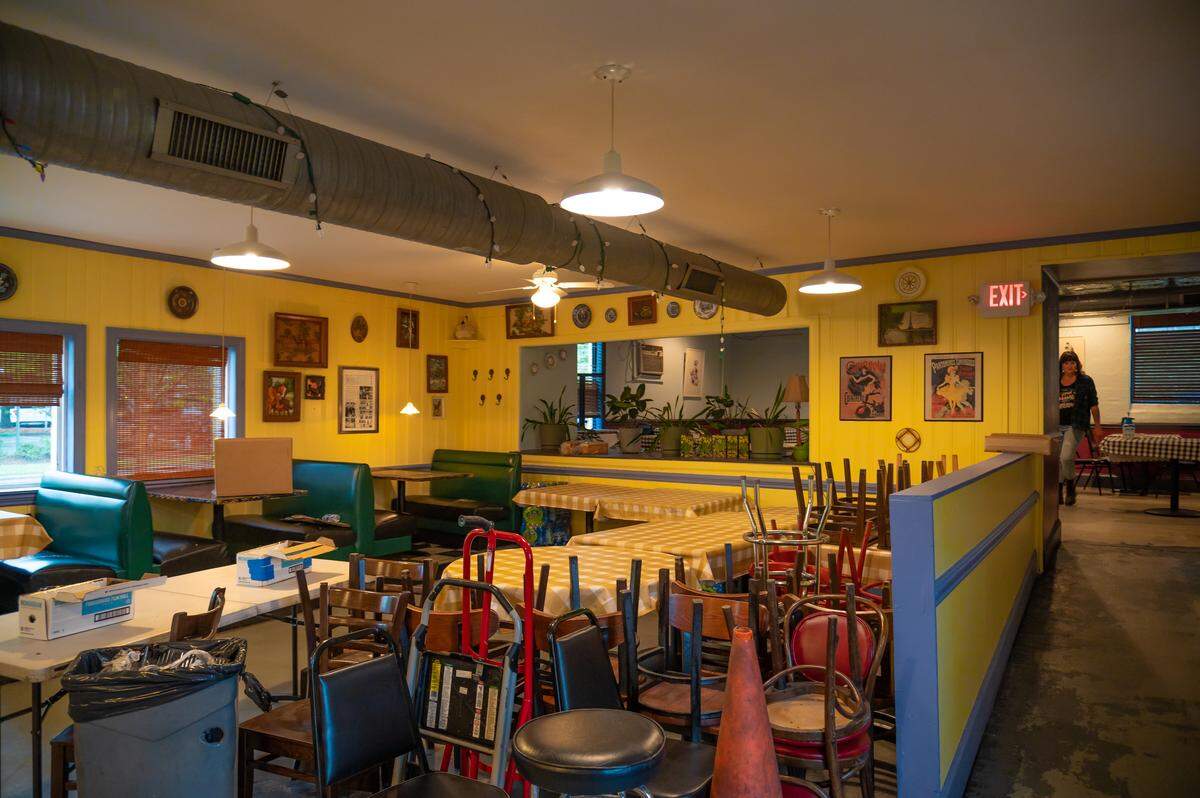
“I’m not going to take away from feeding the community and working with a nonprofit just to open up 15 seats in here,” Lewis said.
He expects to be operating like this for the foreseeable future. “I think the normal for now and what everybody keeps calling the new normal is just until there’s a vaccine. Once there’s a vaccine, and everybody can get it, they’re going to CVS and getting their COVID-19 shots and their flu shots every year, then it goes away, and then we’re back to what we used to be. Until then I think we’re operating like this or less again.”
Jakob Menendez is a freelance multimedia journalist who writes human interest stories. You can find him on Twitter @jakobmenendez23.