
Yemeni-owned coffee shops are diversifying Charlotte’s coffee scene one latte at a time
In a fast-paced, always-on-the-go city like Charlotte, many of us need our daily dose of caffeine. Thankfully, Charlotte has no shortage of tasty coffee shops and cafes to choose from — our coffee culture is thriving.
As a coffee connoisseur with just a mild caffeine addiction, I’ve recently noticed an emerging trend: Yemeni-owned coffee shops.
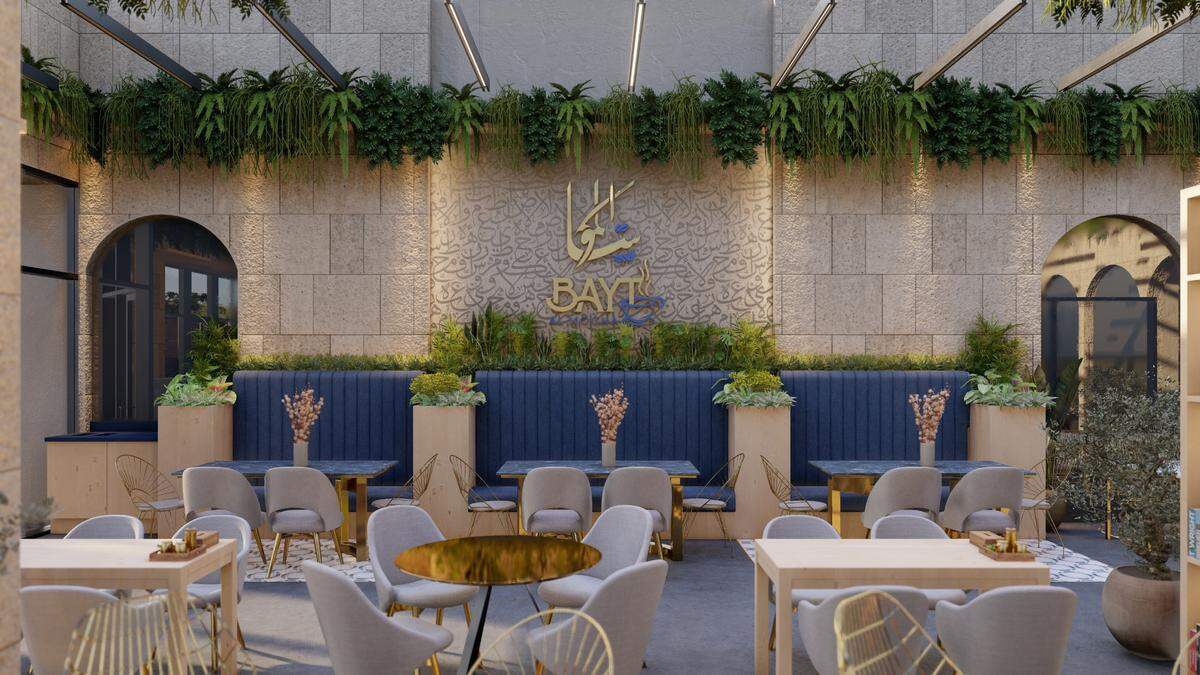
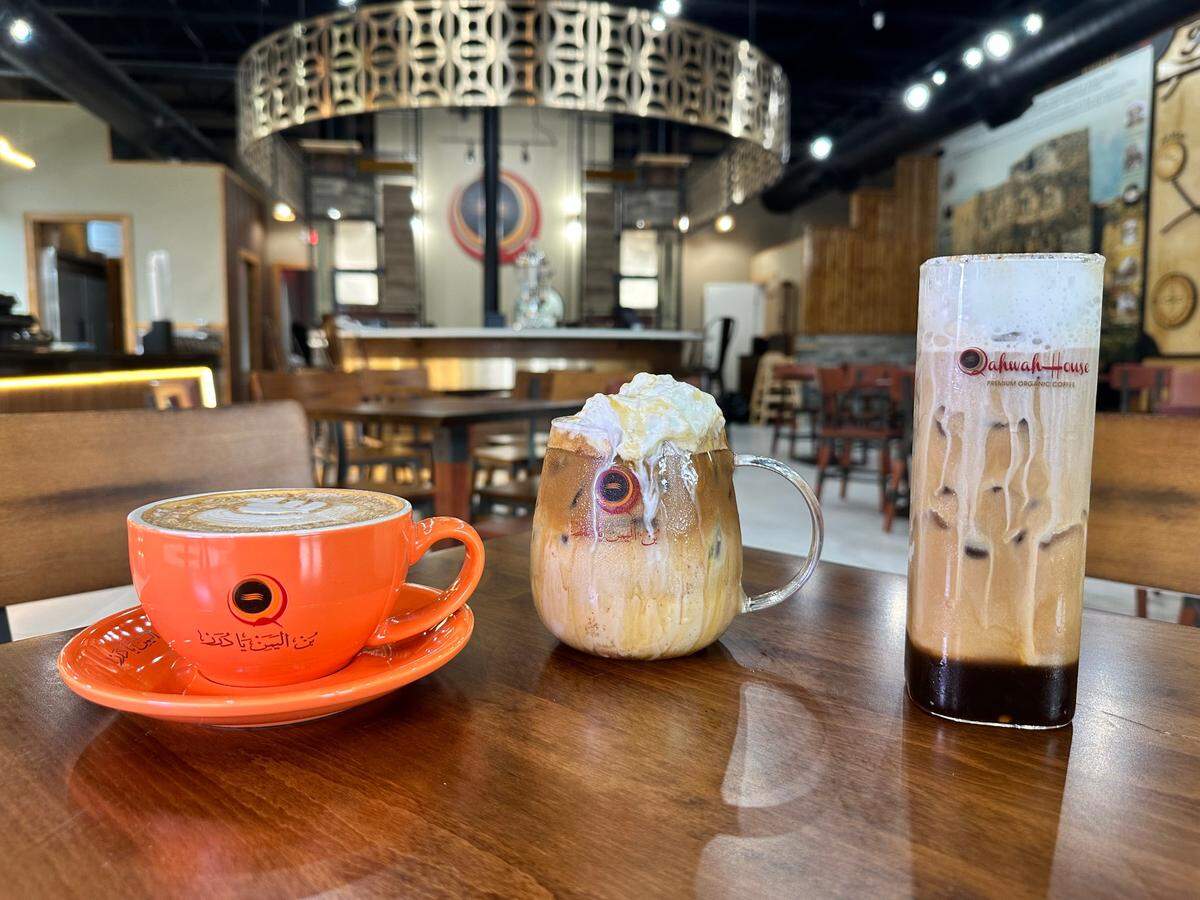
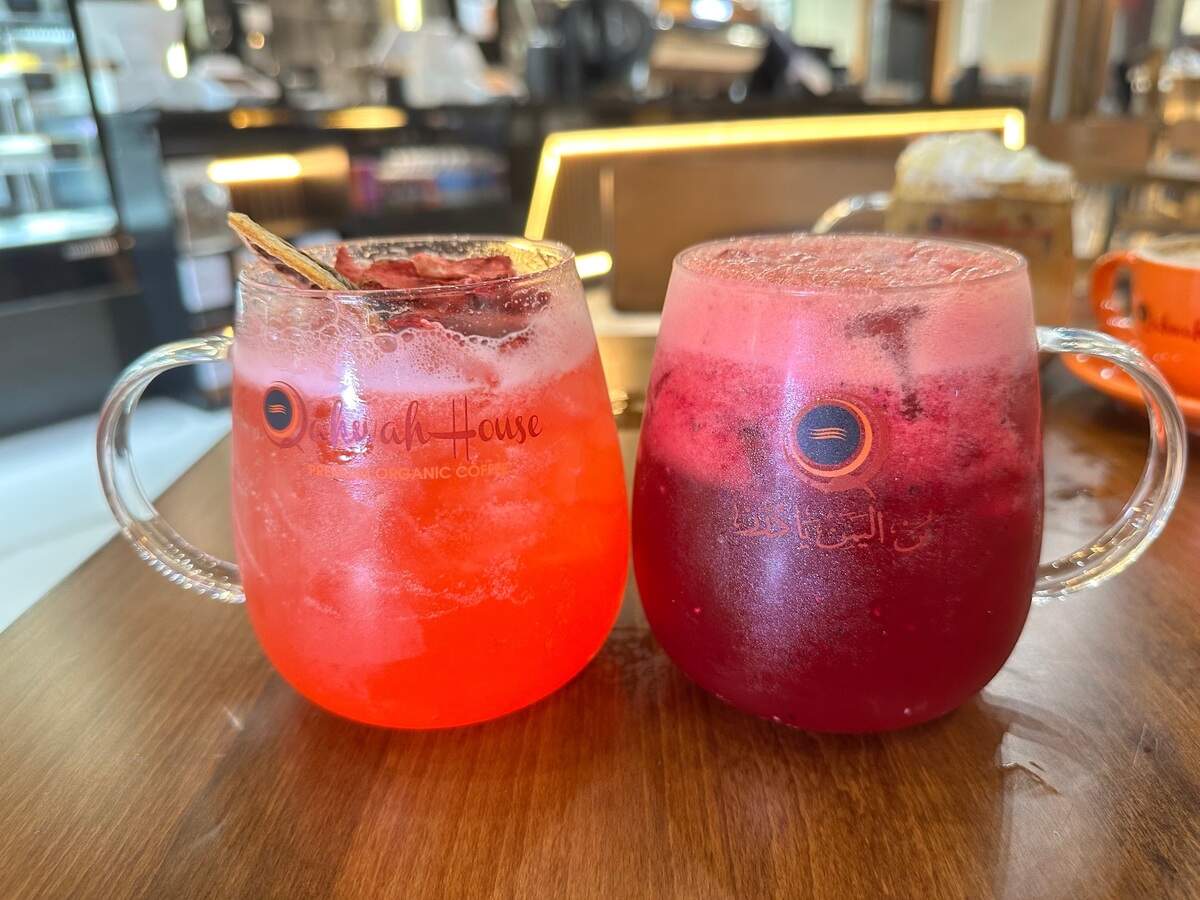
First came Haraz in early 2024, a late-night, perpetually busy Middle Eastern cafe on Central Avenue. It was followed by Coffee Origins in Mt. Holly in October and Qahwah House on Pecan Avenue, which opened on Dec. 19. Finally, there’s the highly anticipated Bayt Almocha, which is set to open in Centro NoDa, a mixed-use development building, in 2025.
What do these coffee shops have in common? A few things: Each are Yemeni-owned, serve delicious Middle Eastern-style coffee and food, and at least three of them have ties to Dearborn, Michigan, a city with a significant Arab-American population.
“There’s a very big Arab population over there,” Haraz franchise owner Saeed Saleh told CharlotteFive. “Not specifically just Yemen, but from all over the world. That’s where Haraz started, in Michigan.”
Why Charlotte?
While Charlotte’s Middle Eastern population is not quite as robust as Dearborn’s — census data showed people of Middle Eastern or North African ancestry make up 54 percent of Dearborn’s population — it remains a diverse and growing city.
Charlotte ranked 9th place overall in WalletHub’s 2024’s Most Diverse Cities in the U.S., and came in 4th in the largest city category. Charlotte is also one of the fastest growing metro areas in the US.
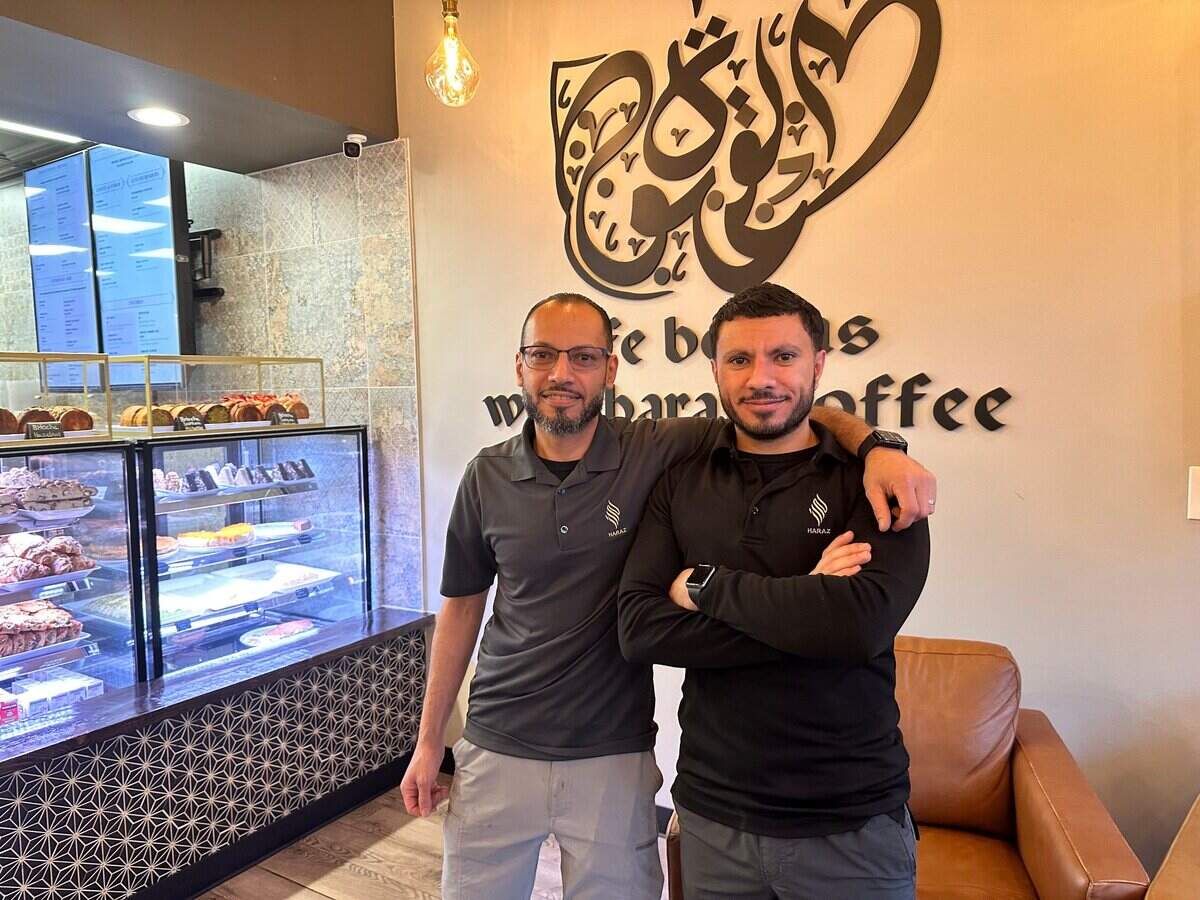
For Saleh, opening a Yemeni coffee shop in Charlotte just made sense. After living in Michigan for over 20 years — alongside his three brothers Mohamed, Abdullah and Hamed — he sought to bring flavors of Yemen to an unfamiliar palate: the South.
“We opened because it’s a unique coffee shop that we wanted to share with everybody,” Saleh explained. “It’s something different that Charlotte does not have.”
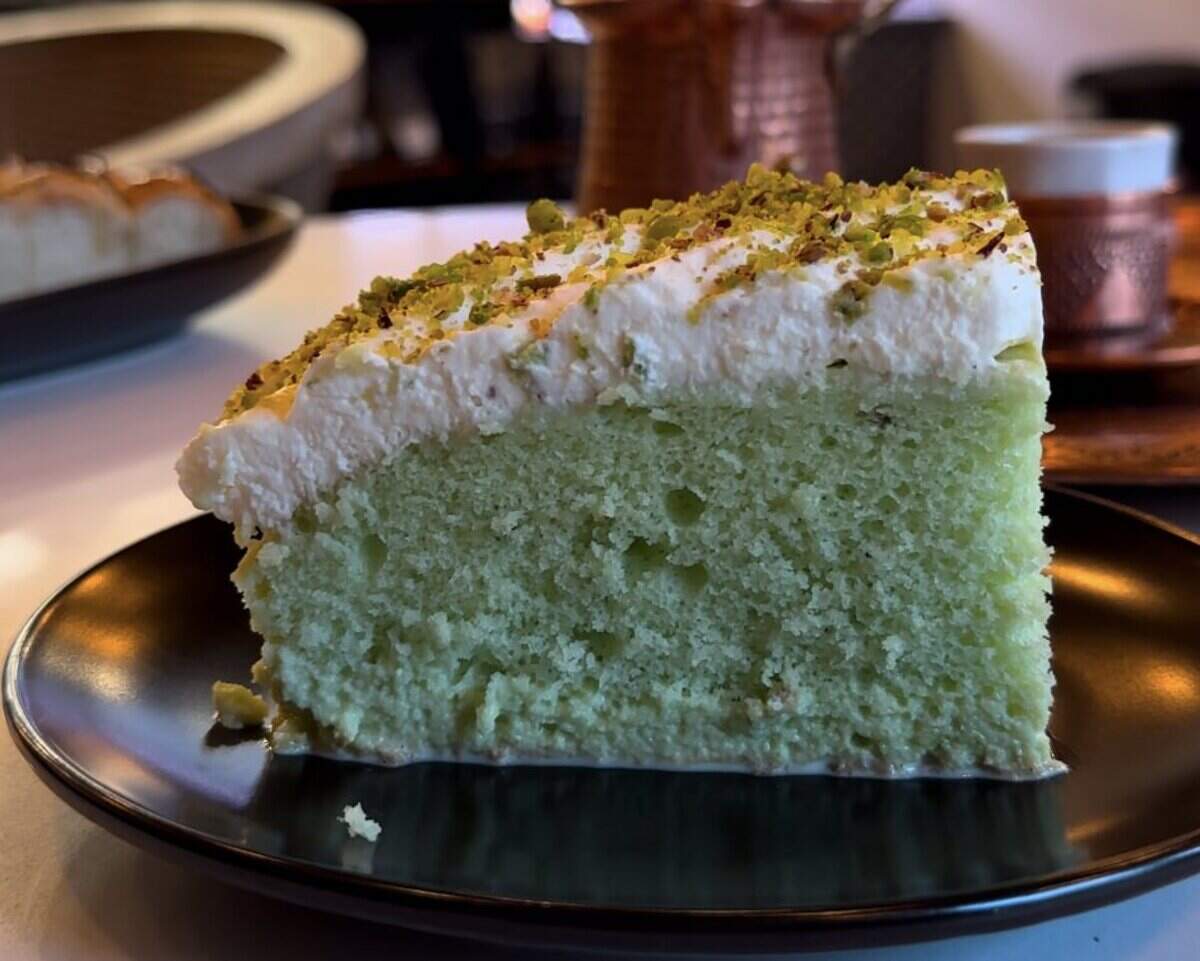
The brothers have found success here — step into Haraz any time of day and you’ll be met with a line. The popular coffee shop has not slowed down since it opened last year, serving everything from traditional Yemeni coffee (more on that later) to perfectly sweet pistachio lattes and pastries like Dubai chocolates and milk cakes.
“It’s not just all Yemeni coffee,” Saleh explained. “You get a little bit of everything, which is nice. It’s well-rounded for everybody.”
A different late-night destination
Qahwah House franchise owner Sulaiman Abidu is also seeking to fill a cultural void with his new coffee shop. Abidu, a UNC-Charlotte student, hopes to create a late-night space for people to gather that’s not a bar or a brewery.
“Outside of bars, nothing really stays open past 9 p.m.,” Abidu explained.
Whether you decide to spend your early mornings or late nights at Qahwah House, corporate marketing manager Mohamed Ahmed says the coffee shop operates as a “third space” — a social gathering place between work and home.
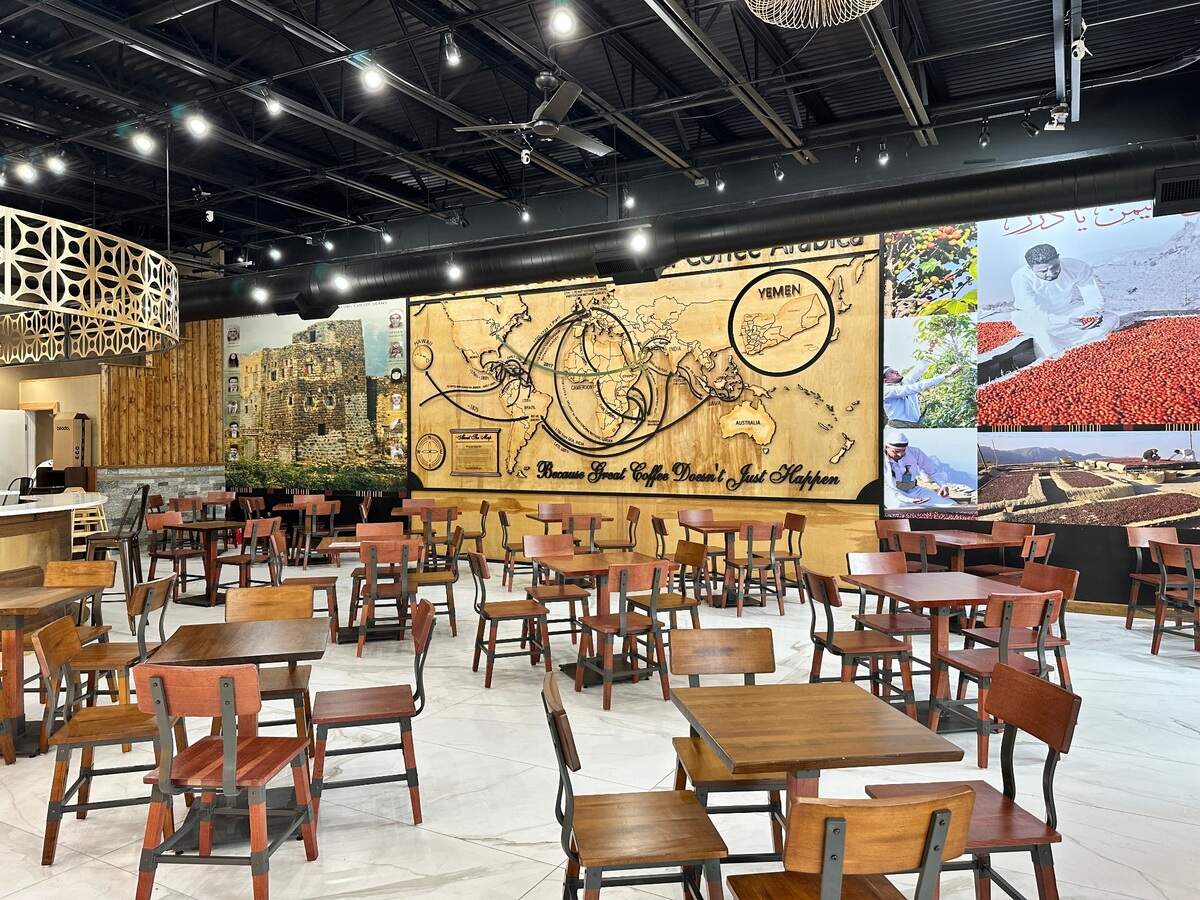
”We want people to really understand what we call the concept of that “third space” where they could spend their time here with friends, family and alone,” he explained.
For Ahmed, Charlotte’s growing population and its booming coffee culture was also a big draw.
“Charlotte is a growing city; It’s growing at a rapid pace,” Ahmed told CharlotteFive. “It’s really a unique hub, specifically with coffee culture. It’s a coffee city, it has many coffee shops that are part of this new wave of coffee with specialty coffee shops. It was a good market for coffee.”
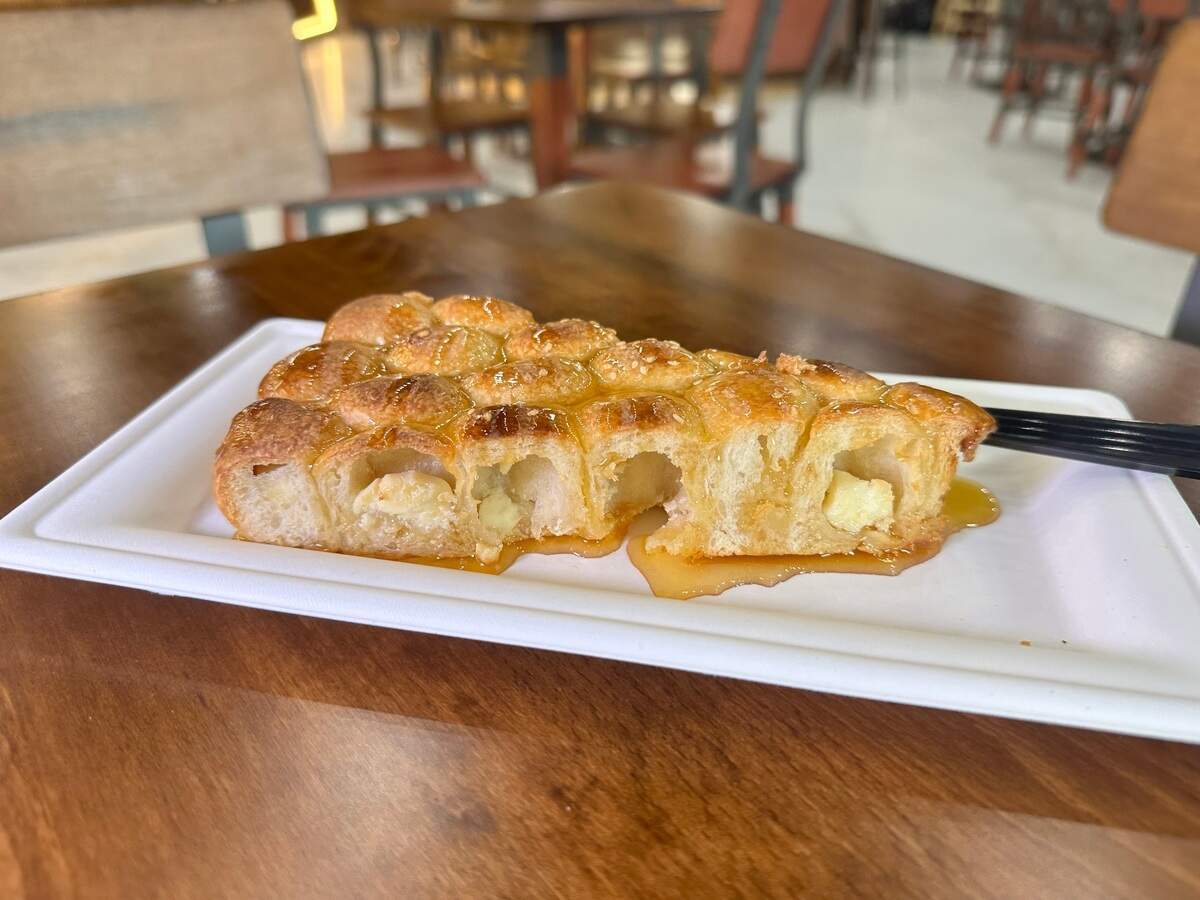
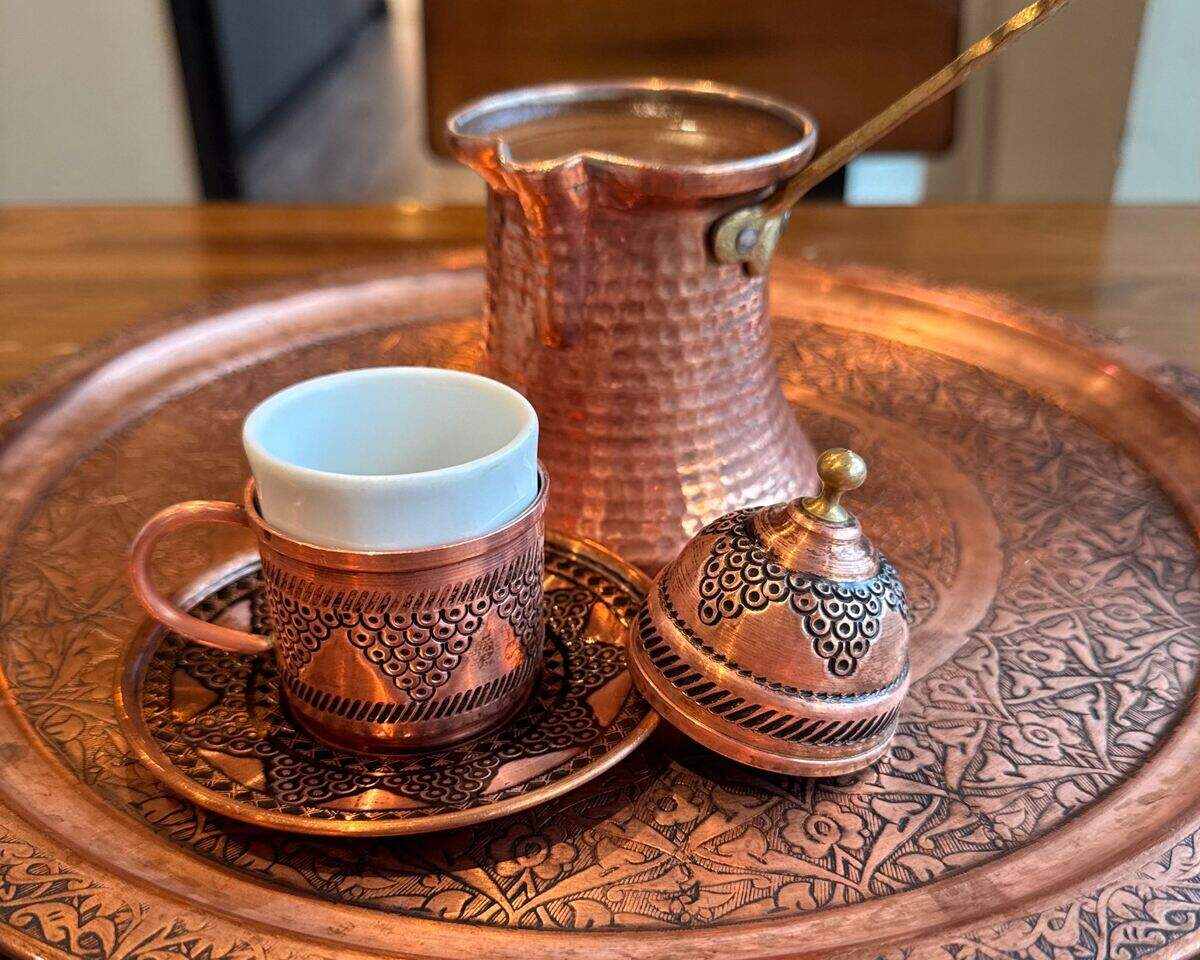
At Qahwah House, the Yemeni coffee is roasted on site. The cafe also offers traditional Turkish coffee, lattes and sweet and savory treats like Khaliat Al Nahl, a Yemeni dessert made from soft, pull apart butter- and cheese-filled rolls topped with honey.
Yemeni coffee
Fruity, earthy and irresistibly aromatic with distinct chocolate notes — when it comes to Yemeni coffee, there’s no need for artificial sweeteners. The natural flavors that have been cultivated for centuries speak for themselves.
“What’s special about Yemeni coffee is that it has an undertone of a chocolatey flavor,” Ahmed of Qahwah House explained. “It’s natural. It’s like a cacao flavor.”
Yemen has been cultivating coffee since the 12th century. While coffee’s exact origin is up for debate — it’s been traced back to both Ethiopia and Yemen — one thing is certain: When you drink Yemeni coffee, it’s like taking a trip back in time and tasting the ancient flavors of the past.
“It’s just history,” Ahmed said. “It’s where the coffee drink originated.”
Yemen is considered the first major supplier of coffee in the world, exporting primarily through its port city of Mocha.
In modern times, the term “mocha” is synonymous with coffee and chocolate, due largely in part to this connection. Go into any coffee shop today and you’re guaranteed to find a mocha option on the menu. Over time, Europeans began adding chocolate to enhance their coffee and referred to it as “mocha,” as well.
“They tried to emulate Yemeni coffee, so they would add chocolate to the drink and called it mocha,” Ahmed said.
Today, Yemen coffee looks (and tastes) much the same as it did 500 years ago, with farmers still utilizing traditional techniques.
“We still sun dry it high up thousands of meters in the mountains,” Ahmed explained.
Due to political unrest, Yemen is no longer the major coffee exporter that it once was. However, its beans are still highly sought after in the coffee world.
“A lot of people have never heard of Yemen, and maybe this will be their first time hearing about Yemen, about our coffee and our history,” Qahwah House owner Abidu said. “We have a very rich history that dates back thousands of years, where coffee originated.”
Differing coffee cultures
Coffee culture in the U.S. can be divided into two categories: the hustle and bustle of early-morning grab-and-go rush, and the sit-and-work-diligently-but-quietly for hours on end approach.
But for places like Haraz and Qahwah House, cafes are a space for gathering.
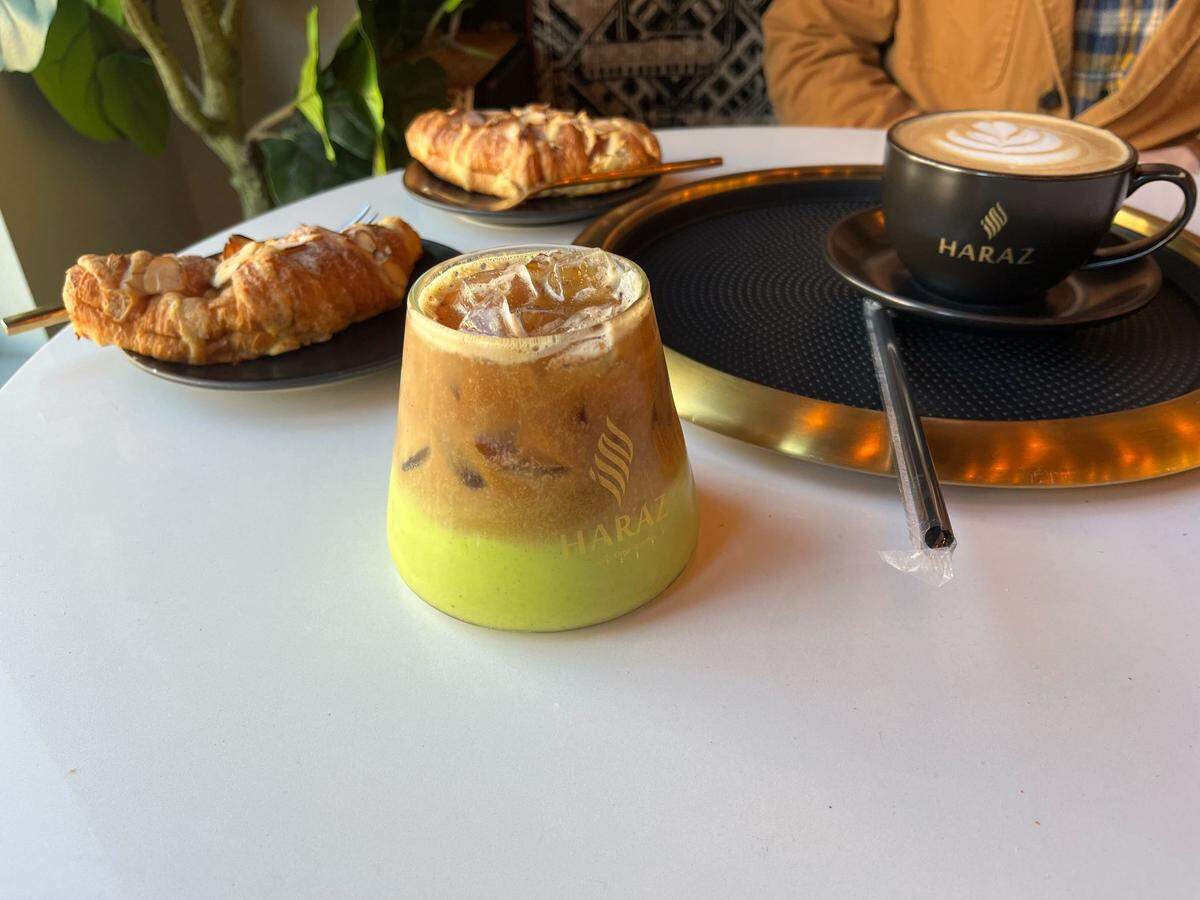
“This is traditionally where we would get together with friends or family, or play some board games or even play some card games,” Saleh explained. “You don’t see many phones out when people are here, so it’s nice that people are interacting with each other.”
For Abidu, Qahwah House will be also be a space to bring people together.
“ We did it just to bring people together here in Charlotte, I felt like it was missing something like that,” Abidu said. “ And we were the ones to bring it, hopefully.”
What to order
If you’ve never had Middle Eastern coffee or tea before, don’t worry. Haraz owner Saleh has a few suggestions.
“ When somebody comes for the first time, I always recommend something traditional,” he explained.
When in doubt, he says to go with the Adeni, a premium black tea made with cream and cardamom. It’s boiled with cream and sugar, so you get that nice little mix, that nice combination,” he explained. “ It brings out a lot of the traditional side of the spices.”
Or try the Harazi Mufawar, an aromatic Yemeni-style coffee that’s also blended with cream and cardamom for a rich, silky texture.
If you enjoy bold, earthy flavors that harken back to ancient times, you won’t be disappointed.
Bayt AlMocha (coming soon)
Location: 715 E 36th St, Charlotte, NC 28205
Instagram: @bayt_almocha
Haraz Coffee House
Location: 1204 Central Ave #100, Charlotte, NC 28204
Instagram: @harazcoffeehouse
Qahwah House
Location: 1318 Pecan Ave., Charlotte, NC 28205
Instagram: @qahwah_house
This story was originally published December 19, 2024 at 5:30 AM.