Like most bread, sourdough is on the rise: Where to get it at Charlotte restaurants
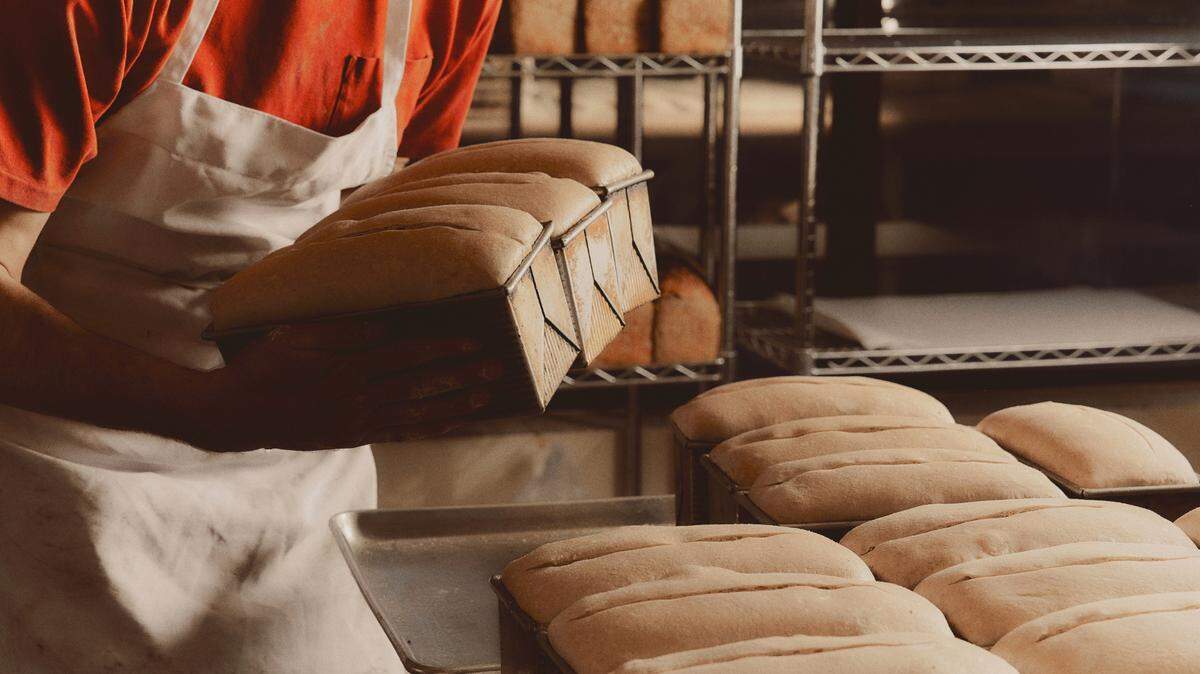
What started as a hobby during the pandemic, has now turned into a full-blown lifestyle for many: homemade bread — more specifically, made-from-scratch sourdough bread.
Its tangy taste and undeniable sour flavor has captivated humans for millennia. Not only is baking sourdough an ancient tradition, but one that spans all corners of the globe, and now Charlotte.
While sourdough has always been in vogue, it’s recently seen a resurgence in popularity. Today, its practice has evolved into a curious community of breadmakers, fueled by fermenty science and a desire to create the perfect starter or “mother dough.”
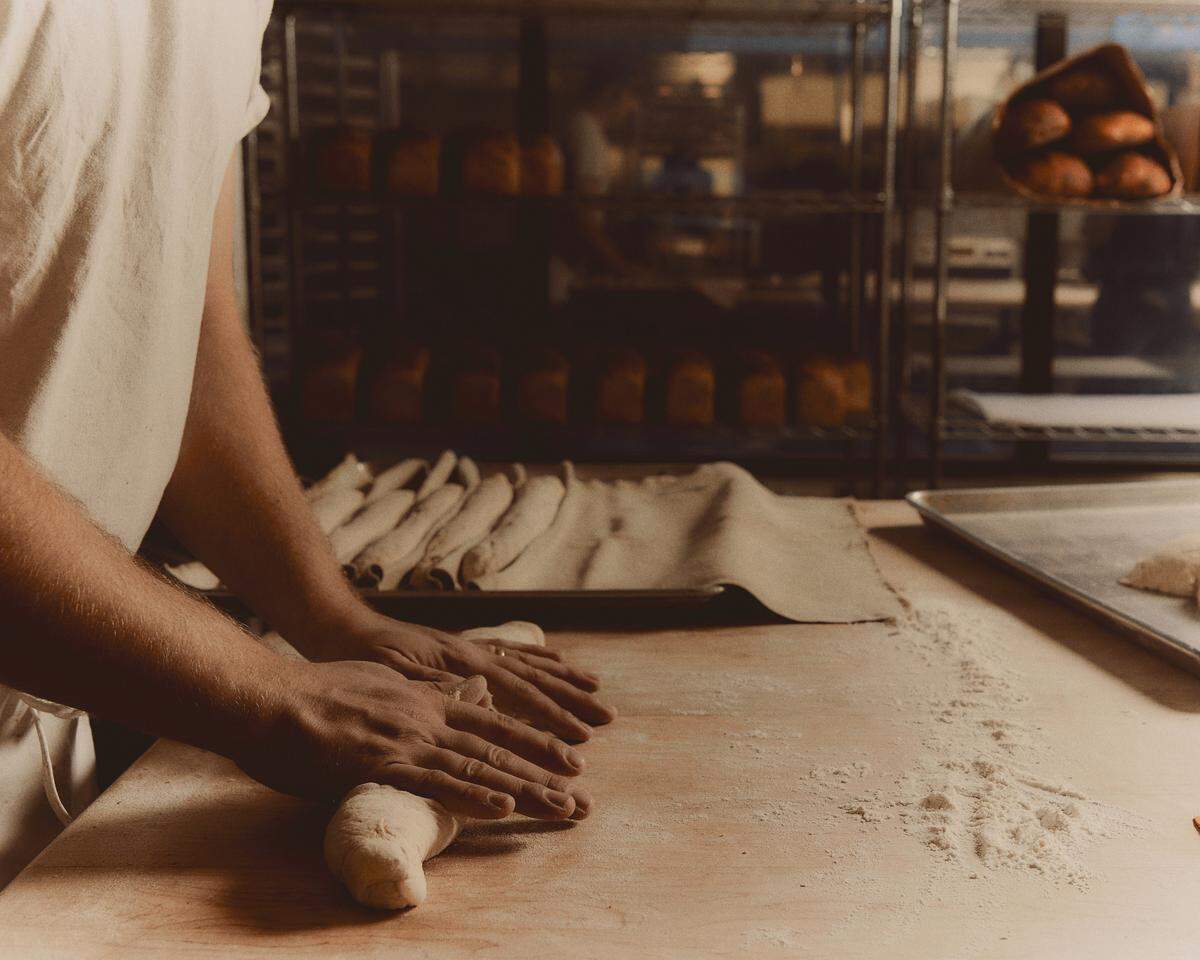
Sourdough, a rising trend
In Charlotte, we’ve seen a recent uptick in sourdough-specific spots and menu items.
Tiny Money reports Milkbread, an all-day cafe, is continually selling out of its sourdough bagels, so much so it’s difficult to keep up with demand. Gravity Pizza, a new pizzeria in Camp North End exclusively uses sourdough for its pies, as does Wheelz Pizza in its pizza, breadsticks and even chocolate chip cookies. And Verdant Bread, a beloved sourdough bakery, continues its tradition of serving rustic breads via its European-style bakery.
“Even though it did kind of spike in popularity beginning with the pandemic, we just get excited about people enjoying the flavor and the texture of sourdough bread,” Verdant Bread co-owner Tanner Fink told CharlotteFive.
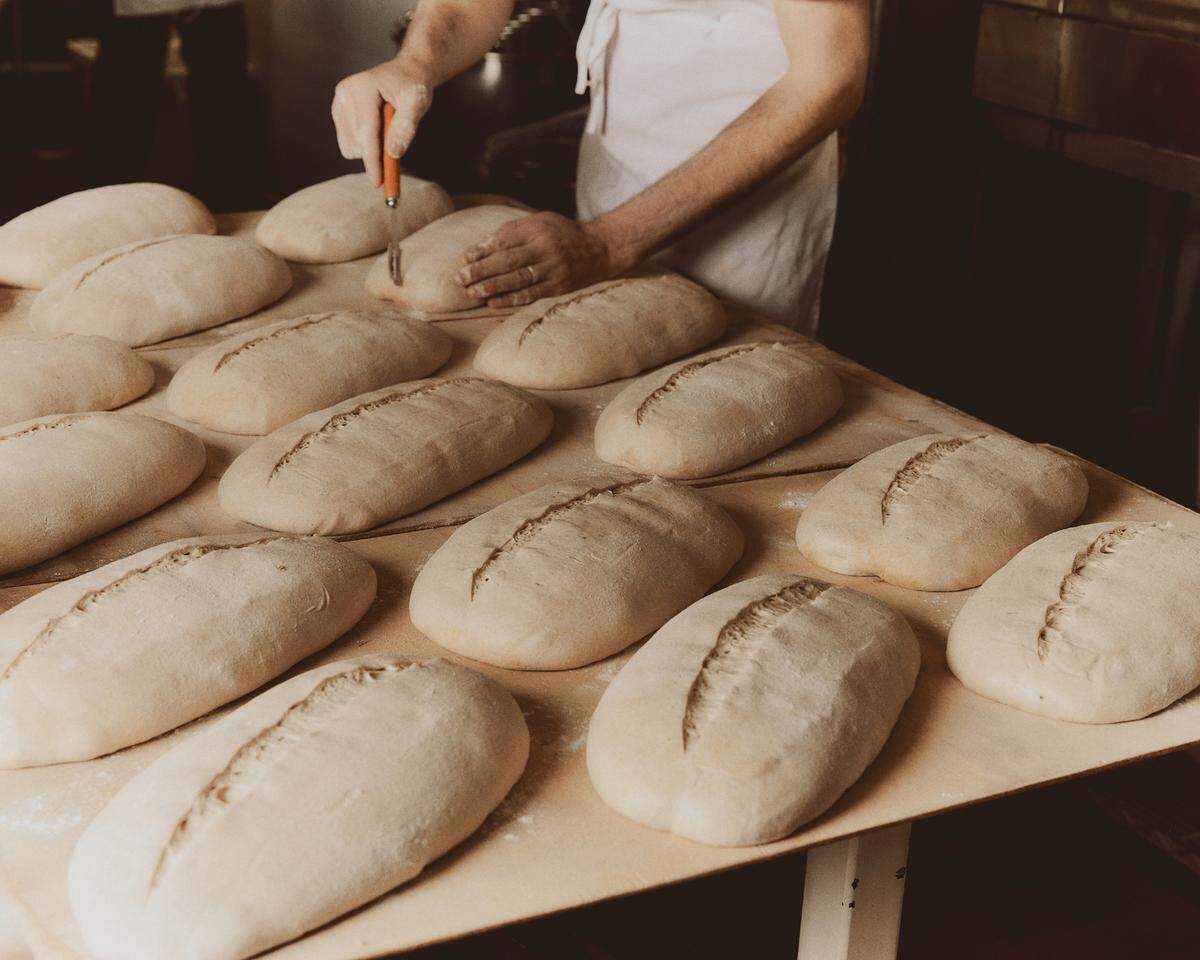
Fink, alongside his friend-turned-business partner, Jaymin McAffrey, began experimenting with sourdough back in 2017 as weekend hobbyists. They began by baking sourdough pizzas, a passion Fink still holds today, and later transitioned to bread.
“We really enjoyed that we were able to get such high quality bread, even from our home ovens,” Fink said.
Perhaps the trend is sustained by a combination of post-pandemic hobbyists, Reddit users and the surviving online TikTok community driving it. Or, maybe it’s the thrill of caring for and baking something that’s alive; Something you have to feed and nurture. Regardless, one thing is certain: Charlotteans love sourdough.
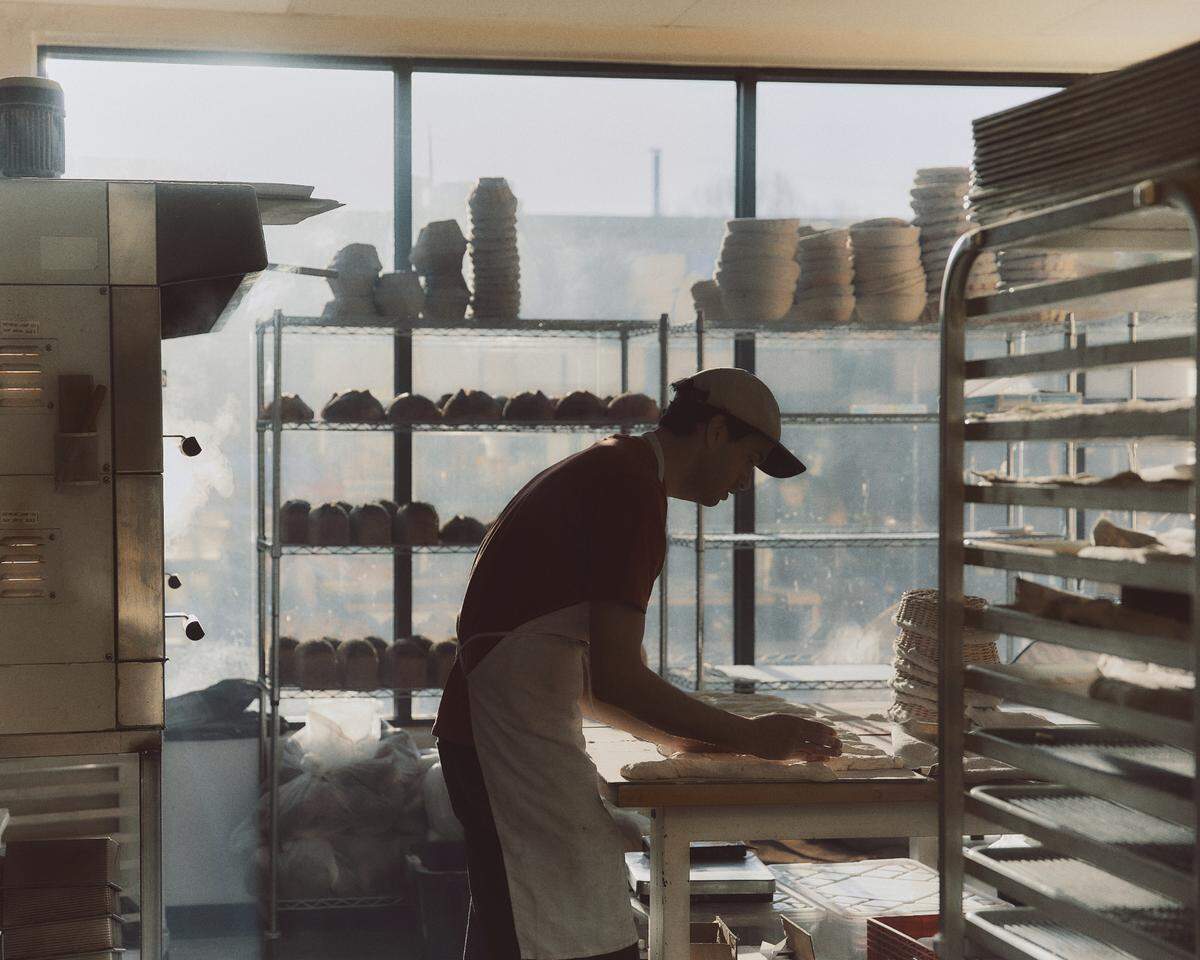
“We definitely didn’t come up with sourdough bread,” Fink said. “We’re not the first people to have done this. We are just jumping on a trend that’s [thousands] of years old.”
A yeasty history
Our ancestors have been baking leavened bread since the dawn of time. Well, “the dawn of time” may be a bit of an exaggeration, but humans have been fermenting bread for at least 5,000 years! It’s safe to say, breadmaking is a tradition that has fed our ancestors for millennia.
Sourdough’s yeasty origins can be traced back to ancient Egypt. Sometime around 2000 B.C., it’s believed to have been discovered — like most good things — by accident when wild yeast spores found their way onto dough that had been left out to rest. A little bit of that dough was saved to reduce waste and then used again the next day, and so on. Thus, the first “mother dough” was born.
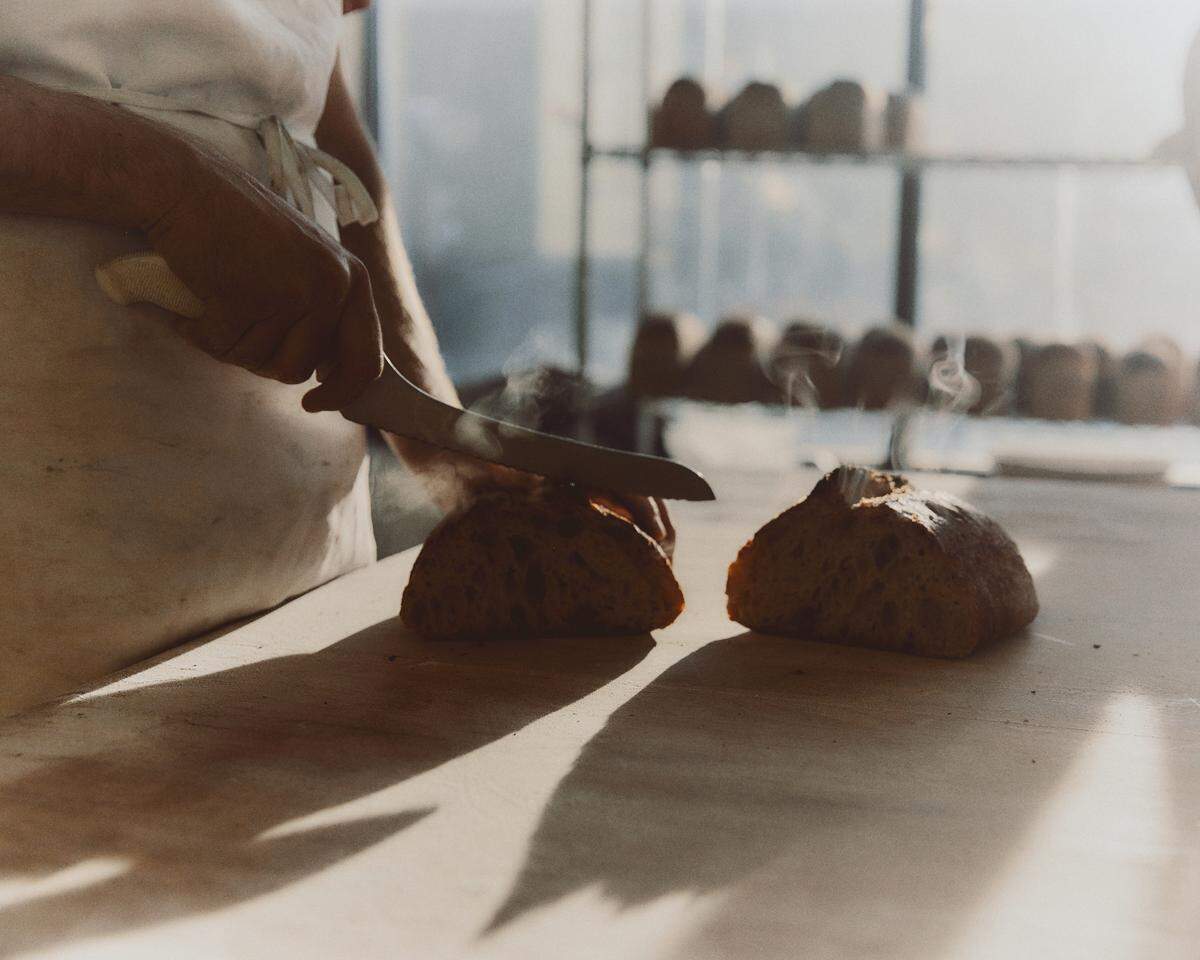
When it came to the fermentation process, the Ancient Egyptians were advanced. Not only did they know how to bake leavened bread, but they were pretty good at brewing beer, too, as evidenced by hieroglyphics, written records and archaeological remains.
But, aside from Egyptians, there’s documentation of leavened bread throughout the ancient world. From Switzerland to Greece, Rome and France, all the way to the continent of Africa (ever had Ethiopian injera flatbread before? Same idea!), humans from across the globe have long been fermenting their bread.
Sourdough gained traction in the western United States in the mid-1800s, when European settlers brought it during the California Gold Rush. It’s believed that the term “sourdough” comes from the miners who would carry the sourdough starters into the mountains, protecting it from the cold with their body heat. To this day, sourdough remains a cultural staple for the people of San Francisco.
Gut health benefits
Crispy, chewy, with a distinct sour tang — sourdough bread, aside from being undeniably delicious, is said to have health benefits as well.
“The other main reason why we decided to do sourdough was because of the digestive health associated with it,” Gravity Pizza co-owner Alex Osterhoudt told CharlotteFive. “Sourdough is just way more easily digestible than normal bread or pizza dough.”
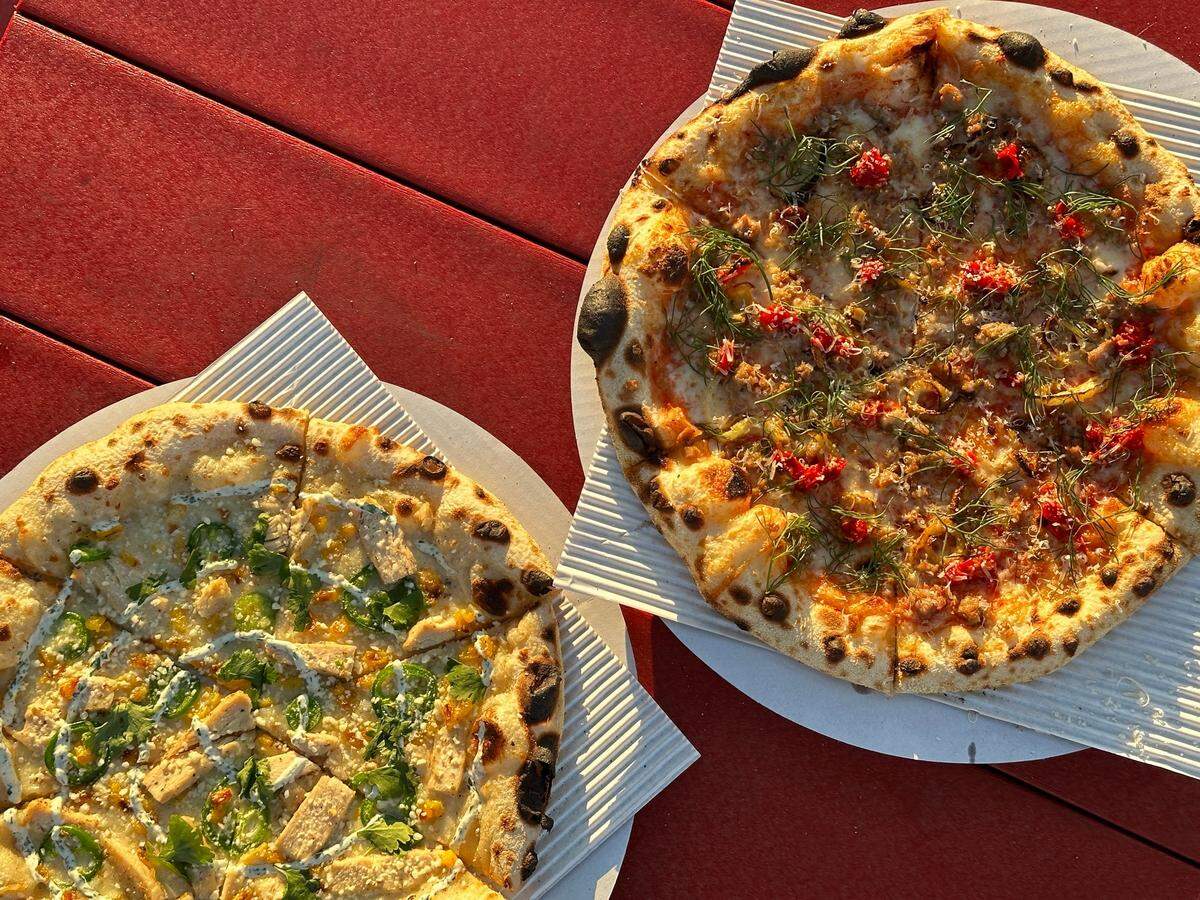
Osterhoudt owns and operates Gravity Pizza alongside his fiance, Amanda Wagner. The couple began experimenting with sourdough at home, starting with baguettes. Wagner eventually decided to try her hand at creating pizza dough. After a few failed, but still edible attempts, the couple created something really delicious.
“There was one night that we were watching a movie out in the backyard,” Osterhoudt said. “We made pizza using the sourdough, and it was the first time that we had made true sourdough pizza. It just blew us away. It was so good.”
.JPG "image_123650291 (1).JPG")
A sourdough starter (a mixture of yeast, water, flour and salt) is the perfect habitat for beneficial bacteria to grow. Depending on your environment, fermentation time and ingredients used, every sourdough starter will develop a unique microbiome complete with lactic acid bacteria and probiotics.
“With sourdough, there’s less man-made ingredients … We’re looking to use ingredients that we feel good about giving our kids and our friends and family,” Fink explained. “So when the ingredients for a loaf of bread are flour, water and salt — it’s so simple and it’s really great for us. We like that.”
Get this: Some sourdough starters used today are hundreds of years old! So, the next time you order sourdough for your sub or grab a slice of pie from Gravity Pizza, you could be breaking bread with your ancestors.

“We use a starter that comes from a company up in New England (King Arthur Baking Company) that started it back in the late 1800s,” Osterhoudt explained.
So, how exactly does sourdough aid in digestion? During the fermentation process, the lactic acid bacteria in the starter produces an enzyme called phytase. Phytase breaks down something called phytic acid, a compound found in grains, making the nutrients, vitamins and minerals more easily absorbable for our bodies. Not only is sourdough easier to digest, it’s more nutritious, too.
“It was really important to me and Amanda that we came up with a product that could be enjoyed without making you feel weighed down,” Osterhoudt said.
Want to bake your own sourdough bread? Start here.
Like the yeast and bacteria that grow in a starter, the sourdough community is alive. Want to bake your own, but are unsure of where to start? Here are a few suggestions:
Get a sourdough starter from Verdant Bread.
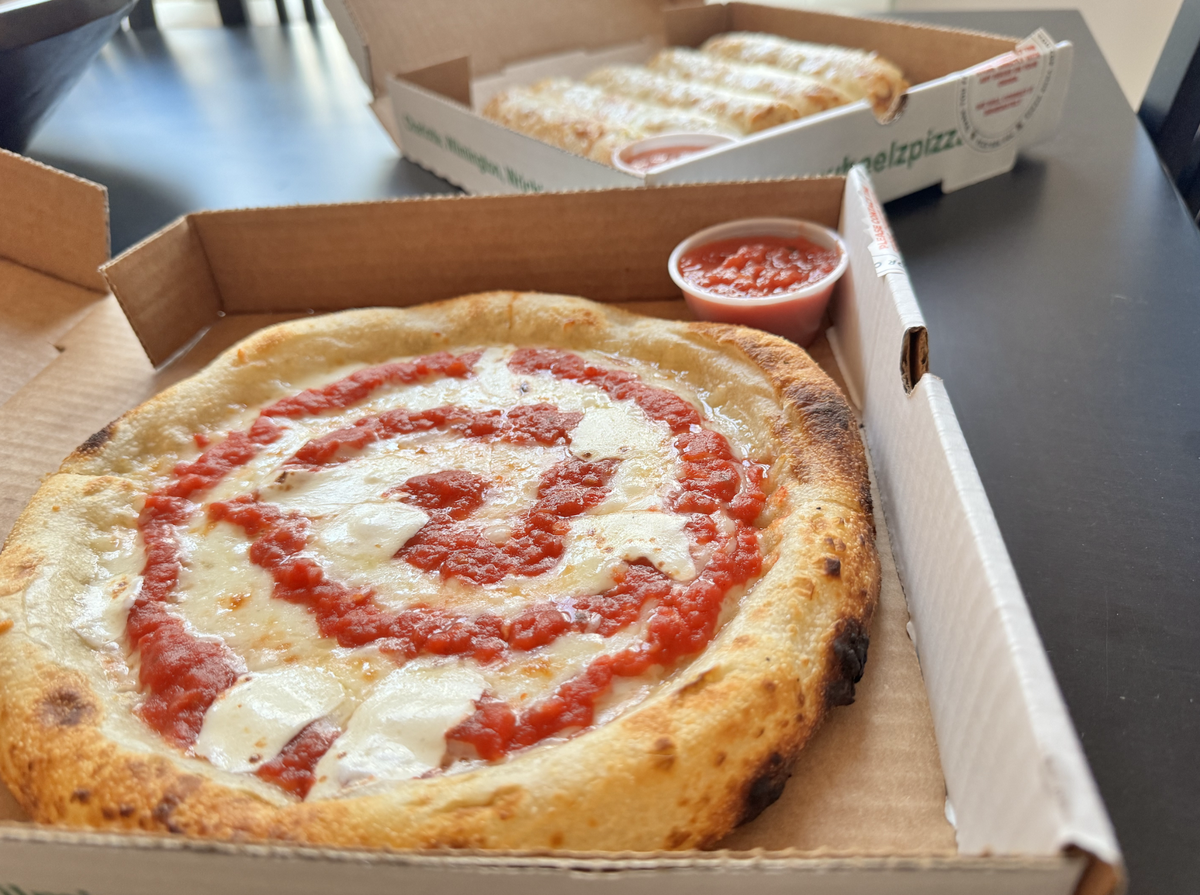
“Whenever people call us like, ‘Hey, can I get some sourdough starter?’ We get excited,” Fink said. “We don’t even charge for a sourdough starter. We just give it away and hope that people come back and tell us how their bake was.”
Fink also suggests reading anything by baker Tara Jenesen, a self-proclaimed sourdough enthusiast.
Find an online community on the sourdough Reddit.
Take a sourdough baking class, like the one offered at The Sweet Spot Studio.
An inside look at Charlotte: The Charlotte Observer takes you behind the scenes of your favorite Charlotte teams, landmarks, businesses and more to show you how it all works. Follow along to see where we’re going next.