Dirty gloves to dripping juices: 5 food safety mistakes Charlotte restaurants make
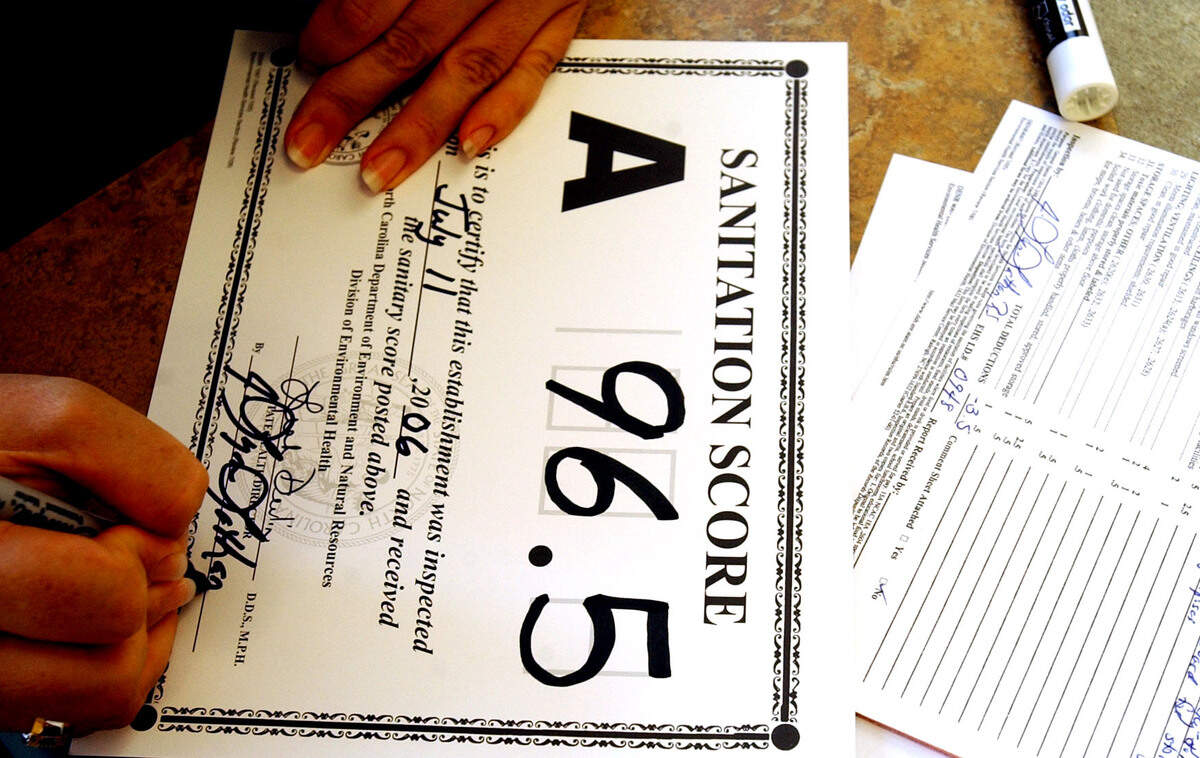
Restaurant inspection scores can seem mysterious. One day a restaurant earns a low score, and a few weeks later it’s back in the 90s.
Adam Dietrich knows why. The Charlotte food safety consultant spends his days helping restaurants identify problems before inspectors do. Through his company, EXPO Food Safety, he reviews inspection reports, creates action plans and trains staff on food safety practices.
After years in restaurant kitchens and nearly two decades teaching culinary arts, Dietrich has seen the same mistakes appear again and again. Here are five of the most common violations he encounters.
1. Little to no handwashing
If Dietrich had to pick the most common food safety issue, handwashing would be near the top of the list.
Restaurant employees are required to wash their hands after using the restroom, handling raw food, touching their face or hair, handling money and other situations where contamination can occur.
“Foodborne illnesses, especially norovirus, are transmitted easily by people to food through unwashed hands,” Dietrich said.
According to the Centers for Disease Control and Prevention, most foodborne illness outbreaks linked to food workers involve germs spreading from employees’ hands.
2. Improper glove use
Many customers assume gloves automatically mean food is being handled safely. Dietrich said that’s not always true.
In fact, he called much of the glove use he sees “performative.”
Problems arise when employees switch tasks without changing gloves or change gloves without washing their hands first. Last year, he watched a server deliver food while wearing gloves, touch multiple surfaces and then return to handling plates without changing them.
The issue isn’t the gloves themselves. It’s treating them as a substitute for proper handwashing.
3. Wrong cold holding temperatures
“The magic number is 41 degrees,” Dietrich said.
Cold foods should be held at 41 degrees or below because harmful bacteria grow much more slowly at those temperatures.
Once food rises above that threshold, bacteria can multiply quickly. If refrigerators aren’t keeping food cold enough, restaurants risk losing points during inspections – or even being temporarily shut down.
“If you can’t keep your food cold, they can shut you down, and they will,” Dietrich said.
4. Improper food storage
Space is a luxury in many restaurant kitchens, which can lead to food being stored wherever it fits.
That’s where problems start.
Raw meat stored above ready-to-eat foods, uncovered containers and leaking juices can all create opportunities for cross contamination. Dietrich said restaurants must be especially careful about where foods are placed and how they’re covered.
“When you start putting things in random places, you open yourself up to juices dripping onto other things,” he said.
5. No food safety training
Many inspection problems trace back to one issue: employees simply don’t know the rules.
North Carolina requires food workers to receive training on hygiene, allergen awareness and other food safety topics, and many operations must have a certified food protection manager on duty.
Dietrich said restaurants often lose points because employees haven’t been properly trained on basic procedures.
“Food safety training is one of the most important investments a restaurant can make,” he said.
More common violations
Beyond handwashing and glove misuse, Dietrich frequently sees restaurants cited for employees touching their faces during food prep, blocked handwashing sinks and other small mistakes that can quickly add up during an inspection.
His advice is simple: don’t treat inspection points as something you can afford to lose.
“If you know you’re a fairly limited operation, you might think you don’t need to invest in food safety training because you’re doing a great job,” Dietrich said. “You might just take the point deductions during an inspection.”
That’s a risky mindset, he added, because food safety isn’t just about scores. It’s about protecting customers.