
This single mother and attorney must balance her Charlotte law firm, remote learning
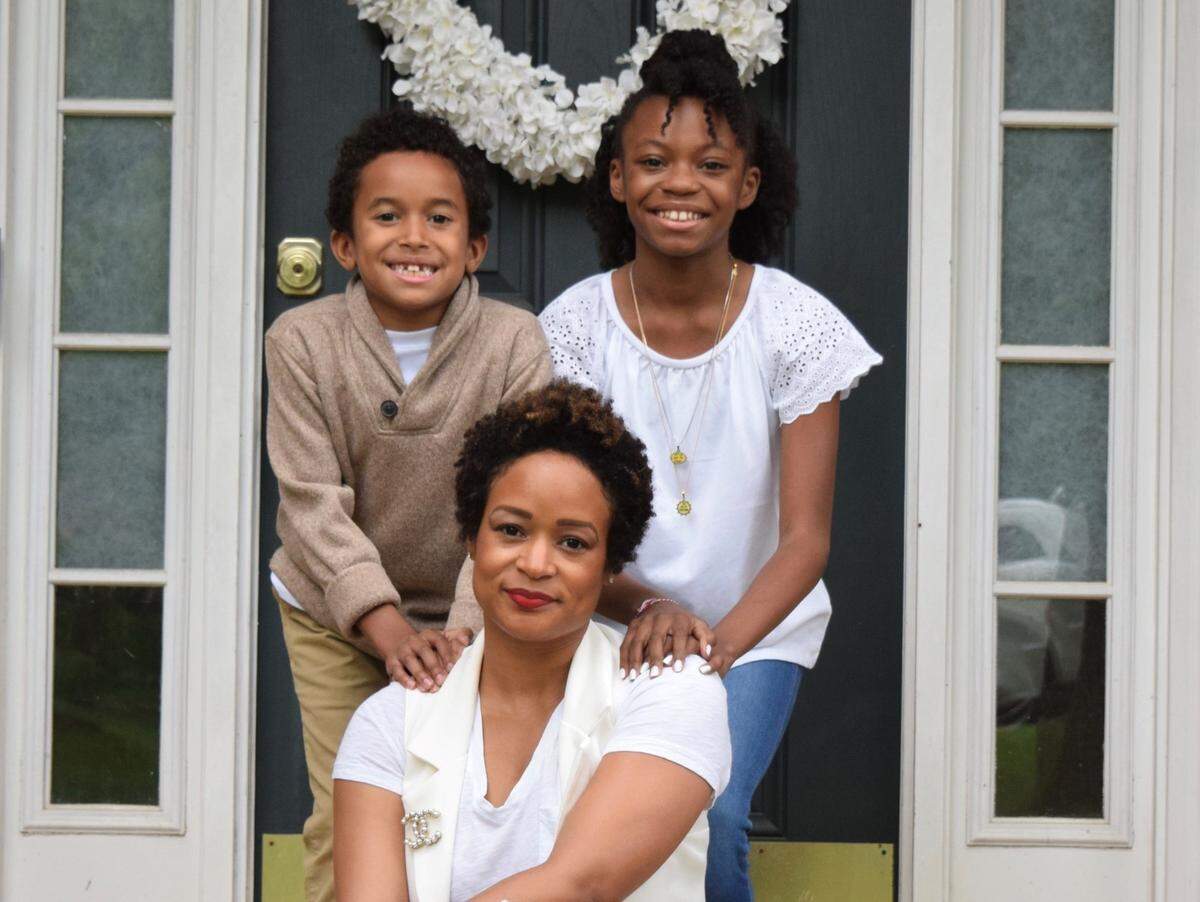
.jpg "Rhonda Patterson is juggling the management of her law firm with the education and entertainment of her two children.")
Rhonda Patterson, a family law attorney known as the Queen of Custody (a name coined by her late mentor, Billie Ellerbe), is a single mother of two children, London, a sixth-grader, and Drew, a third-grader. While she and her children have had the good fortune of maintaining their health during the pandemic, COVID-19 drastically changed their day-to-day lives.
For the upcoming school year, Patterson’s children will be attending a small charter school and beginning the year virtually. Despite the teachers’ best efforts last year, virtual learning was what Patterson referred to as “crisis mode.”
“We were all scared and trying to survive. My focus was on stabilizing their fear, keeping them healthy and ensuring as minimal learning loss as possible — while also worrying about how closures would impact our finances,” Patterson said. “I set very low expectations for myself and my children to get us through that period.
“Now, we as a family, and our school, are better equipped. I’m hoping to approach this upcoming school year with a little more structure and expectation towards continued learning, while still allowing plenty of grace for all of us, and their school, as we continue to navigate uncharted territory.”
Mom. Attorney. Business owner. Teacher.
While virtual schooling offers the safety of less exposure to the virus, it’s a double-edged sword.
“I have been concerned about socialization for my children. I’ve been intentional about connecting them with their cousins and other children their age via FaceTime and Zoom,” Patterson said.
Patterson’s most pressing concern is balancing her work commitments with the support her children will need for remote learning.
Balancing work with children in virtual schooling is no small feat. Patterson owns her own law firm, The Patterson Law Office, and is at the mercy of the district court calendars. Patterson normally wakes up at 6 a.m. to knock out a few hours of interrupted work while her children are still asleep. However, there are other days where she is required to physically be in court or on a virtual call where she can’t be interrupted.
“Because of the flexibility I have most days, I will be able to make a return to school decision based on their health and not based on my work,” Patterson said. “I’m grateful for that and recognize that not everyone has such flexibility.”
“I’ve stayed busy playing that game where you try to draft pleadings and answer work emails while being interrupted every 15 minutes. The kids are required to read daily, make progress through grade level workbooks and assist with chores at home. With the lines between work and home blurred, I’ve had to be thoughtful about building in play time with them. We’ve almost made it to the end of Netflix, tried (and failed) at gardening and spent countless hours swimming and FaceTiming with our family, friends and church family,” Patterson said.
Concern for child well-being
Before COVID-19 hit in March, Patterson and her children were a busy family, beginning their days at 6 a.m. and sometimes not arriving home until after 8 p.m. Patterson expertly juggled a full-time law practice, board commitments, dance class, basketball practice, track meets and church obligations in addition to being a single mother. Once the North Carolina government announced its stay-at-home order due to the coronavirus, court closed and school went virtual, putting a halt to all in-person activities.
“What began as a nice break from the chaos of life turned into chaos at home,” Patterson said. “I had to develop healthier routines and expectations to get us through this period. Every day is so different and no day is perfect, but we consistently prioritize finding joy even in the rough patches. We are learning to balance tons of fun family time with the space all of us need to be our best selves.”
And while Patterson is able to keep a close eye on her children while at home, she’s concerned about the news they’re exposed to.
“I never want to normalize a death count or thousands of lives lost per day as something we get used to. While I believe in keeping them informed, I’ve often had to turn off the news. While it can be pleasant to look forward to a brighter day, I’ve tried to instill in them the need to find joy and purpose in today. Tomorrow’s not promised.”
Patterson believes that COVID-19 has been a reminder that we previously only ever had the illusion of control in our lives. In a moment, everything can change.
“This pandemic has taught me — and I hope I’ve taught my children — to learn to go with the flow a bit more. It’s forced us to focus on the simple things, to enjoy nature and laughs around the dinner table, Patterson said. “It’s given us the opportunity to spend time evaluating how we fit in to the world around us — how we can be of service to our neighbors who maybe haven’t fared as well during this pandemic and who are experiencing the double pain of living through this pandemic while being marginalized because of their color or economic status. Put simply, it’s given us an opportunity to stop, streamline our lives and serve others.”
CharlotteFive talked to families in Charlotte-area schools navigating the pandemic to understand how the virus has changed their school decisions, their routines and their households. This article is part of that series.
This story was originally published August 16, 2020 at 8:37 AM.