This Charlotte chef got sober and left the restaurant world. Then COVID-19 arrived.
When you think of individuals working on the “front lines” of the COVID-19 pandemic, who comes to mind?
Doctors. Nurses. Grocery store employees. Sanitation workers. First responders.
What about those working on the front lines of substance abuse recovery?
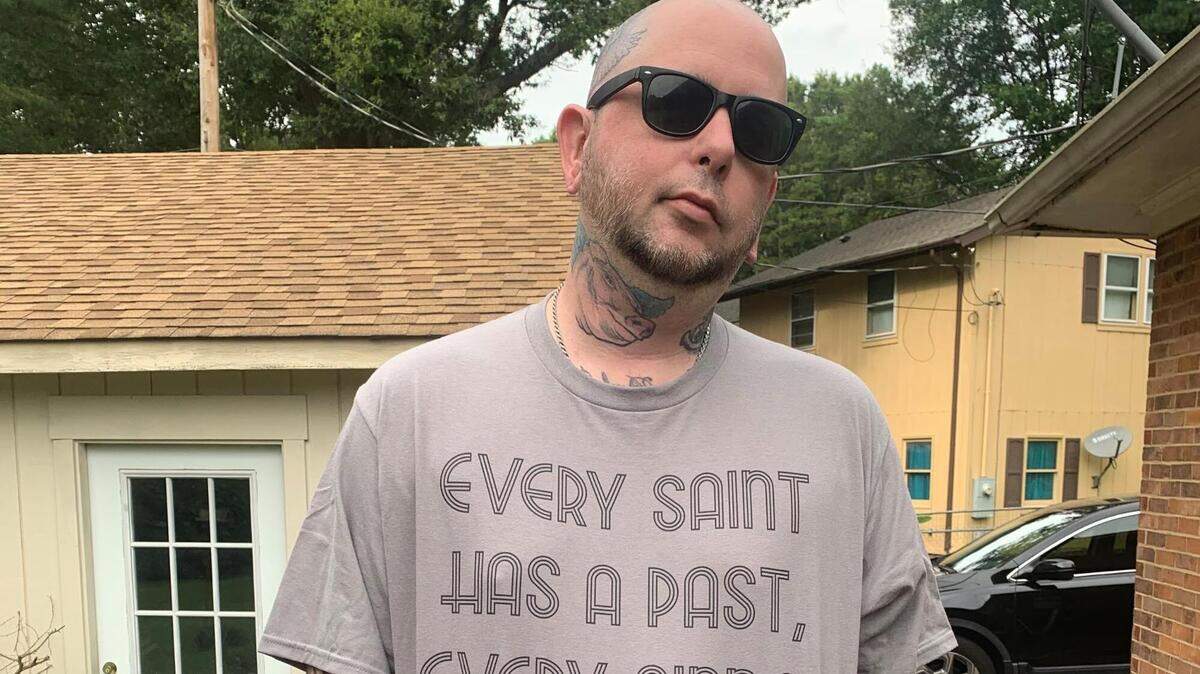
Healthcare workers represent about 20% of essential workers on the front lines, yet these healthcare workers are more than just doctors and nurses. They’re also people like Donnie Simmons, a Charlotte resident who, up until recently, worked on the front lines of the pandemic as the director of food at a nonprofit dedicated to helping recovering addicts. Simmons has been recognized across Charlotte for his culinary expertise, from his appearances on Food Network to being named Best Chef in Charlotte by Creative Loafing in both 2015 and 2016.
Simmons, 42, is a chef and in recovery for substance use disorders. He’s been sober 128 months — over 10 years. He worked in restaurants throughout Charlotte and the Monroe area, then decided he wanted to step away from the business and instead focus his time on people in recovery.
“There was such a need for recovery and people in recovery. I had so many people that would come to me and say, ‘Hey, you know what, we need a place where we can talk to someone. We need a place where we have the support system that you know that we don’t have in our industry.’”
This led Simmons to a role in a charitable organization dedicated to fighting hunger and serving those in need. Simmons took over the culinary department at the nonprofit for the past two years.
“I wanted to give back to people in our industry because I think people in our industry are very overwhelmed with drugs and alcohol. So I wanted a different kind of outlet.”
COVID-19 disruptions have made it especially difficult for people recovering from substance use disorders, who were already facing difficult circumstances. Those recovering from substance abuse may find it more difficult to maintain sobriety with their routine uprooted, and many are relapsing during COVID-19.
From cooking in restaurants to cooking for those in need
Simmons started working in restaurants as a teenager, where he worked his way from a dishwasher to a prep cook to line cook and eventually executive chef at notable Charlotte restaurants.
Simmons was able to get clean during his time in the restaurant industry — but that experience isn’t all that common. Almost 12% of food service workers reported binge drinking over a month, almost 20% reported using illicit drugs over a month and 17% reported having been diagnosed with a substance abuse disorder, according to a 2012 study conducted by the Substance Abuse and Mental Health Services Administration.
Substance abuse in the industry is attributed to its high-stress environment, irregular work schedules and late-night shifts, work culture (such as end-of-shift drinks) and peer pressure from coworkers.
“I know how it is — people go into work, and after their shift, they have a drink, and that leads to all night drinking and drugs,” Simmons said. “I’m not saying things that haven’t been heard. It’s common knowledge.”
Simmons’ substance abuse didn’t start during his time in restaurants, but it exacerbated the issue until he got clean.
“When I was in the restaurant industry, I was working late hours, staying up late and having to get up early in the morning. The work doubles. I just tore up my body at a young age,” Simmons said.
However, Simmons loved to cook and wanted to continue to work in restaurants.
‘You’re never going to find anybody sober to work for’
“Once I became sober, I still wanted to be in the industry. I still wanted to be a chef, I still wanted to be in the hospitality industry,” he said. “So I had to surround myself with sober individuals, or at least people that wanted to be sober, so it would give me the fuel to my fire.”
“There were restaurant owners that would come to me and say, ‘You’re never going to find anybody sober to work for, everybody drinks, everybody smokes pot. You’re not going to find these people that you’re looking for. You’re one of a million, you’re not going to find a team,’” Simmons said. “It was just heartbreaking for me, and I think that’s what fueled my fire. ‘I can find this, there are people out there like me.’”
.jpeg "image1 (17).jpeg")
Simmons tried to simultaneously work and help those in need. In one former role, he created a charity that fed the homeless or people in recovery with food that was left over at the end of the night. Customers could buy a to-go box or could donate money that would feed the homeless in lieu of a tip. But eventually, Simmons realized it was time for a change.
“I talked to my wife and she said, ‘You know what, it’s just too much in this industry. You need to walk away from it, or you need to do something on your own, just doing nothing but helping people.’”
So Simmons started working in a men’s rehabilitation center, helping locals get back on their feet.
“You know, seeing where recovery is, coming from a recovering addict — if you go to a rehab facility or if you go to a facility to get any sort of help, you go through a 30-day, 90-day, 180-day program. But the follow up afterward? From what I’ve been exposed to, is that there’s not much help for people. There’s not much help that they will say, ‘Hey, you know you can get a job in a clean and sober environment. You can get a job doing whatever.’ You just can’t,” Simmons said.
“I think the rewarding part for me was helping these guys get a Servsafe. Helping these guys learn sanitation and then introducing them to the right people that were going to hold them accountable in terms of drug testing and things of that nature,” Simmons said. “It was very special to know that I could really be that influential in someone’s life.”
“You know, substance abuse is kind of like one of those ‘sweep under the rug’ things,” Simmons said. “And I think the more we bring it to the forefront, the more than we can help. If you look at the news of the articles people write, people talk about it, but really don’t follow through with it. Let’s not just talk about it. Let’s help these people, not for just pure capital gain, but to really be helping someone.”
Coming tomorrow: ‘We’re just as important as anybody.’ What was it like for Simmons working on the front lines of the COVID-19 pandemic?
This story was originally published September 22, 2020 at 12:29 PM.