‘We’re just as important as anybody’ — Charlotte recovery worker on the front lines
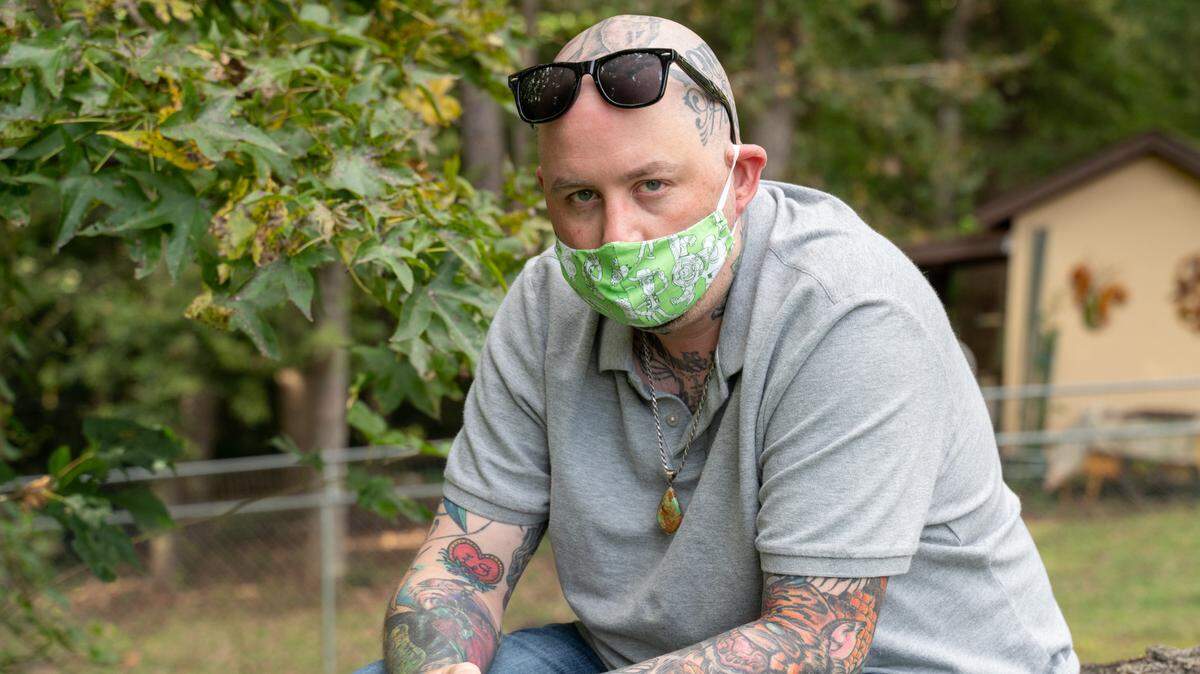
While much of Charlotte was quarantining at home during COVID-19, Chef Donnie Simmons was preparing food for a nonprofit dedicated to helping others recover from addiction.
As someone sober for 10 years, he’s dedicated his time to helping others seeking to get clean. But capacity restrictions at the live-in facility during the pandemic put limits on that help.
“It was heartbreaking because I was close to the other people in the building and the intake gentleman would always say, ‘Hey man, if we open the doors right now I could have 20 more people in here. I can have 12 people in here today. I can add 20 people.’ We tried to keep as safe as possible, so we weren’t allowing people to come in or out.”
“On one hand, it was horrible,” Simmons said. “But on the other hand, they kept people safe inside.”
Simmons describes the environment inside the facility where men in recovery were living as “antsy.” During this time, communication was key.
“As long as they were able to ask questions and get the medicine they needed, and as long as we were there to answer their questions, then they were OK,” Simmons said. “But they were still antsy because, you know, you’re looking outside every day, but you can’t leave.”
The ‘front lines’ are more than just doctors, nurses and restaurant employees
During the initial COVID-19 shutdown, a Charlotte pastry shop was giving away free treats for frontline workers. Simmons went in to grab a box for the staff in the recovery center, but then the woman at the counter relayed the total.
“I told her I worked in the healthcare industry,’ and she asked where, and I told her I work in a rehab facility, and she said that’ll be $7,” Simmons said of the encounter.
He paid the $7 and brought the treats back to the facility.
“I would like to say that I don’t mean to take this away from anybody else, but I would read about people working in the hospitals, people on the front lines. But nobody ever really talked about people working in the recovery field. I don’t understand why,” Simmons said. “We’re just as important as anybody else. I felt like it was just swept under the rug again.”
In the meantime, doctors, nurses, restaurant employees, nursing home and grocery store clerks were all being lifted up as heroes. Simmons wondered if perhaps his job hadn’t been talked about because recovery was something people just don’t discuss.
“We don’t want to have kudos for it, but you know, let’s talk about how we can help people in recovery through this terrible time. They’re having a hard enough time with their mental health as it is. Then you lock somebody in this room and they can’t go anywhere, and then all of a sudden you have to wear a mask. Do this. Do that. It really messes them up in the head,” he said.
Many may have a misunderstanding of recovery work, Simmons said.
“It’s not an easy fix with recovery. The fix is to put the time and effort into someone that’s willing to go the extra mile for these people,” Simmons said. “A lot of people don’t understand it as a disease,” he said. “They think it’s a choice, and it’s not a choice.”
He believes that if the community were to focus more on sharing recovery efforts, it would help those in need.
“A lot of companies, a lot of apartment complexes see somebody that has a heroin charge on their record or see that they had crack cocaine on their record for a DWI. They don’t want to let them work there or live inside their apartment building. How can we get through this together?” Simmons said. “I’ll have 100 people call me and talk about it, but nobody wants to do anything about it.”
Transitioning to a COVID-centric workplace
Each day at the nonprofit, staff would get an update on COVID-19 cases and related news. When Simmons arrived at work, he’d have to enter one way, get his temperature taken, and sign a piece of paper saying what time he arrived and what time he departed. He was also subject to temperature checks throughout the day.
Every 30 minutes, Simmons stopped to sanitize the entire kitchen. Individuals who were the last to arrive before the spring’s lockdown had to sit at tables away from everyone else and would sleep in quarantine rooms for the first 14 days.
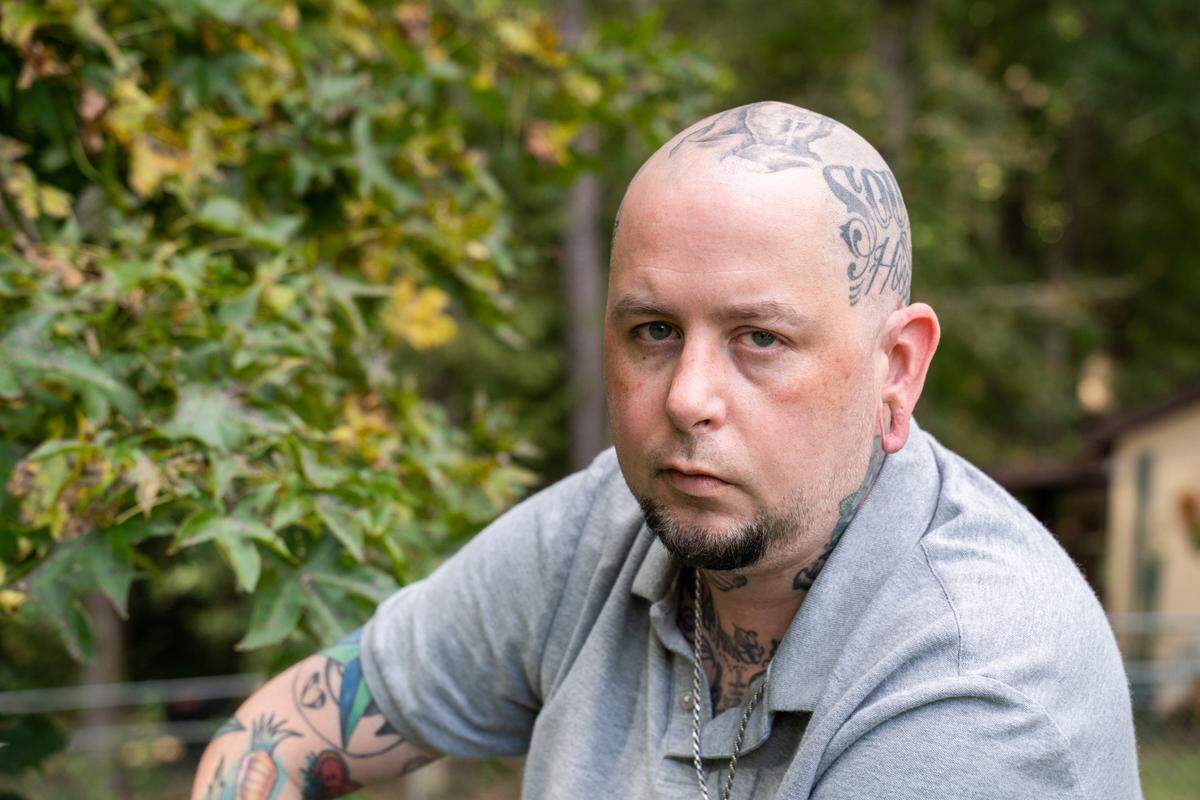
As the director of food, Simmons also interacted with vendors who delivered items to the facility. Anyone who came through the door would need to have on a mask and gloves. Upon arrival, Simmons took their temperature and recorded information like the company, name, cell phone number, date and time, which were then filed in a separate folder.
Simmons was also required to wear a mask — in a hot kitchen. “It wasn’t the most comfortable, I can tell you that,” he said.
For Simmons, the hardest part of being on the front line during the pandemic was the fear of the unknown.
“You know, you can tell me one thing and then the TV is going to tell you another thing and social media is going to tell you another thing. I mean, you don’t know who the hell to believe,” he said.
And while there’s a ton of talk of the best ways to dispel COVID-19, Simmons does what he believes is best.
“I am doing the right thing. I am doing what I am supposed to do because it’s not only protecting me, it’s protecting other people.”
Coming tomorrow: After caring for people recovering from addiction, would COVID-19 force him to leave?
This story was originally published September 23, 2020 at 8:58 PM.