We know him as a favorite chef, but then every day he goes home to fight for his life
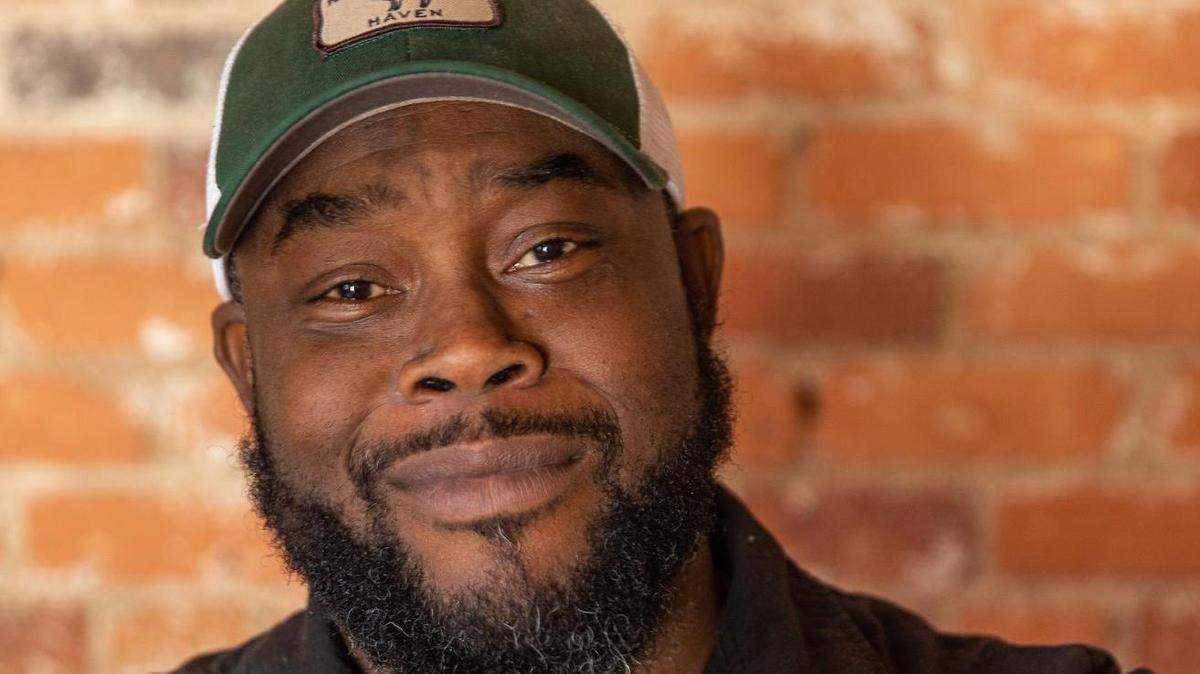
It’s dinner time on a Friday evening, and chef Michael Bowling’s energy vibrates as he moves throughout the industrial-like space. Dressed in black and wearing a mask that hides half of his face and the majority of his beard, Bowling makes his rounds, engaging in conversation with customers, delivering orders to tables and exchanging pleasantries with co-workers.
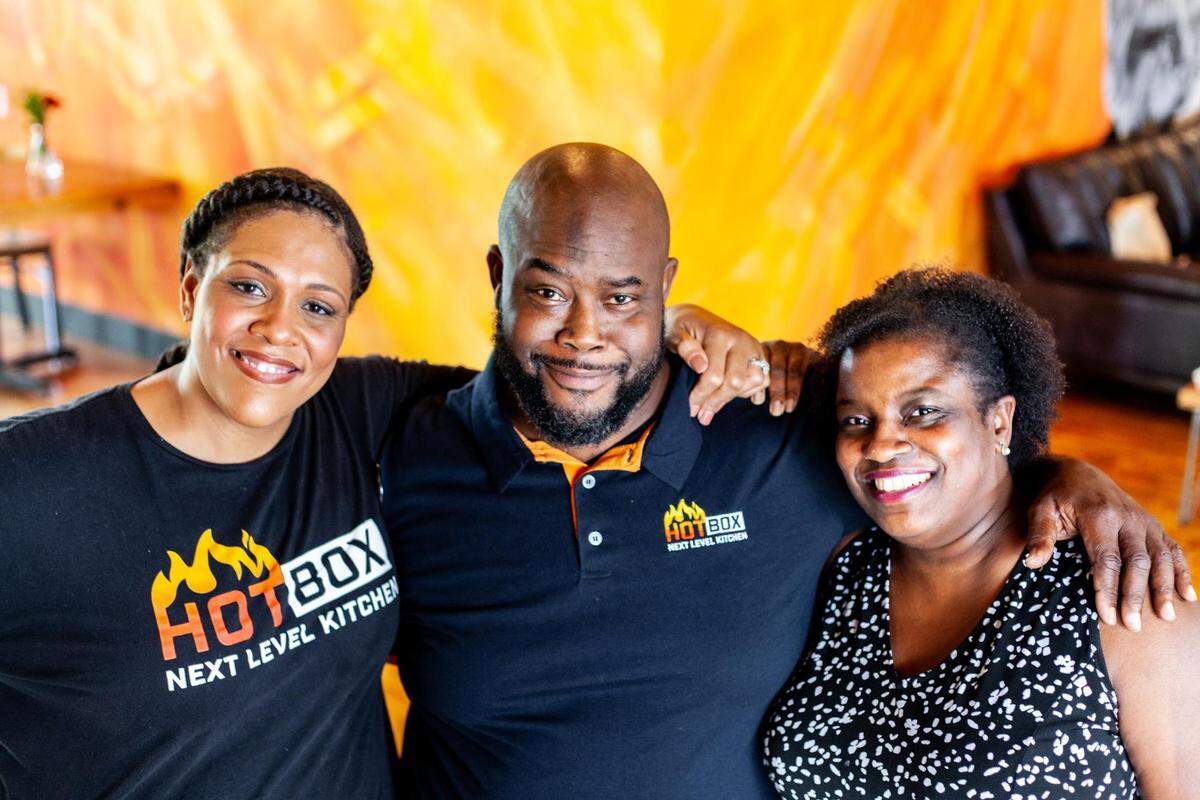
It’s still early — by industry standards — so, the music hasn’t started playing in the cozy kitchen. Four people move around preparing for the pinnacle of the week. There’ll be five people in close quarters before the night ends, but when there’s a team of people who work well together, space isn’t an issue.
“I love Friday nights, when the restaurant is getting busy and everyone has this evil look on their faces,” Bowling said. “We are putting the food out, not yelling at each other. It’s like doing the dance, staying out of everyone’s way, but we’re all getting the job done.”`
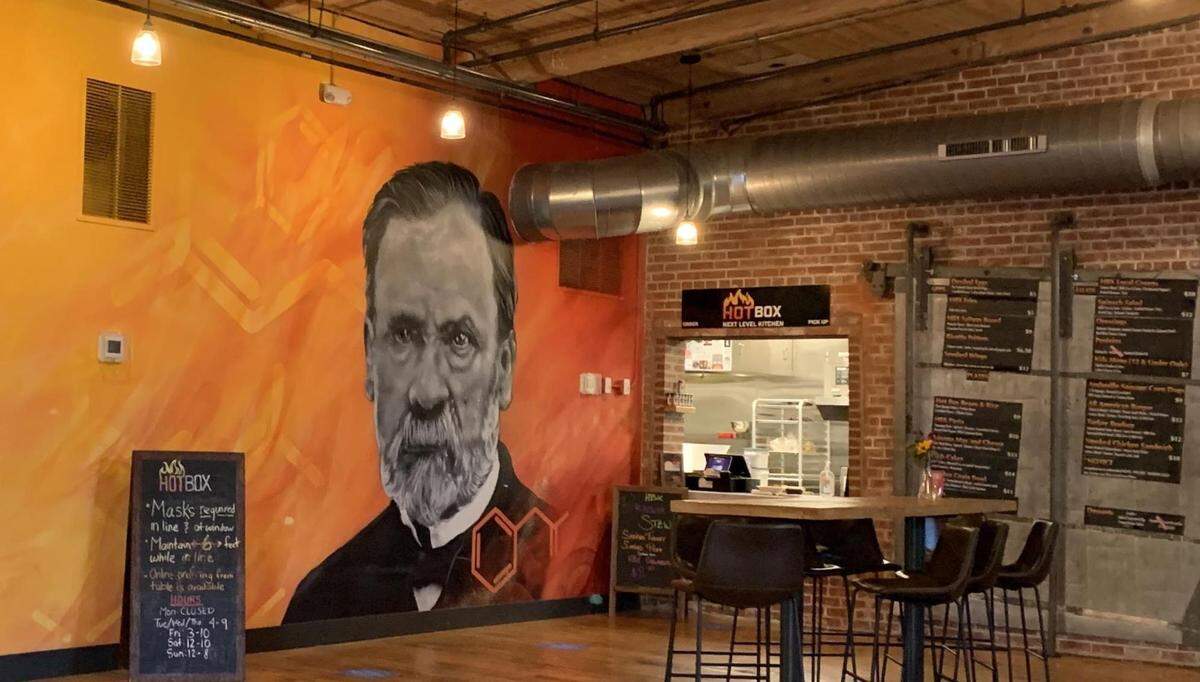
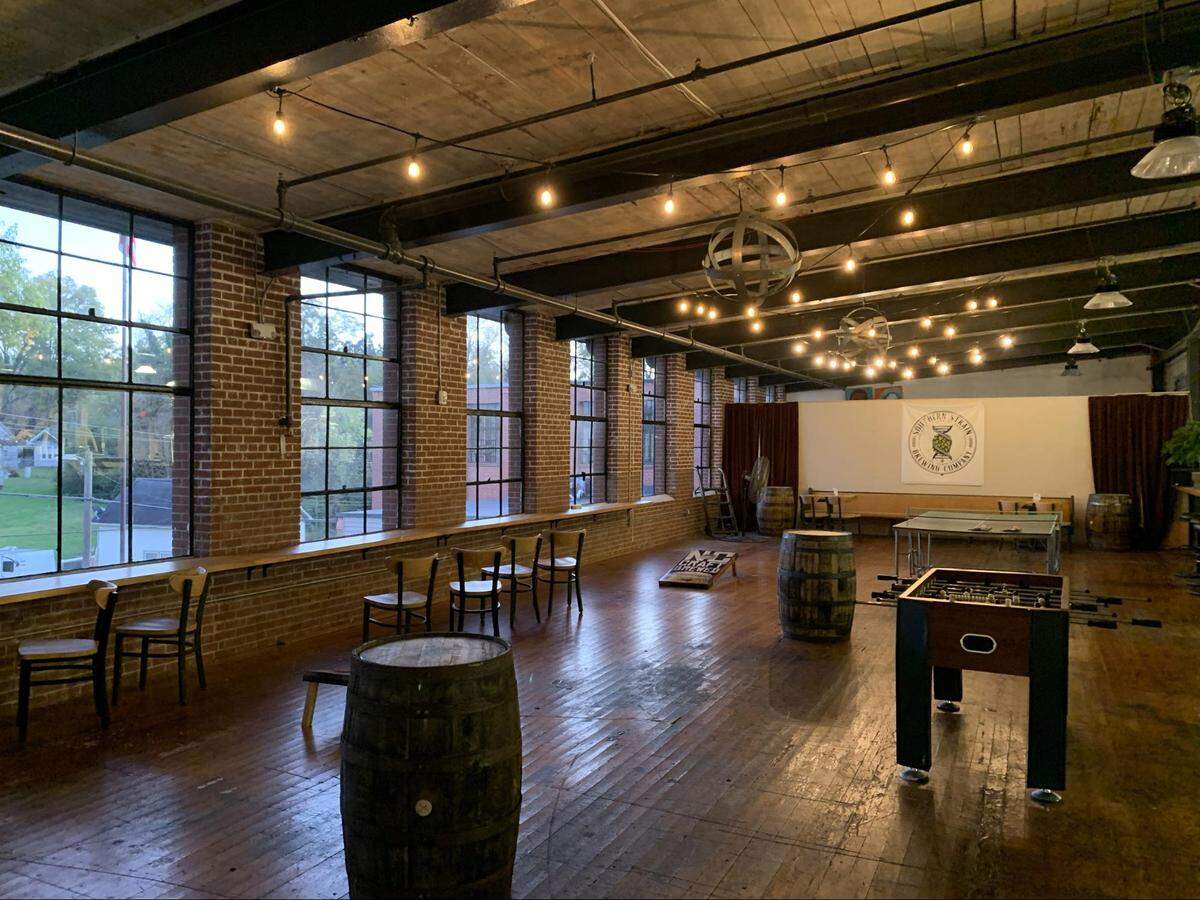
Bowling’s Hot Box Next Level Kitchen is tucked tightly inside a shared space with Southern Strain Brewing Company. An oversized image of the “father of fermentation,” Louis Pasteur, fills the wall adjacent to the restaurant’s counter, sending warm vibes throughout with its hues of yellow, orange and red. Natural tones permeate the space, adding a rustic feel to exposed brick and ducts.
Customers sit at the bar, some using huge barrels as tables and others lounging on the dark leather couch, watching a football game on one of the flat screen televisions. The environment is reminiscent of home.
“People love it here because we make them feel comfortable,” Bowling said.
A struggle to stay healthy
While fostering community and relationships are his favorite aspects of being a chef and a business owner, Bowling’s greatest priority is remaining healthy while doing what he loves. At some point he has to head home, earlier than he’d like, to start the four-hour process of treating his kidney disease.
For three hours, he’ll be confined to a chair. The other hour will be spent setting up and breaking down following the process. Tonight, he will prime the machine by running saline through it. He’ll make sure there’s no air in the lines. Then, he’ll gather needles and alcohol swabs before checking to make sure his lines are positioned correctly.
He’ll sit down, note his blood pressure, temperature and weight, and hook himself up to the machine. He’ll sit — with two, 14-gauge needles in his arm — watching television or working until treatment is complete.
Though he has achieved an ideal balance for his entrepreneurial lifestyle, it wasn’t always this way. When Bowling received a kidney disease diagnosis 13 years ago, it was difficult to process. He was a restaurant owner who’d lost his mother a year prior to kidney disease and kidney failure. He closed his restaurant and shut himself off to the world.
“I didn’t think I could do it all,” he said. “It was a lot on me.”
Fortunately, an old friend thought he could do it all. She arrived at his home and told him to get up and to stop feeling sorry for himself. It turned out to be the inspiration he needed. At the time, he’d been on dialysis for two years. Then, he got a kidney and pancreas transplant at University of Virginia Medical Center.
After the surgery, Bowling was eager to get to work, but he was instructed to rest for three to six months. Once healed, he became a gypsy of sorts. He worked in Maryland, Washington D.C., and Charleston, South Carolina, until he landed in Charlotte in 2010.
Six years ago, when he was operating his first food truck, his transplanted kidney shut down again. He had to go back on dialysis.
“At that point, I decided that I wasn’t going to go home and feel bad for myself,” he said. “I was just going to go to dialysis, and when I got out of treatment, I would go to work. That’s what I did, and that’s what I continue to do.”
The path to Hot Box Next Level Kitchen
Over the years, Bowling has gone through several different types of dialysis — in-clinic, home and nocturnal. Though the experience is challenging, his original inspiration keeps him motivated. Growing up cooking with his mom and his aunts provided him with plenty of opportunities to practice. His first job was in a nursing home washing dishes. Then, he worked his way up to a cook. He was a restaurant line cook for years.
“I tried to get out of the industry, but it’s nothing quite like working in a restaurant,” he said. “People complain about it, but there’s nothing quite like it. You get all types of people. You get a little bit of everything. There’s no place like it. It’s a high stress environment, and I enjoy it. It’s kind of always what I’ve wanted to do.
Bowling’s sister’s travels eventually influenced him to take the leap into furthering his career. When she traveled for work, she sent him pictures of food from different countries. It fueled his interest, ultimately leading him to formal training.
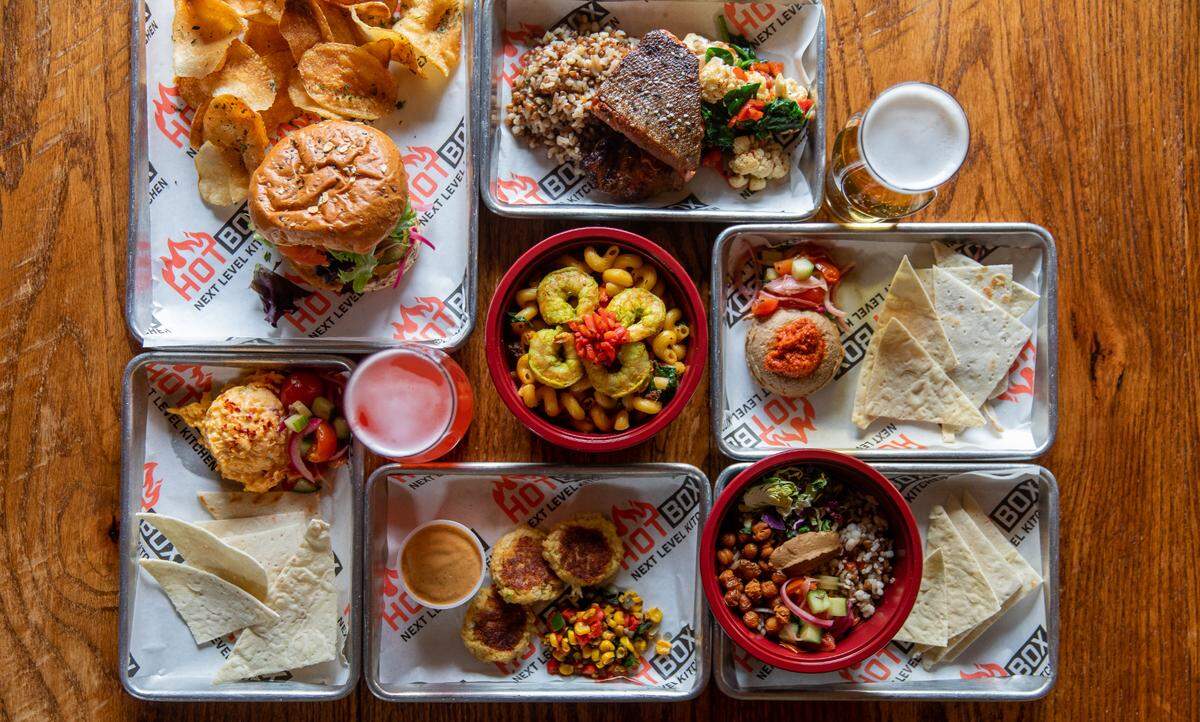
That formal training is paying off. Hot Box Next Level Kitchen incorporates innovation and variety. The restaurant is known for creating specials. If customers enjoy a special, it’s added to a possibility list and may work its way onto the menu. The HBX fritters — a crowd favorite — made it from the original food truck menu.
Bowling describes his food as international with a southern “twang.” The Tijuana mac is the result of a collaborative effort. He created the concept. Then, his sous chef developed the citrus ginger shrimp recipe that tops it off.
Despite life’s obstacles and an unprecedented year, Bowling doesn’t plan to slow down anytime soon. In early 2021, Hot Box Next Level Kitchen is expanding to Charlotte. He’ll split his time between both locations, but he will be at the Concord location — his home away from home — each day.
While living with a disease can lead to negative feelings, Bowling is encouraged by the new beginnings he’s experiencing. The idea is to stay positive and keep pushing forward — those are the two most important things, he said.
“A large majority of people feel like people with kidney disease or any other life-threatening disease can’t have regular lives,” he said. “It’s imperative for people to know you can still live your life and do big things, even if you have things that are in your way, whatever it may be.”
This story was originally published November 30, 2020 at 11:07 AM.