In Ukraine, she was a financial lawyer. In Charlotte, a wedding photographer.
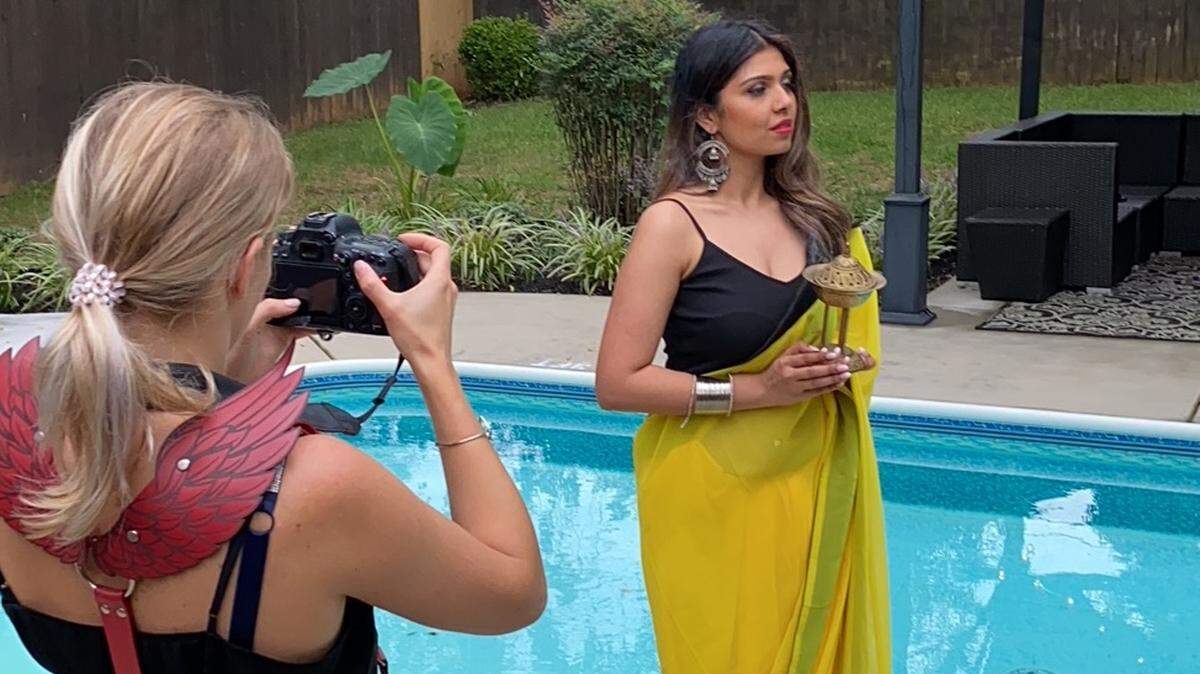
In 2016, Anastasiia Terentieva fled war-torn Ukraine, seeking political asylum in America. Like a lot of immigrants arriving in the United States, adapting to the culture is like developing a new personality.
Over time, the jolt of culture shock becomes blunted. For the past four years, Terentieva has been living in Charlotte, working as a professional photographer, but in Ukraine she was a financial lawyer.
When she first got here, “It was so stressful. I didn’t speak much English,” Terentieva told CharlotteFive. She and her husband had just bought a new car when they were stopped by police.
She was terrified.
“I felt like I’m guilty. I felt what I felt in Ukraine. Like, ‘Oh my gosh, I will go to prison. I don’t know what I’ll do. What was my mistake?’” she said.
The Charlotte police then explained to her that she simply had an expired tag. Since they had purchased their car in South Carolina, they had a 45-day temporary license plate, but in North Carolina, only 30-day tags are issued for new cars. The police officer told her to get a current tag and drive home safely.
“In Ukraine, when you talk to the police, it means that you are guilty. When you drive and the police stop you, it means that you have to pay them, regardless. Our [Ukranian] police are not for safety. They will plant drugs on you. They are corrupt,” Terentieva said.
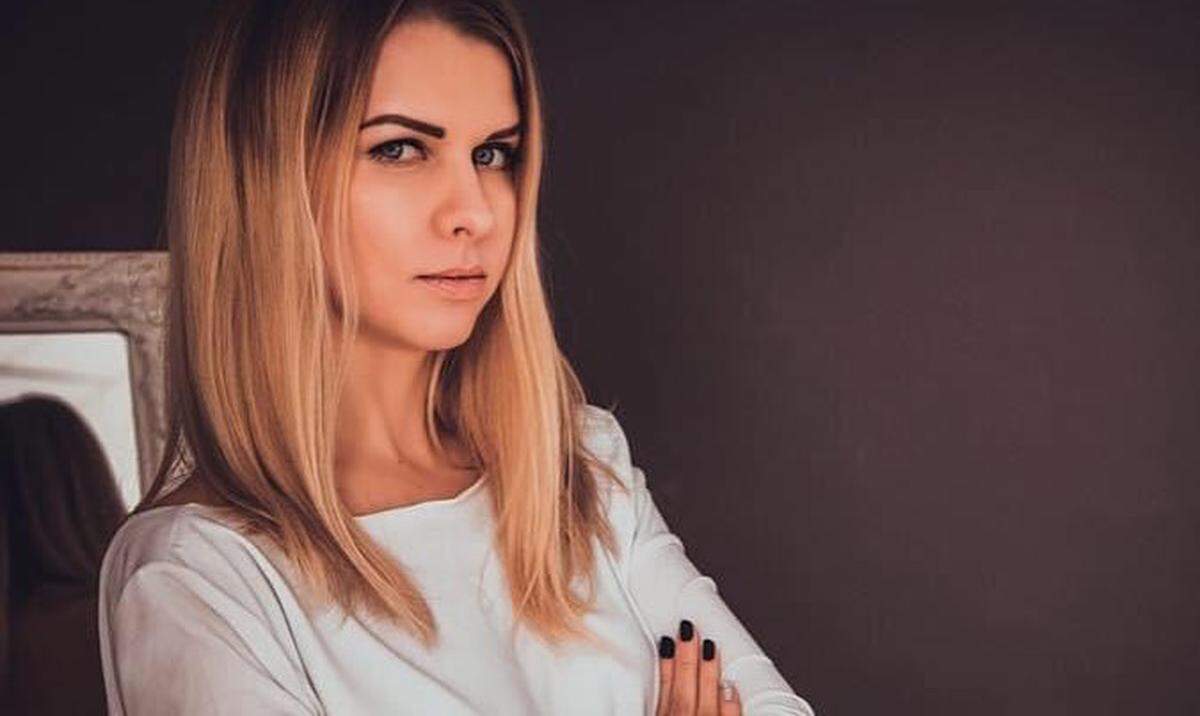
In contrast, the Charlotte police officer didn’t even give her a ticket. “They didn’t want my money. They even discovered a clerical mistake that the car dealer made and told us to get it corrected, but it wasn’t a big deal. In Ukraine, it would be a big deal. The police would be able to do whatever they want with you. It could be the biggest mistake in my life,” she said.
As a lawyer in Ukraine, Terentieva said, “All the people that you can see come to you, give you some money and they give you all of their problems for you to solve.” Given the chance to create a new career in the United States, she said, “I decided that I just want to solve my own problems.”
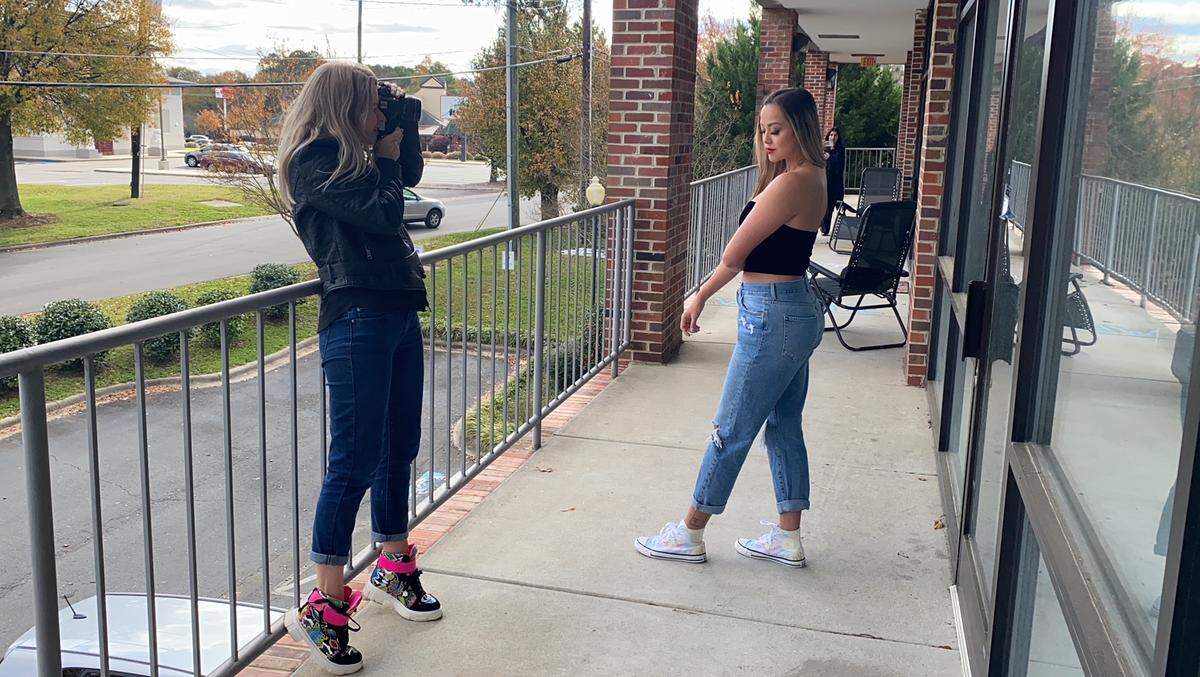
As a wedding photographer, she gets to work with “beautiful and happy people,” she said. “I really get emotional when I do weddings. Here, in the U.S. I like weddings because it’s a lot of nationalities. I’ve seen Indian weddings, Turkish, Arabian, Armenian, Russian of course — but American weddings are the best.”
In Charlotte, a whole new world
According to a 2019 report from New American Economy, Terentieva and her family are among the 162,463 foreign-born individuals who live in Charlotte, making up 15.1% of local residents. From 2012-2017, Mecklenburg County’s immigration population swelled by 18.9%.
The majority of new foreign arrivals have come from places including Mexico, India, Honduras and other South American countries, but there are other smaller groups that maintain close ties.
“Foreign born individuals have come here hoping for opportunity, and this community has been rich in that for them,” said Federico Rios. As a native New Yorker who moved to Charlotte 15 years ago, he is the assistant director at the Office of Equity, Mobility and Immigrant Integration for the city of Charlotte.
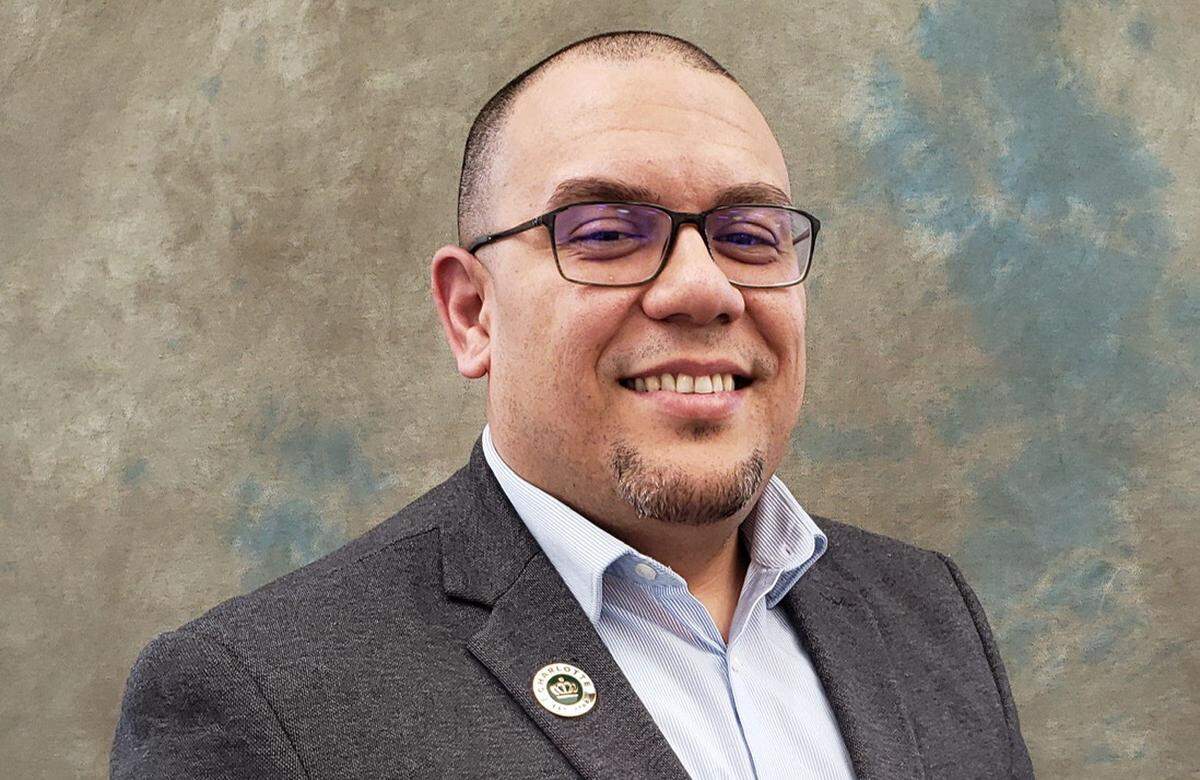
Rios is tasked with keeping an open dialogue and addressing the needs of the immigrant workforce, along with improving their economic mobility, especially since they contribute $16 billion dollars to Mecklenburg County’s GDP. They are “a part of the fabric of who we are as a city and it adds to us. It doesn’t take away,” he said.
“Immigrant communities work together and collaborate in ways that other communities don’t,” Rios said.
From Ghana to the United States
When Solomon Agyemang came to the United States 20 years ago in search of opportunities, he was a young, single man from Ghana, Africa.
Agyemang, who already had a degree in economics and social science, came to the United States on a student visa and got his masters in marketing at Strayer University in Washington D.C.
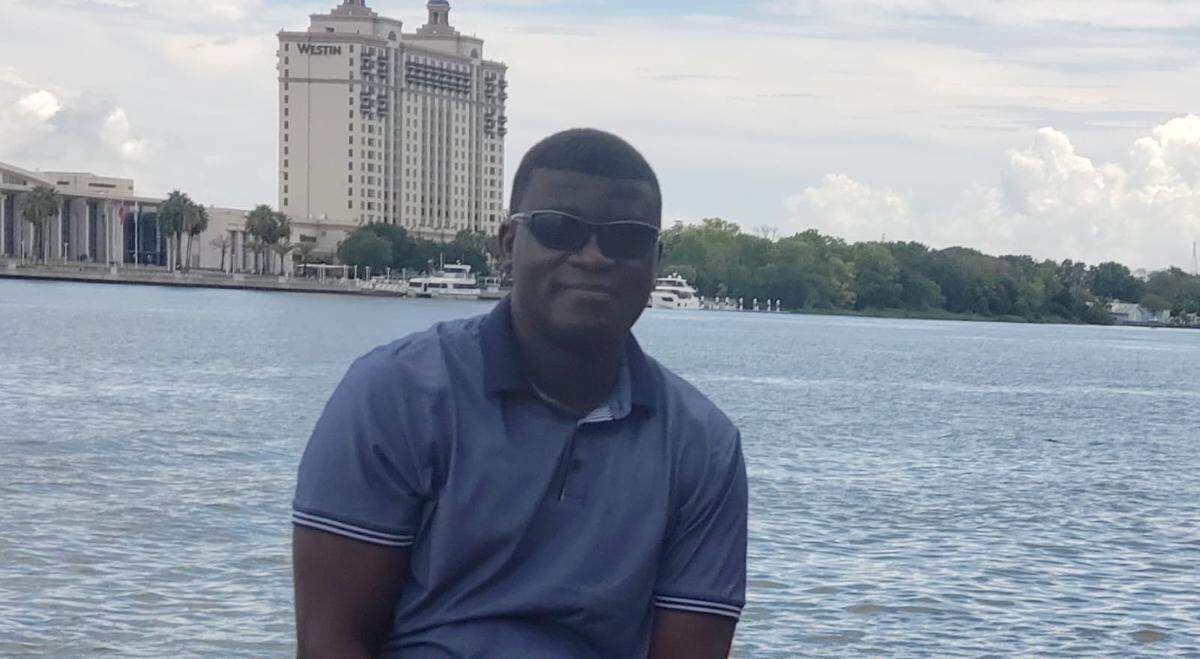
Upon arrival, the first thing that struck him about the United States was its multiculturalism. “In Ghana, it’s pretty much the same people, but when I came here, I met different people from different countries, different backgrounds,” he said. From his home country, Agyemang first went to Maryland in August 2000.
He wasn’t used to people responding to his accent and skin color. In Ghana, he was just another Ghanaian. Here, he is Black.
In Ghana, Agyemang came from a nation made up of ancient tribes that reach as far back as the dawn of civilization. Local chiefs from various tribes ran the cities and other areas.
His experience in the United States gave him “much understanding” about the world. It would help him when he became president of the Asanteman Association, which is a D.C.-based organization named after the Ashanti (also known as Asante) Kingdom, one of the greatest African empires in history. Agyemang, a member of the Akan tribe, is a descendant of the Asante tribe. From his perspective, the United States is a microcosm of group-like tribes, spaced apart by culture.
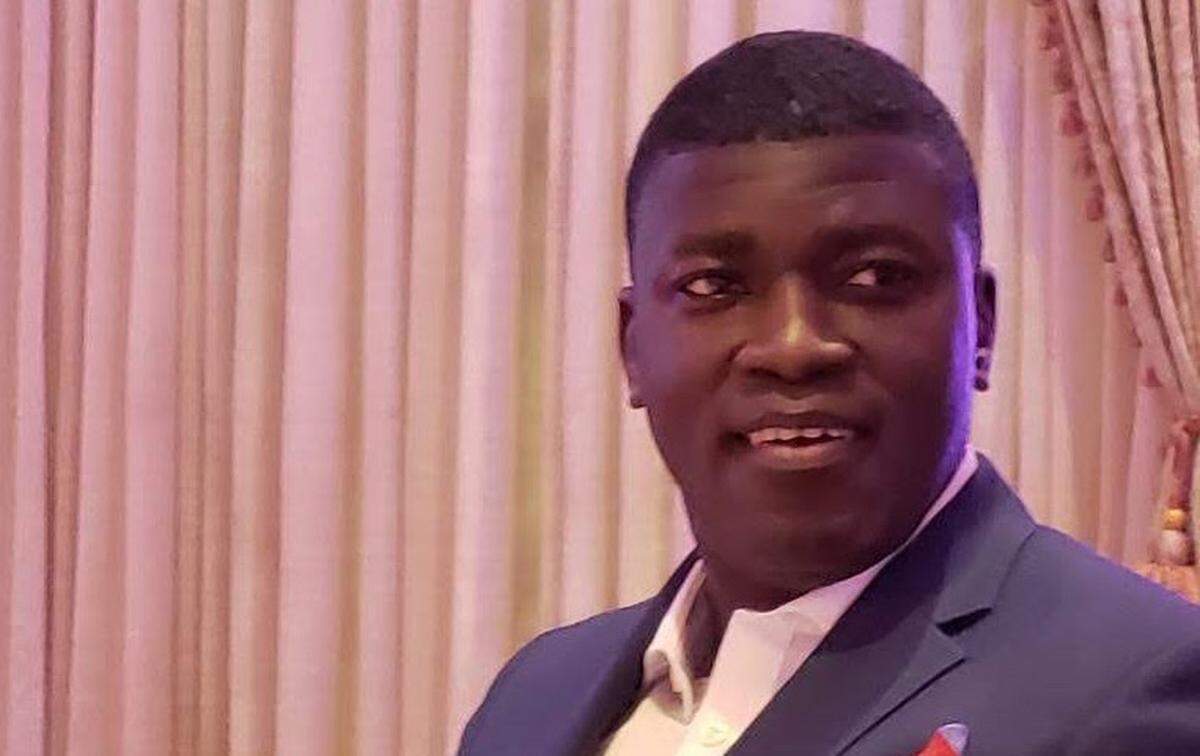
Before arriving, Agyemang assumed that everyone here was prosperous, that the American dream was a reality. “My first impression was that the sky’s the limit. Whatever you want to achieve in America, you can do it — but then after a while, I also realized that we have people here that are struggling.”
Now in Charlotte, Agyemang is a husband and proud father of three. Along with his wife, he is the director of Royal Child Care Center, a group home where they care for some the most vulnerable members of society, developmentally disabled kids with emotional and behavioral challenges. “One of our goals is to help them to be able to live on their own when they grow up. We want to make sure that they are protected,” he said.
In Ghana, “Sometimes you tend to know everyone in the community from where you live because the culture is in such a way that every child has to listen to every adult in Ghana,” he said. Here, “people are even scared to talk to a child that they don’t know.”