7 takeaways from NC musician Bob Crawford’s new John Quincy Adams book
You think you’re good at journaling? John Quincy Adams left behind some 15,000 pages of diary entries.
He started in 1779 at age 12 and kept at it for nearly 70 years until close to his death in 1848. That’s just one of the fascinating tidbits I gleaned from talking with Avett Brothers bass player Bob Crawford and reading his new book, “America’s Founding Son: John Quincy Adams, from President to Political Maverick.”
The book from the publisher Zando comes out March 10.
During his research into Adams, Crawford said it was immensely helpful to examine primary documents like the Adams diaries, which the Massachusetts Historical Society conveniently has online and in searchable form.
He poured through many entries. In case you are wondering, Crawford did not go through every single page. Still, 21 pages of notes in his book attests to the work Crawford put into the project over the course of a year.
Here are a few other things I learned from the book and from talking with Crawford.
Illustrations inspired by Dickens
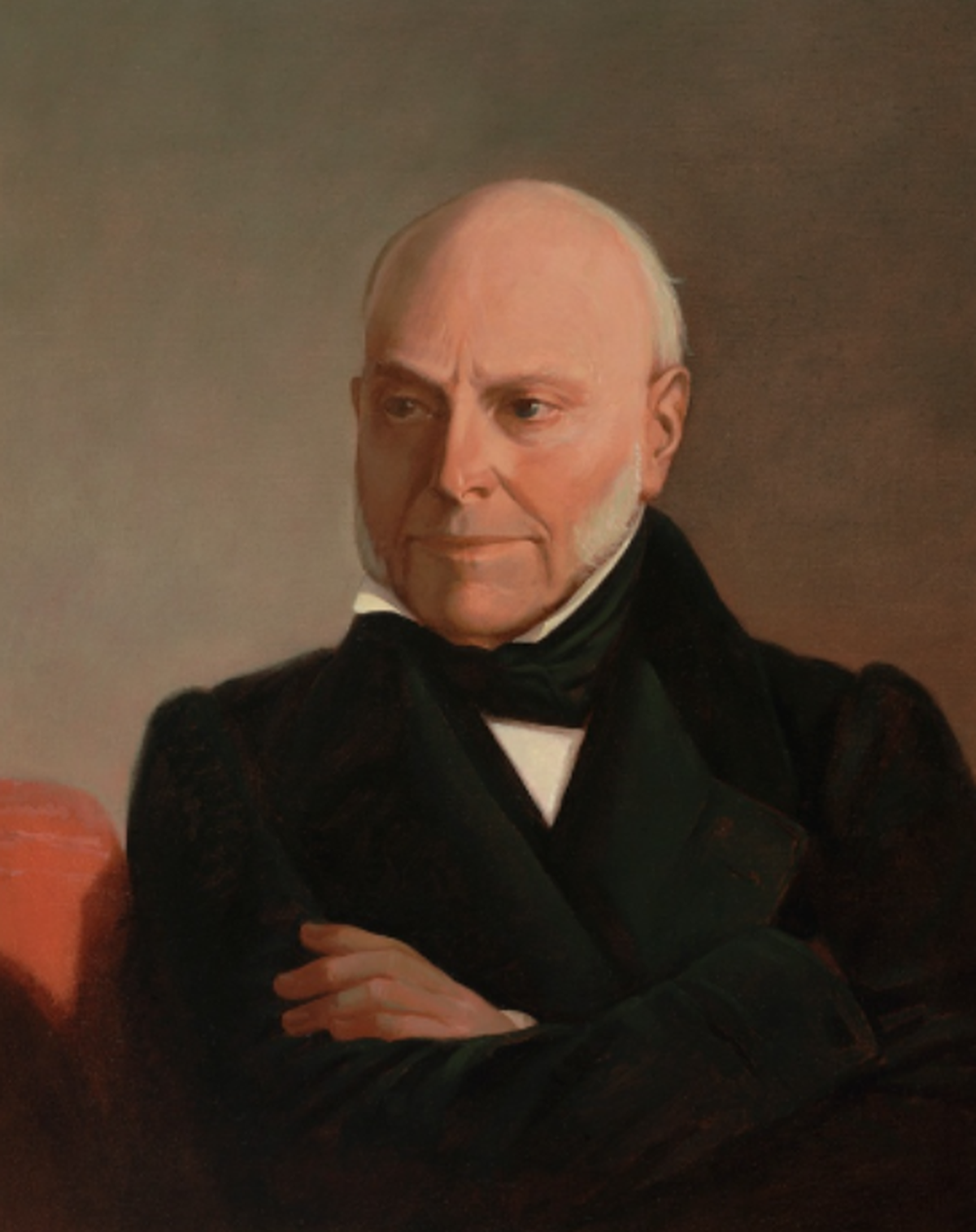
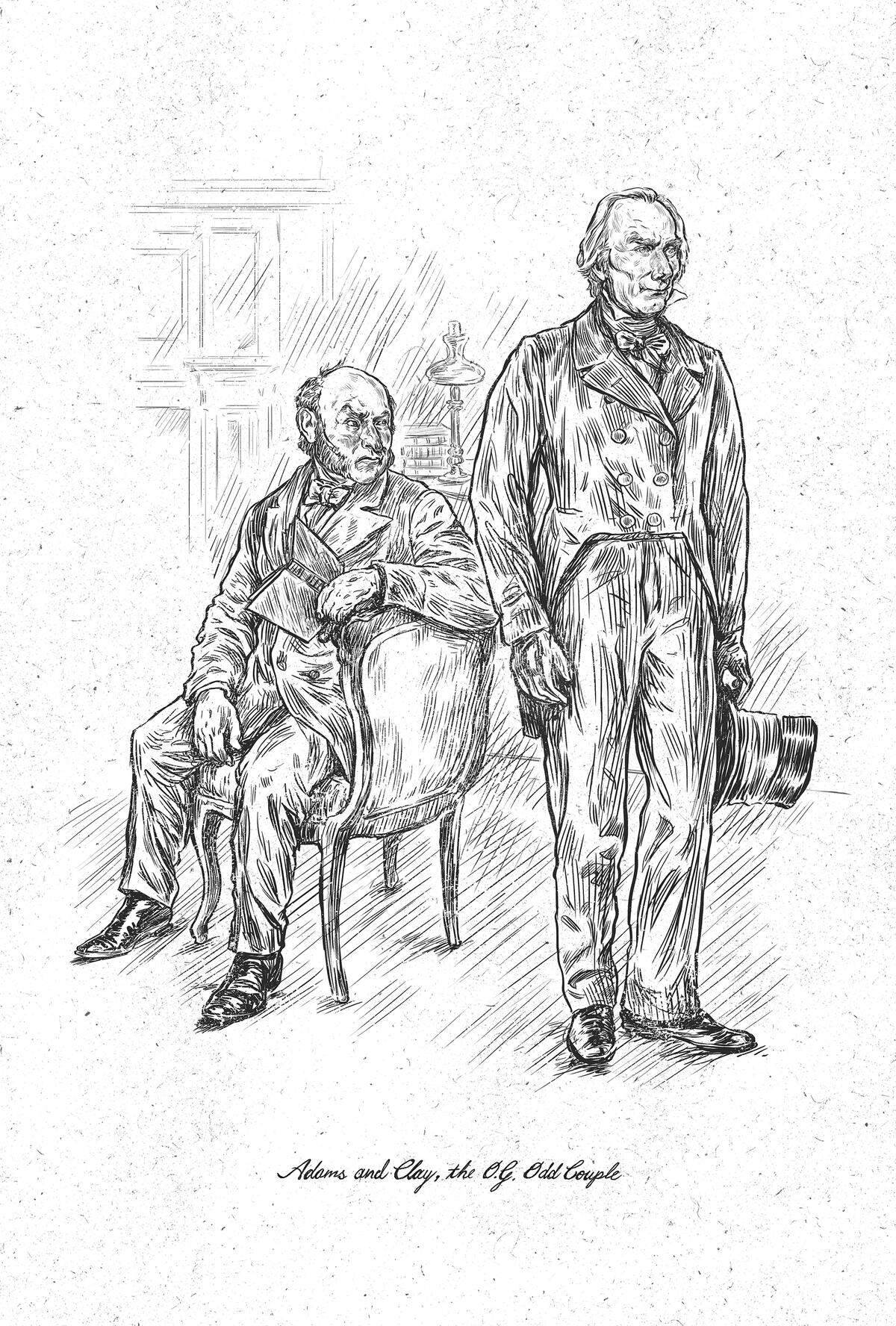
An unusual feature of the book is its illustrations. A historian advised Crawford to avoid the same five prints of Adams that turn up in every book about him.
Crawford’s wife, Melanie, loves old Charles Dickens books and Crawford was impressed by their illustrations. So he asked fellow band member Scott Avett if he could recommend an illustrator.
Avett named Garrett Morlan, who had drawn concert posters for the band as well as other artists ranging from Pearl Jam to Willie Nelson. Crawford said he and Morlan worked well together on the project.
John Quincy Adams hung out with Charles Dickens
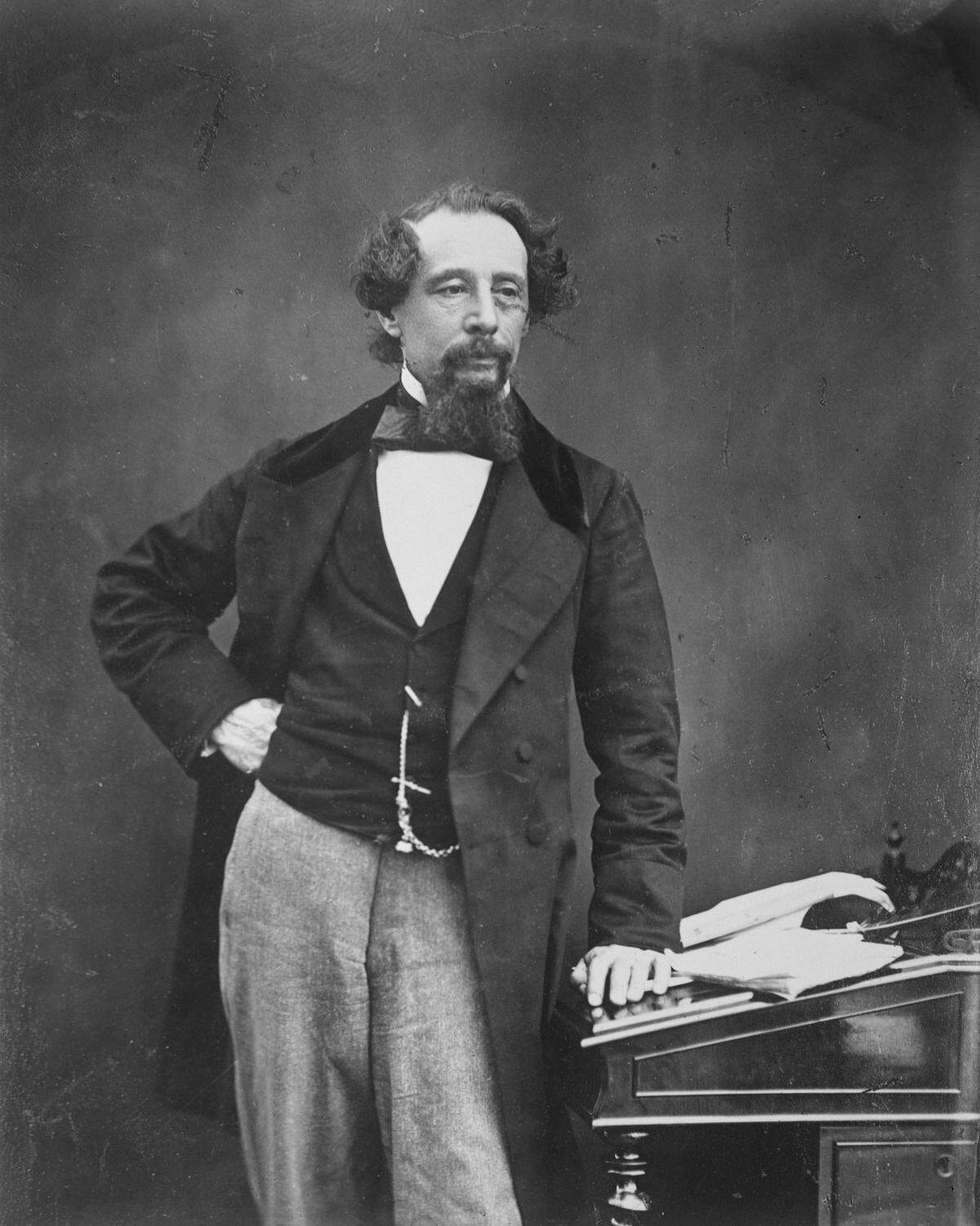
At the height of his fame, Dickens visited the U.S. in January 1842, including a stop in Washington, D.C. And he really wanted to meet Adams. They met on the House floor, and later dined together with their wives three times. Dickens was such an admirer, Crawford noted, that he asked Adams for his autograph before departing the city.
The Ken Burns stamp of approval
Documentarian Ken Burns, who is as steeped in American history as anyone, was one of the people who provided a blurb for the book jacket in praise of Crawford’s work.
Burns called it “a riveting tale of the extraordinary life of John Quincy Adams ... Adams’s unyielding moral vision and lifelong devotion to service and principle, often at the expense of popularity, make him a figure of uncommon integrity in American history. It’s a story all the more meaningful today.”

John Quincy Adams had a frenemy in John C. Calhoun
Adams and South Carolina politician John C. Calhoun, perhaps slavery’s biggest defender in the 19th century, served together in President James Monroe’s cabinet. Adams was secretary of state and Calhoun was secretary of war; they got along just fine on many issues.
Calhoun later served as Adams’ vice president, then was VP for Adams’ successor and bitter rival, Andrew Jackson. Awkward.
Calhoun resigned as Jackson’s vice president in 1832 so he could represent South Carolina’s interests in the Senate. He already had completed his pivot from nationalism to states’ rights as a way to ensure the South kept an iron grip on its slaves.
That was anathema to Adams. While Crawford noted that Adams was one to “nurse old wounds,” Calhoun was one of the pallbearers at Adams’ funeral.
Adams could sure dish ‘em out
Crawford took note of Adams’ expansive burn book. In one such case, Adams described President John Tyler as having “talents not above mediocrity, and a spirit incapable of expansion...”
“That’s why I love John Quincy Adams,” Crawford wrote. “Old Man Eloquent had been thrown a vicious twist of fate (Tyler became president after William Henry Harrison died shortly after his inauguration) ... But John Quincy Adams was more cantankerous and possessed more political capital than ever.”
Adams died on the job
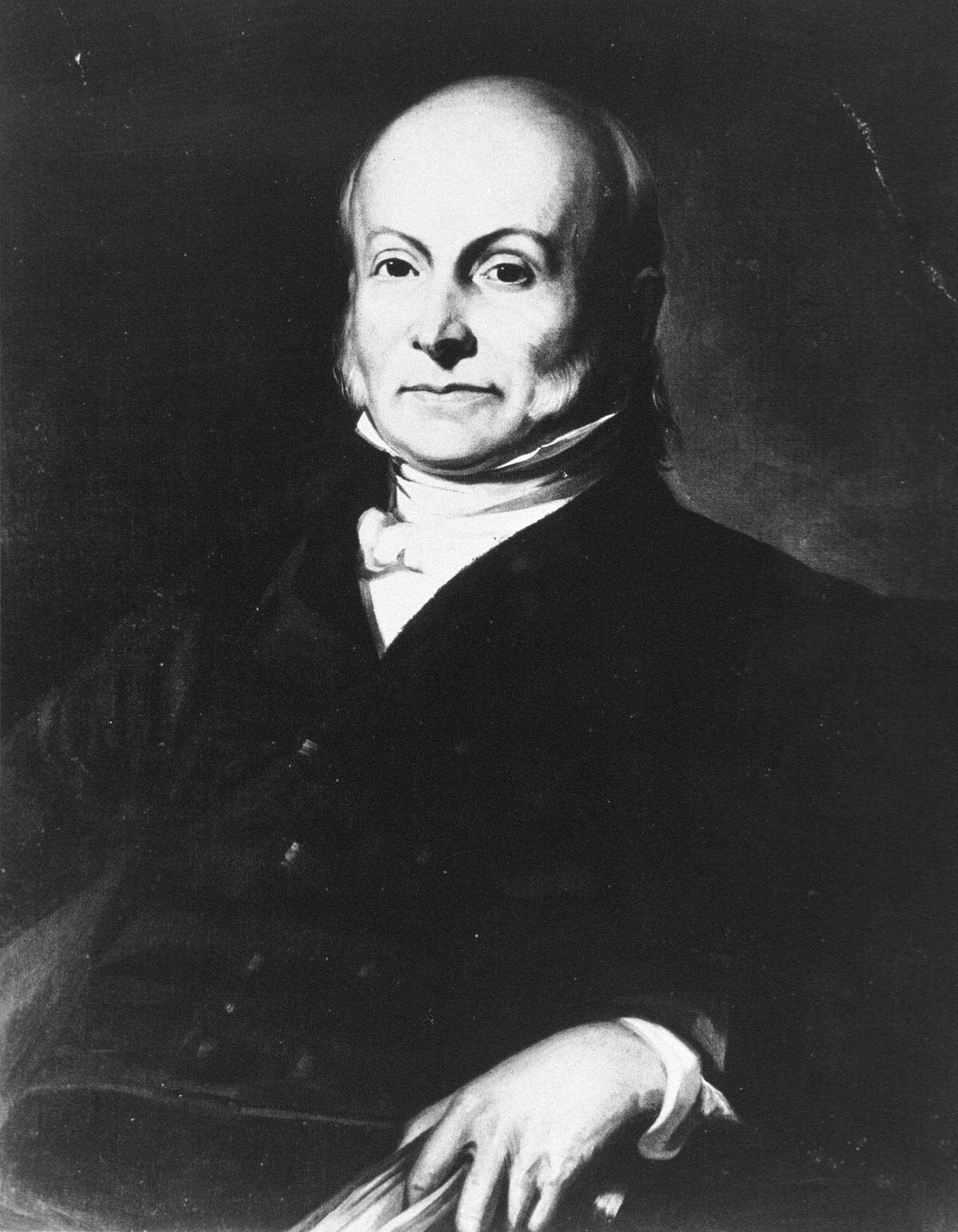
Spoiler alert: Adams dies in the Capitol. On Feb. 21, 1848, he suffered a stroke at his desk on the House floor. Too ill to be moved to his home, Adams was taken to the nearby Speaker’s chamber off the House floor, where he lingered for two days before dying at age 80.
His last words, supposedly, were, “This is the end of earth, but I am composed.”

More arts coverage
Want to see more stories like this? Sign up here for our free, award-winning “Inside Charlotte Arts” newsletter: charlotteobserver.com/newsletters. And you can join our Facebook group, “Inside Charlotte Arts,” by going here: facebook.com/groups/insidecharlottearts.