Harpo Marx finally speaks, with a little help from The Avett Brothers’ record label
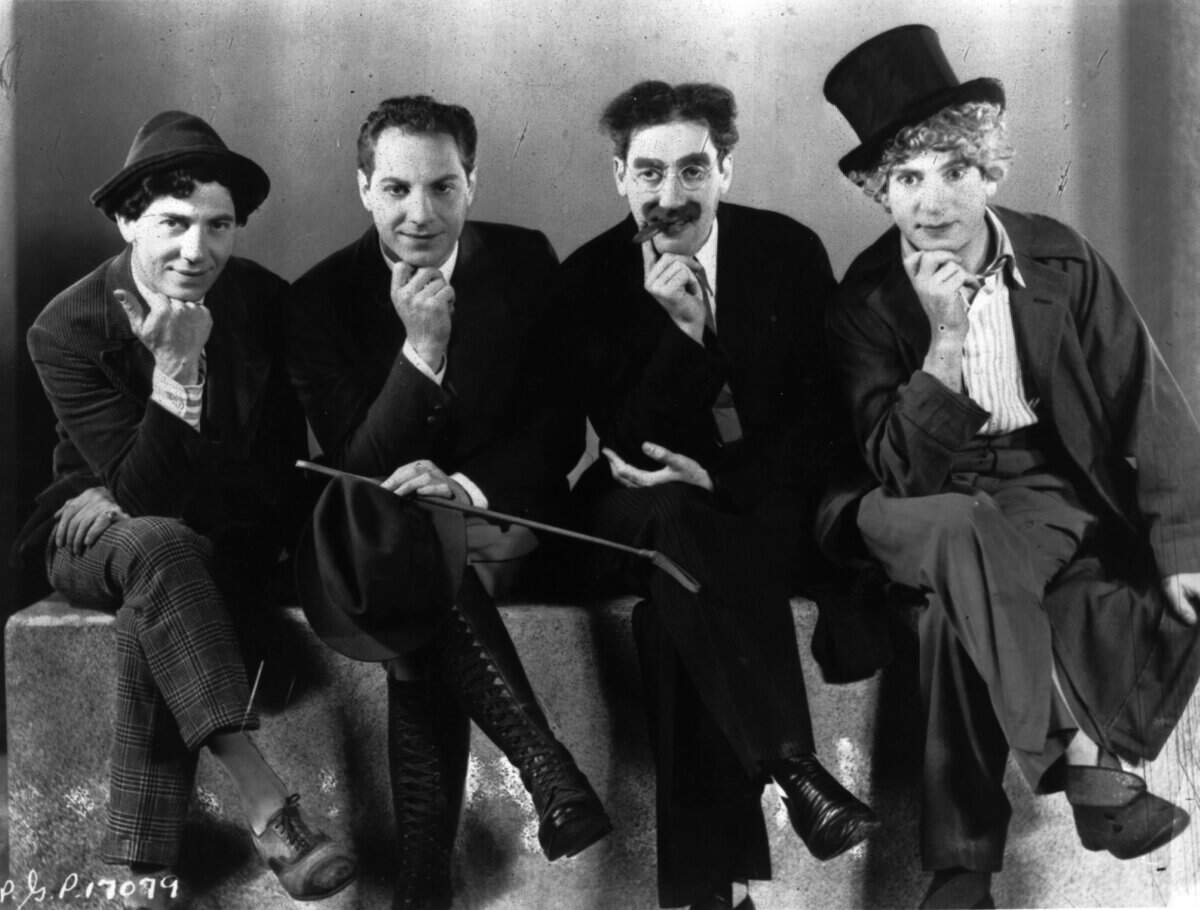
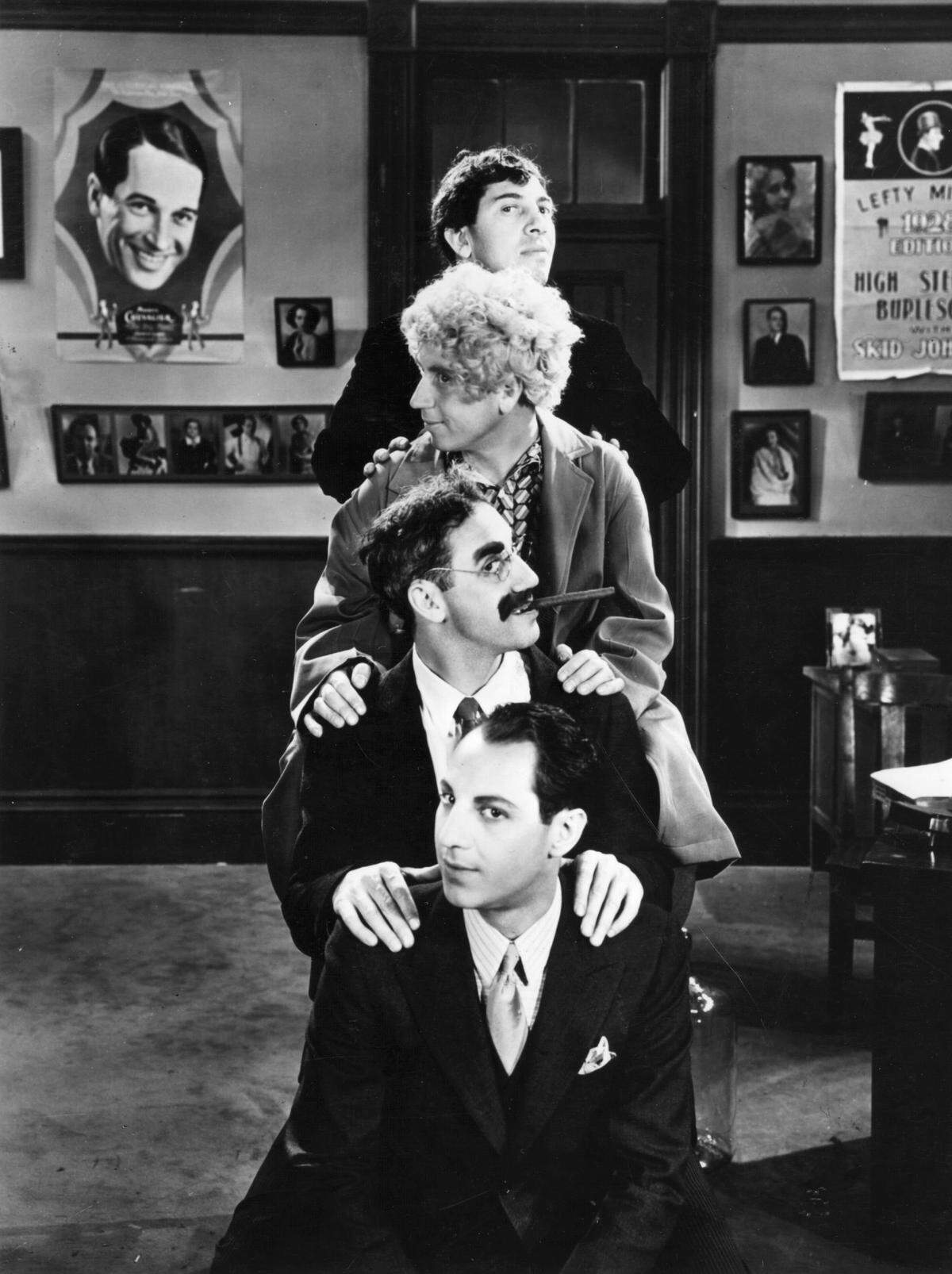
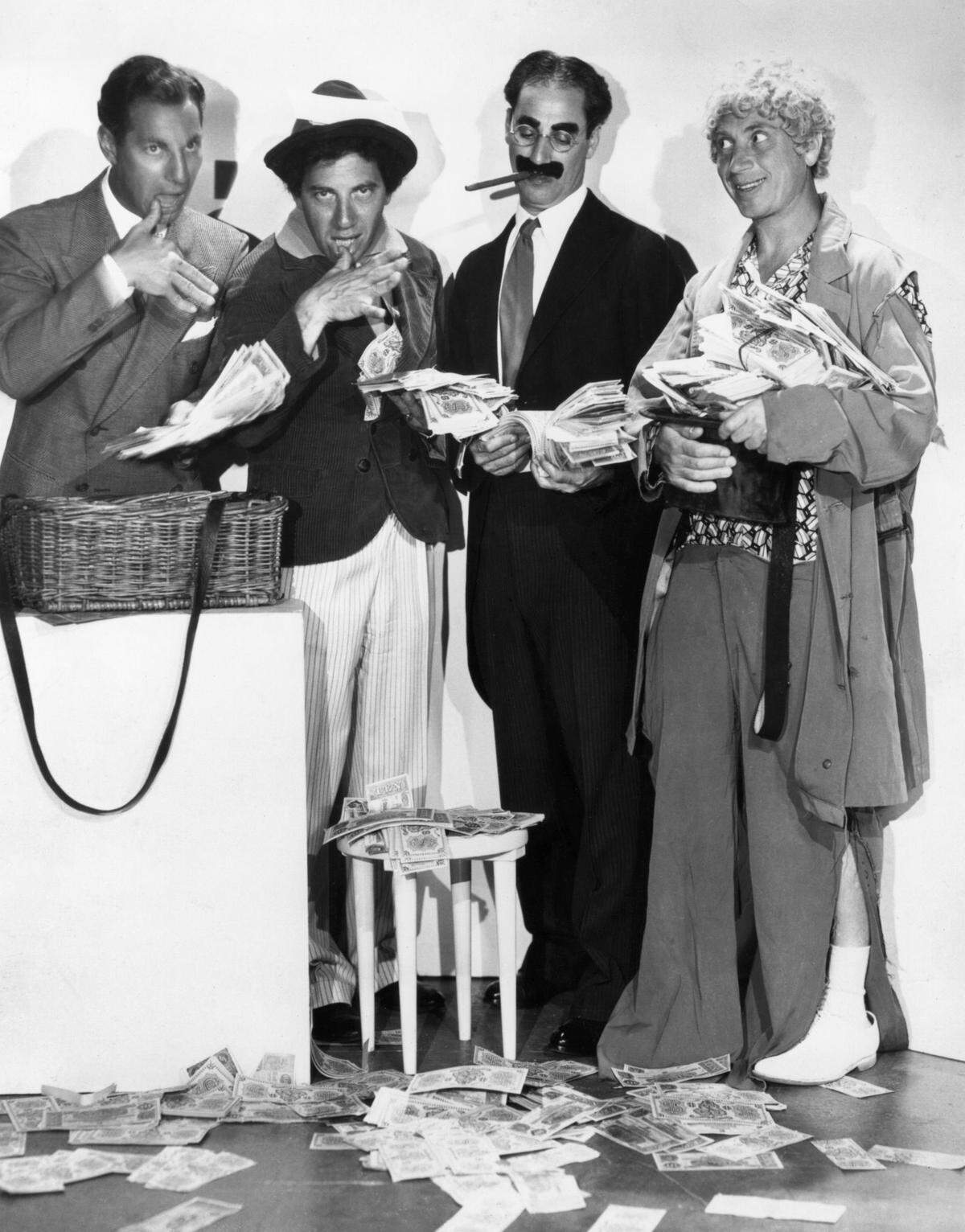
A long-lost recording of the eternally silent Harpo Marx has resurfaced after half a century. Turns out, he’ll actually get the last word in over brothers Groucho, Chico and even Zeppo.
And some folks in the Charlotte area helped make it happen. They are among the team behind the June 5 release of the album, “Harpo Speaks! The Riverside Symphony Concert” — a new Marx Brothers project decades after Harpo’s death and the only official recording of him talking, according to Harpo’s son.
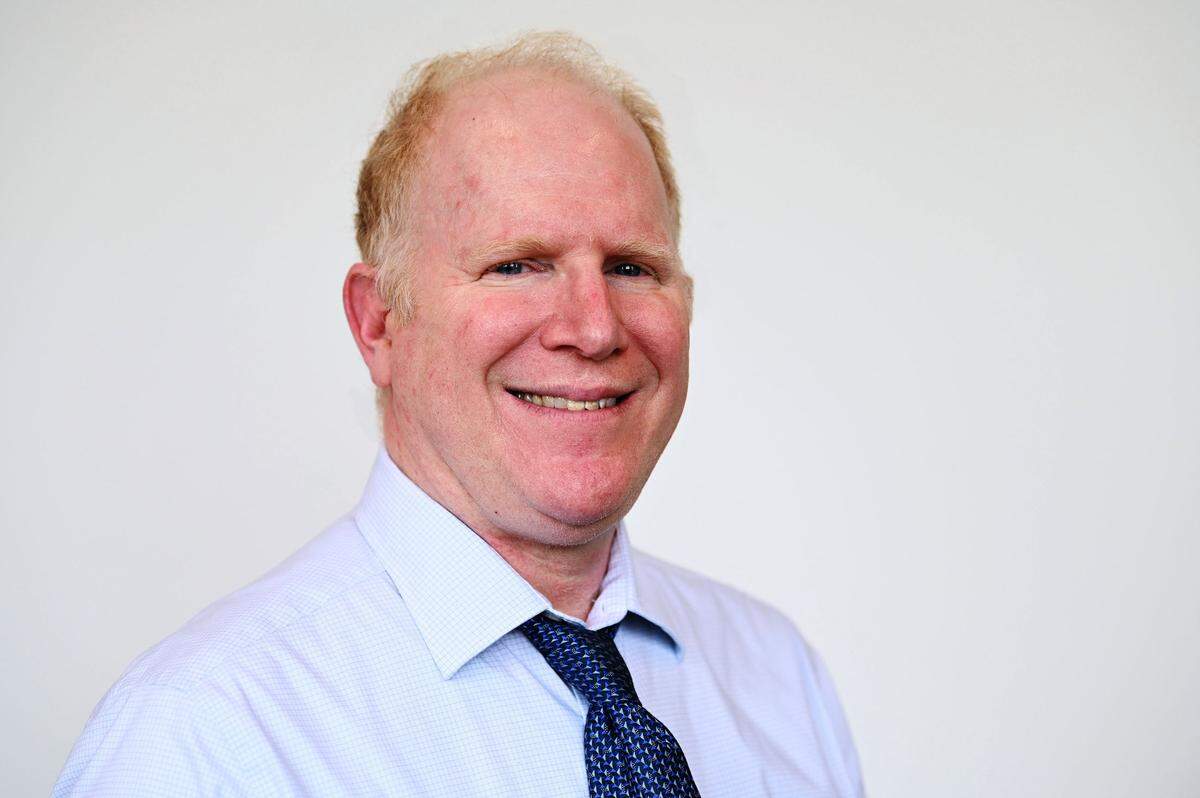
Dolphus “Dolph” Ramseur’s independent record label in Davidson, Ramseur Records, is releasing the album. And Charlotte photographer Daniel Coston is one of the co-producers.
In a nod to the Marx Brothers’ anarchic spirit, Ramseur announced the project on April 1. But this was no monkey business April Fool’s joke.
“I just felt like that would’ve been the kind of thing the Marx Brothers would’ve done. That was kind of a little tip of the hat,” said Ramseur, who also manages another beloved brother act, the Concord-based Avett Brothers.
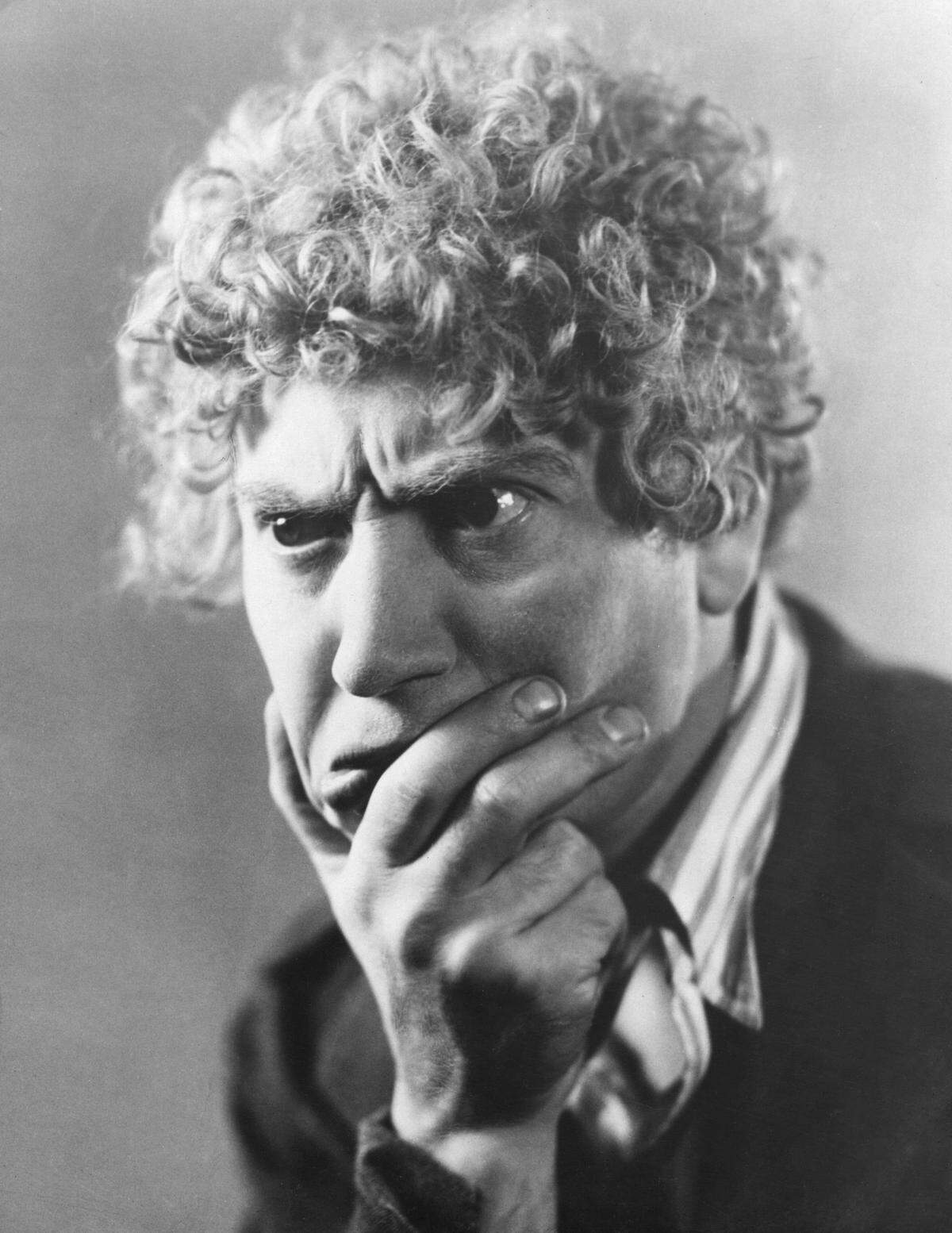
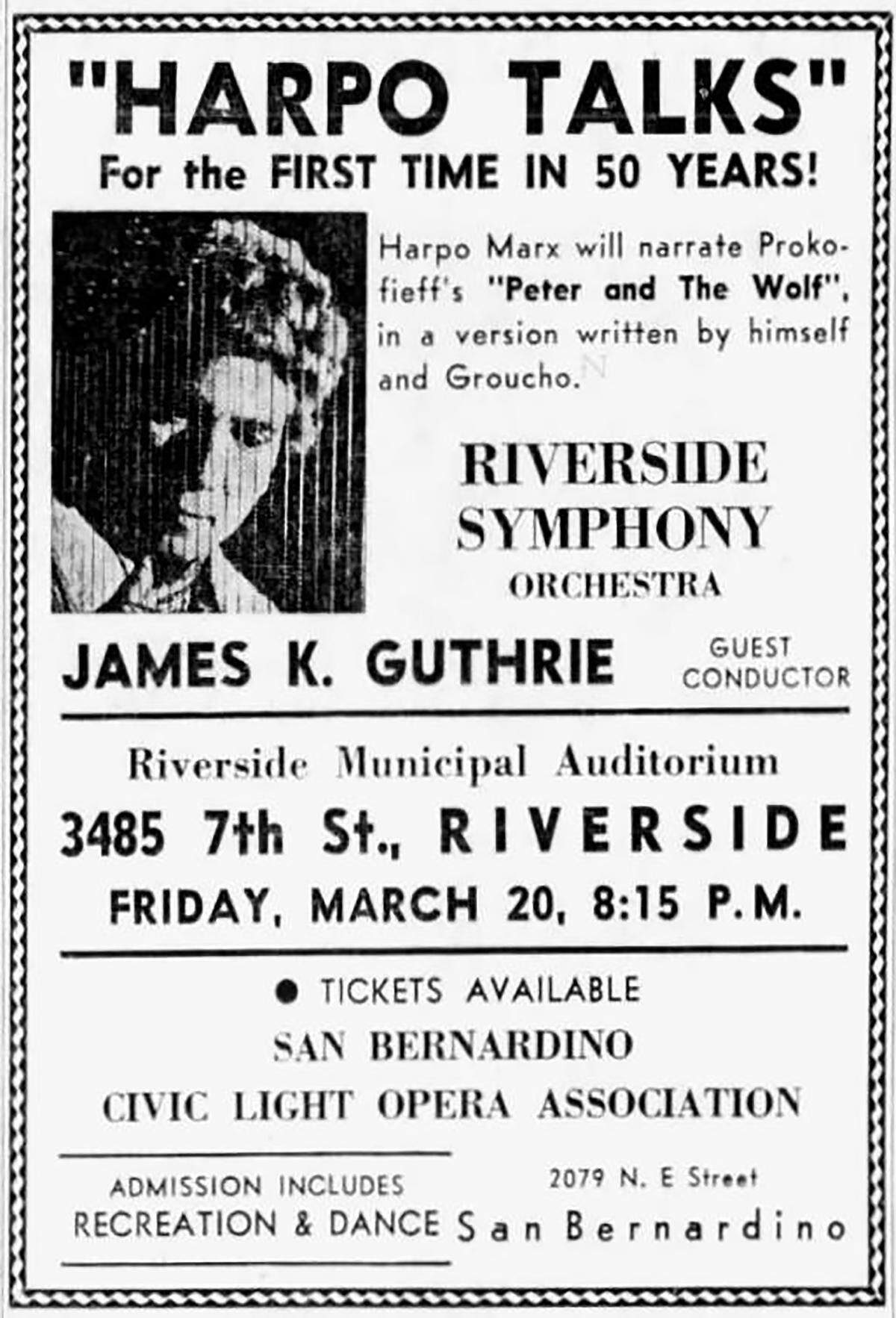
The occasion for Harpo speaking was a benefit concert for the Riverside Symphony in California on March 20, 1964. Harpo played the harp with the orchestra, narrated Prokofiev’s children’s symphony “Peter and the Wolf” and even gave a short speech at the end.
He’d die half a year later at age 75, making his appearance all the more poignant. That evening was the last time Harpo performed in character in public.
“I don’t think there’s much chance of finding any more significant piece of Marx history than this going forward,” said album co-producer and Marx Brothers historian and author Robert S. Bader.
Here then is a serendipitous tale worthy of a day at the races or a night at the opera. We’ll also meet the writer of “Hello Muddah, Hello Fadduh (the Camp Granada Song).” And Richard Nixon gets a shout-out, too.
But mostly, this is a tribute to the comedic spirit of Harpo and his brothers, and of a son’s devotion to that legacy. Harpo’s son and frequent collaborator, composer Bill Marx, was executive producer of the album.
In a recent interview with The Charlotte Observer from his southern California home, 89-year-old Bill Marx spoke of the thrill of hearing his dad’s low-pitched voice again. He hoped the project would serve to introduce his famous father and uncles to a new generation of fans.
“I really honestly believe that what we need now in the world is more positive stuff,” Bill Marx said. And, he added, there wasn’t a more positive person he knew than his dad.
‘Believe it or not ... I’m gonna talk’
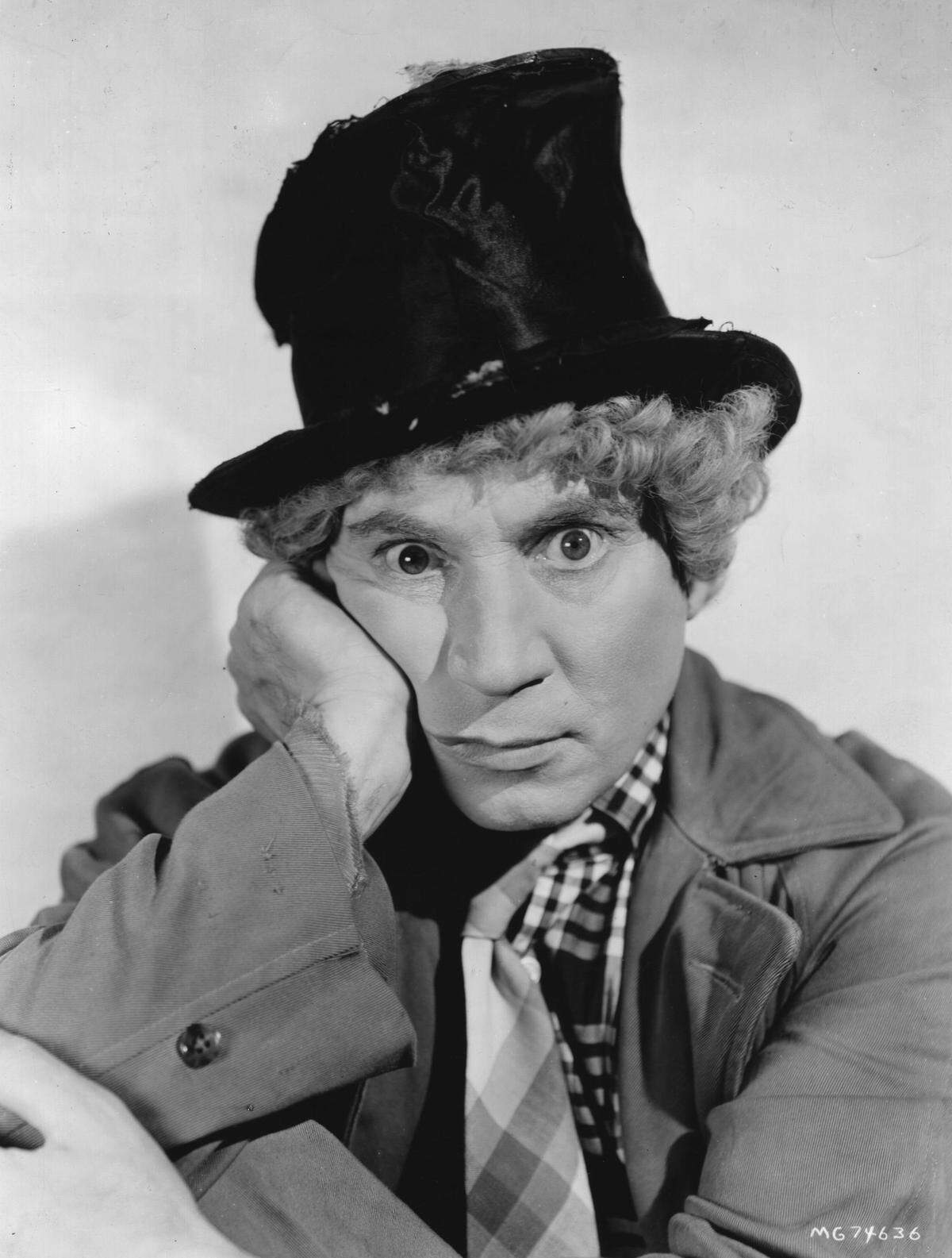
When the Marx Brothers were starting out in vaudeville in the early 20th century, Harpo spoke. And sang. Just not very well.
Eventually, he began developing his silent character and his own brand of physical humor. Away from the stage and silver screen, Harpo talked plenty. His wife, Susan Marx, would joke that once you got him started, he wouldn’t shut up.
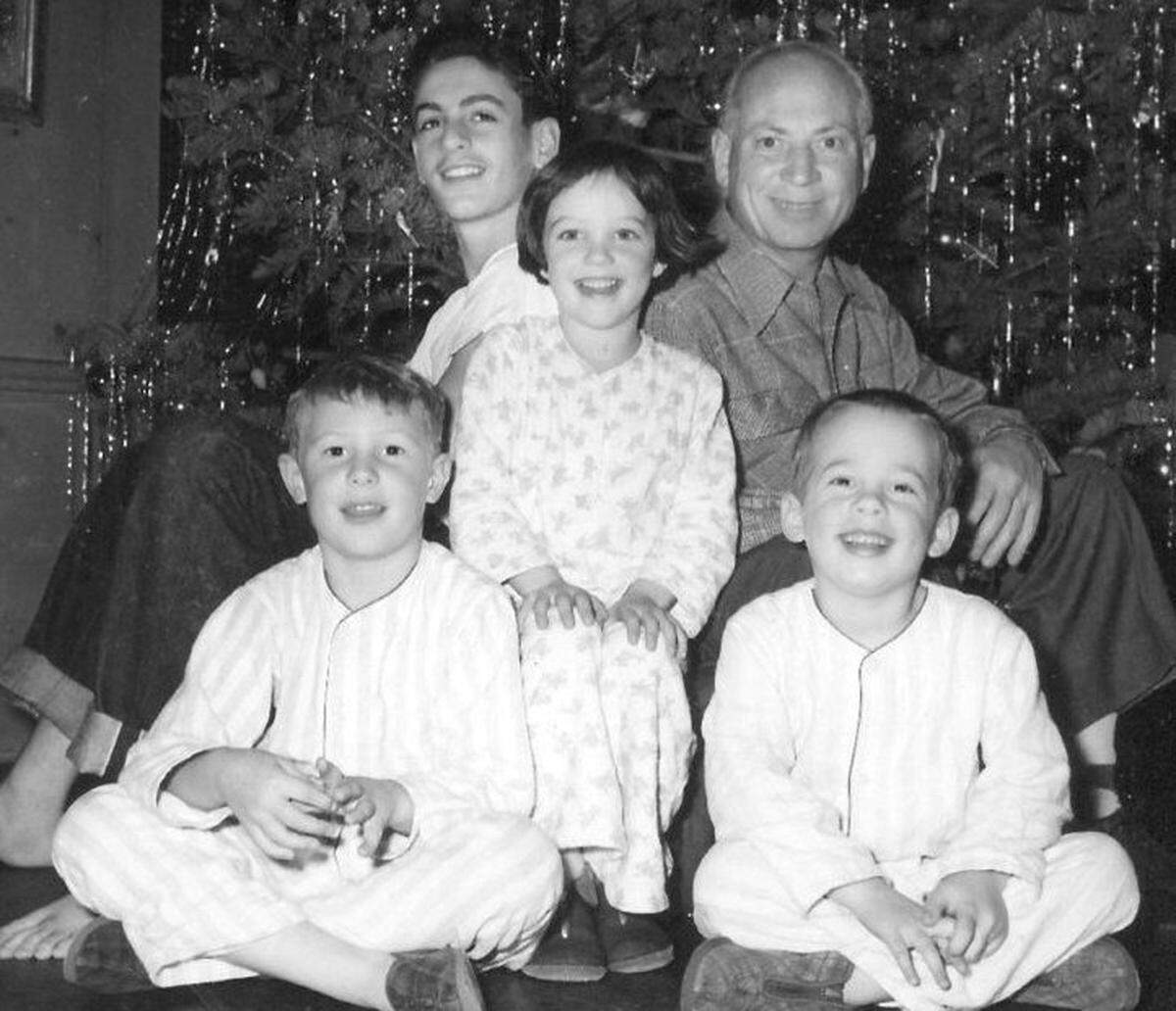
But he rejected plenty of lucrative offers over his career to speak a line or two, Bader said. Harpo had no interest in tearing down a character that he had built up over the decades.
After suffering a series of mild heart attacks by the early 1960s, Harpo limited his public appearances to a pair of causes that remained dear to him, Bader said: Speeches for the United Jewish Appeal (Harpo had reconnected with his Jewish heritage following a trip to Israel in 1963) and fundraisers for symphony orchestras.
A friend and neighbor, the comedian and Camp Grenada song author Allan Sherman, suggested Harpo do a couple symphony charity events, including in Pasadena, California. Sherman’s son, Robert, ended up recording that 1963 Pasadena benefit.
For the 1964 show at Riverside Municipal Auditorium, the guest conductor was introduced as “the great Italian maestro from Milan, Umberto Harpolini.” Among the compositions he played on the harp was a medley with “Fly Me to the Moon” and “How High the Moon” that Bill Marx had arranged.
When it was time to start narrating, Harpo reached into his trench coat and pulled out the one item he never had deployed before — his reading glasses.
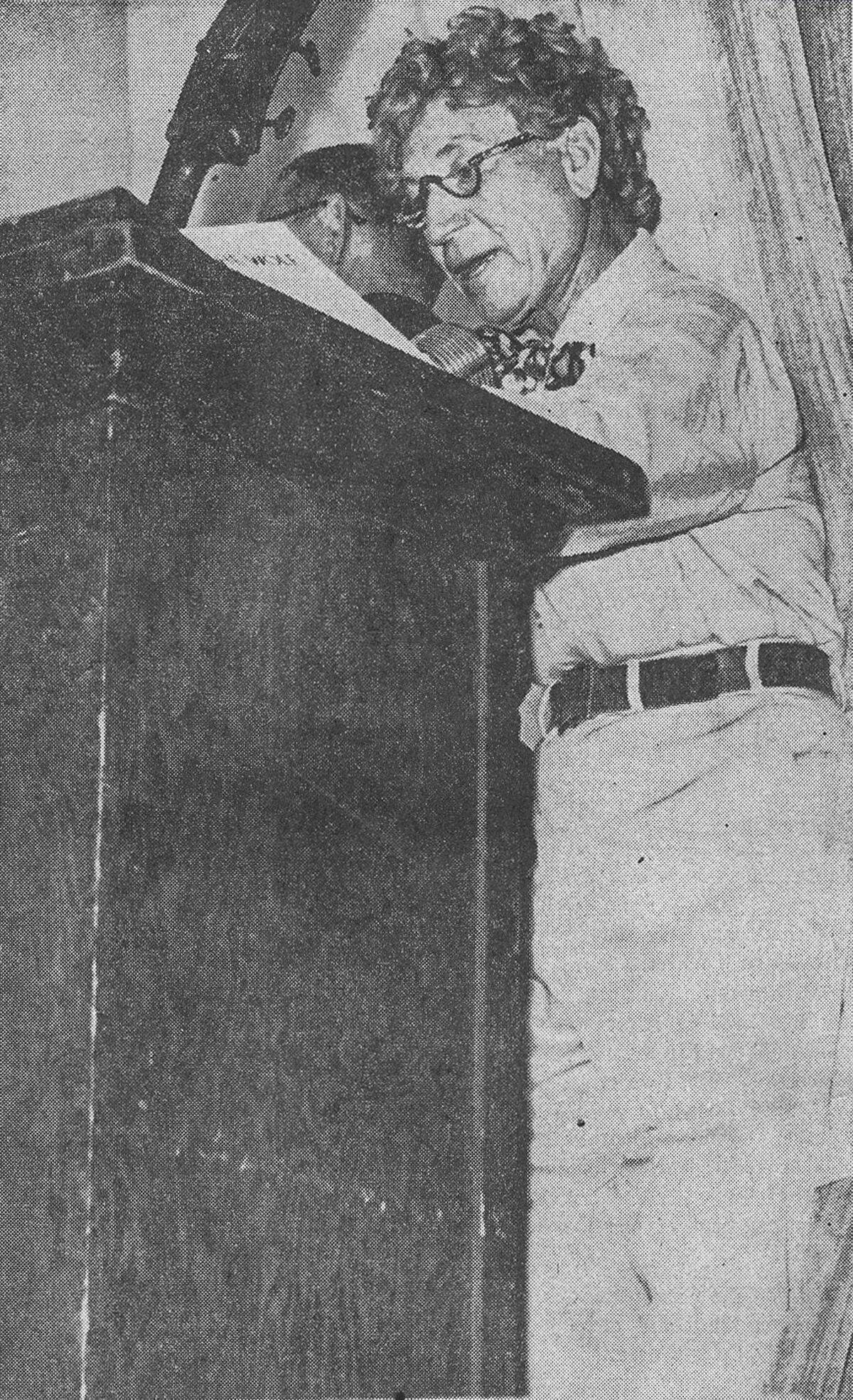
“Believe it or not,” Harpo said, then paused, whistled twice and continued, “I’m gonna talk.”
And talk he did. His native New York accent came out often, such as when he mentioned “the boid,” “Peedah,” or “the huntah.”
Harpo and Groucho had collaborated on writing the narration, which might explain a random contemporary political reference that got a big laugh.
Peter was leading the captured wolf to the zoo, Harpo said: “Peter at the head. After him, the hunters leading the wolf, then Goldwater, Rockefeller and Nixon...” — the leading candidates for the 1964 GOP presidential nomination.
Harpo concluded the evening with one final “Red’s Speech.“ That was a nod to the occasional brief talk he’d give at the end of a show during the Marx Brothers’ touring days, and a reference to the red wig he wore on stage.
In Riverside, Harpo congratulated the audience “for the keenness and perspicacity which you have shown in recognizing true genius.”
What was lost was found
And that was that. Until about six or seven years ago.
As a teenager, John Tefteller worked for Groucho Marx as an archivist and audio engineer. He has maintained a lifelong interest in the comedy group, in addition to being a rare record collector. A few years ago, Tefteller reached out to Robert Sherman hoping to locate Harpo’s Pasadena tape in his archives.
They went digging and eventually found a box marked “Pasadena.” But inside was the recording of Harpo’s later Riverside performance, even though Sherman had no recollection of recording it.
“It was just a serendipitous, crazy thing that happened,” Bader said. “This is truly his last performance ... in this character that he created in the vaudeville era, and now we’re in the mid-1960s.”
After Bader realized the tapes were in good enough shape to restore, he approached Bill Marx about the project. They’d been friends for a long time, and Bill Marx quickly said yes. Tefteller also came on board as a co-producer. His son, Joel Tefteller and Nick Bergh got to work on restoring the audio with cutting-edge tech.
At some point when Harpo was speaking, he had wandered away from the microphone, and it took some digital magic to ensure he could be clearly heard.
As Bader noted, in Harpo’s long career, nobody had ever told him to move closer to the mic.
A ‘dream gig’ with the Marx Brothers
Now the team needed somebody to make the album. That’s where Coston, the Charlotte event photographer, comes in.
He had known Bader for several years, and Bader reached out in fall 2024 asking if he could help get a deal to make the album happen. Coston was psyched, having been a longtime Marx Brothers fan.
“There’s still this kid inside me that goes, ‘You grew up to become a Marx Brothers producer,’ ” Coston said. “It’s one of those dream gigs.”
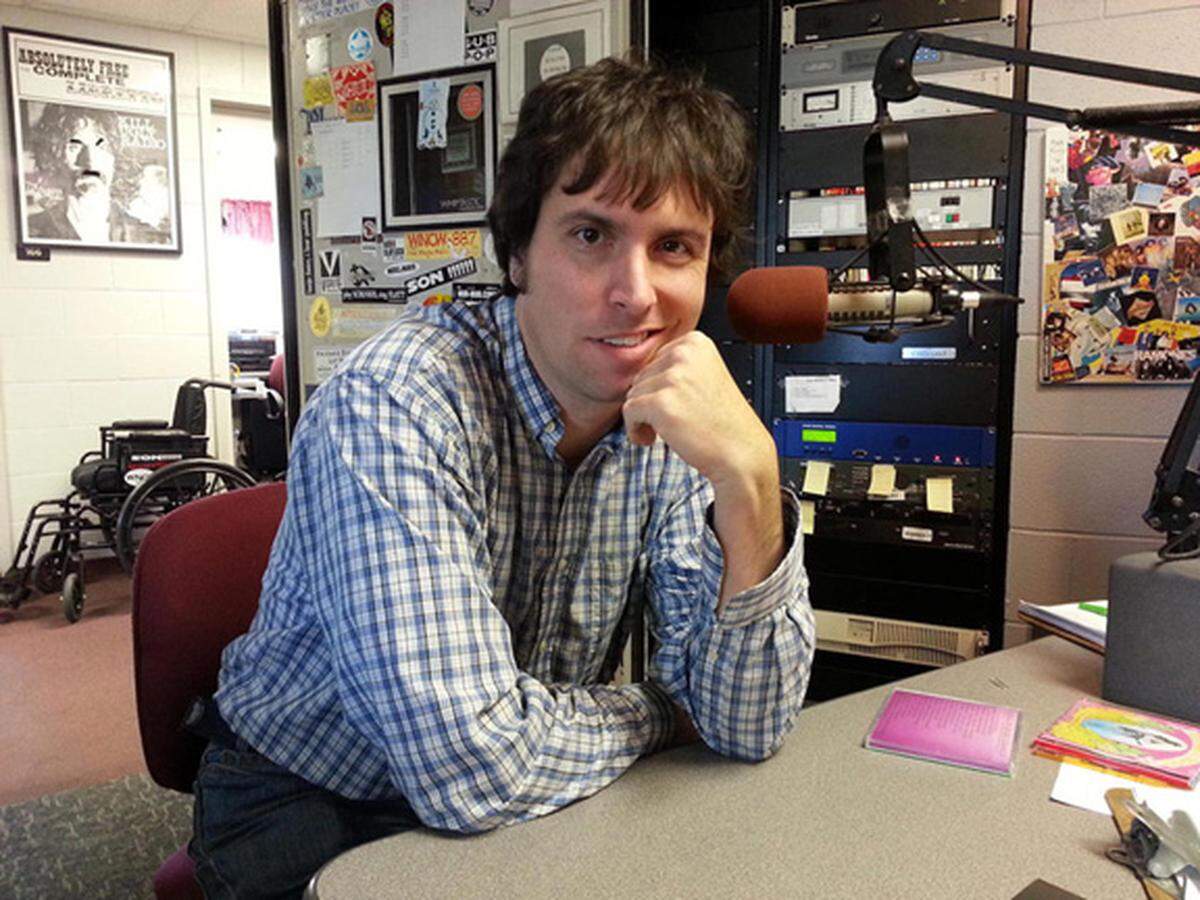
He got up with Ramseur, whom he knew from taking photos for some Avett Brothers albums. Ramseur was a quick yes too, and got into the spirit of the project. “I’ve always worked with things that have been a little bit eclectic,” Ramseur said.
And growing up in the Charlotte area, he recalled flipping on the TV to Channel 18 on weekends, especially Sundays after church, and catching a Marx Brothers movie or another black-and-white comedy.
Working on the Harpo album felt special. “This project sort of pulled at the heart strings,” Ramseur said. “This is not a moneymaker by any means. But sometimes, you know, you just feel like these things need to be done.
“The main goal was, let’s just do it the right way.”
Bader was grateful for Ramseur Records’ commitment to and understanding of the project right from the start. “I want to offer him a Chico record and a Groucho record, so he could have The Avett Brothers and the Marx Brothers,” Bader added, chuckling.
The importance of being Harpo
So what’s next?
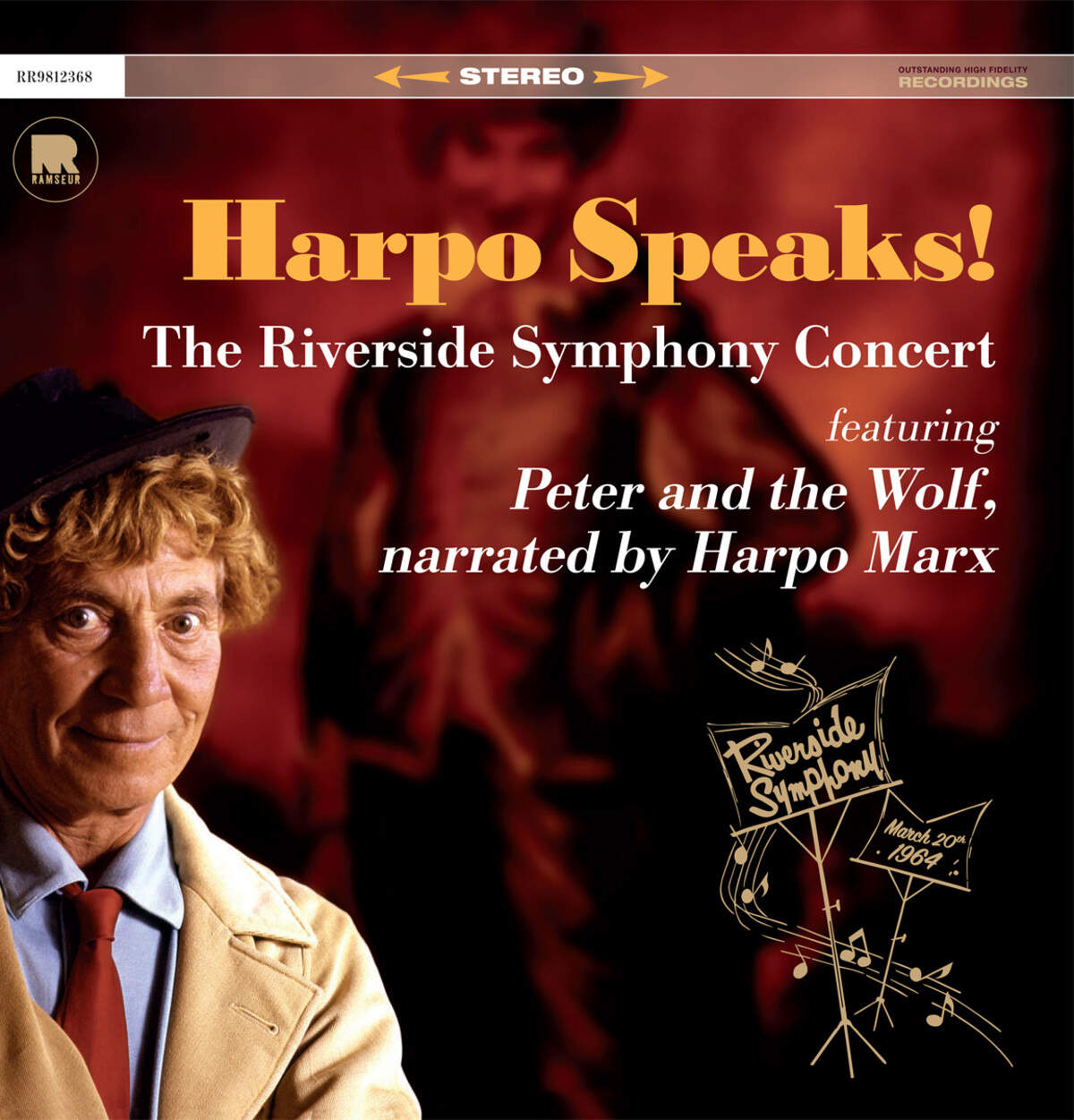
“Harpo Speaks! The Riverside Symphony Concert” will be available on major streaming platforms and in independent record stores as a CD or vinyl record. The album cover includes an evocative 1950s-style “Stereo Outstanding High Fidelity Recordings” banner across the top above a color photo of Harpo.
Ramseur’s eager to spread the word about the project. “It’s a sentimental type release,” he said, “and I’m honored to help get it out into the world.”
He reached out to magicians Penn and Teller, since Teller never speaks on stage, and sent a copy to the director Judd Apatow, who had co-directed an Avett Brothers documentary. Ramseur is also trying to reach a couple Hollywood types who might’ve known Harpo, 100-year-old Dick Van Dyke and soon-to-be-100 Mel Brooks.
And Coston’s hosting a release party at VisArt in Charlotte June 16 at 7:30 p.m.
Bader believes Harpo would’ve been grateful that people remained appreciative of him and his brothers well over a century after they got their start.
“He used to say this himself, that he was just a great big ham, and wanted to be out there making people laugh and smile,” Bader said. “And this (album) is him continuing to do it.”
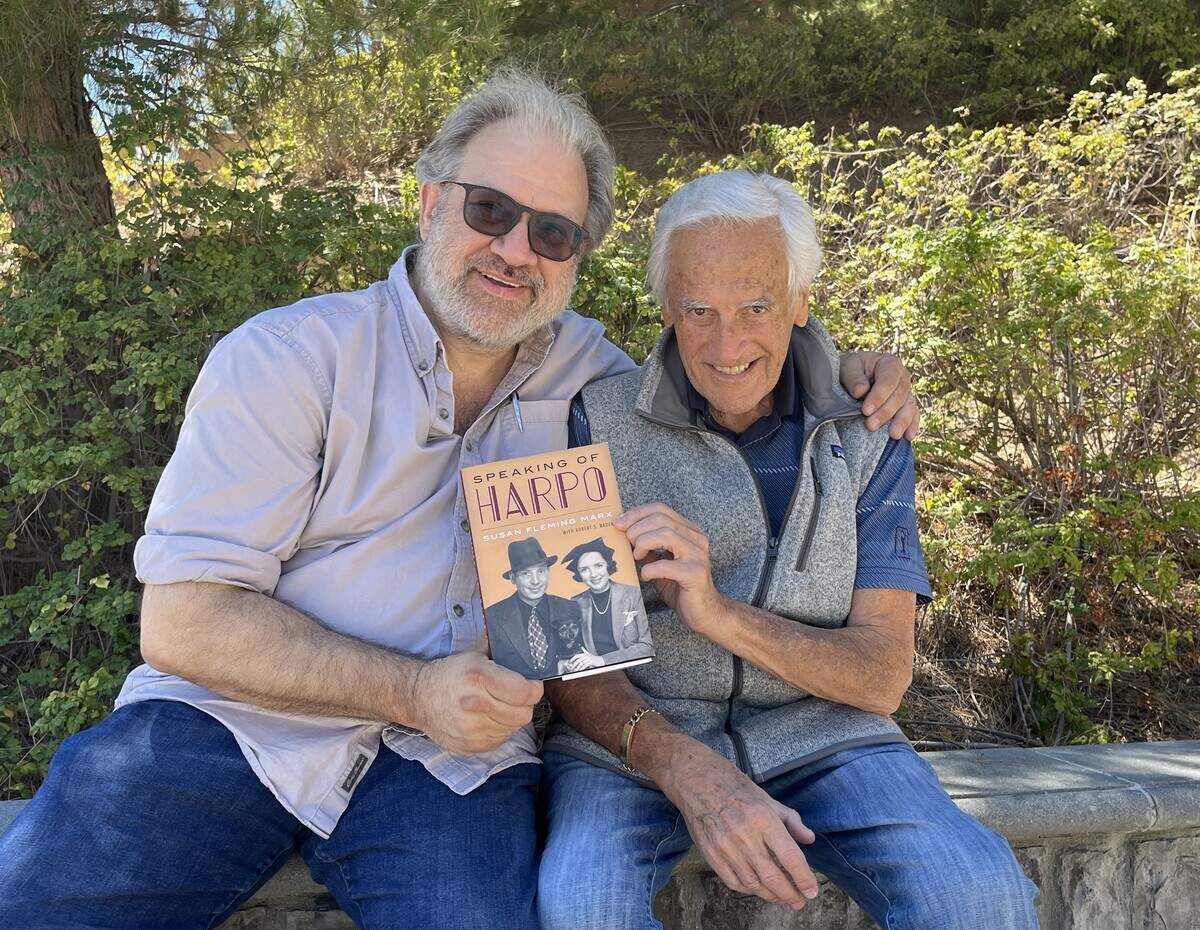
Bill Marx agreed.
He still talks to his dad every day, when he’s in his house or walking by a painting that Harpo made. He said Harpo had given his blessing for the project, thrilled that people still cared.
“It’s wonderful to hear the laughter of a new generation,” the son of Harpo Marx said, “because that is our greatest weapon.”
More arts coverage
Want to see more stories like this? Sign up here for our free, award-winning “Inside Charlotte Arts” newsletter: charlotteobserver.com/newsletters. And you can join our Facebook group, “Inside Charlotte Arts,” by going here: facebook.com/groups/insidecharlottearts.
This story was originally published June 4, 2026 at 5:00 AM.