If you get arrested at a protest in Charlotte, here’s what you should do.
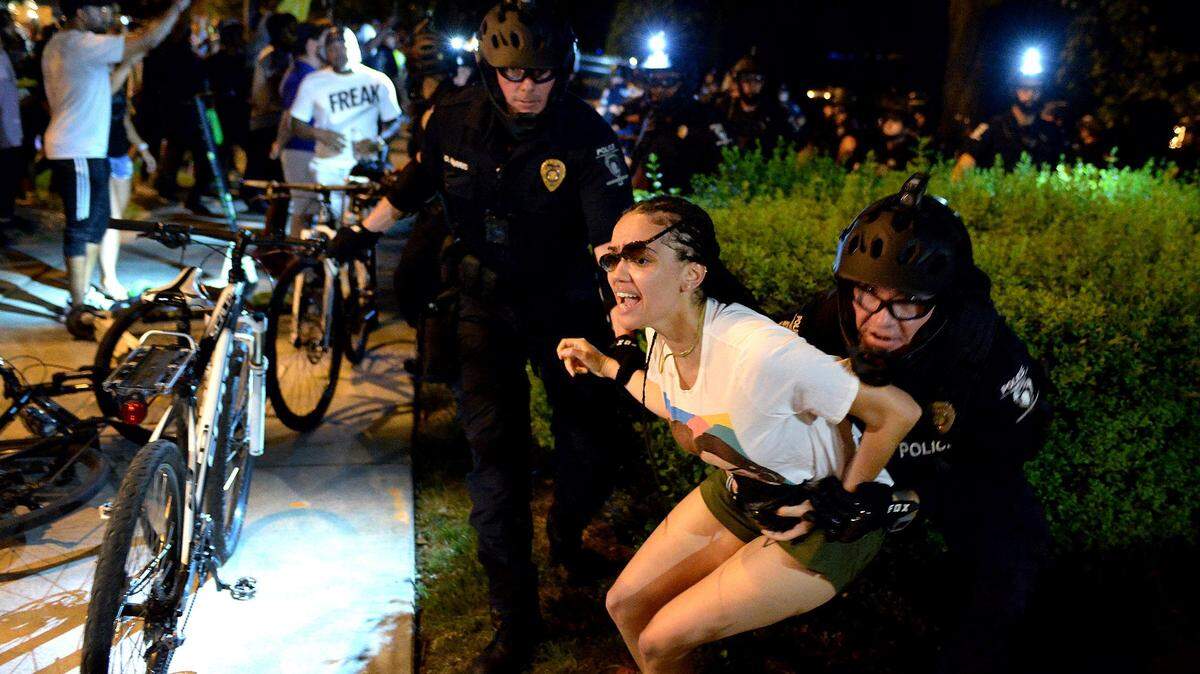
Activists in Charlotte and nationwide have flocked to the streets in support of the movement against police brutality and systematic racism against Black people brought on by the deaths of George Floyd, Ahmaud Arbery, Breonna Taylor and others at the hands of police officers. Videos showing protesters being arrested, sprayed with chemical agents and shot with rubber bullets at largely peaceful rallies have revealed the importance of being prepared for any situation.
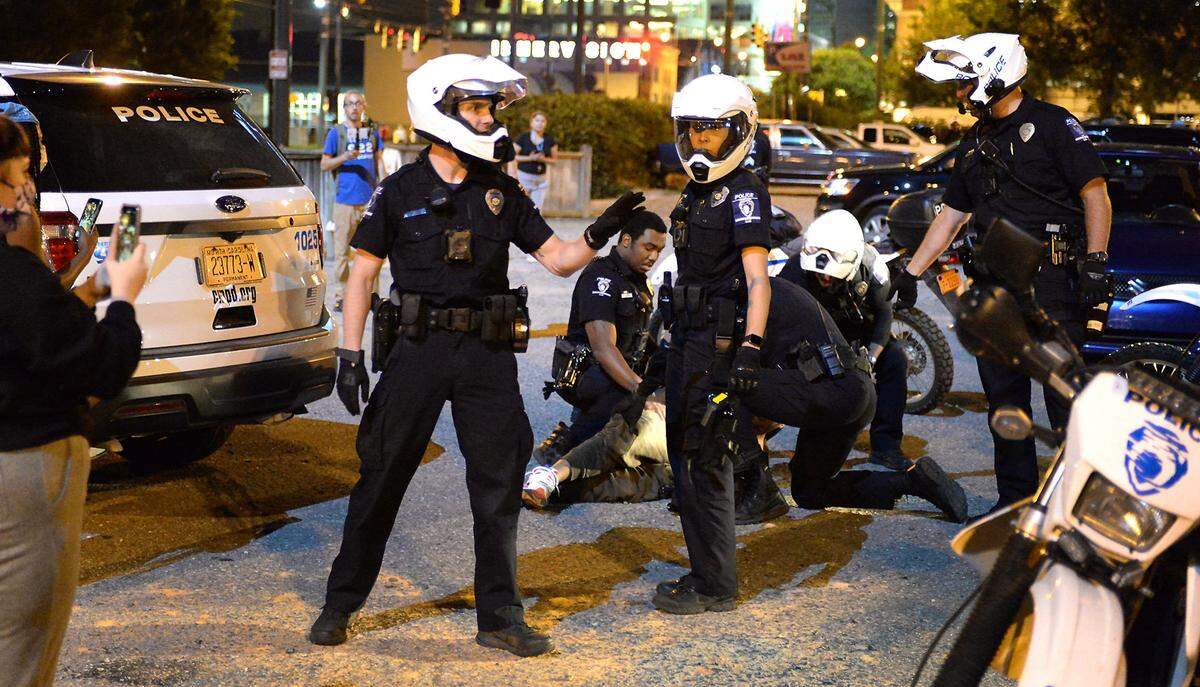
If you’re thinking about joining the front lines of this cause, it is responsible to also consider the possibility of arrest. As of Thursday, more than 10,000 people had been arrested at the recent protests across the U.S., according to an Associated Press count. In Charlotte, more than 100 have been arrested.
Here are some tips from the ACLU site about how to be prepared for your next protest, and what to do if you’re arrested:
What to know before you go:
Your rights are the strongest in “traditional public forums.” These include places such as streets, sidewalks, and parks. You also have the right to protest on government property (e.g., buildings) as long as access to the building hasn’t been blocked or you’re not interfering with what the government building is designed to do.
Private property owners can speak freely on their property. The government does not have the right to restrict your speech if it occurs on your own property or with consent of the property owner.
Counter-protesters also have freedom of speech and must be treated the same by the police. Police are permitted to keep antagonistic groups separate, but should allow them within sight or sound of each other.
You have the right to photograph anything in plain sight, when you are lawfully occupying any public space. If organizing on private property, owners may set rules related to photography or video.
Police cannot confiscate or demand to view your photographs or videos without a warrant. They also cannot destroy your property or data. They do have the right to demand that citizens cease any activities which interfere with legitimate law enforcement operations.
Don’t bring weapons or items that could be considered weapons. Per NC General Statute 14-272.2, any person participating in, or present, at a parade or demonstration is prohibited from carrying or having access to dangerous weapons. This includes “any object capable of inflicting serious bodily injury or death when used as a weapon.”
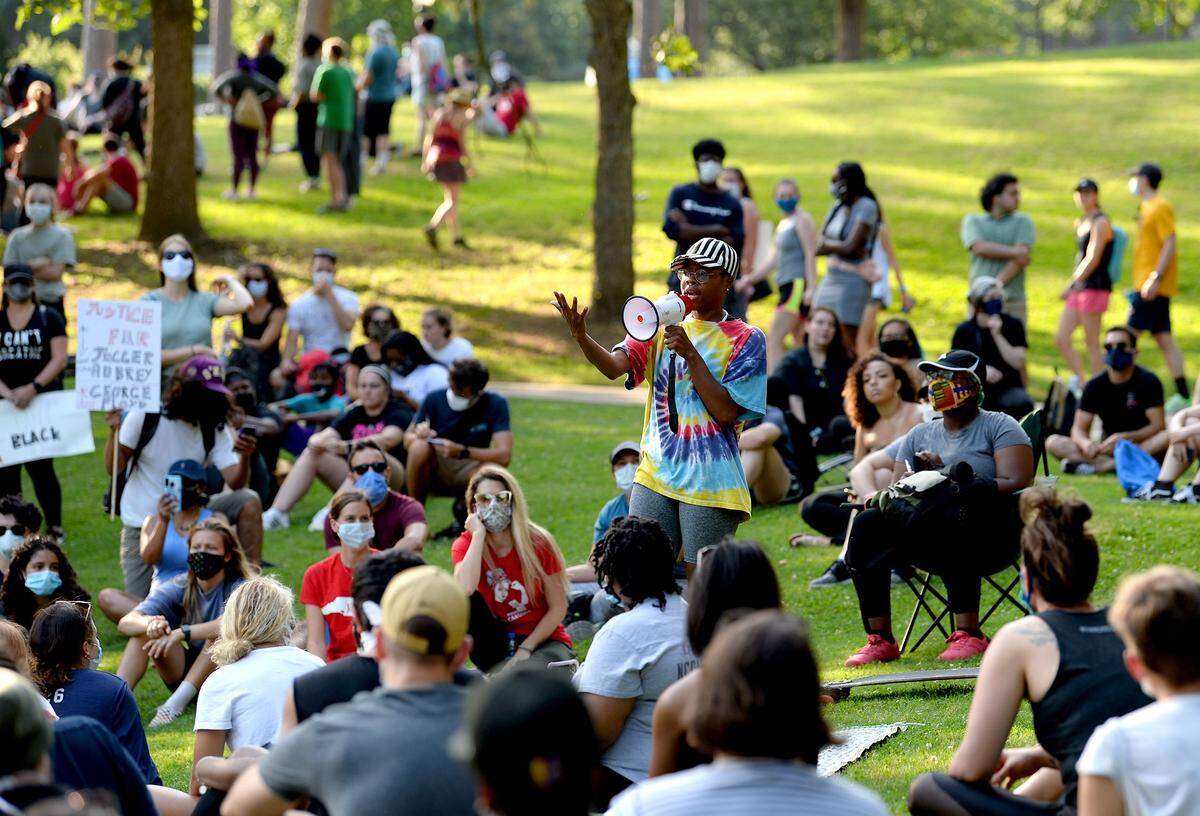
If you’re going to protest, make sure to go with someone, said Glo Merriweather, who led a direct action training at Freedom Park on Thursday afternoon. “Always have a buddy who is accounting for you so if you get missing, if you disappear in the jail, someone is looking for you,” they told hundreds of people gathered for the sessions.
If videotaping, be aware that there is a legal distinction between visual photographic records which are fully protected under the law, and the audio portion of a video, which some states have tried to regulate under state wiretapping laws.
If you feel your rights were violated:
When possible, write down everything you remember regarding the encounter in question including the officer’s badge and patrol car numbers and the agency they work for.
Get the contact information for any witnesses present.
Take photographs of any injuries received
File a complaint with the agency’s internal affairs division or civilian complaint board. — Per ACLU
If you are arrested at a protest
In the event you are arrested, remain calm.
“Don’t panic. Don’t think just because they took you into custody that you’re going away for days or weeks or that your life is over. Respectfully tell [the officer] you’re not going to answer any questions,” said Charlotte attorney George Gibbs of Gibbs Law.
“If you’re taken into custody, they’re going to do a pat-down search. If handcuffed, be respectful and try not to resist. Let us deal with [any issues] on the back end. Let the attorney deal with the difficult part,” Gibbs said.
When it comes to being questioned, know your rights.
“If you feel uncomfortable [while in custody], say, ‘I’d like to speak with legal counsel.’ Once that happens, and you’re in custody, interrogation has to cease,” Gibbs said.
Also, it’s important to note your physical location and to let people know that’s where you are.
“Know where you are in the city limits. For example, if you’re in Union County,” Gibbs said on knowing your surroundings in the event of an arrest. “Keep people informed and be prepared. If you do get arrested, go silent. You’re not going to talk your way out of it.”
Charlotte attorneys representing protesters
Here are a few local attorneys who have indicated an interest in representing protesters free of charge:
Attorney George Gibbs – Gibbs Law
(980) 228-6387
Attorney Andrew Gordon - The Law Offices of Andrew L. Gordon, PLLC
(704) 951-7657
(704) 312-2239
(704) 993-6825
Matthew Griffin contributed to this story.
This story was originally published June 5, 2020 at 6:52 PM.