Get off Twitter — and write your novel — with advice from these Charlotte authors

Aspiring novelists of Charlotte — I see you.
I know you’re scrolling through Twitter for inspiration and clocking too many hours creating aesthetics on Pinterest.
I see you coming up with odd cleaning tasks (scrubbing the baseboards and organizing the spice rack, really?) to avoid putting words on the page.
And I can feel the self-doubt. It happens to the best of us.
Did you know that November is National Novel Writing Month (NaNoWriMo)? There are a few ways to prepare before embarking on a journey to write your book (whether you’re trying to write it in 30 days or not).
But sometimes, no amount of preparation is a substitute for good-old-fashioned advice from people who have actually succeeded in writing a novel. Or a cookbook. Or a guidebook.
I spoke with some of Charlotte’s published authors about their inspiration, their process and their advice, so you can spend less time researching — and more time writing.
Joy Callaway
Joy Callaway is a full-time mom and writer, as well as a former marketing director for a wealth management company.
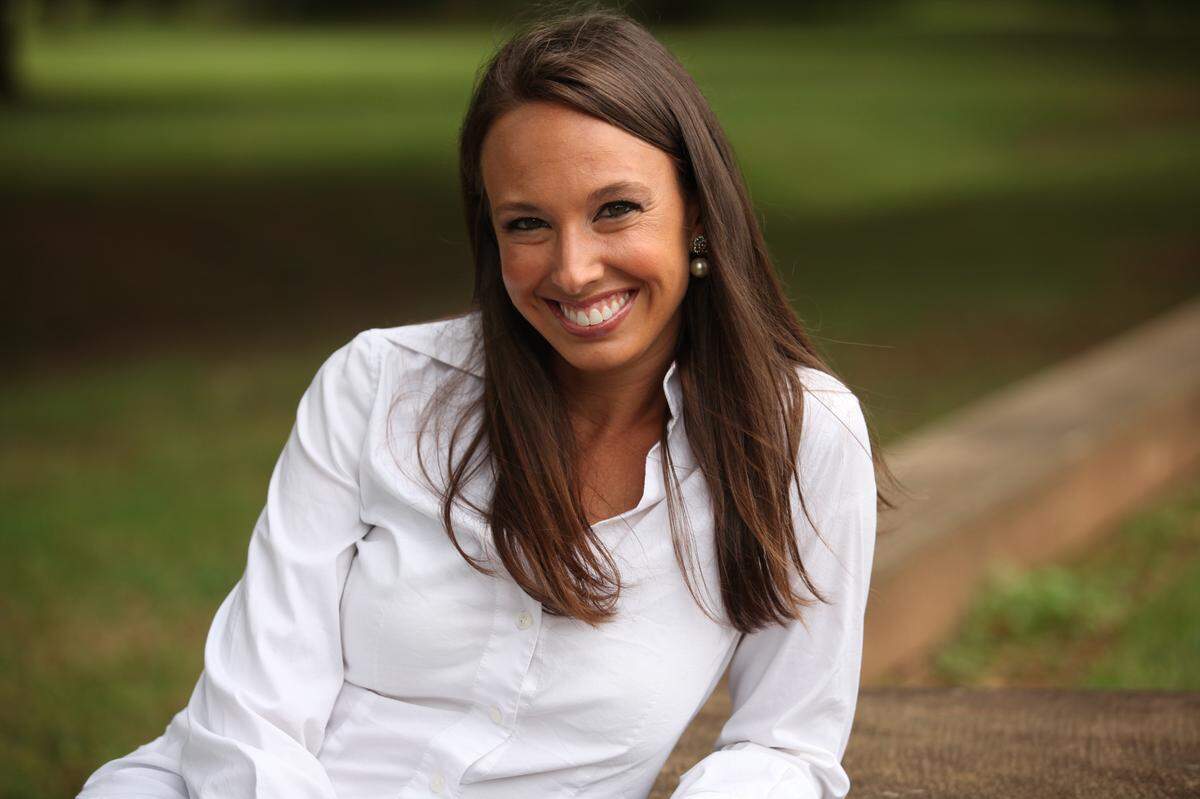
The book: “The Fifth Avenue Artists Society”
The details: Set in 1891 Bronx, this novel tells the tale of Virginia Loftin, an artistic sister living in genteel poverty. She desperately wants to become a celebrated novelist, despite her gender, and to marry the boy next door. Loftin will weather romance and heartbreak, leading her down a road to self-discovery.
The inspiration: “Thankfully, all the women in my family are strong, loving, amazing women who have been such an inspiration to me, and I think that shines through in my characters. The Fifth Avenue Artists Society is actually based on my great-great grandma and her artistic siblings — three of them women — living in the gilded-age Bronx,” Callaway said.
The process: ‘My writing process usually starts with research. I do about two to three months of research before I start writing, and I’ll do more along the way. Somewhere in those two to three months, I’ll write a rough outline — usually just a chapter-by-chapter play-by-play on a legal pad. The outline really helps keep my writing going, and honestly, with two young elementary-age kids, it’s the only way I’m truly efficient with the small amount of writing time I have,” Callaway said.
The advice: “I would advise anyone who wants to write a book to try it. It’s equal parts my job and my hobby, and just a ton of fun. Don’t get discouraged if your first take at writing a novel isn’t the next Great American Novel. You’ll only learn how to write a great novel by writing a novel,” Callaway said.
Rosy Crumpton
Rosy Crumpton is a certified integrative health coach and published writer with 15 years of professional experience in behavioral healthcare.
.jpg "Rosy_006 (1).jpg")
The book: “All I Left Unsaid: A Latina’s Story toward Truth”
The details: Olivia Batista lives in Panama, surrounded by her mother’s extended family before moving to New York. Growing up in the U.S., Batista faces language barriers, new responsibilities and her new stepfather’s family. She must learn to leave her past behind and follow her heart in this coming-of-age novel that explores the themes of family and home.
The inspiration: “When I was 26 years old, I found my biological father on a Google search and flew down to my home country for the first time in 20 years to reconnect with him. In that trip, I met two brothers and a sister I didn’t know I had. When I returned, I began to put my story down on paper. It became more than just a reunion story, but also a story of family struggles, sacrifice, regaining strength and unconditional love,” Crumpton said.
The process: “It took about seven years from the time I first hit ‘save as’ on the Word document until I had my book in hand. It took me about three years to write the book. I spent the following three years self-editing the book. The last year was spent going through the publication process,” Crumpton said.
The advice: “Write about the thing that you’re afraid to write about. Research some, but don’t get stuck in the research phase. Focus on your writing. Write when you feel your creative juices flowing, but also carve out time to allow for those creative moments to happen,” Crumpton said. “And if self-doubt ever creeps in, remember why you started to write in the first place. Keep pushing through.”
Mason Deaver
Mason Deaver is an award-nominated bestselling author and designer, as well as a plant and video game enthusiast.
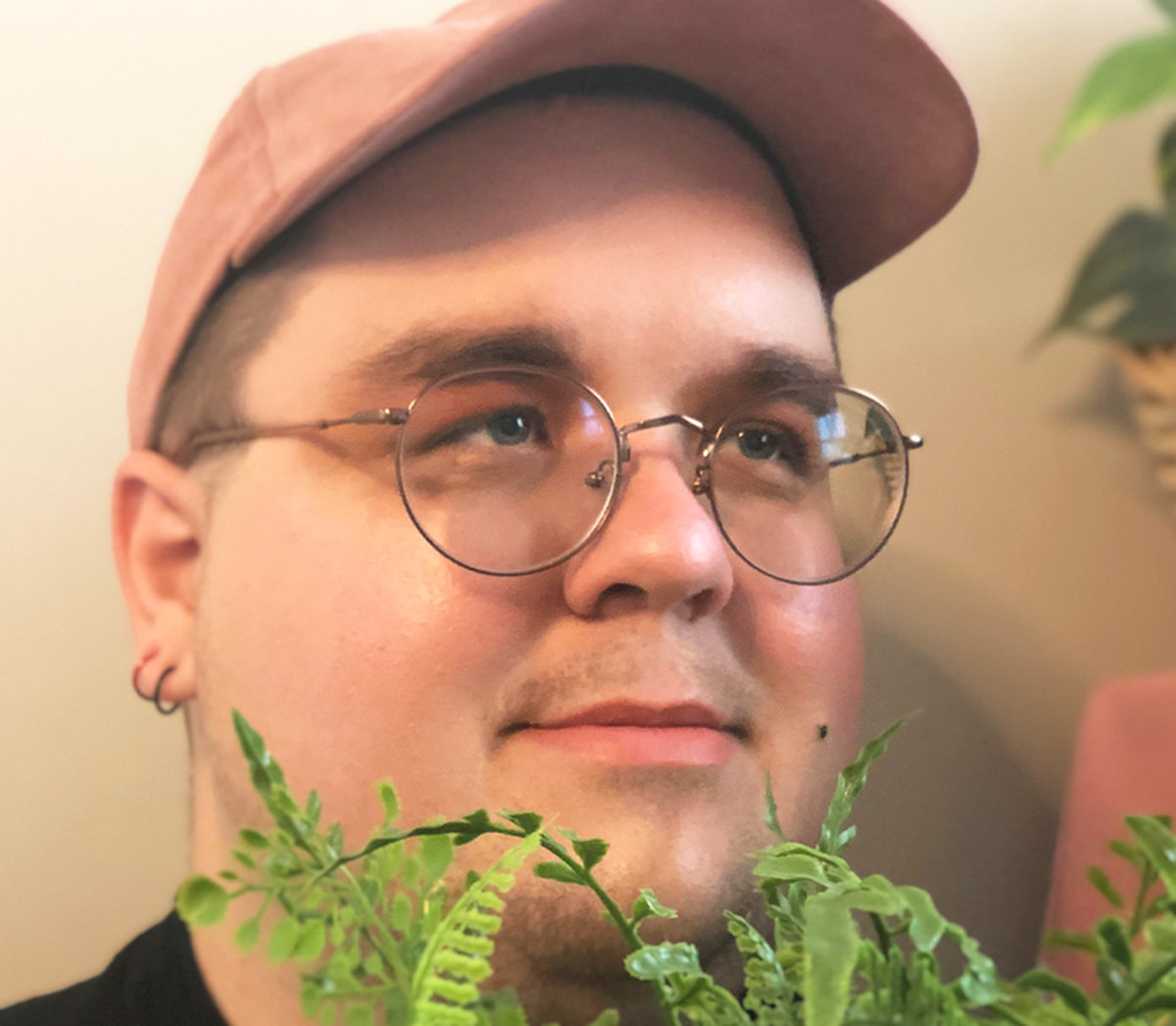
The book: ”I Wish You All the Best”
The details: Described as “a beacon of hope in a broken world” by Nic Stone, the New York Times bestselling author of “Dear Martin,” this young adult debut follows the story of Ben De Backer. Ben is a nonbinary teen who comes out to their parents, only to be thrown out and move in with their estranged older sister. Ben meets Nathan Allen, a charismatic student who takes Ben under his wing. As their friendship grows, so too do their feelings.
The inspiration: “I wrote this book for trans teens who hadn’t had the chance to see themselves on the page. There were books centered on the trans experience, and in fact, stories like “If I Was Your Girl” by Meredith Russo was a big inspiration to me. But there were no books about nonbinary teens, and even now there don’t seem to be that many. I wrote ‘I Wish You All the Best’ for non-binary teens who may be confused or unsure of their feelings, or who maybe just need to feel less alone,” Deaver said.
The process: “It was messy. I write it while working full-time as a librarian. All in all, I think the process took me about six months to come up with a story similar to the one you see on the shelves at the bookstore,” Deaver said.
The advice: “Don’t! Just kidding. I’m wary to give advice; every writer’s journey is different, so applying advice that seems to always be taken universally can be both helpful and harmful. I suppose that would be advice in itself — every journey to publication is different, and even afterwards, no one has the same experience, so comparing and contrasting yourself to people who are on a totally different path to you won’t do you any good,” Deaver said.
Patrice Gopo
Patrice Gopo is an author and essayist who enjoys exploring issues of race, immigration and belonging. Her essays have appeared in The New York Times and The Washington Post.
.jpg "Patrice Gopo Sept 19 Head Shot (large file).jpg")
The book: “All the Colors We Will See”
The details: Gopo grew up in Alaska as the child of Jamaican immigrants with little experience of being Black in America. This collection of essays reflects upon her thoughts on the complexities of identity, immigration questions and race relations and the societal beauty standards we hold in the quest toward belonging.
The inspiration: “An urgency to share my story of social identity formation and the quest for belonging brought me to the page. I am the Black American daughter of Jamacian immigrants who was born and raised in Anchorage, Alaska. As a Black American woman who grew up in a country where my cultural experience doesn’t fully conform to the narrow narrative we often offer Black Americans, I’ve spent much of my life trying to determine where I fit in society. Ultimately, I wrote ‘All the Colors We Will See’ to voice this journey of finding my way through questions of race, ethnicity, faith, family, belonging and home,” Gopo said.
The process: “‘All the Colors We Will See’ is a book of essays. Some of the essays took me years to finish as I was stumbling my way toward the deeper meaning beyond the words. Other essays I completed in a matter of days, the words arriving almost fully formed. Often, my ideas for essays begin as an image or memory, and I follow the trail to unearth the larger reason the image or memory matters. Sometimes, this meaning shows up promptly. More likely, though, this meaning shows up multiple drafts into an essay,” Gopo said.
The advice: “Begin. Start putting words on the page. Sometimes we can become stuck in dreaming about writing a book or hoping to write a book. However, I think the only way we will write a book is to begin. And when I say begin, I mean to let those words flow uncensored, telling the internal critic (something we all have) to step aside. Just get writing and recognize that there will be time in the future to make changes, to edit, to revise. However, before you can get to any of that, you need to generate the words,” Gopo said.
Kimmery Martin
Kimmery Martin is an emergency medicine doctor-turned-novelist. Her novels include “The Queen of Hearts,” “The Antidote for Everything” and an upcoming work about a pandemic (set to release Nov. 2, 2021) — that she started writing before the current pandemic.
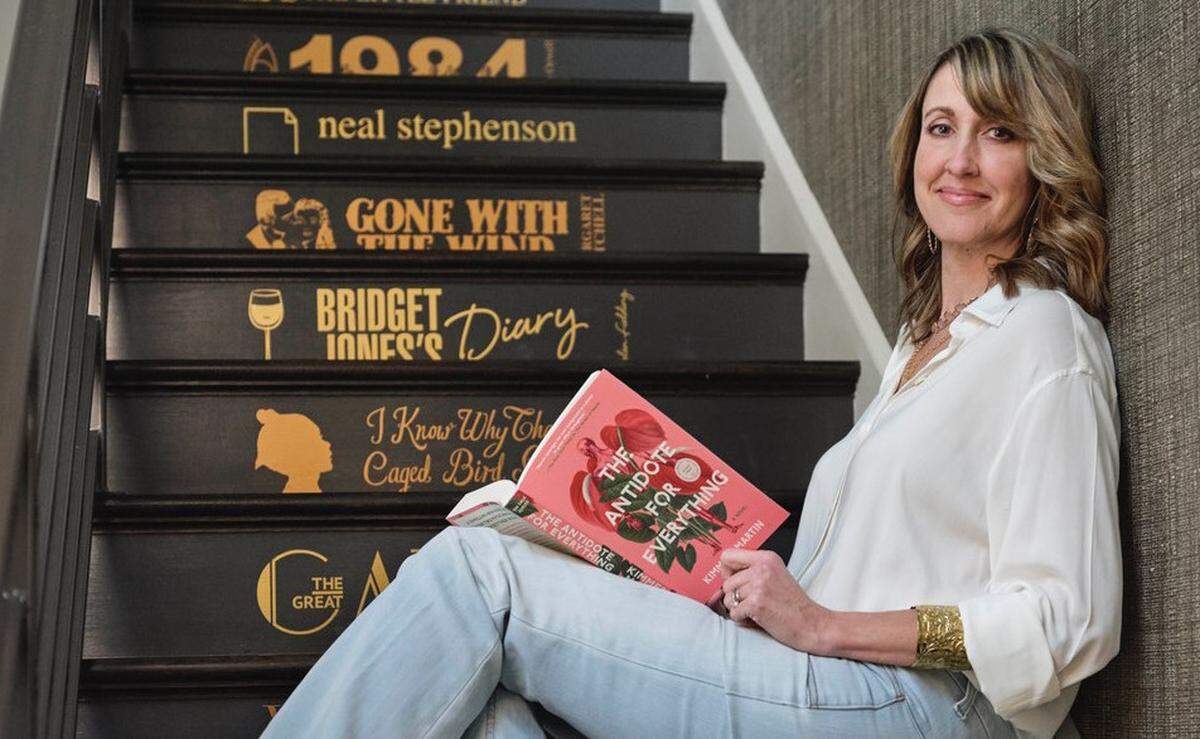
The book: “The Antidote for Everything”
The details: This medical fiction follows the story of Georgia, a Charleston urologist who’s out of the country when she finds out her best friend and colleague, Jonah, is going through a crisis. Jonah, a family medicine doctor, is told he’ll need to stop treating transgender patients because the medical therapies conflict with the priorities of the hospital administrators.
The inspiration: “My current novel, ‘The Antidote for Everything,’ is medical fiction inspired by the situation of a real-life colleague who was instructed by the administrators of the medical practice to stop treating transgender patients. My upcoming novel is all kinds of ironic: it’s a book about a group of female physicians during a brand-new worldwide viral outbreak. It was originally meant as a cautionary tale that we are long overdue for another catastrophic pandemic but obviously I had to adjust the plot a bit when COVID-19 struck,” Martin said.
The process: “It takes me nine or 10 months to produce a crappy first draft and then another year or so to get the manuscript edited and revised. It’s more dependent on the publisher’s timeline than mine, however. Sometimes I have to function at almost unachievable speed, and sometimes I’m stalled, waiting for the availability of my editor or for the right time on the publisher’s list,” Martin said.
The advice: “I have two pieces of advice. First, read. You’d be surprised how many people want to author a book who do not themselves actually read books. I believe the best writers are obsessive readers,” Martin said. “Second, be prepared to encapsulate the plot of your book in one sentence before you write it. This is called a logline and it’s a sentence that details the protagonist and antagonist, the hook — the central question the novel poses — and a short summary of the plot. It’s a hardworking sentence but if you can do that ahead of time, you’ll find it offers a powerful roadmap to actually getting the thing written.”
Chrissie Nelson Rotko
Chrissie Nelson Rotko is a public defender, blogger at Off the Eaten Path and cookbook author.

The book: ”Stunning Spreads: Easy Entertaining with Cheese, Charcuterie, Fondue and Other Shared Fare”
The details: Chrissie prepares over 75 approachable appetizers paired with simple, seasonal cocktails in this must-have cookbook. Look for recipes for beer cheese fondue, roasted garlic dip, bourbon apple butter and more.
The inspiration: “I have always loved reading and writing. My passion for writing and using writing as a creative outlet from my full-time job was my original motivation for starting my blog in 2013. One of my favorite parts of blogging and writing is connecting with my readers through stories about food and easy and approachable recipe ideas,” Rotko said.
The process: “I had about seven to eight months to write and photograph the book. I recipe-tested, wrote and photographed everything. I work full-time as an assistant public defender, so I had to do all of the recipe development, testing and shoot recipe photos on weekends. As my deadline got closer, my weekends became two full days of recipe tasting and photoshoots. I did the bulk of the writing on weekday evenings after work at Central Coffee, one of my favorite local coffee shops,” Rotko said.
The advice: “Some of the best advice I’ve ever received is that you have to run your own race. Don’t focus on what everyone else is doing. Focus on yourself, your work, your goals and what you want to achieve,” Rotko said. “It’s sometimes hard to drown out the noise around you, but focus on what makes you excited and passionate and those feelings will come through in your writing.”
Jonathan E. Smith
Jonathan “Jay” Smith is an award-winning performing artist, actor, writer and vocal coach who graduated from Queens University with a degree in voice performance.
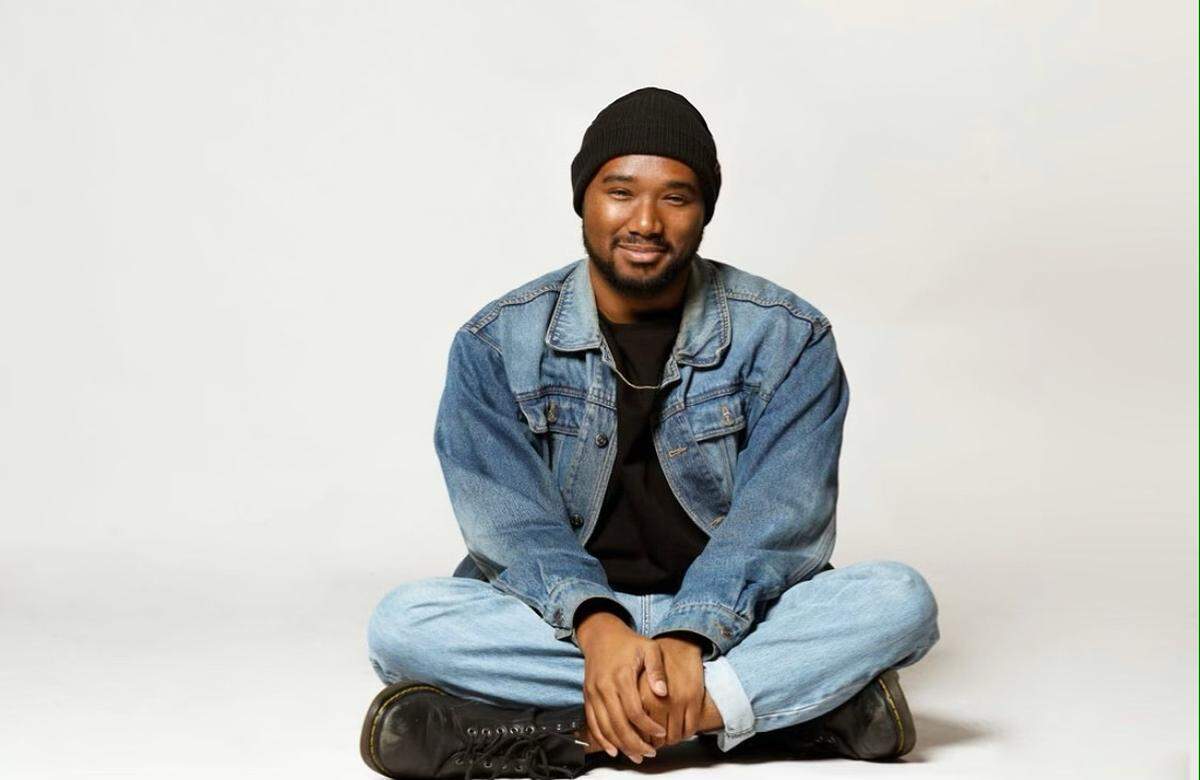
The book: “How I Learned to Sing”
The details: This singer’s self-help book aims to help singers improve their performance through teaching reliable vocal technique. Look for personal accounts detailing Smith’s trails, errors and successes as a vocal student and teacher.
The inspiration: “I was inspired to write ‘How I Learned to Sing’ after I noticed students began asking me for any resources they could refer to outside of lessons. I originally would send them other people’s content and review it with them, but one day I thought, ‘No, Jay, you need to refer them to yourself,’ hence how the book was manifested and birthed,” Smith said.
The process: “Looking back, my writing process looked obsessive, and I totally wouldn’t go the same route again. I finished the entire manuscript in two weeks, but that was with barely any sleep. I didn’t think about anything else until it was complete. I think a small part of me was worried that if I stopped, I would begin procrastinating, and that just wasn’t an option for me at the time,” Smith said.
The advice: “Just finish the manuscript and believe in it. Stop letting your perceived fears about yourself, your writing skills, your story, etc., keep you from getting you to where you want to be,” Smith said. “A lot of people stress over not having the strongest grammar or syntax, not realizing this is why professional editors are there. You do not have to be flawless in order to add value. Always see a project through to the end.”