Dancing, pottery, food: Indigenous Peoples Week celebrates Catawba Indian Nation culture
Over 6,000 years ago, the Catawba Indian Nation settled along the banks of the Catawba River. While it’s estimated their population reached between 15,000-25,000 when settlers first arrived in the mid-1500s, there are now about 3,000 enrolled tribal citizens, many of whom live on a reservation in Rock Hill today.
From Nov. 9-14, the Charlotte Museum of History and Catawba Indian Nation will host a free Indigenous Peoples Week to celebrate indigenous culture. The formerly in-person event has been adapted to a virtual celebration of pottery, dance, food and agriculture via Facebook and YouTube.
“Catawbas have lived in these lands for more than 6,000 years. In that time we have learned many important things about living in a good way with the land and our neighbors,“ Catawba Nation Citizen DeLesslin George-Warren said in a statement. “We are excited to work with The Charlotte Museum of History to share our rich culture and history with the broader community.”
The Catawba are the closest indigenous tribe to Charlotte, but the Cherokee, Coharie and Lumbee tribes live within a few hours of the city.
“The museum’s mission is to save and share Charlotte’s history,” said Adria Focht, president and CEO of The Charlotte Museum History. “The Catawba People have been in this area for thousands of years. So you can’t tell the story of this region – or understand how we got where we are today – without beginning with the Catawba Nation and other indigenous peoples in North Carolina. We are thrilled to offer these history lessons from the people who know it best – the descendants of some of these first residents.”
Get to know the Catawba
To understand the present, it’s important to look into the past. The earliest Catawbas lived in villages with a large council house and a plaza for meetings, dances and games. They were farmers, fishers and hunters, planting crops such as corn and squash.
Though settled along the banks of the Catawba River, the tribal people called themselves yeh is-WEH h’reh, or “people of the river.” The name “Catawba” was appointed by the colonists who settled in the Piedmont during the mid-1500s, when Spanish explorer Hernando de Soto marched his troops through looking for gold, according to the Catawba Indian Nation website.
The settlers brought the opportunity for trade. The Catawbas traded deerskins to the Europeans for knives, kettles, cloth and muskets. But the settlers also brought disease — smallpox ravaged the Catawba villages, leaving less than 1,000 Catawbas by 1760.
While small, the Nation was still mighty. The Catawba warriors were known as the strongest in the land, and during the mid-1700s, the Nation maintained a friendship with the English that brought protection and supplies. The Catawba Nation also aligned with the patriots amid the Revolutionary War to help them gain independence, the website said.
After receiving the title to 144,000 acres, the tribe found it difficult to protect the land from colonists, and eventually rented some of it to settlers. Later, these settlers wanted the land for themselves. To protect their tribe during the Removal Period, the Catawbas negotiated the Treaty at Nations Ford, which gave South Carolina the land in exchange for new land in a less-populated area.
Now, the Catawbas — the only federally-recognized tribe in South Carolina — live near Rock Hill, a prime location for growth and development.
If you’re interested in learning more about which native land you may live on, you can search by ZIP code on the Native Land website.
A celebration of indigenous culture in Charlotte
“The stories of many groups, including our region’s first residents, have been largely ignored or forgotten,” Focht said. “We want to provide these groups with a forum to share their traditions and to celebrate their many contributions to our cultural landscape. We hope to start a dialogue that bridges communities and encourages exploration and collaboration.”
The museum’s Indigenous Peoples Week activities will take place at noon each day, beginning Nov. 9. Register to get links and reminders. All activities are free and include:
Drumming and Dancing in the Catawba Indian Nation
Monday, Nov. 9
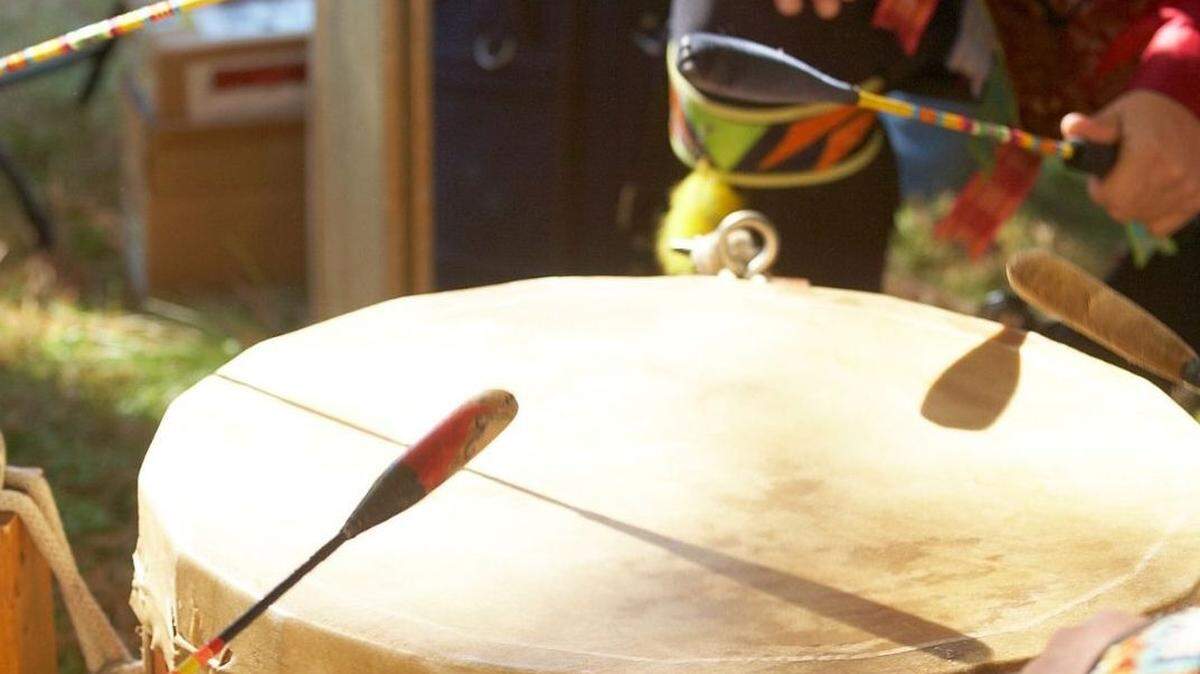
Kassidy Plyler, a coordinator for the Catawba Cultural Center will explore the history of drumming and dancing, which the Catawba people used as a way to recount history and traditions.
Learn: Town Creek Indian Mound State Historic Site
Tuesday, Nov. 10
Explore the history of the Town Creek Indian Mound, a site in central North Carolina that’s been the focus of archaeological research for over 50 years. It’s provided critical information for understanding the early inhabitants of this region.
Veterans Day and the Catawba Indian Nation
Wednesday, Nov. 11
U.S. Army veteran and Catawba Indian Nation member Keith Brown will join Adria Focht, museum president and CEO for a Veterans Day conversation.
Reviving Traditions
Thursday, Nov. 12
Due to the anti-Native politics of the 19th and 20th centuries, the Catawba people lost many traditions. Now, they’re working to revive them. Join representatives of the Catawba Cultural Center, where they’ll share what their research uncovered.
Lunch and Learn — Catawba Pottery: Tradition and Innovation
Friday, Nov. 13
For more than 4,000 years, pottery-making has been an integral part of Catawba identity, with techniques passed from master to apprentice. Join Catawba Indian Nation Chief Bill Harris and his student, Elizabeth Harris, as they put on a live demonstration of this historic art form.
Note: Registration is required for this event.
Folk Traditions of the Catawba People
Saturday, Nov. 14
The University of South Carolina at Lancaster Native American Studies Center is home to the single largest collection of Catawba Indian pottery. It’s mission is to share and interpret Native American history and culture. Settle in while Stephen Criswell, Ph.D., director of Native American studies, shares some of the many Catawba folk traditions.