
Shopping at Charlotte-area thrift shops during COVID-19: Here’s what you need to know
Imagine the empty aisles of a thrift store — colorful sweaters gathering dust as knick knacks sit alone on shelves with no inquiring hands to prod at them.
Charlotte thrift shop owners are introducing new safety measures during COVID-19 so that this situation will not materialize yet again. Operating a secondhand store during the coronavirus pandemic has had owners facing challenges they say they had never envisioned.
Just a few months into the pandemic, the Plaza Midwood location of Arizona-based Buffalo Exchange decided to permanently close, with an announcement via a sign on its door in mid-June. The company cited the financial impacts from the COVID-19 shutdown, alongside logistical challenges.
The Royal Empire Thrift Shop LLC in Charlotte remains temporarily closed due to COVID-19, and many others are just emerging from prolonged breaks and closures.
Several consignment store owners told CharlotteFive that thrifters are concerned about the safety of browsing and buying secondhand items. Many shops in Charlotte have added extra safety precautions, from steps as basic to hand sanitizer to ones as in-depth as quarantining tried-on clothes in a back hallway.
Before shopping at thrift stores, it’s a good idea to reach out to your store of choice and ask if the staff is following CDC guidelines for disinfecting clothes, such as washing old jeans on the very hottest setting.
Temporary closures, new challenges
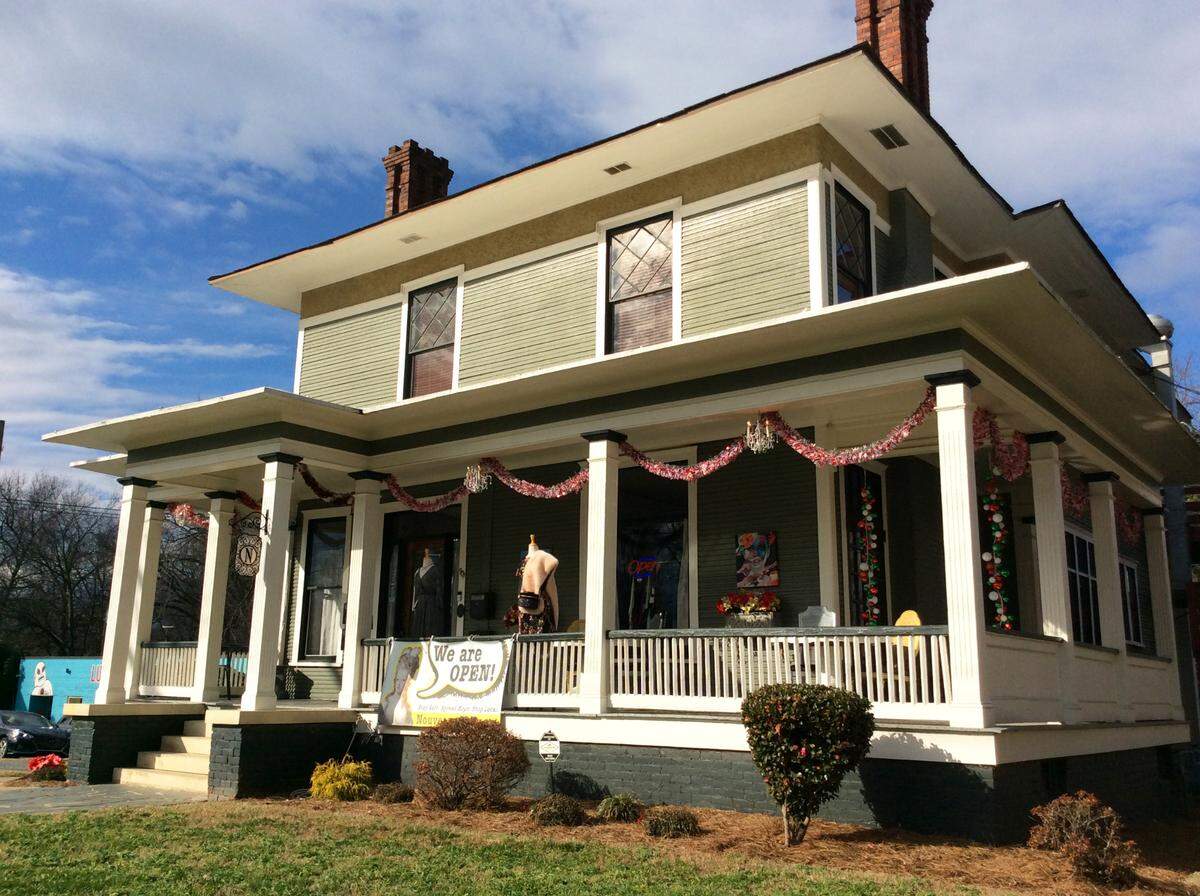
Nouveaux, a high-end consignment boutique that moved from Ballantyne to Plaza Midwood in November 2019, was closed from March 29 to May 9. Even before Gov. Roy Cooper announced the March COVID-19 stay-at-home order, business had fallen to about 25% of what was usual, owner Kim Austin told CharlotteFive. Since then, it has been a slow climb back to 40-50% of normal business. “So it’s been a very difficult year,” she said.
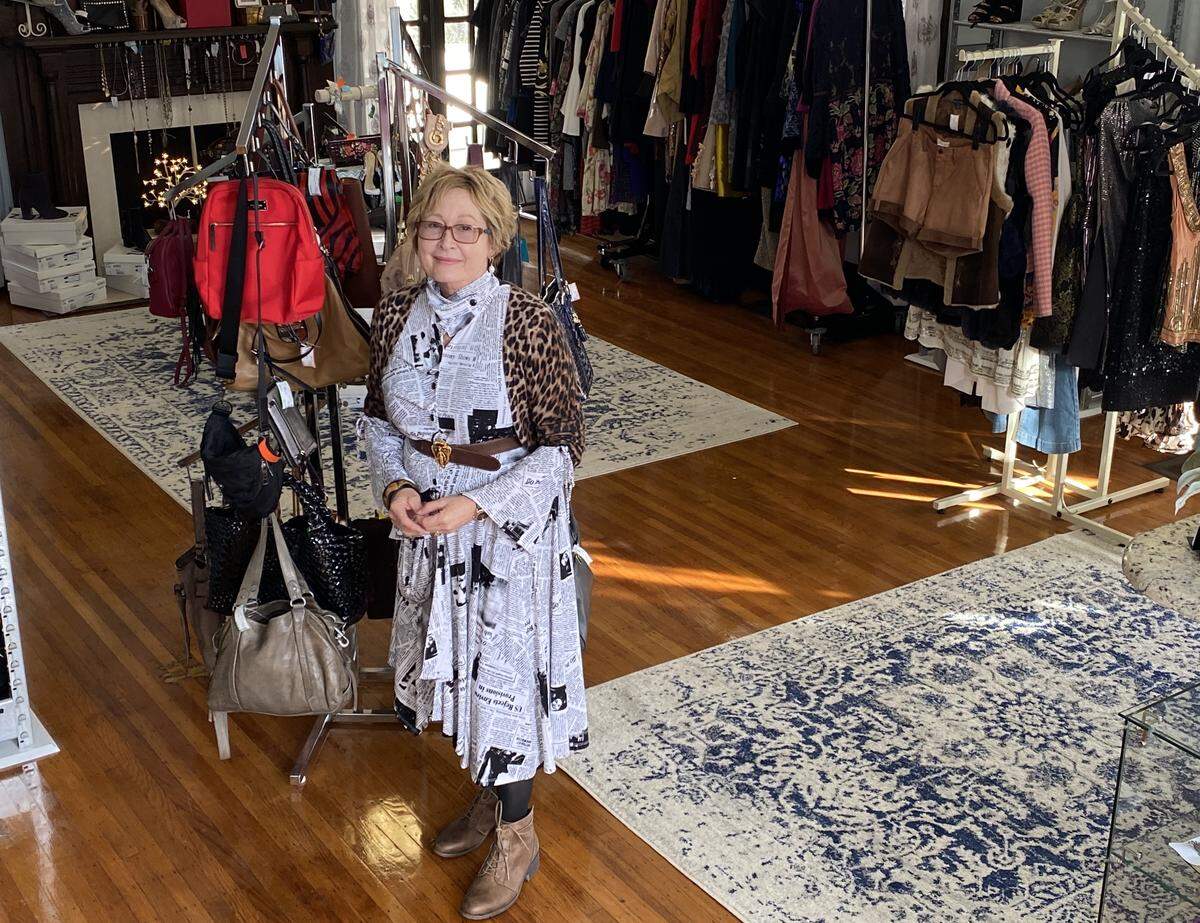
Austin moved the business to Plaza Midwood shortly after purchasing it. Little did she know that the already daunting task of operating a newly relocated business would become more difficult by the challenges of 2020. Austin said she hasn’t been able to pay herself since she started the store.
The store received Paycheck Protection Payment funds and a grant from the Foundation For The Carolinas to help keep its doors open.
Austin said that even without a pandemic, it is more difficult to keep a thrift store open than some other types of retail business. Secondhand stores are labor intensive because they acquire merchandise from consignors. Each item must be researched, priced and listed in a system. In contrast, fast-fashion retailers receive items that are already tagged and ready to be listed and sold.
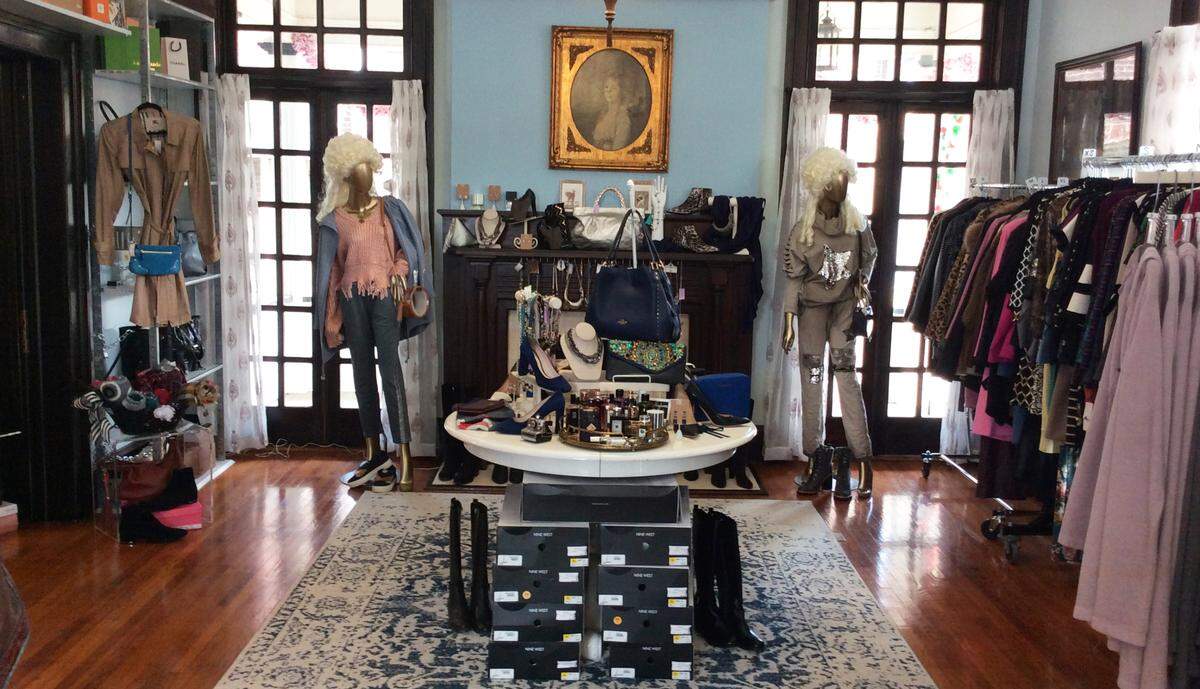
Despite the extra effort, Austin said she finds the work extremely rewarding. “It’s kind of a treasure hunt when you shop in a consignment store, but it’s also kind of a treasure hunt for consignors to get merchandise from their consignors.”
During stay-at-home order, more time to clean out the closet
During COVID-19, temporary store closures combined with customers avoiding non-essential errands means fewer clothing sales. But retailers are still sifting through the same amount of consigned items, if not more.
Pam Brown, owner of Simply Curvy in Rock Hill, South Carolina, temporarily closed her store a few months before COVID-19 hit to spend more time with her family, and when she was finally ready to reopen, the stay-at-home order had begun. However, when shops were allowed to reopen, Brown felt discouraged trying to restart in the face of COVID-19 challenges, so she remained closed. This time spent closed would turn out to be a crucial time for consignment shop owners.
At the beginning of the pandemic, individuals were finally finding time to go through their messy closets and stocked attics, research from NBC’s Today indicates. This meant consignors were finally dropping off the items they had long harbored and were bringing them to packed Goodwills and other local thrift shops. This creates a surplus of stock during a decrease in demand because of government regulations closing stores for a while.
“We missed the opportunity at first when everyone was out cleaning out their closets — but at that time, no one was shopping. So we missed the opportunity — but at the same time, what would we have done with all those items?”
Brown found herself battling with permanently closing the store.
Adapting to New Business Models
Brown decided to take another business approach. She combined her business’s plus-size fashions with another Charlotte thrift store, The Consignment Queens, owned by Shirley Hines. The shops now run a joint venture featuring all different sizes and styles of clothing.
Both Brown and her new business partner, Hines, have found some success doing online sales via Facebook live. Still, Brown speculated they only have about 25% of the business they had prior to the pandemic.
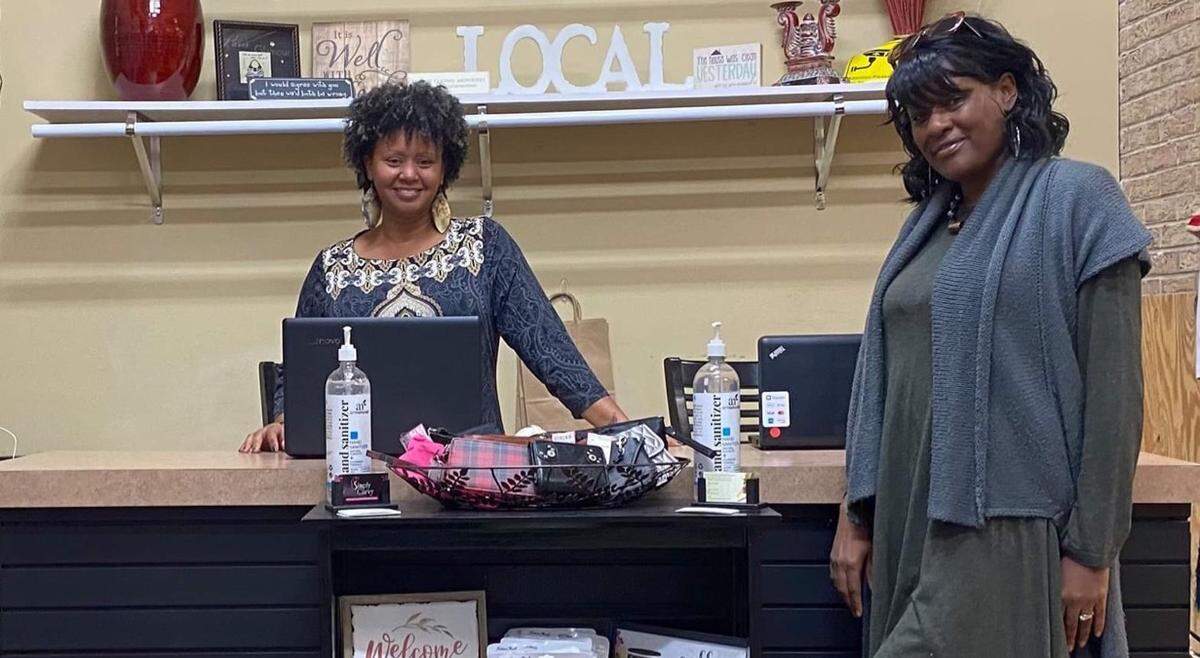
Brown detailed a few ways Charlotteans can help support her business during these stressful times, highlighting the importance of word-of-mouth endorsements that can turn customers to her Facebook page and shop. The best way individuals can support her, she says, is “just getting the word out that we are here.”
Another local thrift store, Brand Name Consignment in Cornelius, also found itself having to adapt in order to stay open. The store’s staff was used to customers coming in to buy designer evening wear and business clothing before COVID-19. Now, workers find shoppers are looking to buy leggings, sweats and loungewear. Store owner Lorraine Smith told CharlotteFive: “It’s nothing like our normal clientele.”
Smith said she believes the store’s effort to sell comfort clothing and activewear has helped her business return to a slight normalcy. Brand Name Consignment continues to have more customers frequent the shop, yet some days still feel extremely slow. “It’s an unpredictable year,” Smith said.
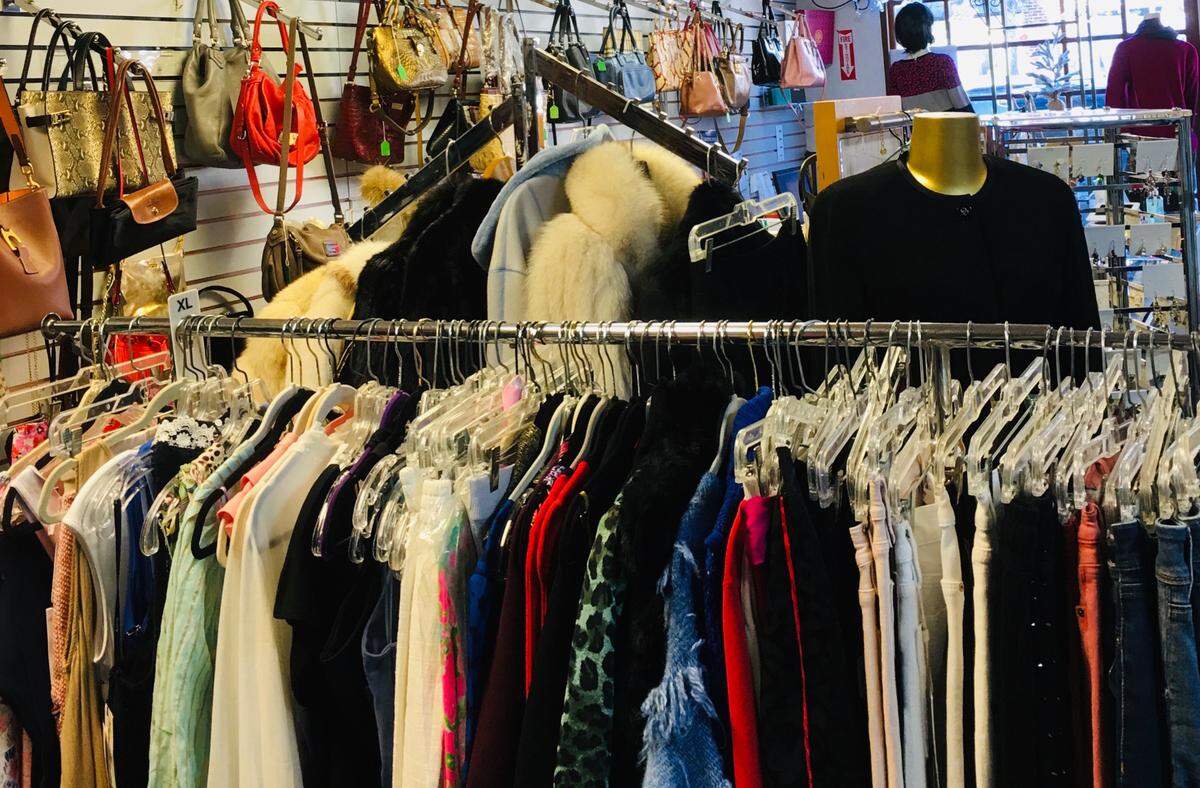
As the pandemic’s new way of life has entirely altered what Charlotte customers are shopping for, many shoppers still continue to shop online for their clothing needs.
In a time where online shopping has reached peak popularity, thrifting provides a much-needed more eco-friendly alternative. “We’re upcycling clothing and accessories for reuse and giving beautiful things new life,” Austin said.
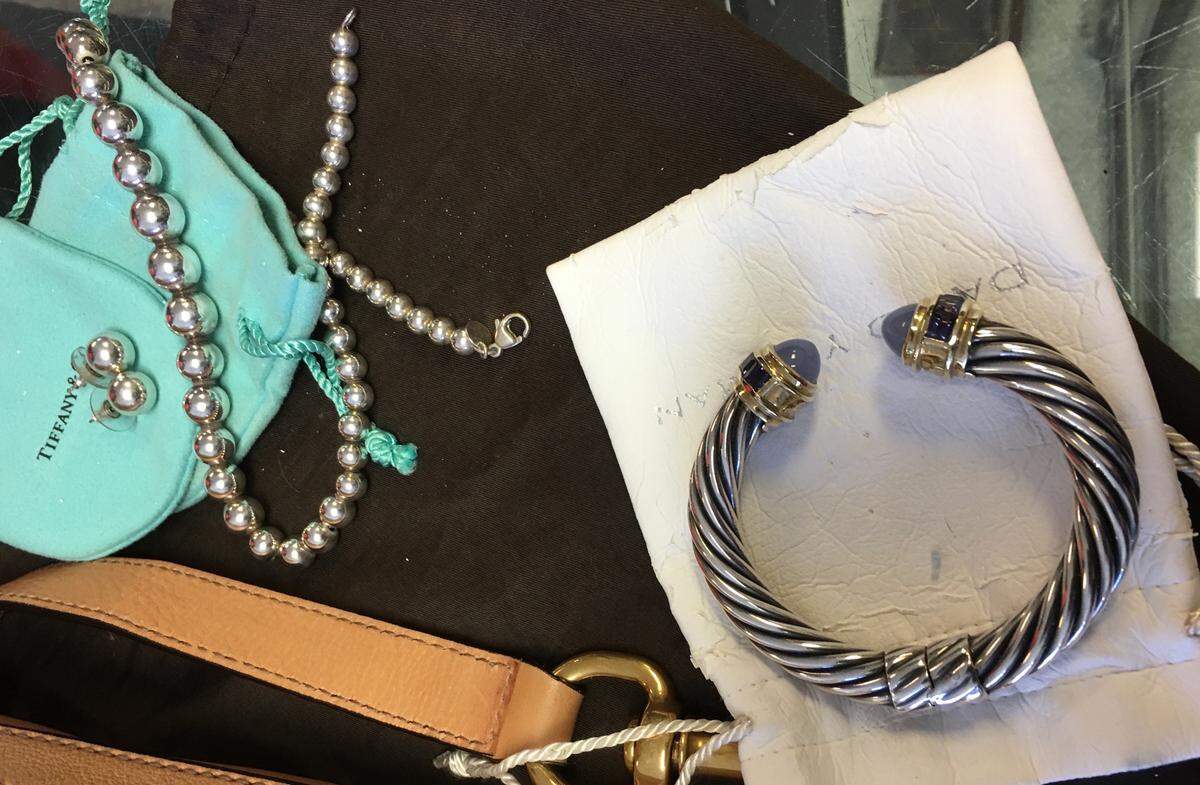
The store owners urged customers to shop local during these times — reminding Charlotteans that their shopping habits have effects on the environment as well as helping small, local businesses to keep their doors open.
How to shop secondhand safely during COVID
If you’re concerned about shopping for clothes during the coronavirus, you’re not alone.
The likelihood of a thrifted item being contaminated with the coronavirus is just as likely as a new item. So, while the objects and clothing may not be the highest risk during shopping, there are a few things to consider.
Here are some tips for safer thrifting during COVID-19:
Call ahead or check the store’s website and social media to ensure the store is following safety protocols.
Try to limit the amount of time inside the shop and keep your distance. If you’re looking for something specific, consider calling ahead and asking the store owner if it is present and can be set aside.
Wash hands upon returning home, and launder all new-to-you clothing on the hottest setting after departing from the store.
This story was originally published January 12, 2021 at 12:14 PM.