Your guide to understanding the Day of the Dead ahead of Charlotte celebrations
Editor’s note: Do you have an ofrenda in your home to celebrate Dia de los Muertos? Email us a photo of it to charlottefive@charlottefive.com, and we might publish it.
Rosalia Torres-Weiner, an artist who grew up in Mexico City, is helping Charlotte celebrate Dia de los Muertos, the Day of the Dead. Here’s a quick explainer for those who are unfamiliar with the holiday.
In short: Celebrated Nov. 1-2 on the Catholic holy days of All Saints Day and All Souls Day, the Day of the Dead has nothing to do with Halloween. Instead, it honors loved ones who have died. “We’re not sad; we’re not upset. We’re celebrating their life,” Torres-Weiner told CharlotteFive.
This year, you can celebrate Day of the Dead at Camp North End from noon-8 p.m. on Saturday, Nov. 4. The annual Festival Día de Muertos celebration, presented in partnership with the Latin American Coalition, will feature traditional foods, folkloric arts and crafts, community altars, traditional dances and fun activities for children.
The background: The Latin American holiday originated in Mexico and honors the dead with lively celebrations and ofrendas, or altars. It combines indigenous Aztec practices with Catholicism, brought to the region by the Spanish.
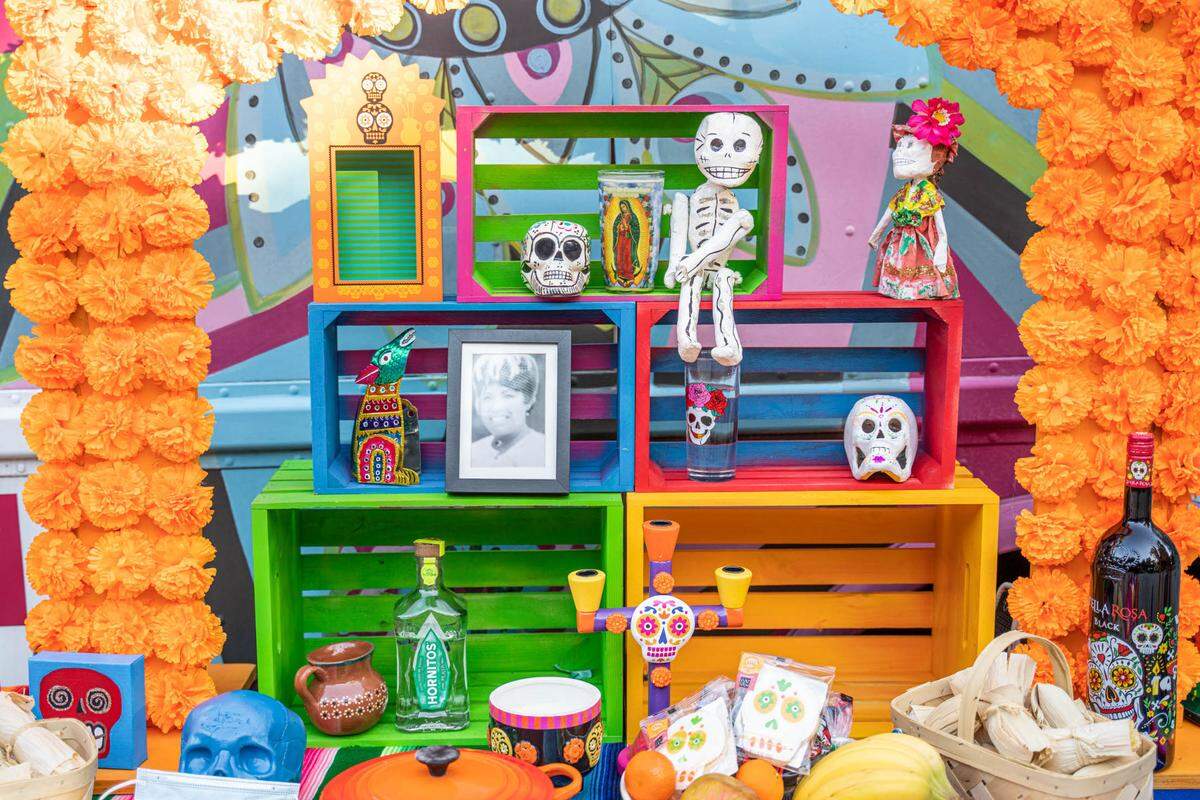
What are ofrendas?: To celebrate the Day of the Dead, families set up an ofrenda on a table with everything their deceased loved ones enjoyed, such as their favorite and drink, she said. Often, they’ll play music for the deceased, as well.
The four elements of nature are incorporated:
Candles represent fire.
Food represents earth.
Water, beer or tequila represents water.
Decorative tissue paper known as “papel picado” represents wind or air.
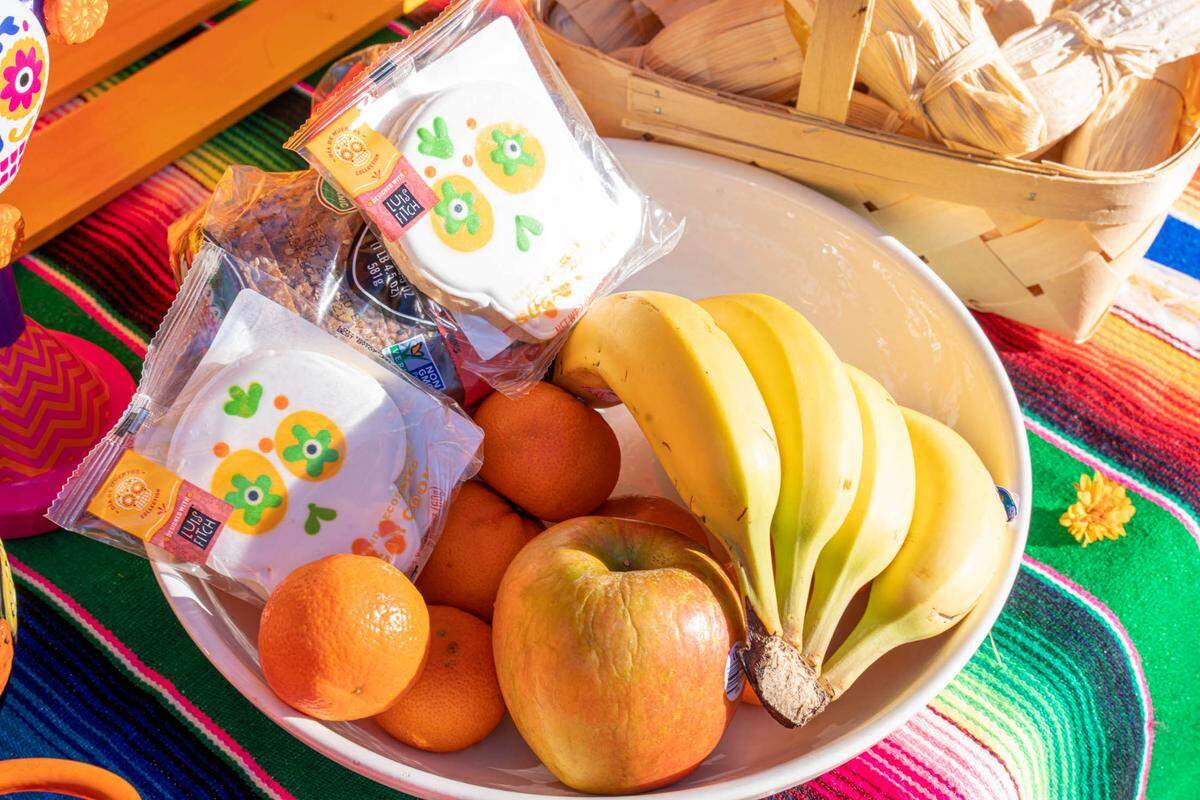
What happens next?: A flowered arch around the ofrenda table where the souls are said to come through and enjoy the feast. “We believe the scent of the flowers is so strong, it attracts them,” Torres-Weiner said. And the candles act “like the lights at the airport” to help loved ones find us, she said.
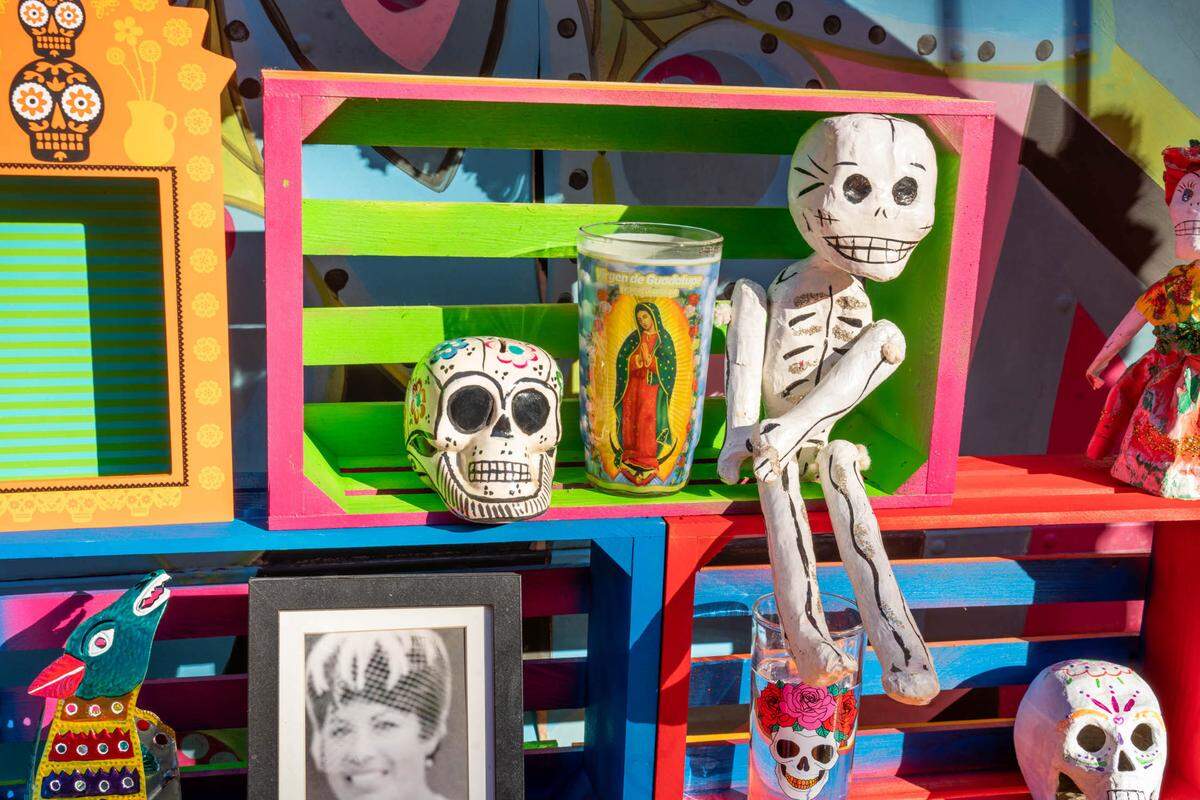
What do the skulls and skeletons represent?: You’ll often see sugar skulls and masks. They represent the dead who have been awakened to share celebrations with their loved ones, and skeletons are often dressed up and posed as if they were having a great time.
Your ofrendas
In 2021, Isabel Aranda created this ofrenda to honor her departed loved ones.
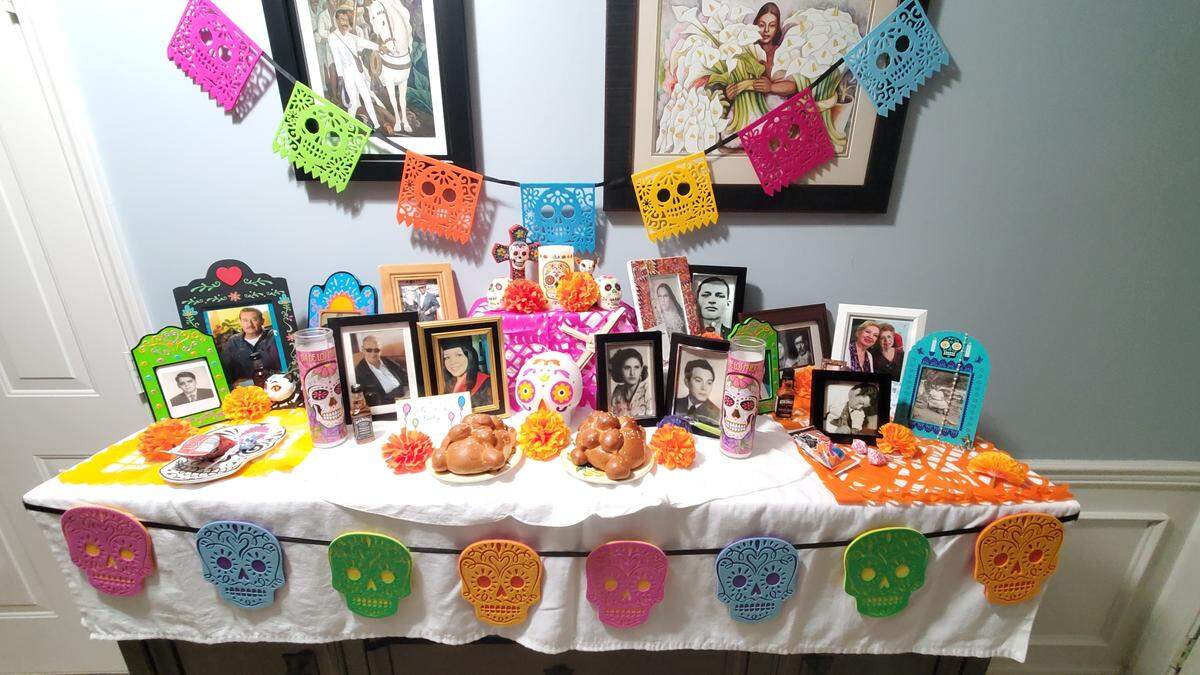
CharlotteFive reader Cherie Clark sent in a picture last year of the one she created for her husband of 42 years, who died in 2020. “Hope he visits,” she said then.
.jpeg "image0 (1).jpeg")
Editor’s note: A similar version of this story appeared in 2021 and 2022 and has been updated.
This story was originally published October 27, 2022 at 5:30 AM.