
How Charlotte African, Latin and Indian dance groups foster culture + community
It’s a Wednesday night in Charlotte, and you can hear the rhythmic tapping of Mexican folklórico boots from the studio next door. That’s when 12-year-old J.P. Contreras takes a moment to share what makes dance different from the other sports he enjoys.
“Nothing can compare to dance because it’s where you get to be who you are, with the emotions, actions and movements,” said Contreras, a member of El Alma de la Luna’s Dance Academy’s elite team. “When you dance, you just feel the vibes.”
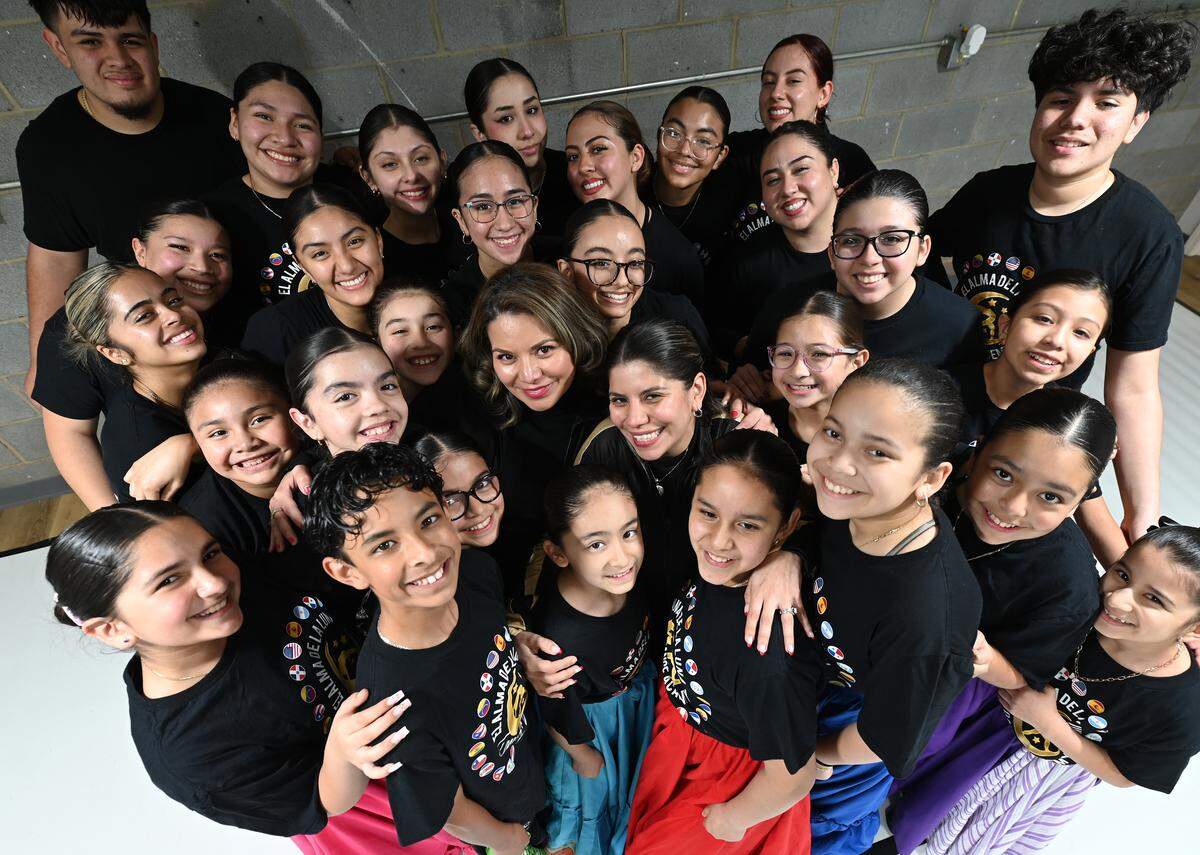
And at this studio in Charlotte’s Montclaire South neighborhood, those vibes come with a Latin American flair. Students like Contreras, whose father is from El Salvador and mother is Colombian, can lean into their Latin heritage with a program rooted in cultural pride and tradition.
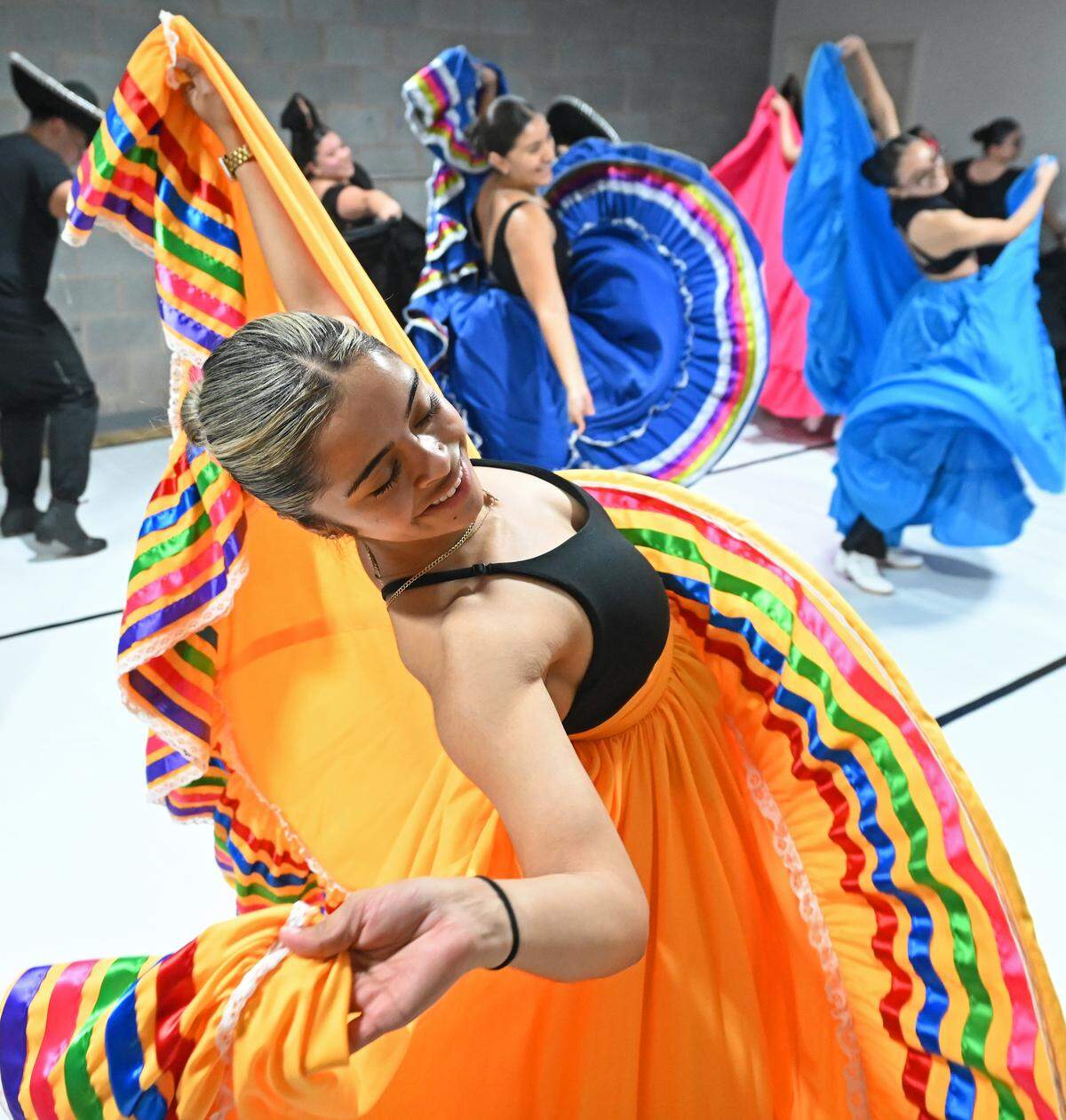
El Alma de la Luna is one of several local dance organizations in the region that highlight folk or traditional dance in classes and programming. The Charlotte Observer recently spoke with representatives of El Alma de la Luna, Dances of India and Charlotte African Drum and Dance Collective to see what’s behind the dances they teach.
At each one, students learn much more than movements alone. They discover the history and the cultural significance behind dances and rhythms, build community and develop life skills like self-discipline, confidence and resilience.
Celebrating Latin American culture in dance
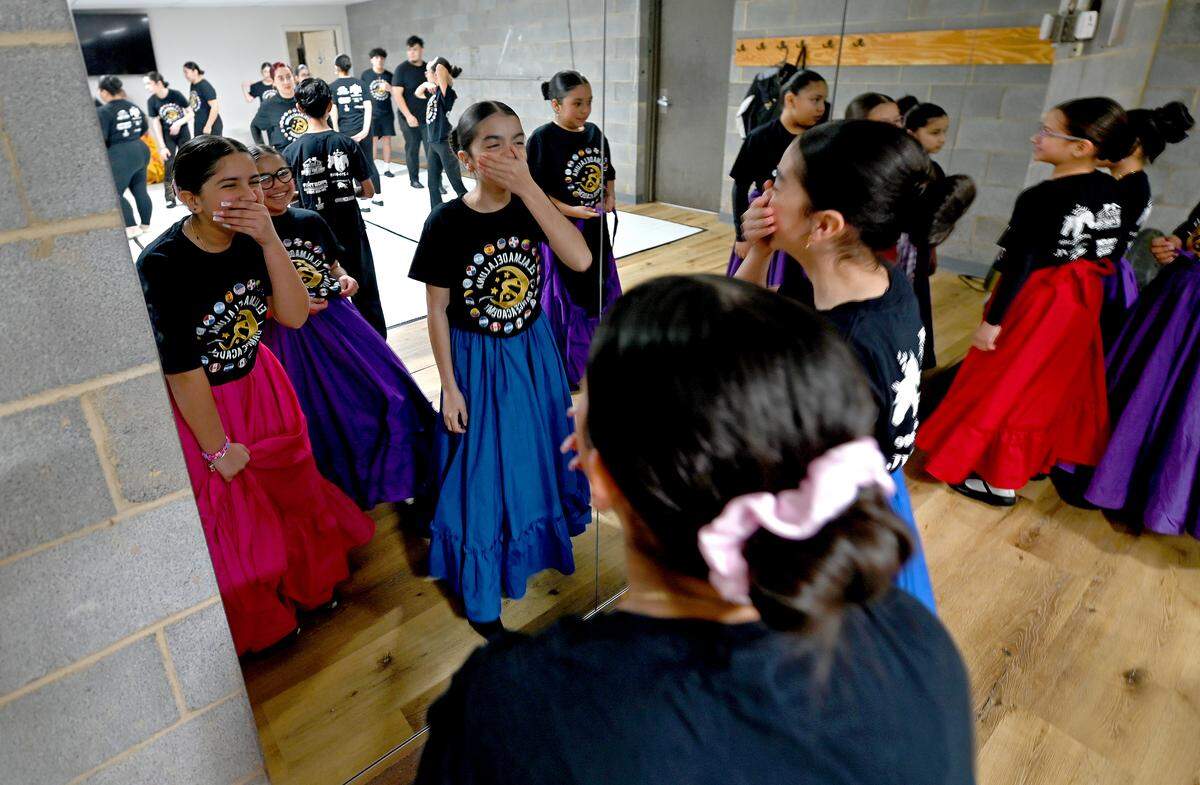
At first glance, this could be any standard dance class around the city: girls’ hair pulled back in buns, kids wearing sleek black practice uniforms and on breaks you might catch a couple giggling or giving piggyback rides. But when the music starts, the kids don’t miss a beat.
They’re ready with big smiles, precise moves and lots of energy as co-director and instructor Selene Pringle counts them in: “¡Cinco, seis, siete, y!”
At El Alma de la Luna, all classes are conducted in Spanish, no matter what style of dance is being practiced. Sometimes it takes a few months for students to get comfortable with that idea, especially if they only speak English at home.
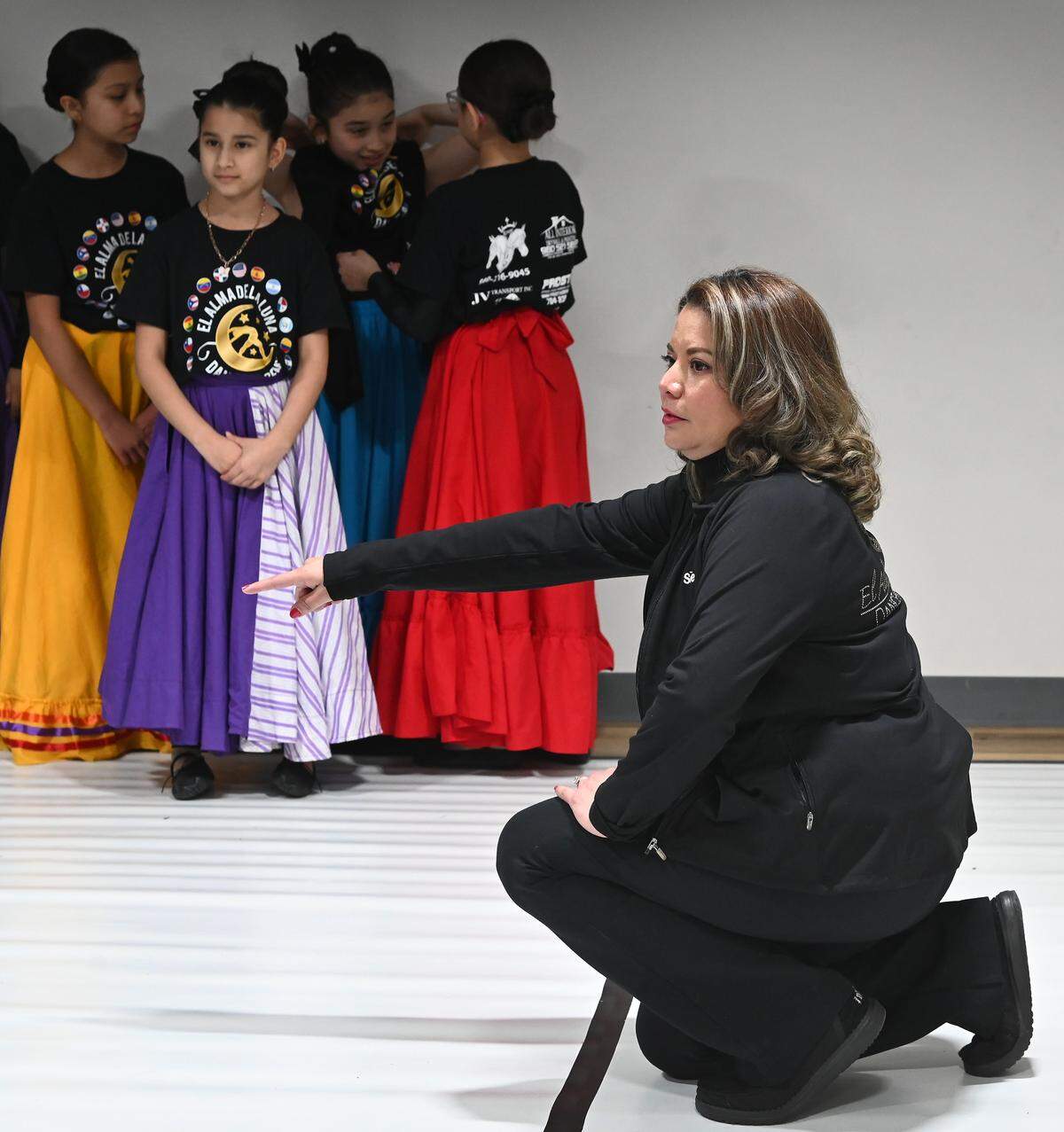
“We think it’s very important that we celebrate our culture,” said Pringle, who started the organization with her sister, Alma Campuzano, in 2007.
“We love the kids to practice to speak Spanish, to understand what they’re dancing about ... When they come here, and even though we’re all bilingual, we try to encourage (them) to keep that side of their culture, identity and expect it to be celebrated.”
Costumes, music and dance steps reinforce cultural pride. Details on costumes often carry history with them, Campuzano said, including traces of a Spanish colonial past for many Latin American countries.
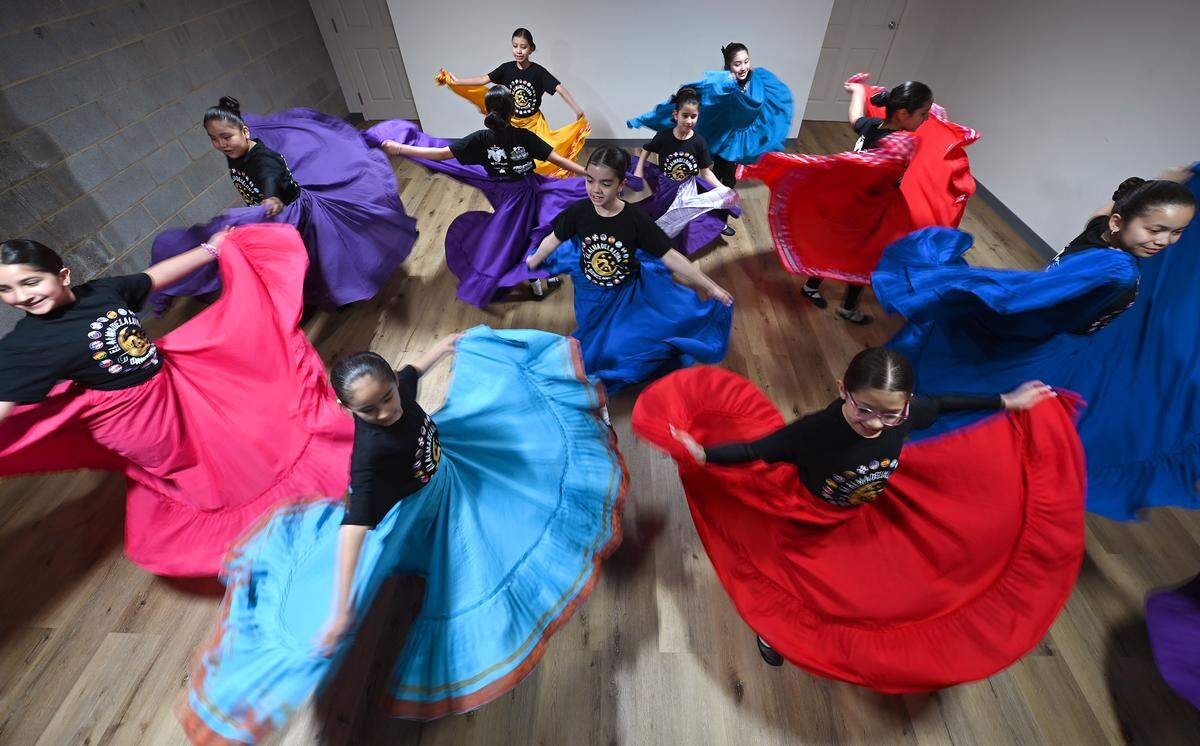
Students rehearsed for a special appearance at a Charlotte Hornets halftime show. The music was modern — tunes that Campuzano said often get played at Latin parties — but the dance fused multiple styles.
That was especially apparent when the youngest group of dancers, around ages 8 to 12, stepped out to join the older teens and 20-somethings.
They spun and twirled the edges of their long doble vuelo (double circle) practice skirts, in bright hues of red, yellow and blue, creating a wave-like movement when they turned.
“Our signature is to mix contemporary, ballet and traditional dance, also with modern dance,” said Pringle. “The kids are very passionate about learning something that is new, but it also has some heritage.”
Students’ families have roots across Latin America. They learn dances from many places, including Argentina, Peru, Honduras and Guatemala.
“We keep adding every year,” Pringle said. The academy tries to hire native teachers to share their expertise directly with students, or current instructors take classes and travel to bring that knowledge back home.
Pringle was in Spain last November finishing a yearlong certification program in flamenco dance when U.S. Customs and Border Protection and Immigration and Customs Enforcement activities surged in Charlotte, with visibly aggressive tactics and hundreds of arrests.
Many students, their families and teachers were scared to leave their homes, fearing racial profiling.
From abroad, Pringle helped coordinate safety measures, like checking security cameras, and guiding families on protocols for admitting outsiders into the studio. Some classes took place on Zoom, other families quit because of personal hardship and the studio closed entirely for about two weeks.
Campuzano and her 13-year-old son stepped in to provide direct support, distributing food, groceries and supplies to families.
“These were dark and stressful days. We know people personally who were detained,” Pringle said. “The emotional toll has been significant. It is not something we would wish on any community.”
At the same time, experiencing that hardship strengthened a sense of responsibility to one another.
“If anything, this period deepened the meaning of our work. Passing along traditions is not just about choreography. It becomes about preserving identity, grounding children in pride, and giving them stability when the outside world feels uncertain,” Pringle said.
“Our studio became more than a rehearsal space. It became a place of reassurance.”
Developing confidence, pride and knowledge with Dances of India
Maha Gingrich, who founded Dances of India in 2000, occasionally gets midnight calls from current or former students.
“Sometimes they tell me things and talk to me about things that they don’t talk to their parents about,” said Gingrich, a professional classical dancer and business leader.
That reflects the closeness developed over the long period of time she works with her students. Graduating from her program of Indian classical dance takes about seven to 10 years.
She aspires to be a guru rather than a teacher to her students. Teachers, she said, share information. But gurus look at individual students, see their potential and weaknesses, and determine how to “shape this person to be a success throughout their lives, not just today, not just for this dance.”
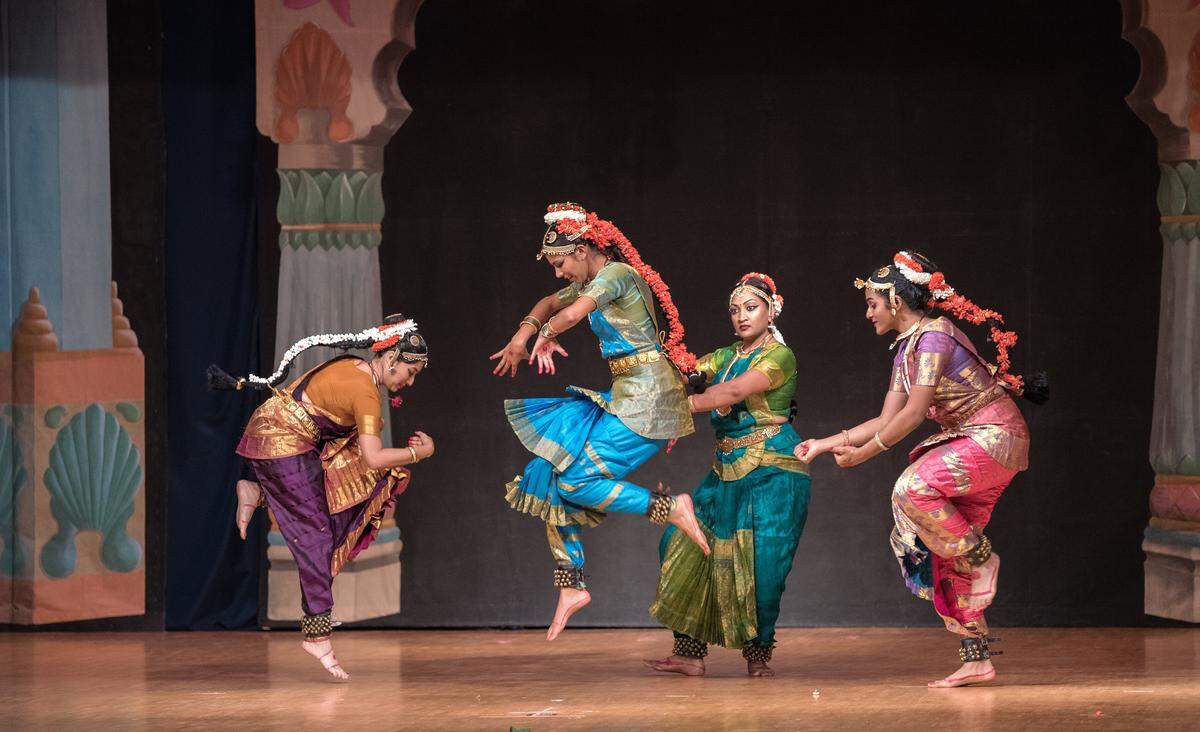
Through her classes, held on Saturdays in the Myers Park area, students learn traditional and folk dances from across India. The main focus of her program is Bharata Natyam, Indian classical dance from Southern India.
A 3,000-year-old tradition, Gingrich said it is a very structured dance form.
“It’s like learning classical ballet,” she said. “And so they have to learn from the very posture and first beat of their feet all the way up to where they do advanced dances and they graduate.”
Students learn about the symbolism in the dances they perform, including the dramas drawn from Indian epics and Hindu tradition.
“Every folk dance, every classical dance has a story behind it,” Gingrich said. “There is nothing that is just dance for the sake of dancing.”
Part of her motivation for starting the school was a response to seeing pop stars or Bollywood style dancers plucking moves from traditional Indian dance. She worried that the stories behind them were not being passed along to a younger generation.
She wants students to understand their meaning, where they come from, what they are trying to teach as well as why dancers dress a certain way when performing them.
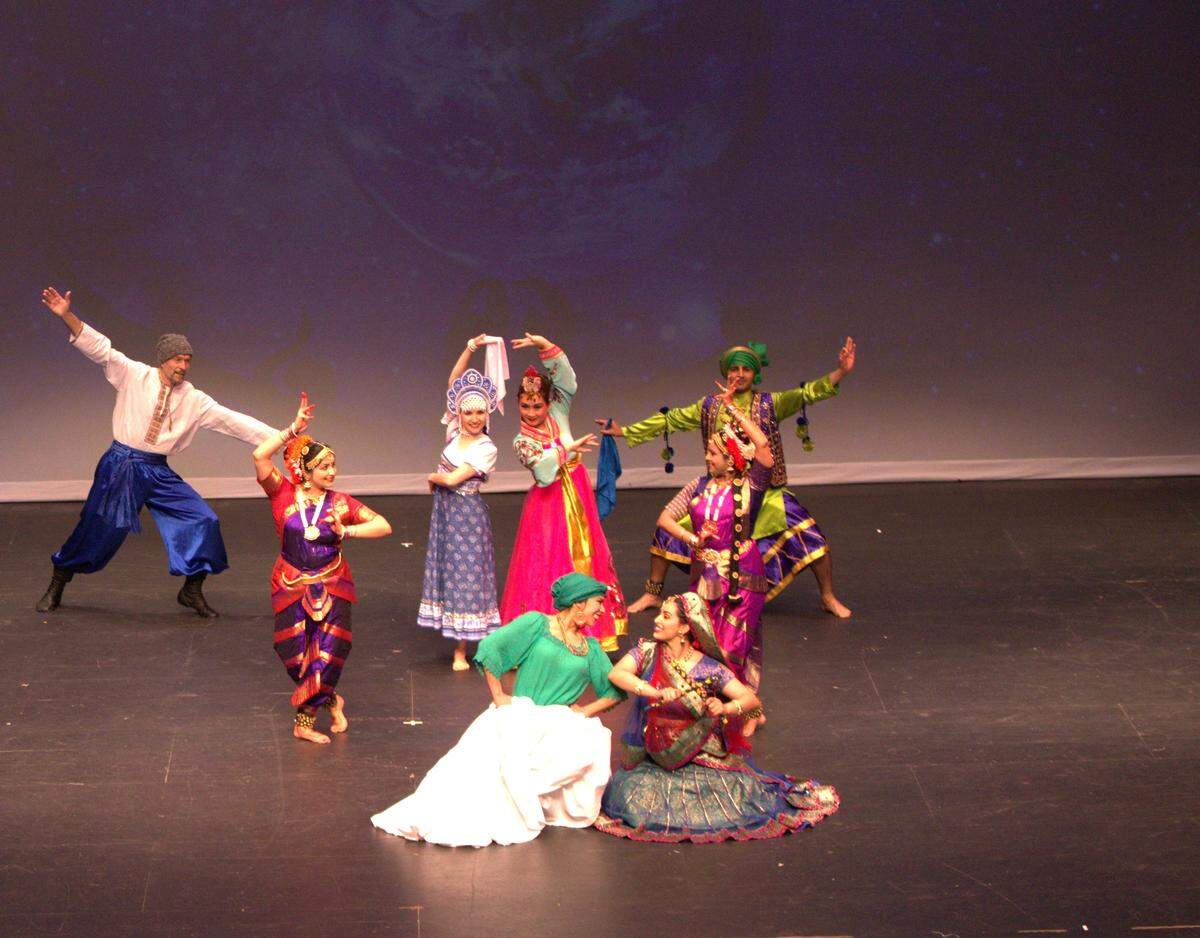
Gingrich is also passionate about showing the connections between Indian culture to other civilizations around the world. A signature piece of her annual “Dances of India” performance each spring is her “unity in diversity” dance.
Different themes are highlighted each year, showing connections through costumes, storytelling or the moves themselves. One year, for example, she focused on the links between yoga, classical Indian dance poses and martial arts.
Many people think martial arts originated in China, she said, but it actually comes from the training Indian warriors protecting kings were required to learn thousands of years ago. Yoga helped them with flexibility and martial arts training emphasized an overall balance, internally and externally, of the whole human being.
Gingrich strives to show her students how dancing can be a tool to add balance to their own lives and help them manage stress.
She said students (and their parents) tell her how dance has changed them as individuals: it has shaped who they are, how they think, find balance and gain confidence through a posture or experience joy through dancing, even in tough times.
Movement as medicine with Charlotte African Drum and Dance Collective
For Dr. Tinka Barnes of Charlotte African Drum and Dance Collective, West African dance puts into practice her belief in “movement as medicine.”
A fulltime physician, Barnes is also vice president and artistic director at CADDC.
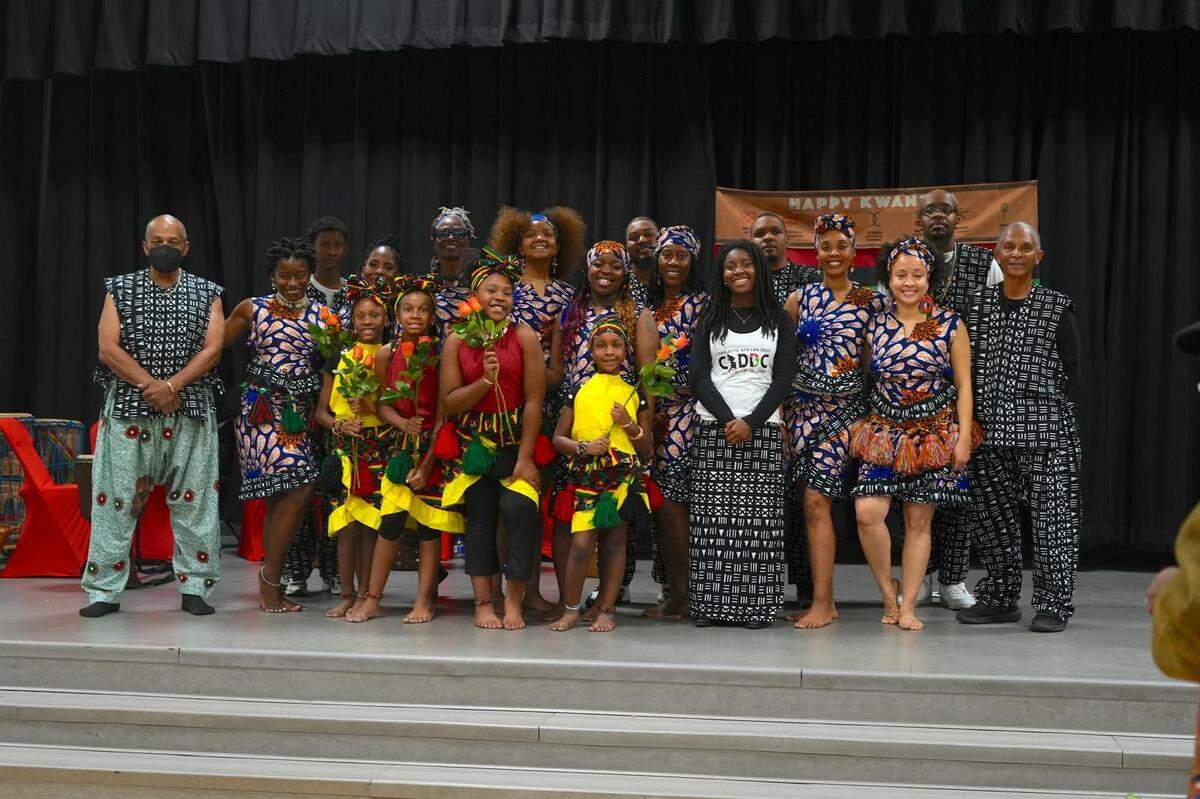
Founded in 2022, the collective was launched to provide a judgment-free, supportive space for people interested in traditional West African dance and to offer opportunities for the next generation to learn them.
The group holds classes on Sundays in the West Sugar Creek neighborhood, and hosts community drop-in classes for youths and adults. It is also home to a professional level company. Dancers perform at events throughout the year, including the annual Kwanzaa Charlotte celebration.
Movement in a community setting is important for both physical and mental health, Barnes said.
“Studies have shown that dancing and particularly community style activities helps to bring about resilience when it comes to mental health,” she said. “It helps to decrease anxiety and depression, helps to decrease blood pressure, helps to improve … overall quality of life.”
For youths, seeing the same instructors and children at rehearsals, experiencing rituals and performing dances in beautiful costumes uplifts their mood and gives them something to look forward to, Barnes said.
“We say that our ancestors are in this space with us when we’re dancing, that we’re not just dancing by ourselves … We’re giving thanks to our ancestors as we perform these dances and it is healing to the mind and the body when we perform… It’s healing not only to us but to the people who are watching it.”
Barnes said everything starts with rhythm.
Dancers learn to recognize the sounds from different regions and it guides their movements. Because the dances are polyrhythmic, Barnes said learning the foundations of technique is especially important to effectively and safely perform West African dance.
“We’re using different rhythms for different parts of our body,” she said. “If you’re doing a rhythm from Guinea, you’re doing a rhythm from Mali, from Senegal, there is a language that’s unique to that region that allows for you to tap into a good conversation between you and the drummer.”
Dances also speak to things taking place in the village, Barnes said.
When she visited Ghana in 2023, and walked along the coastline, she saw women pounding cassava to make Fufu, a staple of West African cuisine. As she watched, she recognized the movement from a dance she and a friend had recently performed that had gone viral on TikTok.
“With West African dance, the movements all have a purpose,” Barnes said.
When she teaches children new steps, she tries to show their cultural relevance and connection to traditional activities of the village. “So, if it was a fishing dance, there’s certain steps that show them casting the net. If it’s a dance for harvesting, there’s certain steps that show that you’re reaching down to the earth and pulling something out of the earth.”
These movements also can be seen in other African diasporic dances, like the Bomba or Plena dance of Puerto Rico or Rumba from Cuba.
Students also enjoy finding them in contemporary dances.
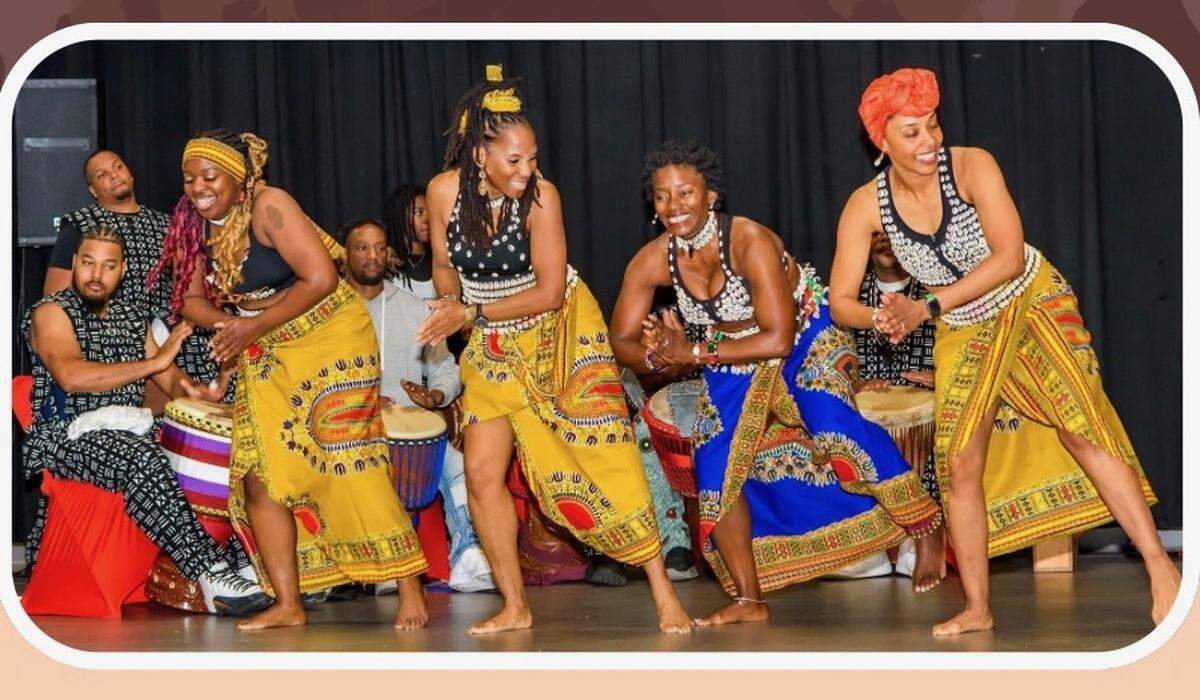
Barnes said the collective is raising funds to take children from CADDC on a two-week trip to Ghana in 2027 to continue to expand their vocabulary of West African dance and culture. The goal is to cover all expenses so children don’t have to worry about paying for the trip.
“I want them to always feel that they can tap into West African dance and drum and the rhythm … What we’re doing here in (the) community to help uplift them and make them feel better and feel empowered to keep going on and to not ever feel that they are alone in what’s going on in their lives right now.”
More arts coverage
Want to see more stories like this? Sign up here for our free, award-winning “Inside Charlotte Arts” newsletter: charlotteobserver.com/newsletters. And you can join our Facebook group, “Inside Charlotte Arts,” by going here: facebook.com/groups/insidecharlottearts.
This story was originally published March 18, 2026 at 5:00 AM.