
When is peak leaf season in NC? When & where to see the brightest colors
AI-generated summary reviewed by our newsroom.
- Fall foliage in North Carolina begins in late September and peaks by November.
- Color variety depends on weather, with sun and cool nights boosting vibrancy.
- Prime viewing spots include Weymouth Woods, Lake Norman and Dismal Swamp.
Leaf-peepers are gearing up for the brilliant display of autumn colors.
The parade of pigments typically starts in the North Carolina mountains, rolling across the piedmont region before washing out toward the coast, according to the Extension Forestry at North Carolina State University.
Here’s this year’s fall foliage forecast.
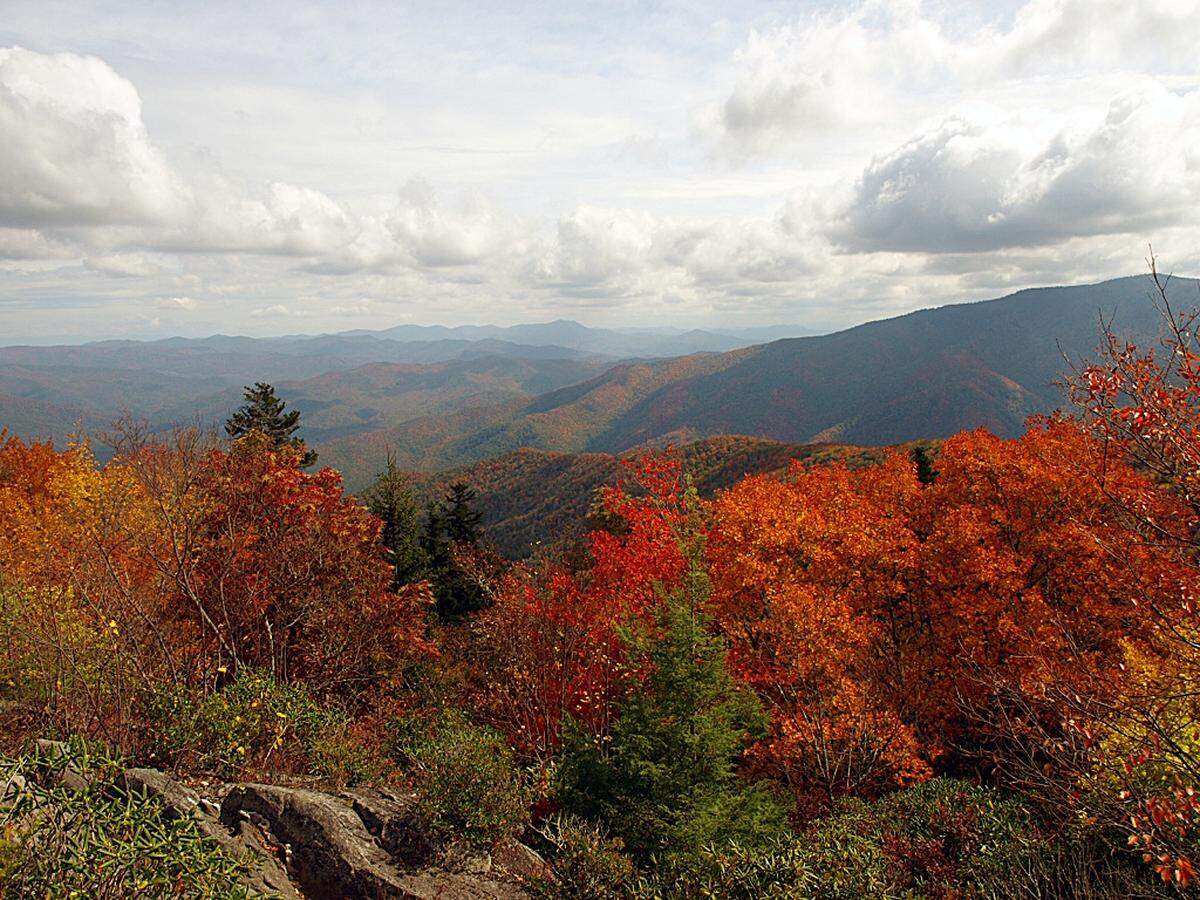
When is peak leaf season in NC?
“We will likely see patchy colors toward the end of September in the upper elevations of the mountains,” Dr. Robert Bardon, associate dean and a professor of forestry and environmental resources at NCSU, told The Charlotte Observer via email.
“The middle weeks of October should be the peak for colors in the upper mountains, followed by the foothills and piedmont regions toward the end of October and into November.”
On the Carolina coast, colorful foliage is expected to peak in the first few weeks of November before petering out toward the end of the month, Bardon said.
The variety and vibrancy of colors we see will depend on weather conditions this fall, with the best chance for “a vibrant display” coming from a combination of sunny days and cool nights, he said.
“Extreme changes in precipitation such as a drought or heavy rains, wind and hard freeze can all shorten the seasons,” Bardon told the Observer.
Bardon recommends Smoky Mountains’ fall foliage map for color predictions. See for yourself at smokymountains.com/fall-foliage-map.
What are the best places to see fall foliage in NC?
North Carolina has several spots throughout the state where leaf lookers can take in the beautiful fall foliage, according to VisitNC.com. They include:
- Weymouth Woods Sandhills Nature Preserve in Southern Pines
- Dismal Swamp State Park in South Mills
- Alligator River National Wildlife Refuge in Manteo
- William B. Umstead State Park in Raleigh
- Lake Norman State Park in Troutman
Why do leaves change color?
Fall colors can range from fiery reds and yellow golds to deep browns and crimsons.
Many assume changing leaf colors are a result of colder temperatures, but it’s mostly due to chemical changes happening within a tree and its leaves, according to the National Weather Service.
It begins with photosynthesis, an essential process used by plans to turn sunlight into food. Plants contain the pigment chlorophyll, which gives leaves their green hue and absorbs energy from the sun, converting carbon dioxide and water into carbohydrates, the NWS said.
As temperatures cool and daylight decreases, the food-making process stops. This causes the chlorophyll to break down, making the yellowish tones in the leaves more visible, according to experts.
Red pigments, or anthocyanin, are the result of a “high concentration of simple sugars” in a leaf’s cells and typically appear later in the season, Bardon said.
Lastly, beta-carotene gives leaves their orange color and is among the most common carotenoids found in leaves, according to SmokeyMountains.com.
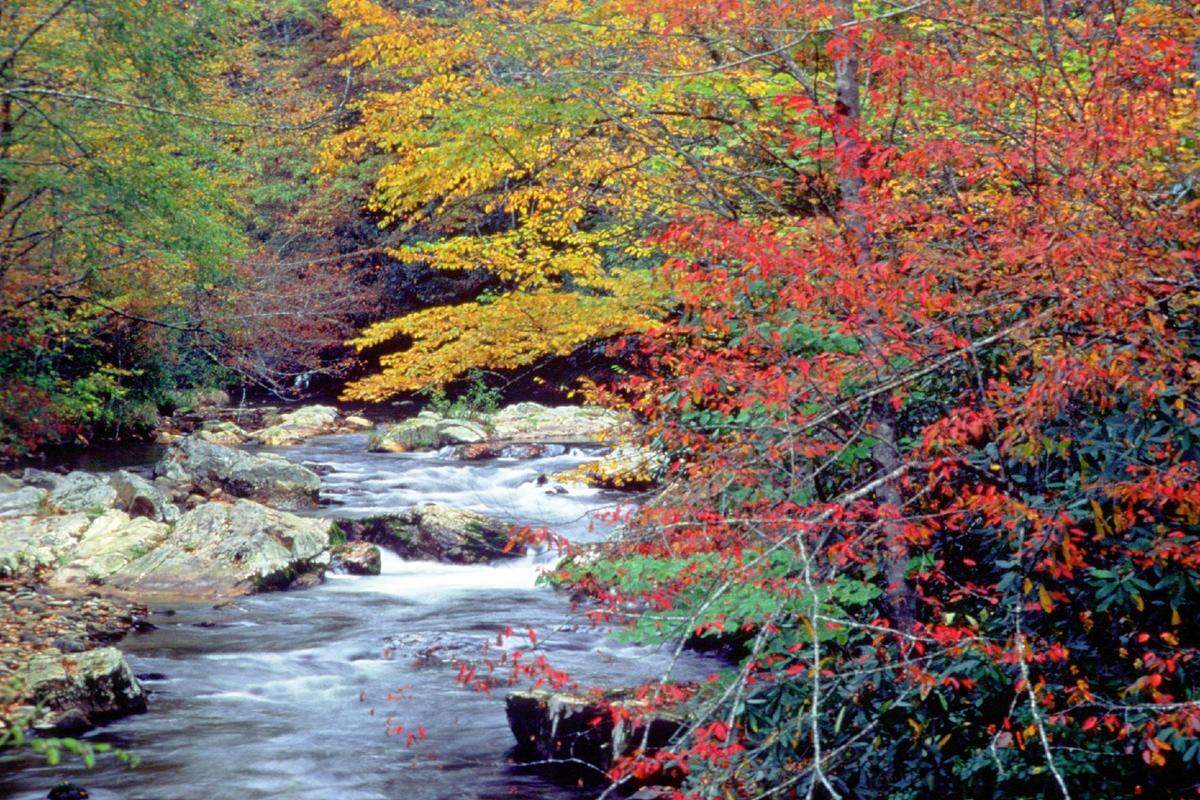
Why do leaves fall?
Trees begin to shed their leaves and go dormant in the fall and winter months.
The process begins when cells at the base of a leafstalk gradually separate “tissues supporting the leaf,” causing it to break from its twig, according to Bardon.
“At the same time, nature heals the break so that after the wind finally blows off the leaf or the leaf has fallen from its weight, the place where it grew on the twig is marked by a leaf scar,” he wrote in 2024.
This story was originally published September 10, 2025 at 12:28 PM with the headline "When is peak leaf season in NC? When & where to see the brightest colors."