Charlotte, you can have your Dry January. Here’s why I don’t participate.
My birthday is in January, and that is a lame time for a celebration. The six weeks before my birthday is a time traditionally filled with a constant stream of eating, drinking, spending and general merriment.
By the time my birthday rolls around, everyone is pretty over putting their party shoes on — including me. With people committing to resolutions to exercise more and eat less, it is not the best time to invite people to consume copious amounts of cake.
And, now in addition to resolutions “Dry January” has become a trend, maybe even a movement — more people are also abstaining from alcohol during the first month of the year.
Dry January began in 2013 by a British-based group named Alcohol Change UK. The campaign has grown from 4,000 participants in its inaugural year to over 100,000 participants in 2018 (these numbers reflect the amount of people signed up on Alcohol Change UK’s website; its tracking indicated that millions actually participated).
However, the Dry January trend is not without its detractors. Admittedly, as a hardened Gen X’er, I have rolled my eyes a little over all hashtagable mocktails and the term “sober curious” that seems to have inundated social media and news outlets. I practice “Drier January” in that I cut way back from the amount of alcohol I have drank during the holiday season, but I don’t abstain completely.
Since dedicating myself to leading an overall healthier lifestyle a couple of years ago, I drink considerably less booze, but there are definitely ebbs and flows in my moderation model — no more so than during the time between Thanksgiving and New Year’s Eve.
Dry January isn’t for everyone
There are those who are concerned that after a month of detoxing, people go hard on “retoxing” and that by making sobriety trendy it takes away from people who have been actively working their recovery for years.
There are also some people who participate in Dry January as a way to take off some of the pounds that they may have packed on over the holidays. But not everyone thinks that’s good advice. Alex Bladek, nutrition coach and owner of The Fuel Method said, “I didn’t personally encourage any of my clients to do Dry January because they’re practicing moderation every single weekend. When you do a Dry January, or follow a strict diet that doesn’t allow alcohol, you don’t learn how to handle situations (like a Happy Hour or celebrating a birthday) after the “challenge” is over... so when those rules are gone, the behavior and habits likely didn’t change. Eventually, the old habits make their way back in, and you’re back to square one.”
Medical professionals warn that those with serious drinking problems could suffer extreme withdrawals and possibly even die if they quit drinking without supervision.
And, French chef and restaurateur Alain Ducasse has declared an all-out war on the movement to abstain from alcohol for a month. He is encouraging people to drink more and is slashing the prices of some of his most expensive bottles of wine to promote his campaign.
Sober in Charlotte
In Charlotte, despite a new brewery seemingly opening every week, there are groups such as Counterculture Club that promote year-long sober activities for people looking to socialize without the pressure of drinking.
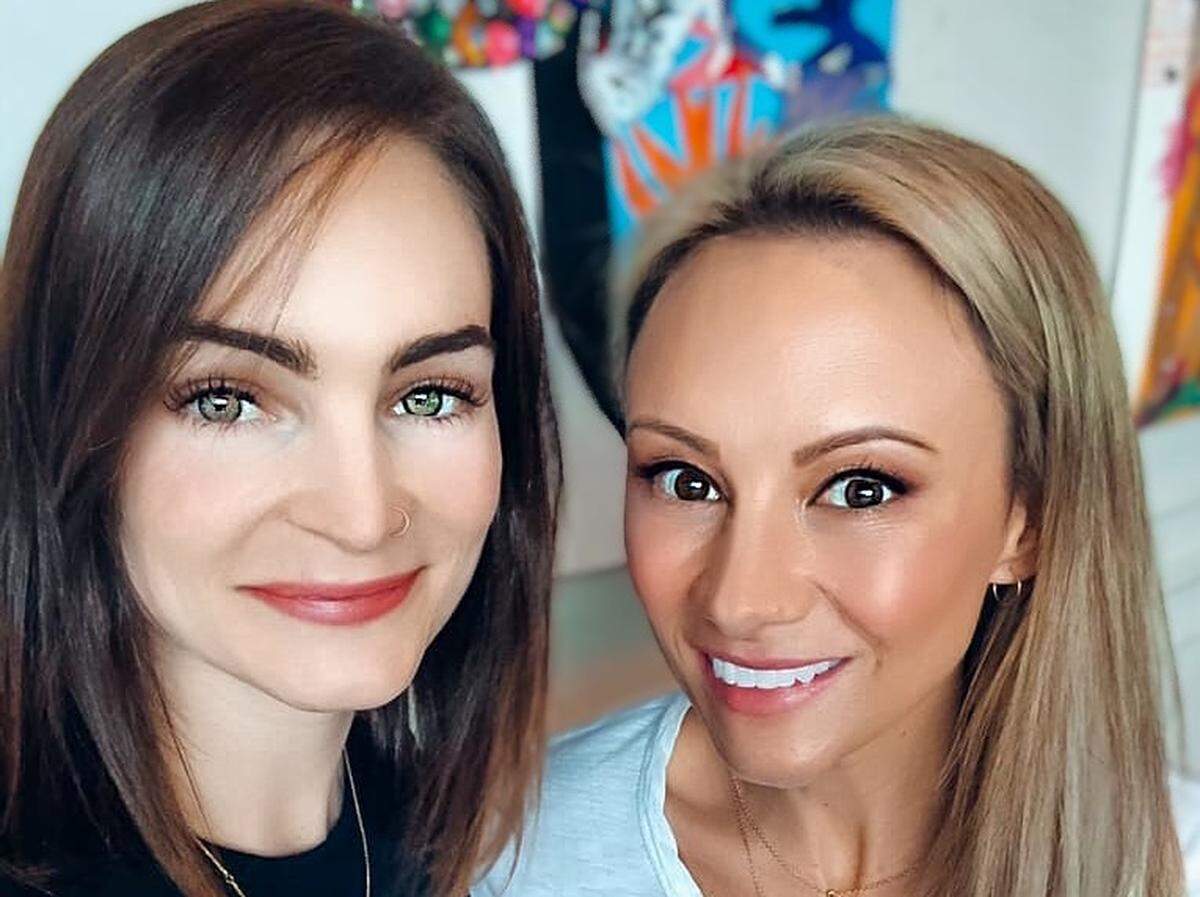
Molly Ruggere started the club with the help of Nicole Peternel. Counterculture Club strives to provide a safe, alcohol-free space for those who identify as women and non-binary, as well as their allies, to connect and participate in social events such as: book clubs, yoga classes, coffee meetups, hiking day trips and art classes.
Ruggere said the goal of Counterculture Club is to challenge the mainstream idea that you need alcohol to live a full, social, exciting life by providing community, conversation, events and activities sans booze.
Ruggere gave up drinking as a lifestyle choice — and not because she identified as an alcoholic. By chronicling her first alcohol-free year, she had built a successful online sober community through her Instagram account noglitterinthegutter, but she wanted to make more real-life connections in her own city.
“We believe that an alcohol-free lifestyle is not a shameful last resort, but a proud choice you can make for whatever reason you want. You can be at any place on the drinking spectrum (and it is a spectrum) to question your relationship with alcohol and take steps to remove it from your life. You don’t have to wait for a ‘rock bottom,’” Ruggere said.
However, Ruggere stressed that Counterculture Club doesn’t shun people who drink. Several members of the club drink on occasion. However, they simply grew weary of drinking being the default for activities ranging from baby showers to yoga and wanted to find alternative social outlets.
I once wrote about how I considered not pursuing a friendship with a woman whom I absolutely adored because she wasn’t a big booze hound. I hate that article. I hate that was my truth at one point in the not-so-distant past. I love a good, smooth cocktail, the dryness of a cab and a cold beer on a hot Carolina night. But I also love those who don’t give a damn about those things.