
It’s 10 a.m. at the E.R. in Charlotte. COVID-19 is spreading, and no visitors allowed
.jpeg "On April 1, Kadee Blakely had to take her mom to an Atrium Health emergency room in Charlotte. “Don’t worry, I haven’t brought my mother here because of a coronavirus scare,” she wrote. “But it doesn’t matter. Everything is a coronavirus scare these days.”")
It’s 10 a.m. on April 1, and there’s a slight echo in the Atrium Health emergency room lobby where my mom and I have arrived. The floors look freshly mopped and a kind-looking, albeit exhausted, face behind the intake counter hands us two masks with a weak smile.
Don’t worry, I haven’t brought my mother here because of a coronavirus scare.
But it doesn’t matter. Everything is a coronavirus scare these days.
The mood is somber as we wait.
A police officer wearing a mask seems regretful when he tells me I won’t be able to accompany my 69-year-old mother back to her triage room. Although it makes sense, the directive seems to defy logic and I instinctively recoil. The officer apologizes.
“I’m sorry. You can wait in the lobby and someone will come out to give you information.” I watch her walk away. An almost immediate feeling of helplessness washes over me as I stare at the heavy wooden door that separates us, even after my mom has disappeared behind it.
It should have been a normal day — away from the emergency room
It was supposed to be a normal day in which we were nowhere near the ER, nowhere near the one place we knew that COVID-19 patients would be gathering.
Amid a pandemic, the thought of going to a hospital’s emergency room for anything at all suddenly feels a lot more agonizing. The Washington Post recently reported on a Gallup poll, taken March 28 to April 2, during the window in which I had to take my mom to the E.R. The poll asked people with a variety of conditions how concerned they would be about exposure to coronavirus if they needed medical treatment at either a hospital or doctor’s office. Eighty-six percent of people with heart disease reported they would be either “very concerned” or “moderately concerned,” according to the Post.
At Charleston’s MUSC, a major stroke center, the hospital averaged 550 calls per month over the past few months about potential stroke patients. But MUSC treated just 100 patients during the first half of April, Alex Spiotta, director of neurovascular surgery, told The Post. “That’s literally patients and their families who fear that it’s dangerous” to go to the hospital, he said. “We are worried that there might be a higher death toll from neglect of other diseases” than from COVID-19.
When my mother told me she fell and couldn’t manage to get up for 5 hours, I was concerned. When she told me she didn’t call me right away because she couldn’t remember my phone number, I was panicked. I’ve had the same number for 18 years.
There wasn’t an easy choice to be made. There wasn’t even a choice at all.
It seemed likely she had experienced a stroke, and we needed to get to a hospital.
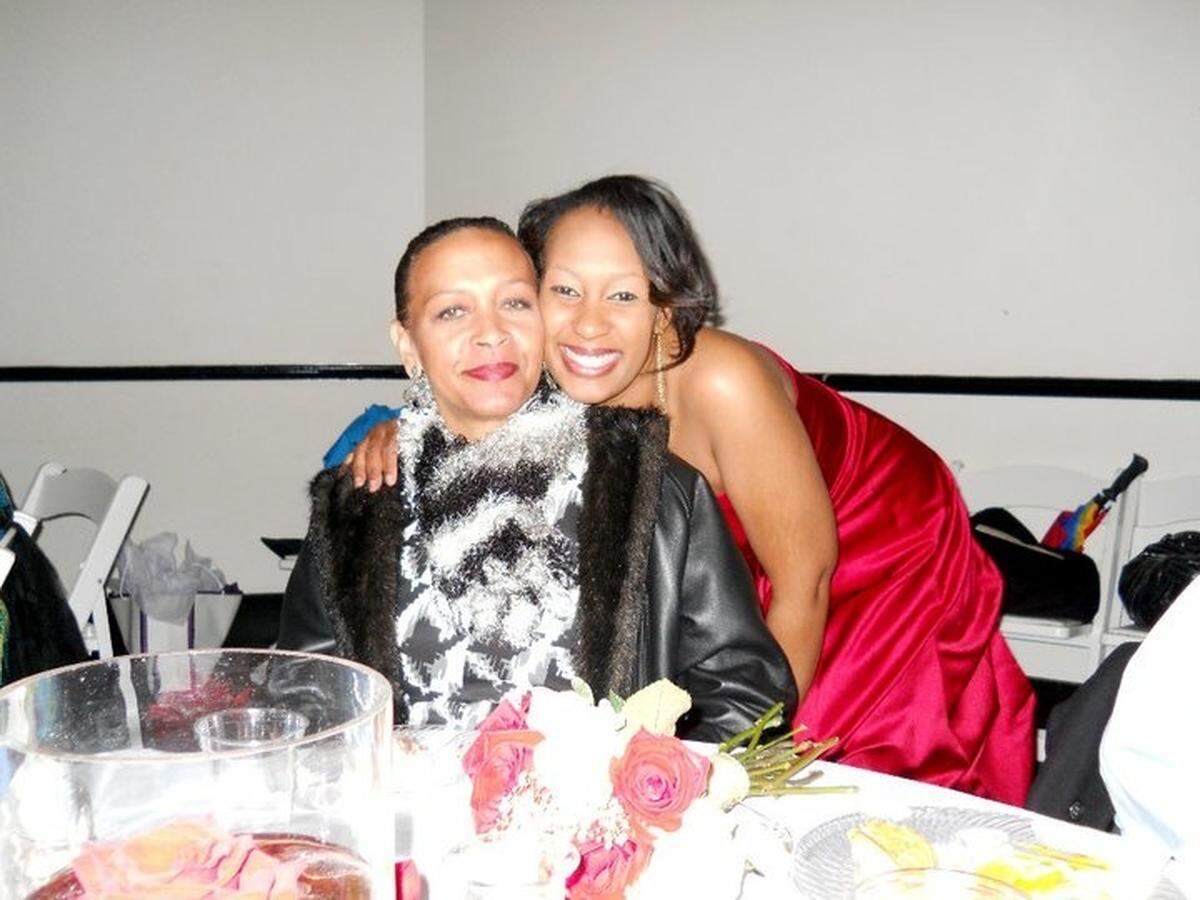
It’s unusually cold in the lobby – the sterile kind of cold. As the morning wears on, a few others trickle in. And then suddenly there are three of us in the lobby.
A woman sits 10 feet away, shivering, with a thick sheet draped around her shoulders. “Does she have the virus?” I wonder to myself. The thought is fleeting because I can’t seem to strike the right balance of anxiety between my mom’s health and an airborne virus that may or may not be 10 feet away from me.
A teenage boy stands up when a nurse calls an older gentleman’s name. “He can’t come back. We have a no visitors policy right now. I’m sorry.” The man winces, and then tells the boy, “It’s OK. Go get something to eat and come right back.”
“OK, I’ll get something to eat and come back,” the boy repeats.
Soon after, a nurse takes over the man’s wheelchair and wheels him back behind the E.R. doors, out of view. About 30 minutes later, a nurse returns through those same doors, sanitizes her hands, then gently tells the boy, “Your father said to stay here. He’ll be out in the next 40 minutes.”
‘I can’t see her smile, but I can feel it’
The somber mood endures as people continue to file in. A Jimmy John’s delivery car pulls up outside the double doors and someone walks out. A short while later, he pulls off. People are functioning at a distance, a learned activity noticed only by its signature silence.
Back inside, the silent streak is broken by a young man violently vomiting into a plastic bag. Around the same time, an elderly woman asks me to watch her phone as it charges while she accompanies the man to triage. I don’t have the heart to tell her that won’t be necessary because she can’t. Instead, a nurse sees her approaching and says, “I’m sorry, we have a no-visitors policy right now.”
Even through the silence, there’s a new camaraderie in the air. A police officer exchanges laughs with a man at the security desk from 6 feet away, and a woman sanitizing chairs asks how I’m doing from behind her face mask. I can’t see her smile, but I can feel it.
After a few hours, my mother calls me from her cell phone and says she’s being admitted. “They want me here overnight to run more tests,” she says. I feel a sudden panic. Is she comfortable? Will there be a phone in her room? She always forgets her cell phone charger. Would they at least let me bring her some lunch? I take one last look around the E.R. and try to remember it as it once was. There’s no nostalgia, just a new-world order that is impossible to ignore.
It would be another 24 hours before my mom got the OK to go home. According to the doctors, she experienced a transient ischemic attack or “TIA,” more commonly known as a mini-stroke.
Now home, but new fears await. Did she get COVID from the hospital?
It’s been close to three weeks since that day in the E.R.
Since then, I’ve been a helicopter daughter, plying my mother with vitamin C and bone broth and monitoring her for any potential COVID-19 symptoms.
The first few days after she was discharged from the hospital were an assault on my nerves. I insisted that she stay at my house, just as a precaution.
Every few hours, I wanted to know if she was feeling OK. Was there any confusion? Did she seem disoriented? Did she have a dry cough? Thankfully, none of those symptoms have surfaced. These days, she continues to feel well and has been resting comfortably in her own bed, where she prefers to be.
There’s finally a peace derivative of all the chaos, and I’m glad to know she’s nowhere near the hospital — a strange feeling given its reputation as a “safe place” where trauma gets treated. Deep inside though, I know that when this is all over the emotional trauma will still remain. Ultimately though, it’s a small price to pay in exchange for normalcy.