
What’s Hotter than July in Charlotte? Here’s a dance party, yoga to melt it all away.
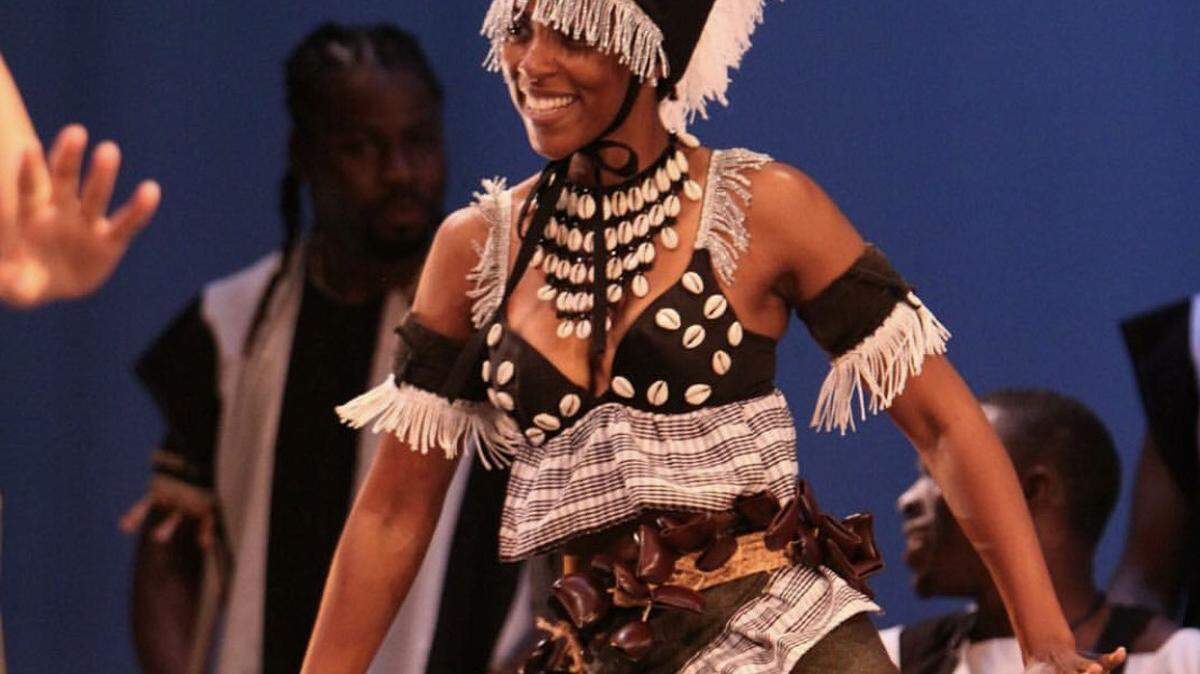
What’s Hotter than July? Besides revolutionary uprisings, COVID-19 spikes and upheaval, it’s a response to the stress. Jasmine Hines, Rebby Kern and a coalition of Black and Indigenous people of color (BIPOC) who are yogis, dancers and other holistic health professionals created Hotter than July to offer a healing space for people to process and grow.
A month-long online program focusing on holistic self care and growth, it offers daily Zoom classes on African dance, guided meditation, anti-bias training and several disciplines of yoga. The sessions are free, although donations are accepted.
The program intentionally centers on the voices, needs and narratives of its BIPOC leaders and attendees.
“Some people are looking for learning, some are tired and need a space to breathe, and then there’s everyone in between,” Hines said. Hines founded Amplify and Activate, which every year holds a summer session on ethics in yoga and this year produced Hotter than July, an expansion of its annual offering. It’s bigger this year because the demands of society are bigger, Hines said.
“There’s lots of anti-oppression work in our yoga practices, so the goal is to keep the momentum going, keep the [justice] messaging at the forefront of the mind to continue the movement,” she said.
Kern agreed. “There was all this anti-racism work that was showing up, but it wasn’t holding healing space for all the BIPOCS who were educating others. We started thinking, what can we do to heal them?” Kern, a social justice advocate who works on education policies in K-12 schools to support LGBTQIA young people, has been studying yoga for almost a decade and teaching it since 2018. “This journey has allowed me to combine social justice work with yoga,” they said.
Yoga, dance and more
Each session has speakers presenting on their area of expertise while incorporating the principles of satya (seeking truth), ahimsa (doing no harm) and svadhaya (self study and self reflection).
The kinetic appeal of African dance, taught by Niché Faulkner of Shae Movement African Arts, combines with intriguing cultural and historical lessons for a fuller grasp of the significance of the dances being learned. Hines and Kern lead weekly panel discussions on gender, bias and other issues to shift and disrupt old, harmful thought patterns.
VoNique Ford-Wilson’s Sunday book club incorporates energy work and channeling, while Michaela Moseley’s Restorative and Guided Meditation class helps pour back in the energy and force that we expend daily. Vivian Selles teaches powerful meditation and journaling workshops that challenge participants to dig deep and examine self in confidential small group sessions.
And the curated yoga experiences encourage guests to try new disciplines — Āṣāḍha Sādhanā, Yin, Chandra Sādhanā and more — taught by respected Charlotte yogis Kiesha Battles, Vicie Moran and Courtney Gendron.
Some sessions are open to everyone, while others are dedicated to BIPOC only.
“Unlearning internalized oppression is different from unlearning white supremacy, which is the work of white people. It’s a different conversation and requires a different space to do that work, and the healing aspect looks different for BIPOC, too,” Hines said. “We’re seeking truth about race and its impact; identifying the harms so we don’t keep replicating them; and investigating our personal practices, unearthing our own beliefs and how to shift them to who we want to be.”
‘Somewhere to connect and heal’
Jennifer Cannon has been doing the book club, dance and other classes since the beginning of the month. She learned about Hotter than July through Selles, her yoga teacher and one of the presenters.
“The African dance class kicked my behind. It was so much fun,” Cannon said. “When I signed up for it I wasn’t sure what to expect, but this is what I needed. Being able to bond with this community even though we couldn’t physically meet together has been incredible, especially the meditation class. I’ve been through a lot, with the virus, racial protests and the loss of my father in April. It was a tough, weird space. I needed somewhere to connect and heal.”
Cannon, who has been practicing yoga for about five years, hasn’t always felt welcome in yoga spaces.
“You go to these studios and there’s an aesthetic. My norm was being the only Black woman in class. I’m not skinny, I’m not that bendy, and it’s almost a competition. That’s not the spirit of yoga. But [Hotter than July] is community and connection and enjoying one another. It’s like home. The community is amazing. If I could’ve gone to everything I would have,” she said.
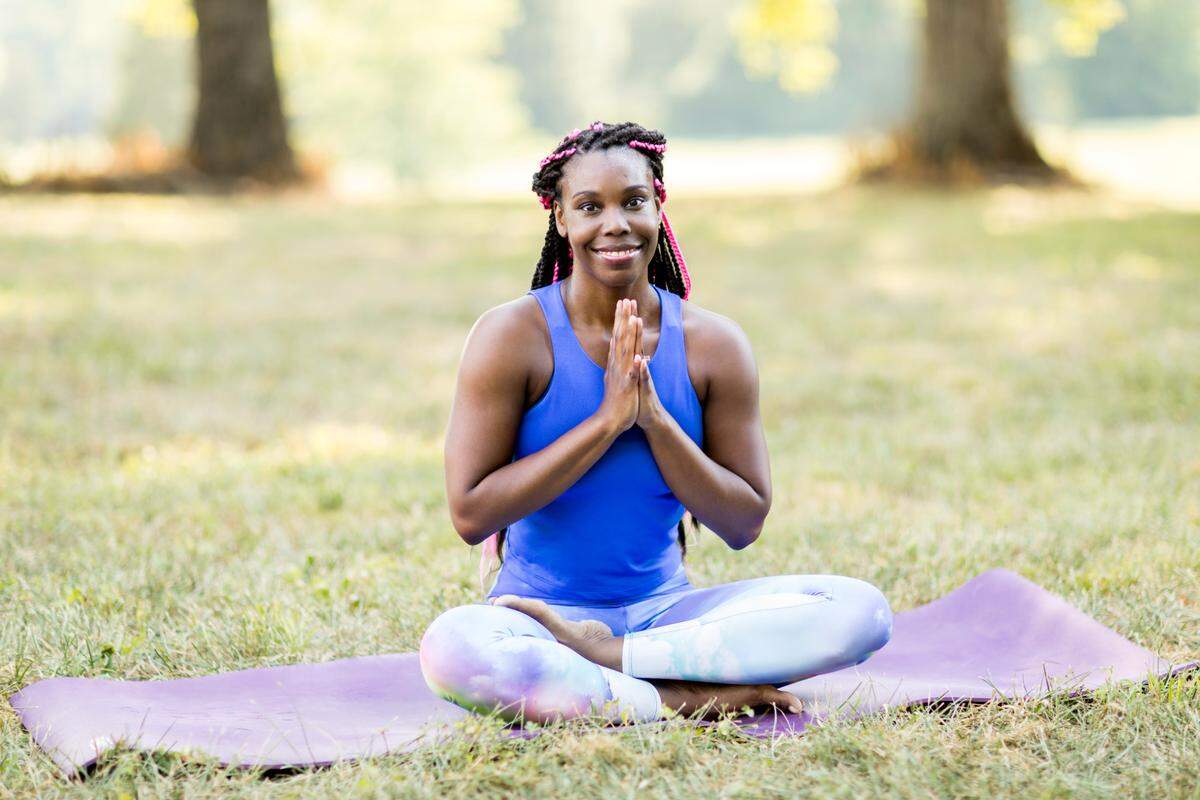
Another aspect of Hotter than July is accessibility. Leaders offer yoga modifications for differently abled bodies, transcription for the hard of hearing, and also the intimacy of learning from a learned professional from the privacy of their home studios. Participants are encouraged to use what they have at home: couch cushions become bolsters, and a towel on carpet suffices for a mat.
“You don’t need all these things the studios tell us you need; these are the ways we’re changing the accessibility of what yoga can look like. It’s not what you have in order to do, it’s what you do in order to have the practice in you,” Hines said.
“We want you to leave feeling better than when you came,” said Faulkner, who teaches the African dance class. “Cry, dance, scream and yell to the beat of the drum. Dance your troubles away and leave restored.”
On Aug 2, Hotter than July will have an in-person, social-distance respecting closing ceremony from 7-10 p.m. at the Black Lives Matter mural on South Tryon Street. There will be live drummers, yoga, food trucks and the book club will have its final session. Find out more at www.HotterthanJuly.info and follow @AmplifyandActivateCLT on Instagram for updates.
This story was originally published July 21, 2020 at 12:10 PM.
.jpg)