Anxiety is contagious, but so is compassion: Long-term mental health and COVID-19
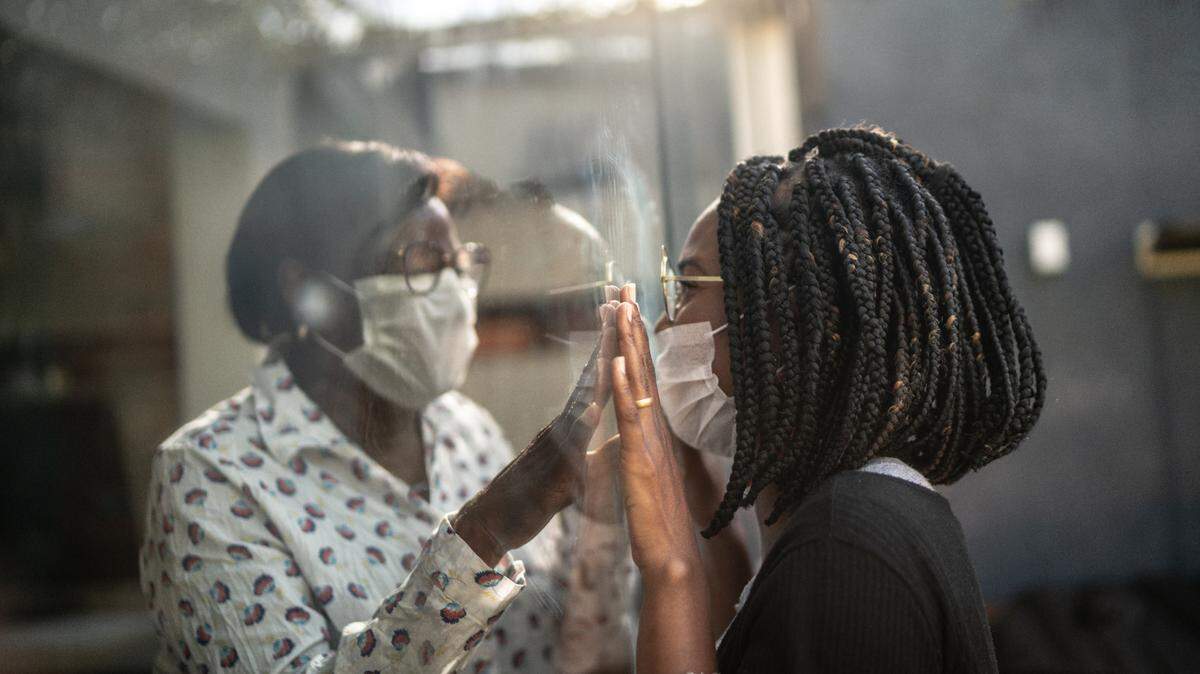
Much like the long-term physical effects of COVID-19, the long term mental effects are unknown. From the mental manifestations of the virus itself (a recent study found that one in five COVID-19 patients develop mental illness within 90 days) to the psychological impacts of isolation and lack of human contact, authorities simply don’t know what the future holds. Meanwhile, mental health experts across the country and in North Carolina provide some guidance, insight and hope.
First, the good news. According to a team of mental health experts who participated in a panel discussion on social isolation, mental health and COVID-19, research shows that most of us will get through. “Humans are quite resilient,” said panelist Roxane Cohen Silver, a professor of psychological science, medicine and public health.
Silver and other panelists studied the aftermath of tragic events like Sept. 11, the Boston Marathon bombings, the Orlando nightclub shootings and hurricanes Harvey and Irma. “It is extremely important, however, that we acknowledge that this uncertainty is stressful. It’s also extremely important that we recognize that anxiety is contagious, but so is compassion,” Silver said.
COVID-19 affects us in different ways
Compassion when looking at the unique experience of every individual and how COVID-19 has impacted their life is important to consider when predicting the long-term impacts of the coronavirus pandemic. “I don’t think the long-term mental health effects will be the same for everyone because we’ve all been uniquely impacted by COVID,” said Nikki Pagano, a licensed clinical social worker in Charlotte.
“For instance, a family that’s been able to work from home has likely experienced COVID differently than individuals who have lost their source of income and can’t pay their rent or mortgage. People have had to say goodbye and grieve loved ones lost to COVID in ways that are completely foreign to most of us — over FaceTime without being able to hold their family member’s hand to say goodbye, or celebrate the life of their loved one without being surrounded by friends and family at a funeral or memorial. These individuals may experience complicated grief, a persistent form of intense grief,” she said.
Pagano also noted that front-line workers making life and death decisions may experience post-traumatic stress disorder.
COVID-19 anxiety in children
Children are another group bearing the brunt of psychological impacts of COVID-19. Without the structure of school and regular social connections, mental health experts are seeing a large increase in reports of anxiety, depression and changes in children who often lack the ability to verbalize their feelings.
“With any large scale disaster, mental health experts, school officials, medical doctors — we all know that the most important thing we can do to restore a sense of normalcy is open schools. It gives the idea that the community is returning to where it needs to be,” Dr. Robin Gurwitch, psychologist and professor at Duke University Medical School, told CharlotteFive. “But this situation is a little different. The decision to go back to school — the back and forth between hybrid learning and in-person learning and online learning — is creating more anxiety for families and children. When the situation changes constantly and you can’t predict what will happen or when, uncertainty skyrockets.”
Gurwitch advises that the two most important factors in helping children cope with this anxiety are communication and connection. This includes asking children what they are hearing from their friends, explaining the choices that your family makes and why, sharing your own uncertainty and talking to your kids about what you are doing to calm yourself.
“How well are you being a role model? Providing healthy coping options? Taking quiet time for yourself — walks, meditation, mindfulness,” Gurwitch said. Long-term studies of disaster work show that helping others is another productive mechanism for coping with anxiety.
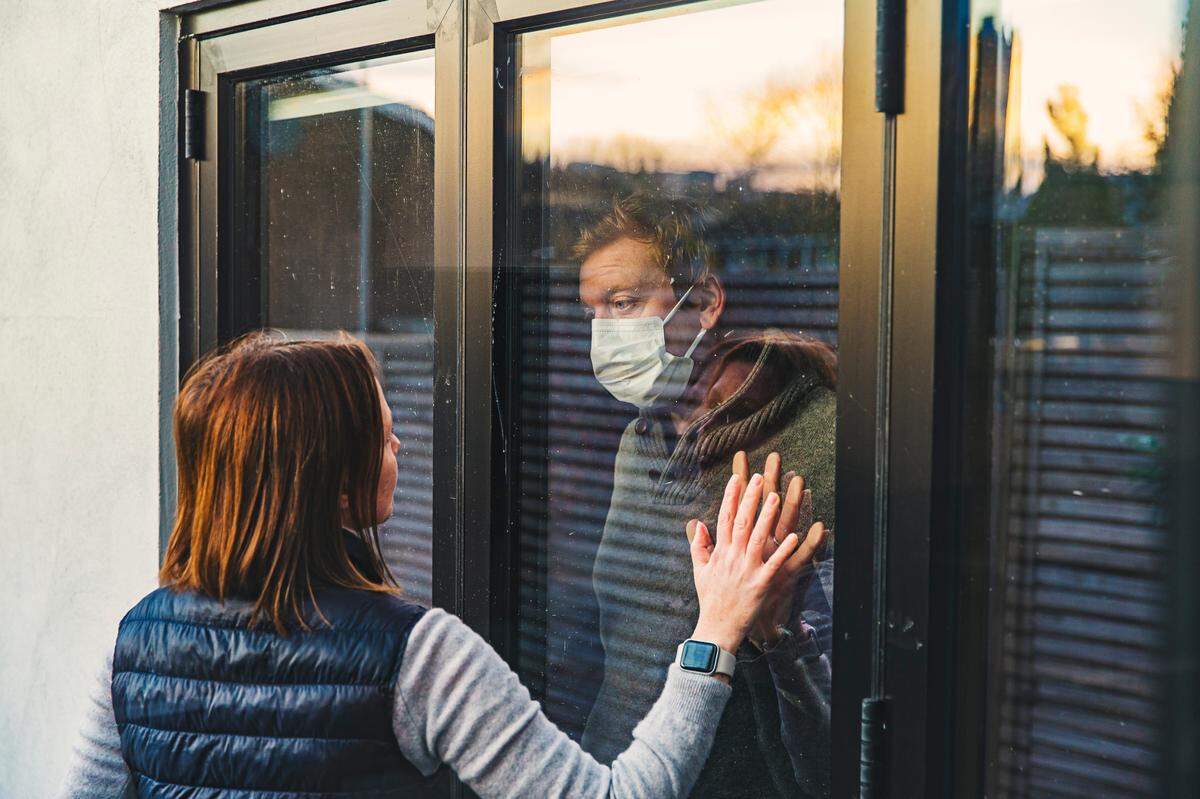
“The upside to all of this is that children are learning to develop good coping strategies. So down the road when they are facing a tryout for a sports team or applying to colleges they can look back and know ‚ this is what I did during COVID to help me cope with the stress and anxiety of the unknown,” Gurwitch said.
A new normal
Coming out of COVID-19 won’t be like throwing on a light switch (although it sure would be nice if it was). As we learn to live in a world with COVID-19, and people slowly add activities back according to their comfort level, there is some question about what it will be like to regularly socialize again. Will we freeze when someone sticks their hand out for a handshake or lightheartedly throw out an elbow and a joke to diffuse the awkwardness of the situation? Will we avoid large crowds for years to come, or return to things like packed concerts as we did to flying after 9/11?
“There will likely be some discomfort re-emerging into society, but that will vary by individual,” said Alicia Tetteh, a licensed clinical social worker in Charlotte. “Naming that feeling and being open to the vulnerability that comes along with it will be important to working through it. It’s OK to be uncomfortable.”

Racial injustices and unrest have compounded the mental health burden in the Black and brown communities, where many are more reluctant to seek mental health support than people in other demographics. This can be attributed to everything from a history of nonconsensual medical experimentation to systematic biases, a challenge of finding providers and legitimate cultural distrust.
If you or someone you know is struggling with mental health issues, there are a variety of free resources available specific to the Black and indigenous people of color, as well general resources available to all residents of Mecklenburg County.