
Trans Yoga Project makes wellness more accessible for Charlotte trans, non-binary folks
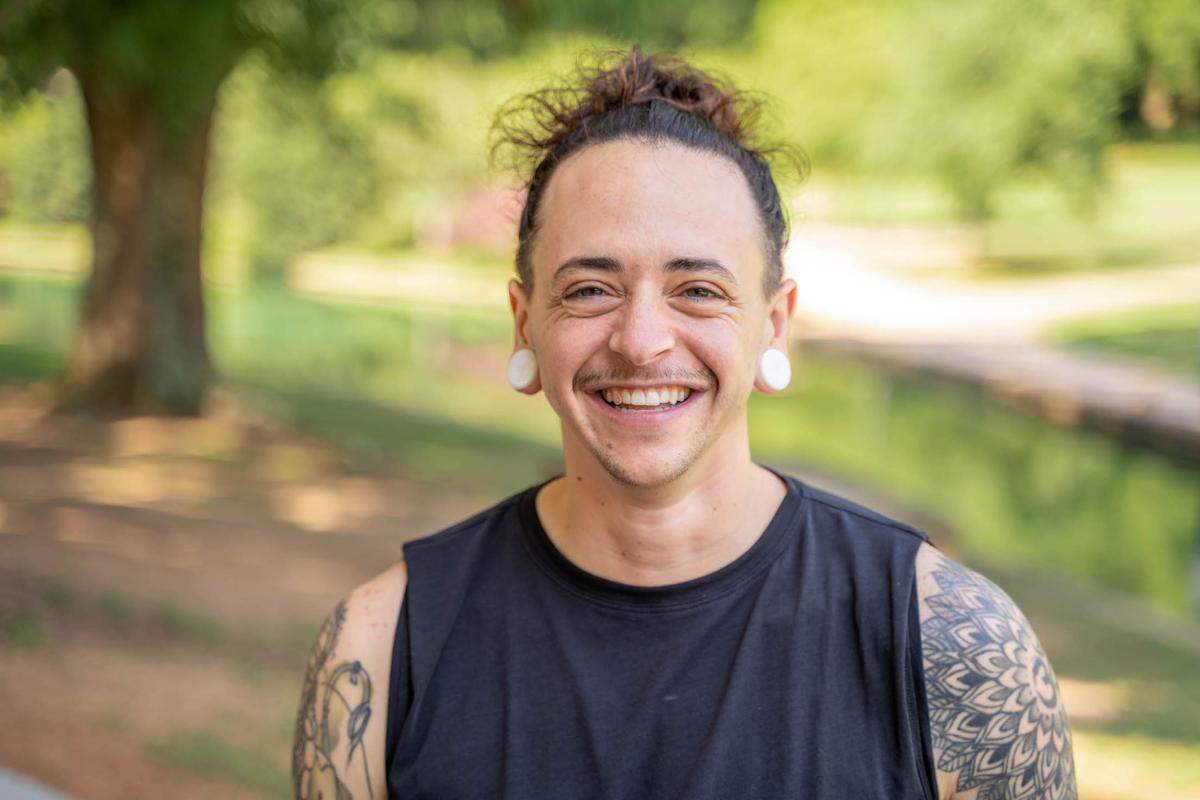
.jpg "Daniel Sannit of Charlotte is a yoga instructor and one of eight co-founders of the Trans Yoga Project, which operates in person and virtually across the United States.")
In these Charlotte yoga and meditation classes, no expensive yoga pants or chiseled abdominal muscles are expected.
“Too often, we feel like the shape we take on needs to look a specific way,” Charlottean Daniel Sannito, instructor and co-founder of the Trans Yoga Project, said during a recent virtual meditation. “At this moment, we are letting go of that attachment and letting ourselves just be.”
Sannito, who is trans and identifies as non-binary and uses gender-neutral pronouns, is among 8 co-founders of the Trans Yoga Project, a wellness collective that operates both in person and virtually across the United States. It aims to challenge the commercialization of wellness and the discrimination baked into the industry by reducing cost and cultural barriers to practices such as yoga and meditation.
By hosting inclusive training sessions for existing yoga and wellness studios, as well as creating its own spaces for wellness practices with optional payment setups, the Trans Yoga Project is holding wellness practitioners to a higher equity standard.
“We are trying to bring an opening where systems have tried to create barriers,” said Rebby Kern, another co-founder who uses gender-neutral pronouns.
How it started
As people were locked inside during 2020, more time was spent at home, giving them time to internally reflect, Sannito said. They decided, along with seven other wellness professionals, to organize a panel discussion on ways to hold space for trans and queer identities in yoga. That day in August 2020, 200 people tuned in for the discussion.
The demand for non-binary-inclusive yoga spaces became clear, and the co-founders decided to continue their work in collaboration. The Trans Yoga Project launched in November 2020. Its founders hail from all over the country, from Los Angeles to Charlotte. Sannito credits the virtual connections fostered during the pandemic for the geographical diversity of the Trans Yoga Project team.
The pandemic also necessitated virtual classes at the start, which conversely made it easier for folks who were nervous about entering yoga spaces in person, Sannito said.
How yoga studios exclude trans and non-binary folks
Hurtful assumptions about trans and non-binary folks’ gender identities are often made when they enter yoga studios.
Yoga studios become unwelcoming spaces when people are misgendered, or when staff ask for ID cards, which don’t match the names that of trans and non-binary folk go by, Kern said. Sometimes, computer systems only recognize male or female genders, and many studios lack gender-neutral bathrooms.
Kern has practiced yoga for 10 years, most of which they have been painfully aware of their non-binary, non-white identity. “I noticed really quickly that there weren’t a lot of people who looked like me. I especially did not see myself reflected in studio leadership,” they said.
Few yoga instructor courses include gender diversity and LGBTQ support and affirmation in their basic 200-hour curricula, Kern said.
The lack of diversity in yoga studio staff, leadership, and clientele has been documented by many diversity advocates in the wellness industry. Media portrayals of yoga perpetuate this trend, studies have found.
One study analyzing 142 covers of leading yoga lifestyle magazines found that cover models were mostly white, thin, toned, younger women performing active yoga poses. Body objectifying attire was commonplace.
“Yoga representation continues to prioritize white-skinned, able-bodied people that are navigating expensive studios and then making their way onto marketing systems that continue to reproduce that image,” Kern said.
More than an Instagrammable pose
The physical component of yoga, the asana, is overrepresented in commercialized yoga practices in the U.S., Kern and Sannito said.
An ancient practice focused on breathing, flexibility and strength to promote mental and bodily wellness, yoga is a combination of physical, mental and spiritual disciplines practiced for thousands of years in Eastern traditions before expanding toward the West.
.jpg "Daniel_Sannito-05584 (1).jpg")
“The practice of yoga is a daily way of being, not a workout,” Sannito said.
A 2019 study investigating how yoga is portrayed on Instagram found that the physical aspect of yoga was disproportionately represented, with #fitness being the most cited word, alongside #yoga. Moreover, images with this hashtag contained mostly underweight women wearing minimal clothing and demonstrating a basic pose. The emphasis of the physical nature of yoga on Instagram is consistent with the commercialized version of yoga, rather than traditional teachings of the practice, the study concluded.
“The asana is actually just the access point to be able to access a deeper awakening, to prepare for the other aspects of yoga,” Kern said. “Some might argue the actual physical practice might be the least important part of yoga.”
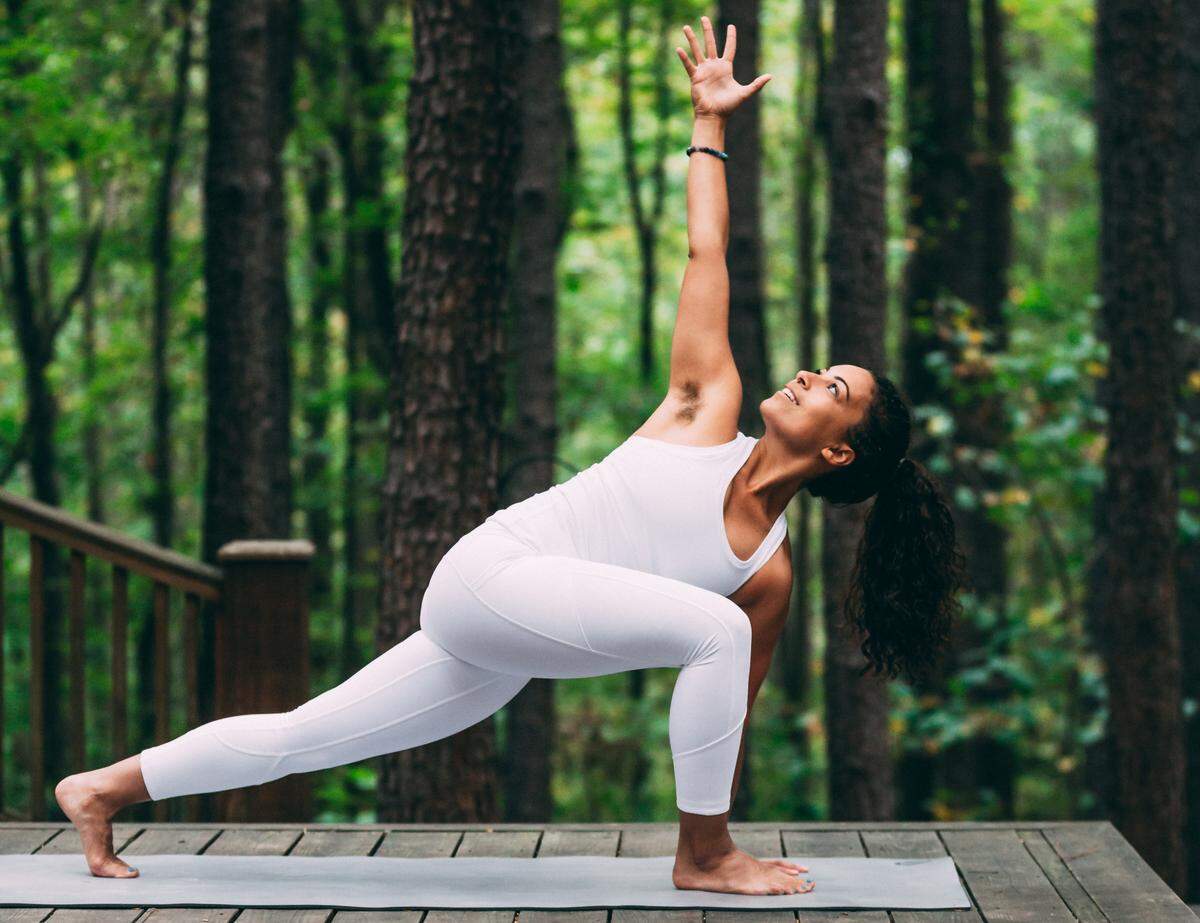
The Trans Yoga Project offers a combination of meditation classes and yoga flow classes and strives to de-emphasize unhelpful conceptions of yoga as a fitness class, which can disconnect people from the internal practice off the mat.
Using careful language and setting reasonable expectations
Opting for inclusive communication that veers away from gender-binary greetings and descriptions that favor specific body types and forms is essential to the Trans Yoga Project’s mission. Even avoiding gender-exclusive greetings like “hey, guys” in favor of “hello, everyone,” can go a long way, Sannito said.
Personal trauma can often bubble to the surface during yoga flows and meditations. Sannito strives to create a class environment where participants feel safe as those emotions arise and remind people they don’t have to do things like close their eyes if it makes them feel uncomfortable.
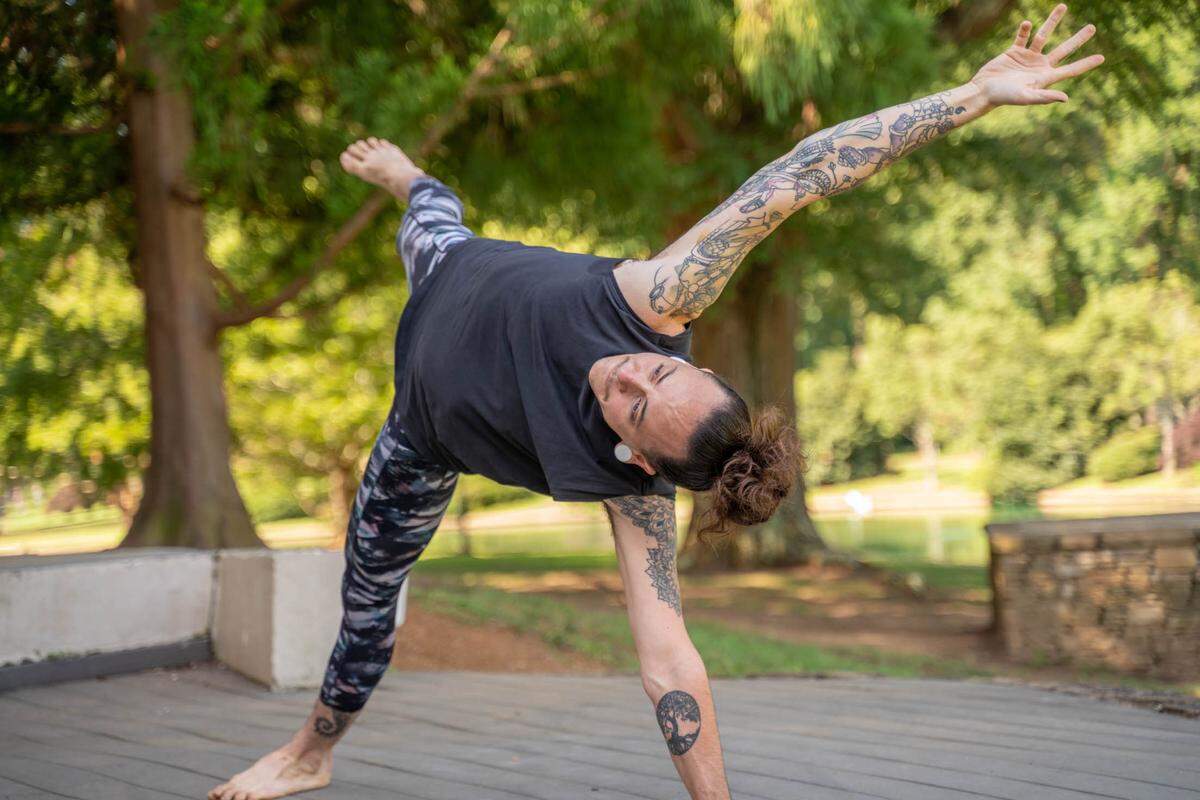
Allowing individual agency for participants by providing alternative movement options for each pose also helps newcomers and people with diverse bodies and abilities to participate.
“When we get rigid in our language, we limit possibilities,” Sannito said.
Cultivating community
The Trans Yoga Project is currently creating online trans and queer inclusion workshops for yoga teachers, studio owners, and other wellness professionals. The team is also developing a monthly education and events newsletter.
The Trans Yoga Project hosts virtual open mic nights, where community members share their art, spoken word, poetry, and music.
.jpg "Daniel_Sannito-05601 (1).jpg")
“We’re building a connection that is sustainable that lasts,” Sannito said. “They are up for our work, and we are up for their healing.”
How you can support the Trans Yoga Project
The schedule for both virtual and in-person yoga flow and meditation classes is available on the Trans Yoga Project website, and the sign-up is free. Most of the classes are donation-based, suggesting payment of between $5-$30.
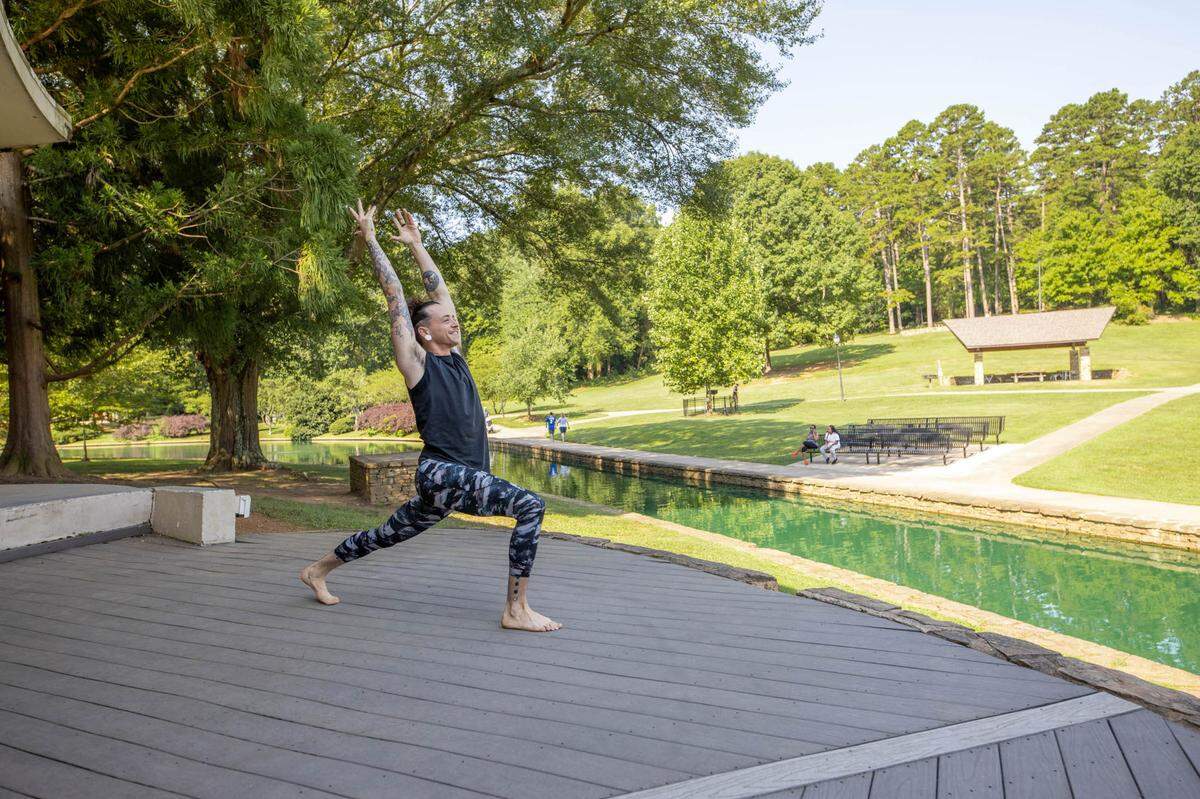
The Trans Yoga Project also has a Patreon, allowing supporters to pay between $2-$20 per month for early access to content and patron-only voting power. You can book workshops, trainings, consultations, and private classes on their website, too. Updates can be found at the @transyogaproject Instagram account.