
From caffeine to 12-step meetings, Crossroads Coffee House is a safe space in Waxhaw
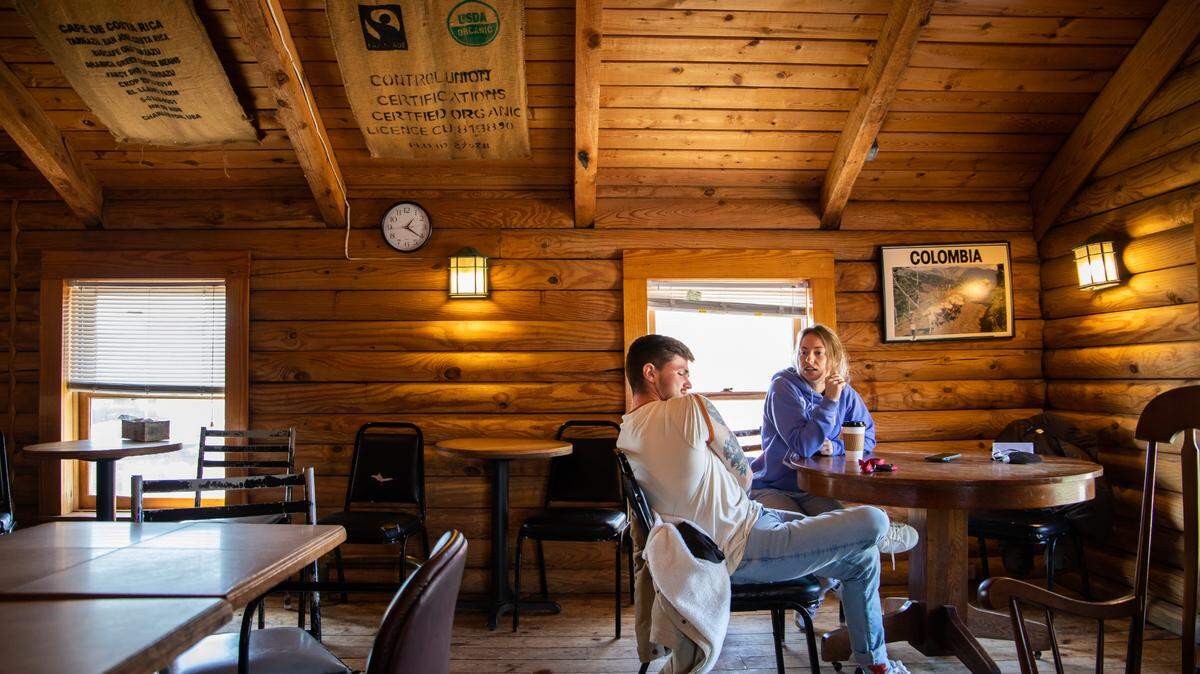
More than a dozen people are interspersed around the dimly lit attic.
It’s a disparate group: teachers, doctors, waitresses, high school students and college graduates. But they have one thing in common. They share an addiction.
How they ended up together in the homey, wooded attic of a local coffee shop is a story in itself.
Mike Holliday, owner of Crossroads Coffee House, opens his upstairs room for weekly alcoholics and narcotics anonymous meetings. He’s done so since he opened the coffee shop in 1999.
Since then, hundreds of people have come and gone. But Crossroads has remained a constant.
Holliday named the coffee house after the railroad tracks across the road, but it has an additional significance now.
“It’s been a crossroads for a lot of people and in a lot of ways, which is neat,” Holliday said.
Pathway to drugs
Danny Ruhland, 24, attended his first narcotics anonymous meeting at Crossroads in June 2018. He climbed the creaky wooden stairs, sat by the window and did not say a word. It took three months before he shared his story, but he kept coming back.
A friend’s father introduced Ruhland to cocaine at age 12. He moved on to weed, heroin and pills. By his senior year of high school, he was addicted to drugs, using them daily and even dealing.
Before entering recovery two years ago, Ruhland overdosed more than 13 times, including twice in one day. He decided to quit using drugs after his friend committed suicide. During his first 90 days clean, he attended more than 120 meetings at various venues. His favorites were those held at Crossroads in the wooded attic that he has come to view as his safe place.
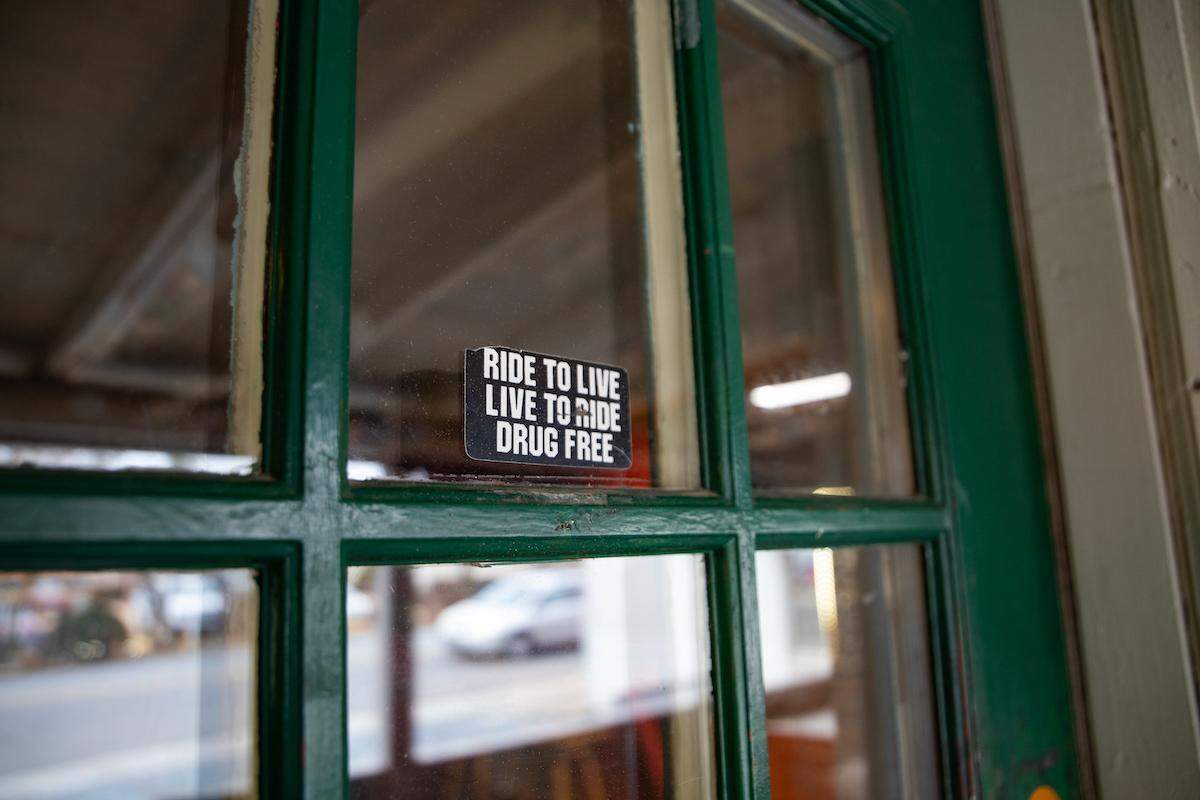
For two years, Ruhland went to three meetings a week at the coffee shop. Now, he goes to two each week and has started facilitating the meetings.
“This is the meeting that helped me get and stay clean, so I give a lot of my love and time to this space,” Ruhland said.
Substance abuse on the rise
Crossroads fills a community need. Substance abuse has been on the rise nationally and statewide for years, as have overdose deaths.
Nearly 4,000 people died in North Carolina in 2021 from suspected drug overdoses, according to data from the state’s Office of the Chief Medical Examiner. The death rate is a 26 percent increase from 2020.
In 2020, there were 40 drug overdose deaths in Union County alone.
Dana Story experienced a mild heart attack several months ago at age 27 from her crack cocaine addiction. Rather than stop smoking immediately after, she had someone else hold her pipe, as she was unable to move her arm.
“I always wanted more of everything than everybody,” Story said.
But the health scare made her realize the seriousness of her addiction, and she sought in-patient treatment and narcotics anonymous meetings. That’s how she found Crossroads.
Without 12-step meetings, particularly those at Crossroads, Ruhland and Story said they would be dead.
“It’s nice to know Narcan is no longer my best friend,” Ruhland said, referring to a prescription drug used to treat overdose victims.
They say the meetings at Crossroads contrast to the typical 12-step meetings held in churches.
Ruhland said the church meetings he’s attended can feel sterile and forced as attendees sit in a circle of chairs. He said he has felt judged by church workers and has censored himself to not curse in church.
At Crossroads, the chairs are scattered around the room. Meetings are filled with laughter, conversation, silence, tears and applause. Plus, there’s always good coffee.
While Holliday doesn’t attend every meeting, Story said he always brings comic relief and “humdingers” of wisdom when he’s present.
Holliday, who has been sober for more than two decades, is viewed as a role model — an example of what others in recovery can attain by taking it one day at a time.
Getting clean
In 1983, after more than a decade of regular substance abuse, Holliday decided to get clean. His wake-up call occurred when police busted him for what he describes as “trying to better the world through chemistry.” He stayed clean for the year prior to his court date. Recovery clicked for him.
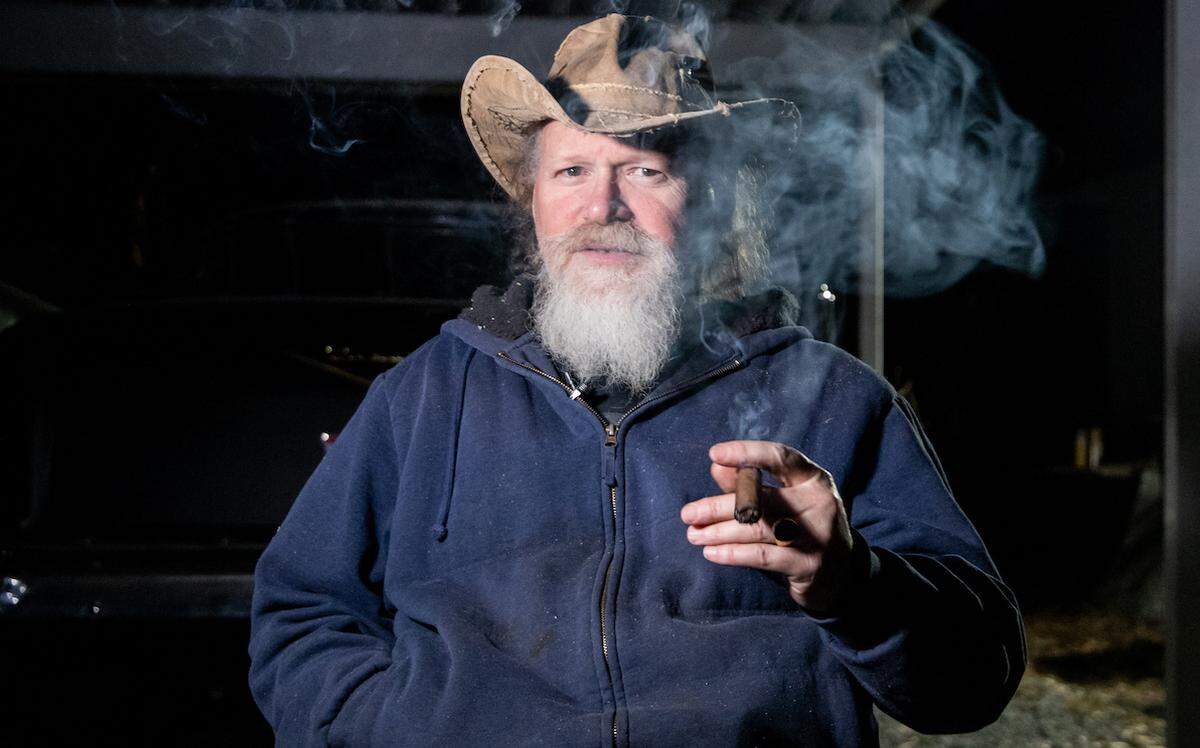
He wrote a letter to the judge on his case expressing that sentiment. If he was sentenced to time, he vowed to carry a message of recovery into prison. If he wasn’t sent to prison, he’d carry a message of recovery out in the world.
Holliday doesn’t know if the judge read the letter. Holliday’s public defender, however, communicated the message to the district attorney. To Holliday’s surprise, the district attorney told the judge on his day in court, “This guy is staying clean, and we don’t see that very often. I say we give him a bunch of probation and see what happens.”
The judge agreed and sentenced Holliday to five years of probation, instead of the 30 years in jail Holliday said he could have gotten for the charges.
Working through addiction
As promised, Holliday has spent his years staying clean and helping others work through their addictions.
He shares his history of substance abuse with all who ask. He tells people he got high for the first time at age 13 and thought he unlocked the “key to the universe.” He tells people when his half-brother, George, was killed in a car accident, he started to drink and use drugs with a vengeance. He tells people he stopped caring about school and was willing to use any substances offered to him, including LSD, mushrooms and acid.
He tells people how he dropped out of high school, joined the Air Force, hitchhiked across the country and lived under a boardwalk in New Jersey. He even tells stories of the massive highs he experienced such as at a Grateful Dead concert when he vividly hallucinated a conversation with his dead brother and found himself in jail naked.
After he got clean and obtained degrees in social work from East Carolina University and UNC-Chapel Hill, he spent decades working in the substance abuse field. One of his first jobs was working at a treatment recovery center in Charlotte, the same facility where he was treated.
Holliday worked at many other facilities before transitioning to work in hospice for several years. But then his life took another turn, leading him to have a more indirect role helping individuals in recovery.
12-step meetings
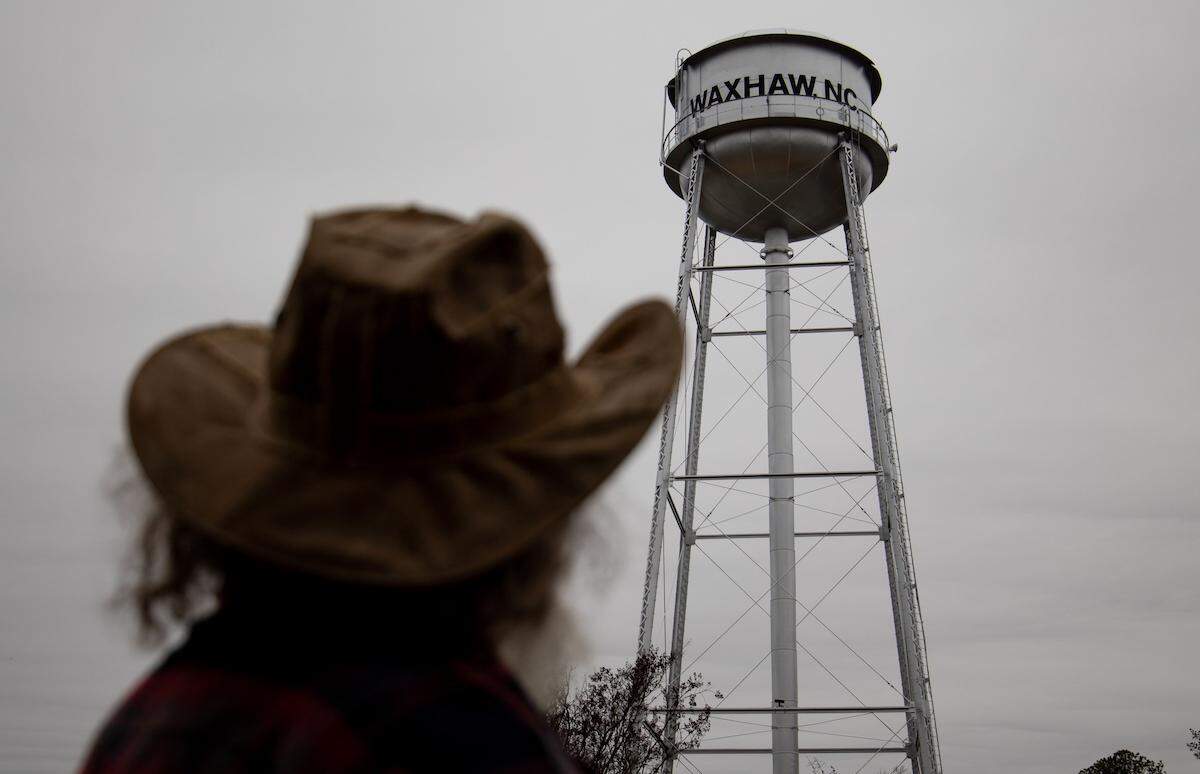
When his mother died, Holliday and his father settled in Waxhaw. Back then, there wasn’t a place to go for coffee, so Holliday and his friend, Dan, decided to fill the void.
It’s a staple in the community. The smell of fresh coffee fills the air. Mugs hang from the ceiling. Photos of people who have passed hang on the wall.
“I don’t know Waxhaw without Crossroads,” said Alexa Bummel, who worked as a barista at Crossroads for five years.
While some rely on Crossroads’ coffee to fuel their caffeine habits, others rely on the 12-step meeting space upstairs.
For many individuals in recovery, meetings are a lifeline to sobriety. It was a difficult two-year period when in-person 12-step meetings, including those at Crossroads, were canceled due to COVID-19.
While Zoom meetings were offered, they did not have the same impact. When someone talked about something heavy, there was no way to share a hug.
And during the in-person meeting hiatus, many people relapsed. The first Sunday morning meeting back at Crossroads this summer was a reminder of that.
Ruhland drove three hours from Raleigh to be at the meeting. Forty people showed up. While he said it felt amazing to be reunited with familiar faces, it was also painful to realize the number of people who died from overdoses or who went back to a lifestyle of active addiction.
Ruhland and Story, who both started using drugs as teenagers, said they are observing people use earlier and more aggressively. Over four years, Ruhland said the makeup of the group has gotten younger. He attributes the trend to increased access to alcohol and drugs, as well as people seeking help sooner.
“I love the meetings that have newcomers in them because it reminds you that the disease is still real and it’s still out there,” Ruhland said.
Ruhland said while he may come to Crossroads with a heavy heart or mind, he always feels some type of relief upon leaving. That’s the feeling Holliday hopes all who come to the coffee house experience.
“Everybody’s recovering from something,” Holliday said.