At the Gantt, Black designers explore dandyism in NC version of Met Gala
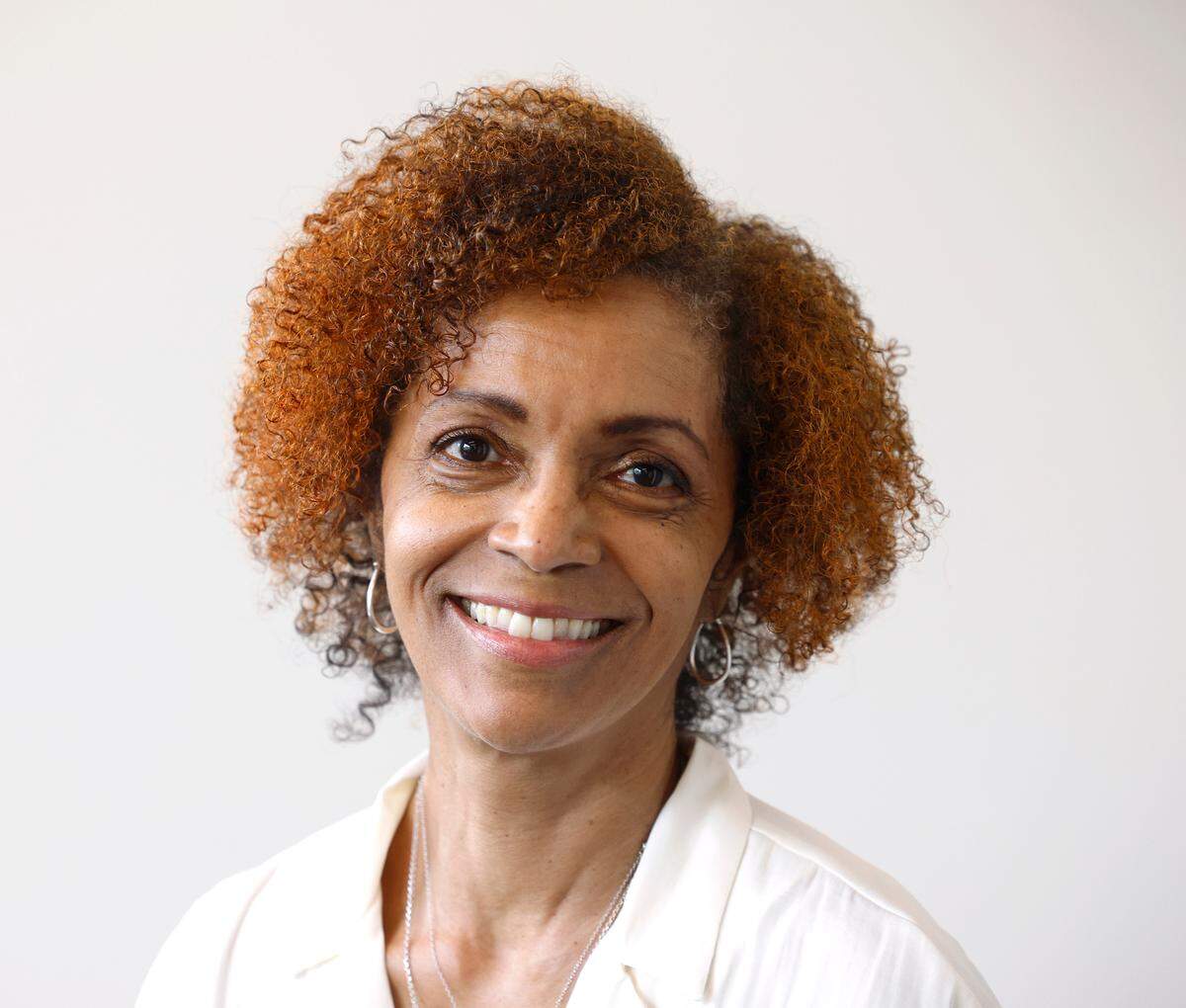
Last October, Charlotte-based fashion professor Perrine DeShield had an a-ha moment.
Known affectionately as “Professor P” at the Savannah College of Art and Design, most years she discusses the famous Met Gala in New York with her students. They delve into the themes, how they translate into fashion trends and its impact on the industry.
But the revelation happened when she learned the 2025 theme for the annual haute couture museum fundraiser would elevate Black style and feature dandyism — a practice evoking an artistic, dapper and refined sartorial style. She thought about the late André Leon Talley, North Carolina’s own fashion icon. She knew there was something to create and immediately contacted colleagues at the Harvey B. Gantt Center for Arts & Culture.
“We’ve got to do something in Charlotte. I felt like it was very much so a love letter to Andre Leon Talley. I know a lot of people have continuously brought him back up,“ DeShield told The Charlotte Observer. “He’s also the epitome of a Black dandy. I think that his contributions to fashion and the industry are just unmatched.”
Seven months later, that idea is now a new exhibit called “Superfine at the Gantt: Exploring Black Dandyism.”
On Friday, May 2, Black designers based in Charlotte will burst on the scene in finery, in flash and pomp during an evening-long showcase. The program, curated by DeShield with the Gantt’s collaboration, features a red carpet ceremony, a rotating runway, an interactive panel, plus a VIP rooftop party.
The public also will have an opportunity to engage, in fine fashion of course, and bask in the Queen City’s version of a Met Gala while embracing an important facet of the Black American experience.
Reclaiming the narrative
In celebrating all that Black fashion is and represents, the show allows Black designers to reclaim the historical narrative of the Black dandy — a concept dating back to 18th century England, during the trans-Atlantic slave trade.
“When we fast-forward centuries later to (the) present day, we have seen the dandy take on different forms,” DeShield said. “At its core again, it is now taking that ownership back. It’s allowing us to be able to create our own narrative through the power of fashion and clothing to then continue to break those stereotypes in new ways.”
For the exhibit, DeShield and the Gantt Center are partnering with Nouveau Chapeau, a Black-owned vintage store in Charlotte. The event also features Archive CLT, which is providing books, literature and other artifacts about Black fashion that attendees can peruse.
“We are exploring Black dandyism more so from the lens from a Black Southern perspective so that is kind of how we’re differing,” she said. “Black dandyism started in the South and we too, like Andre 3000 — the South got something to say.”
History of the Black dandy
Understanding the Black dandy is a journey back to the antebellum period, when enslaved Black men were dressed in fine clothing, even becoming known for evoking a flamboyant style — but it’s more as a symbol of wealth for the white slave owners, author Monica L. Miller writes in “Slaves to Fashion: Black Dandyism and the Styling of Black Diasporic Identity.”
“Slave owners would basically utilize some of their Black slaves as luxury items,” DeShield said. “They would, adorn and dress some of their Black slaves and servants in the same European dress ... and would kind of utilize them as luxury extensions of themselves.”
DeShield said that when slavery was abolished, Black people, and in particular men, continued the tradition as a “form of rebellion,” but more as a way to break a stereotype, thus creating their own narrative through the power of fashion and clothing.
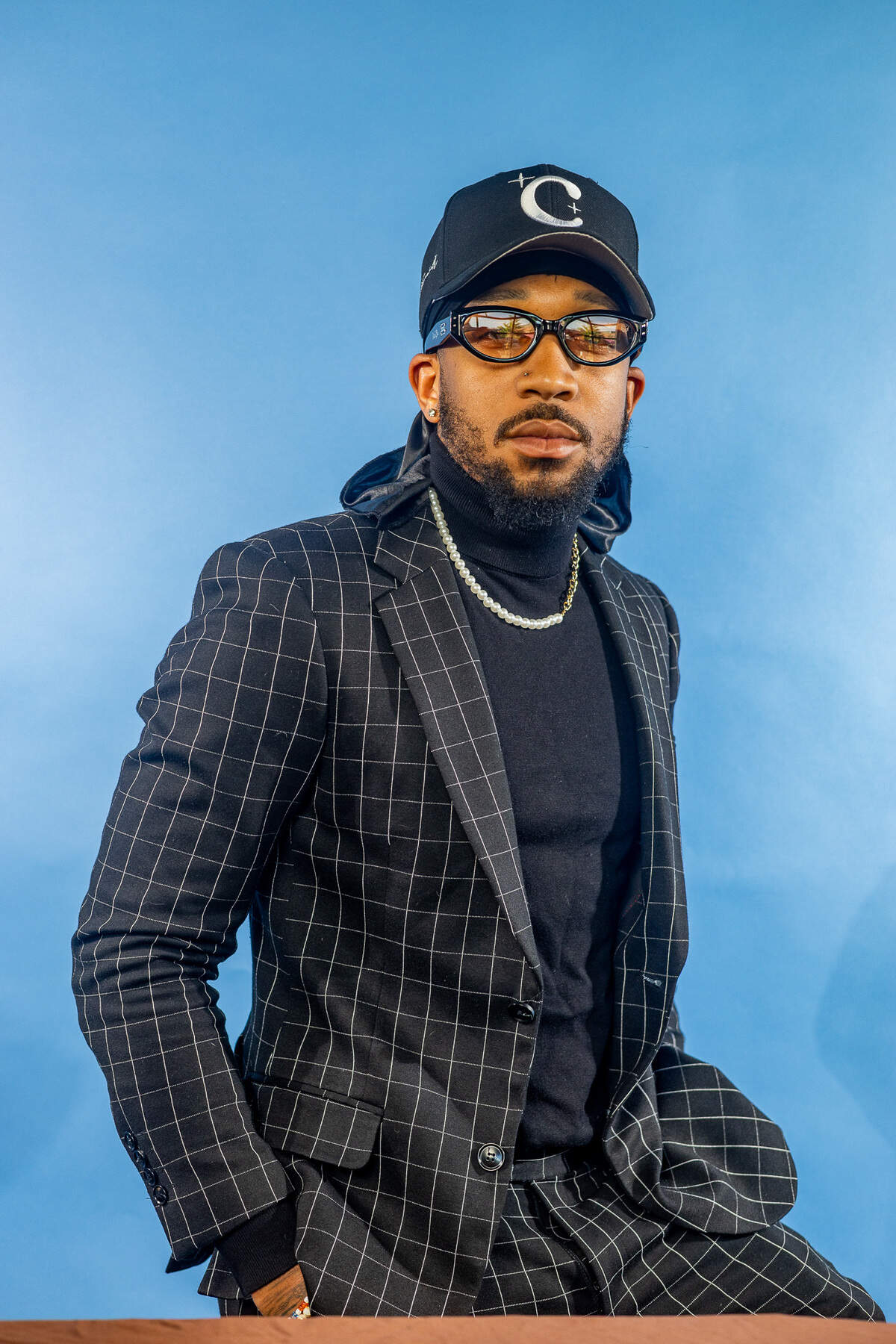
In more contemporary interpretations of Black dandyism and high sartorial style, celebrities have adopted the style making their own: André 3000, Pharrell, Rocky A$AP, actor Colman Domingo and fashion designer Dapper Dan, to name a few.
The Met Gala, Charlotte-style
Picture the flashing lights and the paparazzi, but it’s not celebrities from film, music or wealth on the promenade — it’s the average person walking the red carpet and being photographed. That is what attendees can expect, to be a part of the Black dandyism event while learning the history and why it matters.
“We want the more, not the lesser,” DeShield said. “I want hats. I want accessories. I want gloves. I want out-of-the-box. And I want everyone to take it there. And I know people will. I think they’re really going to have a lot of fun with really getting dressed up and really paying homage to this theme.”
Starting at 7 p.m. the evening opens with a red carpet show and VIP access to the rooftop. The program features an exhibit called “Dissecting Dandyism” curated by DeShield and artists including Carla Aaron-Lopez, Davita Galloway and Shekinah Williams.
The exhibit will take attendees through a journey of different forms and different kinds of Black dandies. It’s not all Zoot suits and tuxedos.
DeShield said a traditional dandy leans into that more European and bow tie kind of look — a three-piece suit kind of situation, very traditional and classic. But the look has evolved, she said.
“You have the Ascot Dandy which is more (fashion designer) Dapper Dan. It’s a lot... flashier. There’s a cane... some designer elements. There is a little bit of street wear to it. There’s a lot of jewelry. There’s a lot of drip to it. It’s kind of making it, ‘this is like the flyest man, in Harlem,’ ” she said.
There is even a preppy Ivy League dandy: loafers, cardigans, polos, or a sweater dangling over the shoulders. There is the track suit dandy, wearing a Gucci sweatsuit, maybe wearing a fitted down hat versus a fedora, gold chains, she said.
“We’re really kind of creating this whole activation to really dissect the dandy and really showcase not only what Black creators and Black artists mean to Charlotte and our perspective of dandyism, but to also reiterate that Black dandyism started in the South,” she said.
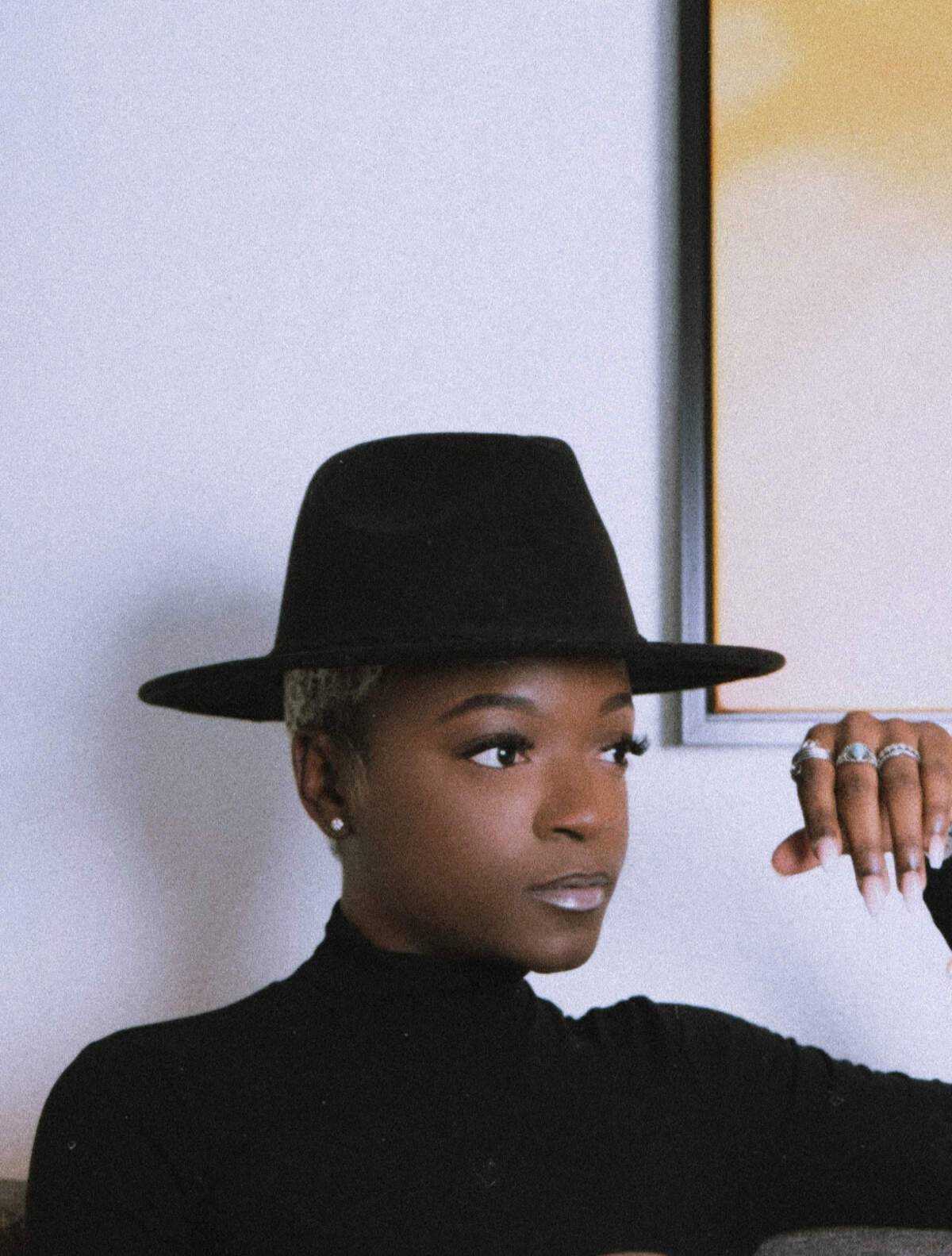
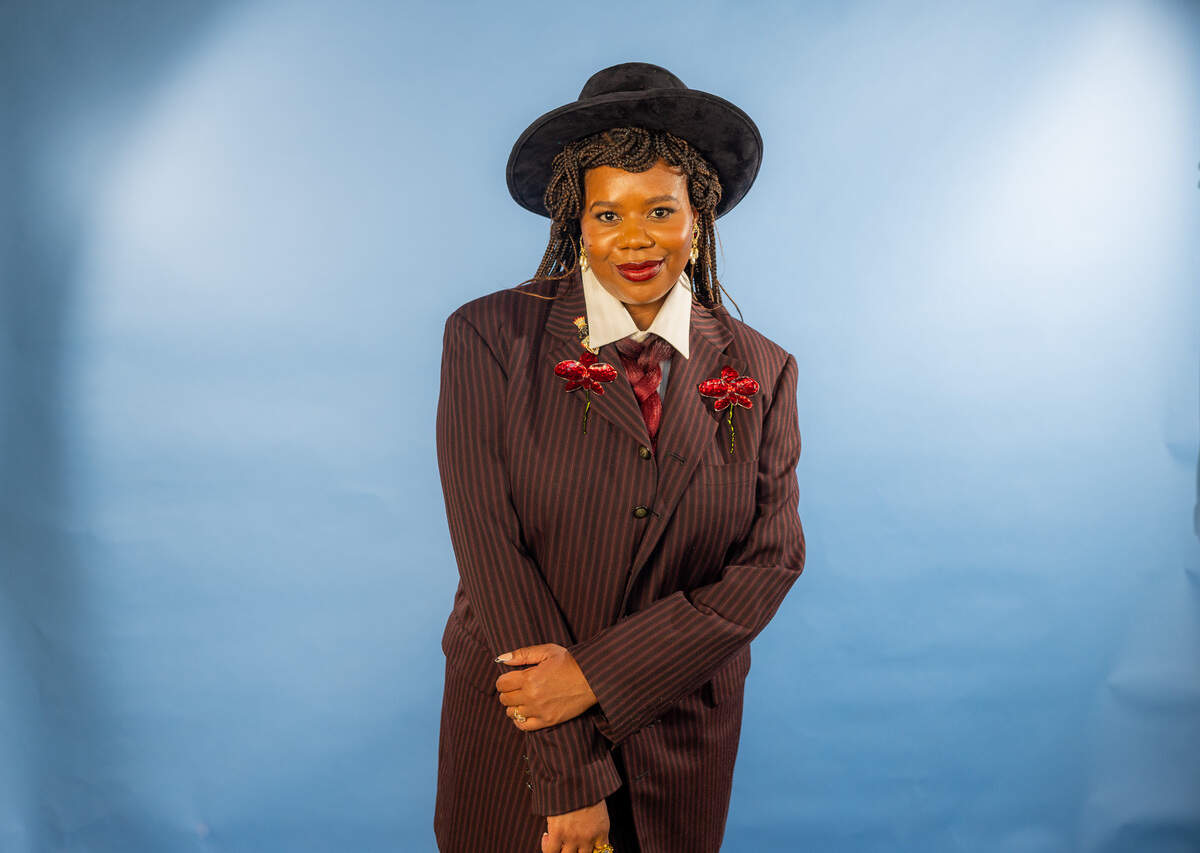
About an hour into the program will be the runway and fashion show, and panel discussion with four guest designers, each of whom will share their vision of dandyism in their collections. Among them will be Destiny Paige Reeves, professionally known as MENIA, fashion designer for MENIA PAIGE.
“To be part of a movement that honors Black Dandyism, not just as history, but as a living, breathing form of power and beauty, is beyond fashion. It’s a legacy,” Reeves wrote in an email to The Observer. “To stand here, as a Black woman, debuting my first menswear collection rooted in elegance, rebellion and soul... feels like I am stitching my own chapter into that legacy.”
Fellow designer TeeJay Alston, a former military police officer in the Army, now owner of Charlotte-based Ambitious Rebirth, a luxury street wear brand believes the exhibit is a true example of Black American history.
“Black dandyism is more than fashion. It’s a reclamation of elegance. It’s a refusal to be boxed in by stereotypes or systemic limitations,” Alston wrote in an email. “For me, contributing to this exhibit is about honoring our ancestors’ grace and forward-thinking flair while carving out space for new expressions of Black masculinity, identity and artistry.”
The program concludes with an evening party at the Gantt museum, with light refreshments and music by Dammit Wesley.
Who is Professor P?
DeShield, who is 36 and married, said she came from two very stylish Liberian people.
Raised in Greensboro, her dad was a professor of agriculture and agronomy at North Carolina A & T University while her mom was an elementary school teacher.
Education always has been the forefront of her path, she said, but Professor P was influenced by her parents’ fashion sense.
“My father was always known to be that person wearing that bold colored suit, that paisley shirt, that matching bow tie. … My mother Erlene: ‘I need a new dress for every occasion.’ She is always wearing the heels, always wearing the dress, hair done, nails done and whatnot. So I think subconsciously I inherited these different things.”
When DeShield attended college at UNC Chapel Hill, she studied journalism, but always seemed to gravitate to fashion extracurricular activities. Whether that was joining a modeling troop and pulling looks from classic ballroom culture, or creating a show called Carolina Style, it was fashion related.
After college, DeShield did a number of things before ended up as a professor. She started a community organization to help fledgling designers; worked in New York’s fashion scene for a while; worked in corporate retail and ultimately ended up in graduate school at Savannah College of Arts & Design.
There, she earned her master’s in brand management and now teaches, splitting her time between the campus and her home in Charlotte.
DeShield worked with the Gantt to craft the event, and the center wanted to ensure attendees felt “special, seen, and celebrated,” public programs manager Afeni Grace said in an email to The Observer.
Want to go?
What: “Superfine at the Gantt: Exploring Black Dandyism”
When: 7-11 p.m., May 2
Where: Harvey B. Gantt Center for African American Culture
Tickets are available by visiting the Gantt Center website, or clicking on this link.
More arts coverage
Want to see more stories like this? Sign up here for our free, award-winning “Inside Charlotte Arts” newsletter: charlotteobserver.com/newsletters. And you can join our Facebook group, “Inside Charlotte Arts,” by going here: facebook.com/groups/insidecharlottearts.
This story was originally published April 30, 2025 at 6:00 AM.