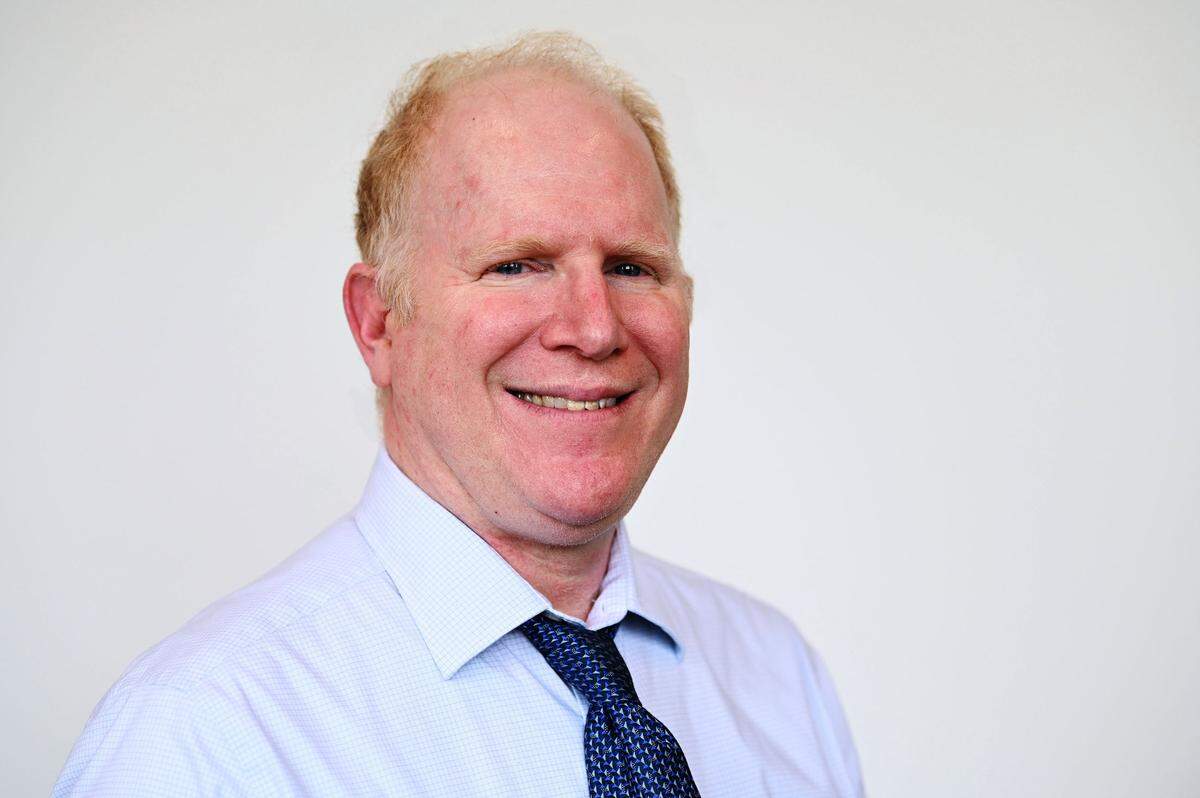
That time Robert Redford talked with the Observer about VCRs, nearly filming in NC
AI-generated summary reviewed by our newsroom.
- Redford defied Hollywood norms by backing value-driven films over profit aims
- Throughout his career, Redford shifted from actor to director and activist roles
- Redford viewed aging authentically, resisting cosmetic changes to preserve image
Editor’s note: This story was originally published on Oct. 27, 1992, and was written by The Charlotte Observer’s then-movie critic, Lawrence Toppman. Redford died Tuesday, Sept. 16, at age 89.
“Lawrence Toppman speaking.”
“This is Robert Redford. Listen, I’ll call you Larry, if you’ll call me Bob.”
Bob. Just that simple. After three decades in the industry, an Academy Award for directing “Ordinary People,” creation of the Sundance Institute and its annual film festival, Redford has acquired — perhaps unjustly — a reputation as a thoughtful but private man who politely avoids the media.
So who’s this cheerful soul on the phone? Tell him you want to talk about philosophy rather than facts, and he replies, “That’s good. Facts confuse me.” Ask him to hold the line while you deal with your computer, and he laughs. “You’re ahead of me,” he says. “I don’t try to program my VCR.”
He has a lot to laugh about this autumn.
Critics have warmed to “A River Runs Through It,” a nostalgic story about fishing and religion in 1920s Montana. (It opens Friday.) They’ve also admired “Incident at Oglala,” a new documentary about Sioux activist Leonard Peltier for which Redford was narrator and executive producer.
The public has taken to “Sneakers,” a September hit that stars Redford as a computer whiz searching for a code-breaking machine. The latter must be gratifying to the 55-year-old, whose acting career slumped after “Out of Africa” in 1985.
He appeared in two movies over the next six years: the leaden courtroom comedy “Legal Eagles” and “Havana,” playing a seedy loner of a gambler. He spent the late ‘80s directing (”The Milagro Beanfield War”) and backing and/or narrating documentaries such as “Yosemite: The Fate of Heaven” and “To Protect Mother Earth.”
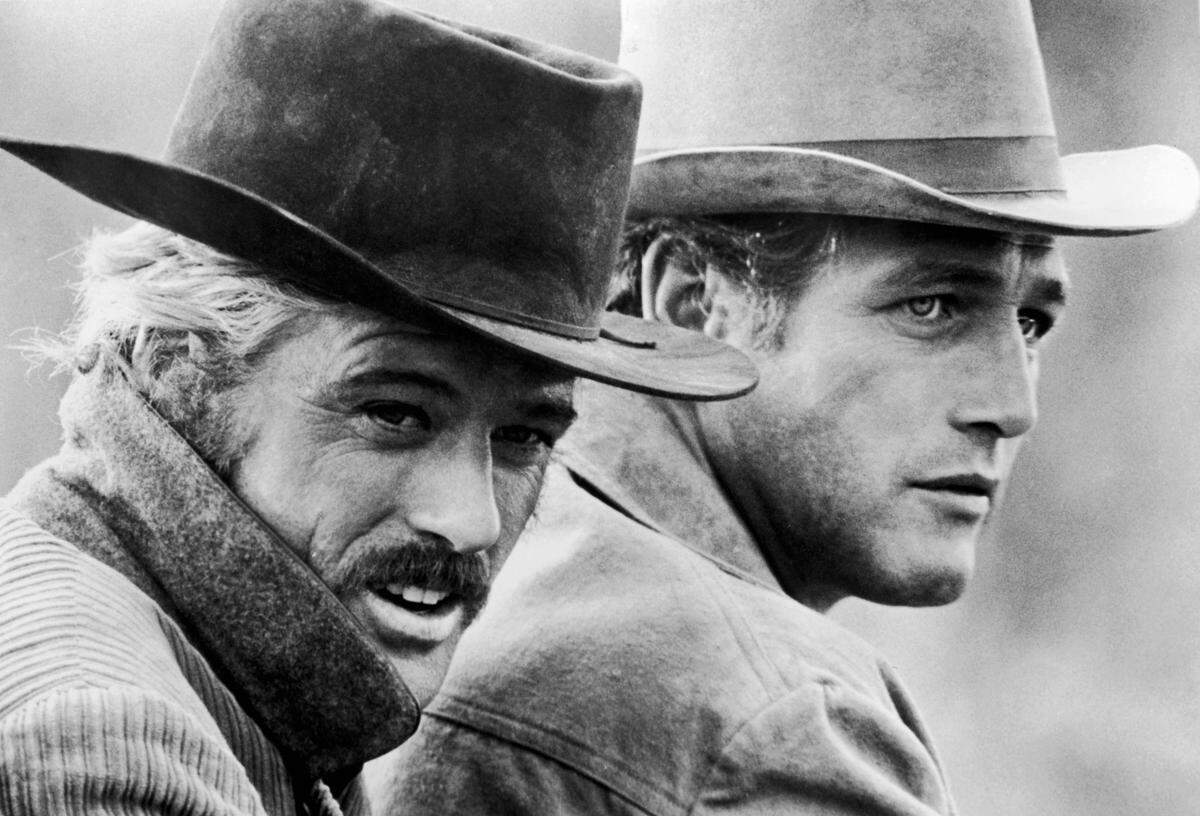
Alas, he abandoned a project that would have brought him to North Carolina: an adaptation of Robert Penn Warren’s novel “A Place to Come To.”
“I worked really hard on it about 10 years ago before Penn Warren died, but I couldn’t get backers to go all the way,” he said. “I love North Carolina. I’ve tried to get to know all parts of the country, and that’s a beautiful state. I did buy furniture in High Point, though.”
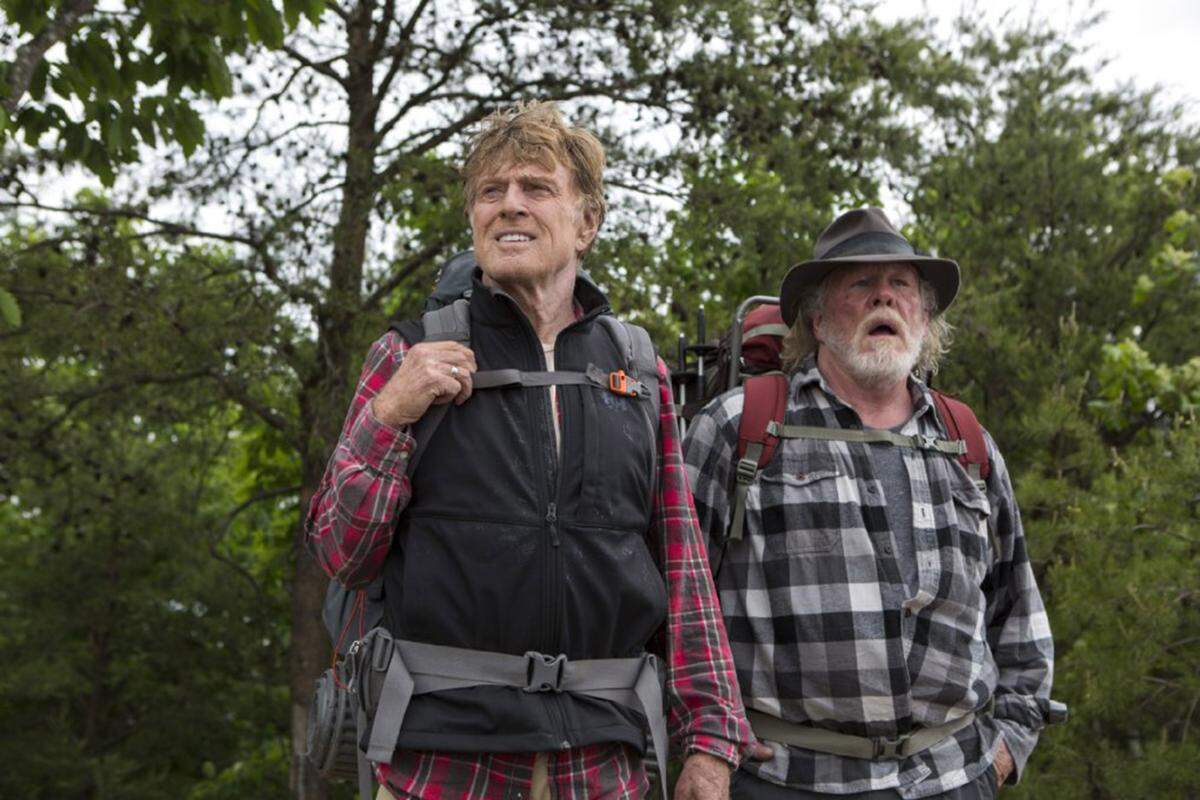
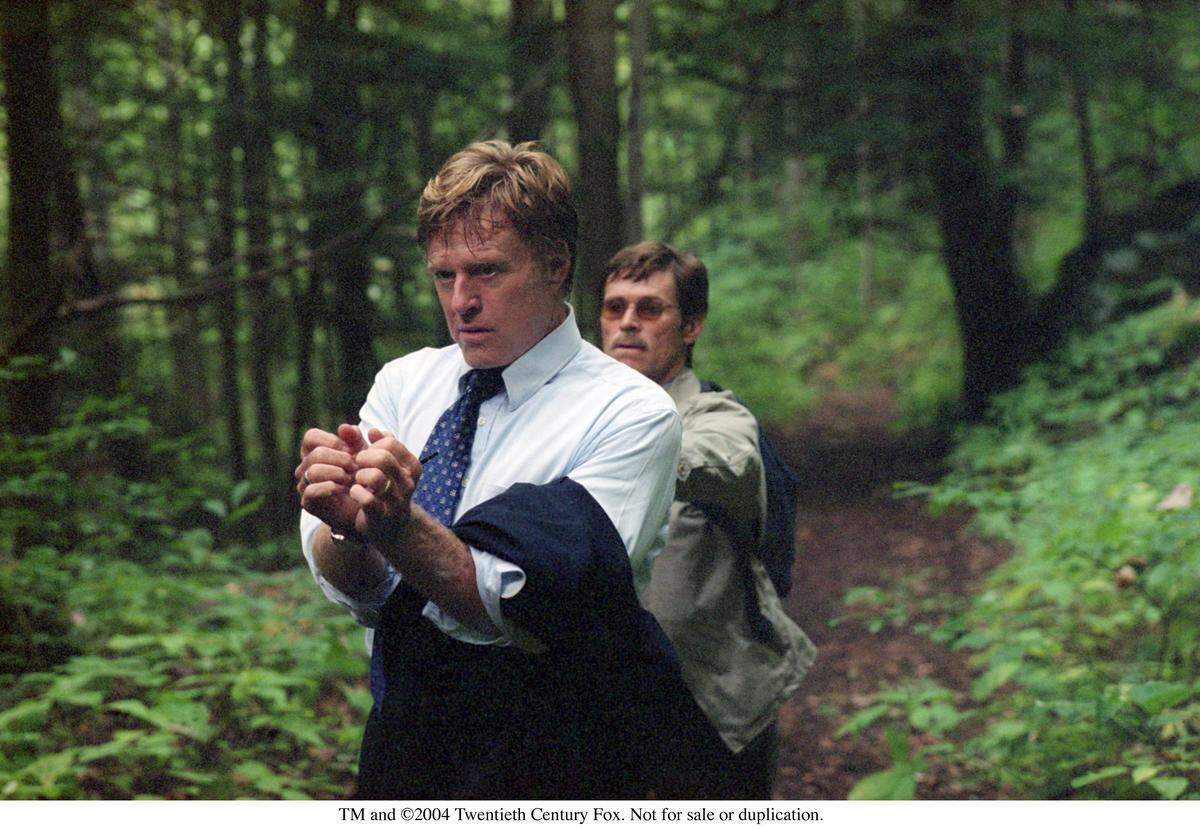
(Editor’s note: Redford eventually did film in North Carolina. Scenes for the 2004 crime thriller “The Clearing” with Helen Mirren were shot in Asheville, according to the Asheville Citizen-Times. And the 2015 biopic “A Walk in the Woods” with Nick Nolte chronicled a lengthy hike along the Appalachian Trail.)
He took time last week from shooting “Indecent Proposal,” in which he plays a tycoon who offers a couple (Woody Harrelson and Demi Moore) a million dollars in exchange for one night with the wife.
A publicist said he’d have 15 minutes to chat, but Redford spent 50 and never seemed to notice.
“River” seems frozen in time, a beautiful memoir of an era before pollution and overpopulation. What do you want people to get out of it?
“It’s a memory piece about something lost in the land and culture. At the same time, we can appreciate what we still have, though it’s smaller than it was — and maybe we should think about that. What are we giving up? Are we going to gain from giving up the land for short-term profits? Obviously, we’re a development-oriented society, so this movie (represents) a bend in the river we’ve passed and won’t see again.
“You can feel people wanting to return to something we’ve lost. Ralph Lauren puts antique looks on his models, with sweat and dirt ground into their hatbands. But that doesn’t make it a hat that has been worn for 25 years, and that older kind of life can’t be regained.
“On another level, River’ deals with understanding those close to you, with not helping people you care about until it’s too late or they don’t want it. It’s about taking discipline given you from birth and deciding where to go from there.”
If you count the village in “Milagro” as an extended family, the three films you’ve directed have all been about families shattered by outside forces. Why?
“Families are important, and we’ve done strange things to them in the last short while. I rebelled against (mine) a lot, but . . . whatever I didn’t like about it then, I’m grateful for now. I may have felt abandoned or misunderstood, yet I developed a self-reliance that has carried me through my adult life.
“I come from Celtic roots. My family are Irish and Scots immigrants, like the minister’s family in ‘River’ (not to mention half the people in the Carolinas). Story-telling was a big thing; whatever my family chose not to communicate directly was dealt with in stories. They were big on education, and they had the pride to think they could do it better than schools.”
Some critics of the industry say today that Hollywood ought to do more to shape people’s values in a positive way. Can Hollywood make a big difference that way?
“Hollywood as an industry can affect fashions, and that’s all. I don’t think it can affect politics or issues much. And in making films, Hollywood (decisions) can be affected by only one thing: money. ‘River’ defied a lot of marketing odds, and that’s why I couldn’t get funding easily. People said, It’ll become Redford’s fishing movie.’
“We’re coming out of the 1980s, which rendered a specific attitude among theatergoers: Life is great, success is easy, the little guy can beat the ---- out of the big guy.’ It was Reagan’s time. Truth wasn’t told, and people didn’t want to hear it. It was like in a cartoon world, and movies reflected that program. I have a hunch audiences are tiring of that cartoon phase.”
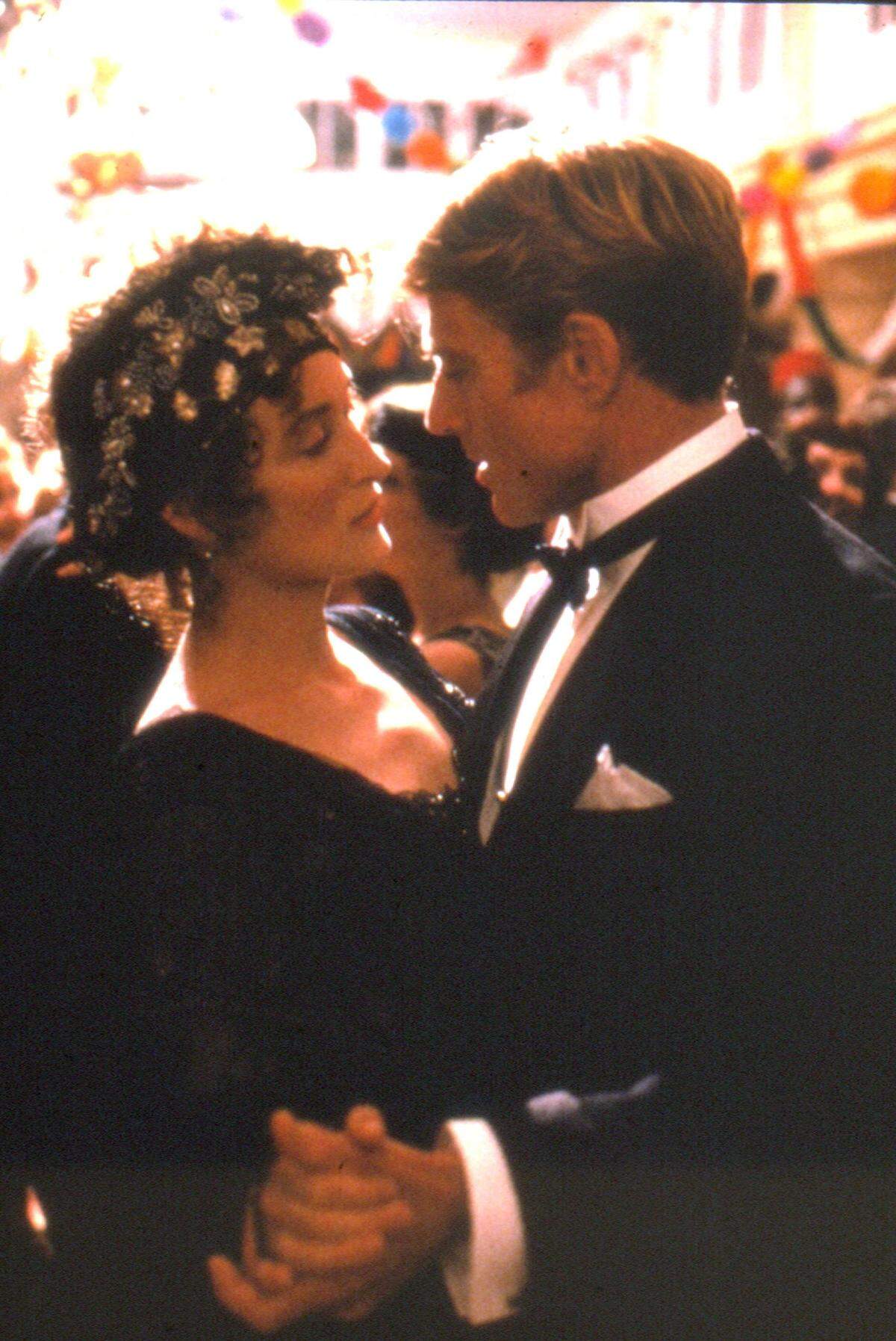
Has typecasting been much of a problem for you?
“I’ve felt constrained by public expectations. There’s a stereotype out there that I’m not happy about. I entered the industry to become an artist, not a personality. Back then (in the early ‘60s), there was one road to it, through craft and development of skills. Somewhere along the line, personalities began to come off the street and right onto the screen. Audiences began to respond more to personalities.
“I started in the theater in New York. (His big break was “Barefoot in the Park” in 1962). I paid dues through early plays, live television, and ended up in one film after another that led to a particular kind of success. Then I was being treated a bit like an object. I don’t know when I began to be uneasy, but I knew I’d have to fight my own shadow. People reject you when they expect a certain quality and you give them something else.
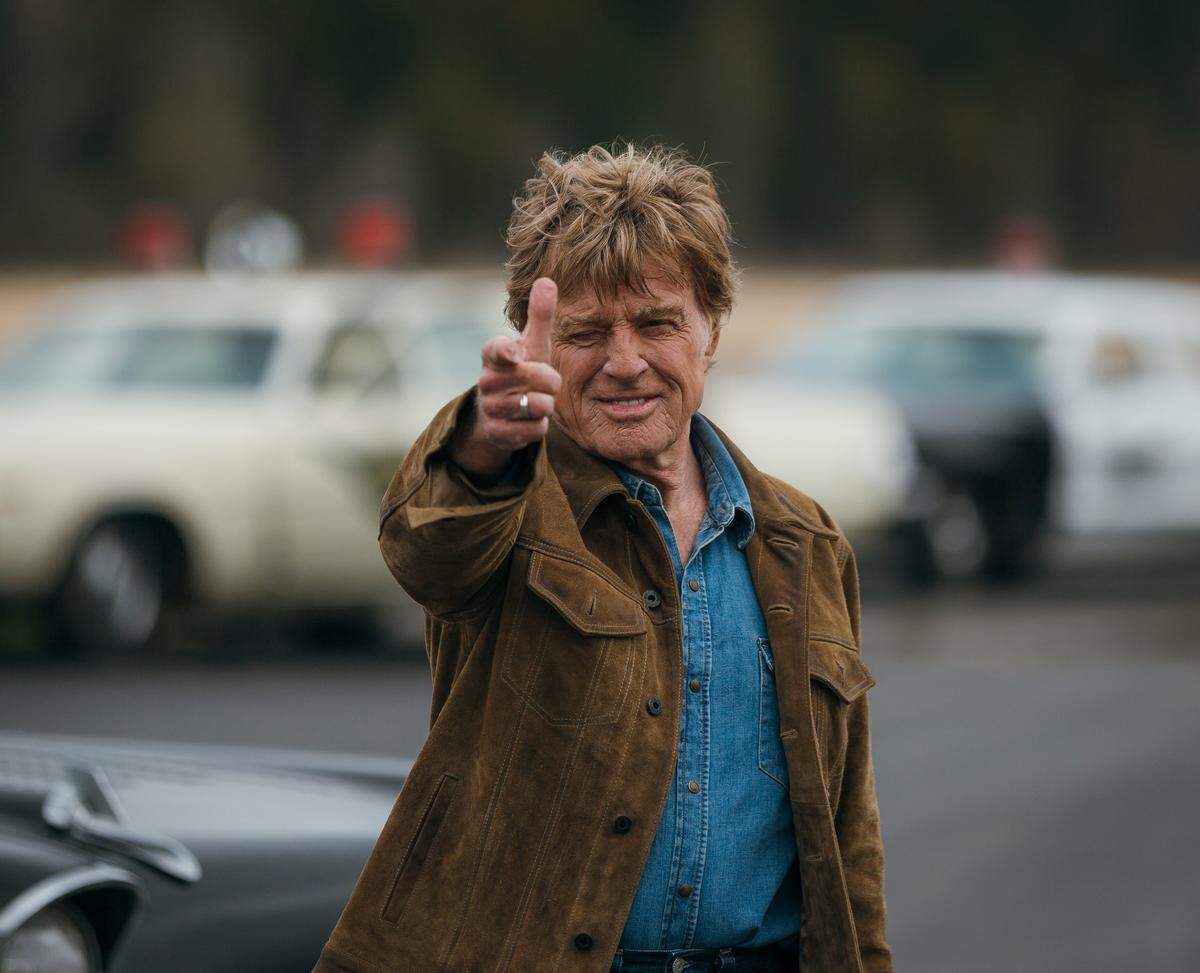
“I felt it a lot from critics, especially in ‘Havana’ (1990). A lot of attention was paid to how I looked, but this was a different character than I’d been playing — a down-and-outer who’d lived too many nights in dark rooms gambling. It required somebody who looked seedy and worn. But critics said, My God! Bob Redford looks terrible!’ I don’t know what audiences thought, because so few of them saw it.” (He laughs.)
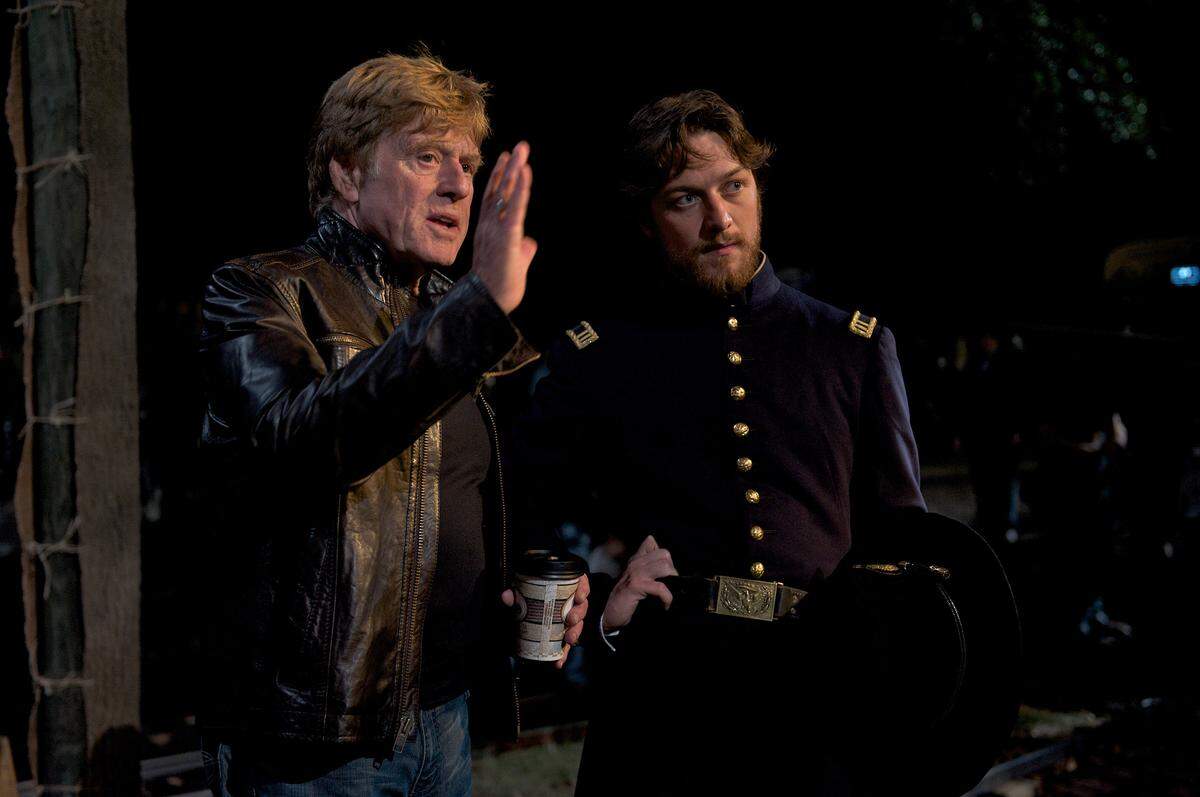
As actors get older, some — say, Marlon Brando and George C. Scott — lose interest in their work. Brando called acting “the expression of neurotic impulses, an empty and useless profession.” Have you felt that way?
“That hasn’t happened to me yet, but I completely understand. You think, I’ve done this, now let me go on to another place’ — and audiences won’t. What I’ve done with my life is to carry things concurrently — I’ll do political work for a while, or environmental work, then go and make a film.
“When Tony Perkins died, I can’t tell you the pain I felt for him, because every (obituary) dwelt on ‘Psycho 1, 2, 3, 4.’ What about ‘Friendly Persuasion’ and ‘Fear Strikes Out’ and his stage work? He was out there doing different things, some of them quite well, and we’ll all remember Tony Perkins as a nut. That’s the kind of country we live in: very shallow. And cosmetically oriented.”
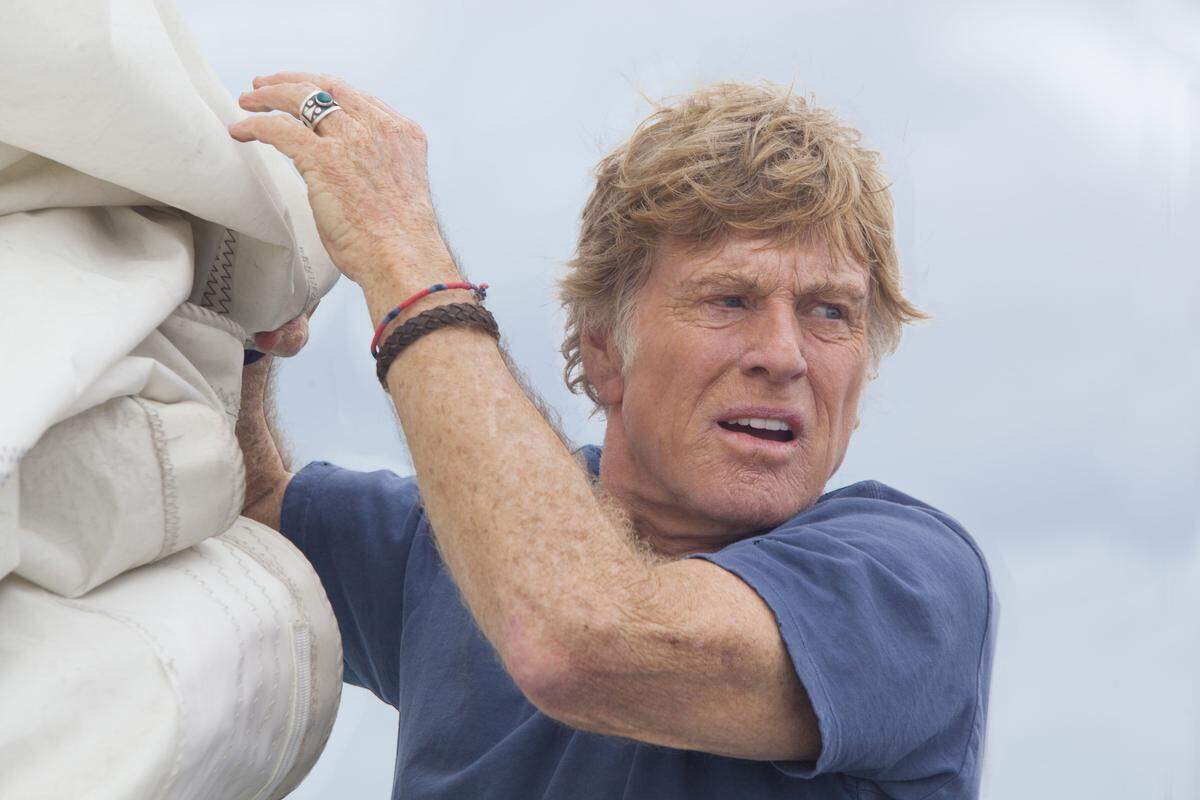
Speaking of that, you’ve apparently avoided surgical tucks and lifts pretty scrupulously. Haven’t you been tempted?
“I just want to live my life the way life is. I don’t want to alter myself so I can be arrested at any stage of my development. That must be exhausting. It’s got to be like wearing lifts or a toupee; every day you have to go out of the house as two different people. Then you take the shoes or hairpiece off, look at yourself and think, God, this is tough.’
“What I continue to hope is that there’s only the work. Give me the freedom to try different things and not hear, ‘This isn’t the Redford we knew in ‘The Way We Were’ ‘ or whatever. I don’t want to live in some place I no longer am.”

About Robert Redford
Born: Charles Robert Redford Jr., Santa Monica, Calif., Aug. 18, 1937.
Athletic talent: Went to University of Colorado on baseball scholarship but dropped out to hitchhike around Europe for a year and paint. Later attended Pratt Institute in Brooklyn to study painting, before moving to American Academy of Dramatic Arts.
Family: Divorced from Lola Van Wegenen. Three children: Shauna, 32; Jamie, 30; Amy, 21.
Lives: Utah, mostly. He bought 2 acres for $500 in 1961, designed and built a house. Sundance Ranch now spreads across 5,000 acres and includes a film institute, conference center for environmental issues and clothing store selling Western wear. (You can mail-order, too.) Redford also has homes in New York, Connecticut and Southern California.
Oscar nominations: “The Sting,” 1973 (actor, lost to Jack Lemmon in “Save the Tiger”); “Ordinary People,” 1980 (director, won).
Some performances of his that he thinks will endure: “Jeremiah Johnson,” “The Candidate,” “All the President’s Men.”
This story was originally published September 17, 2025 at 5:00 AM.