
This UNC professor’s book uses slave narratives to highlight their talents and wit
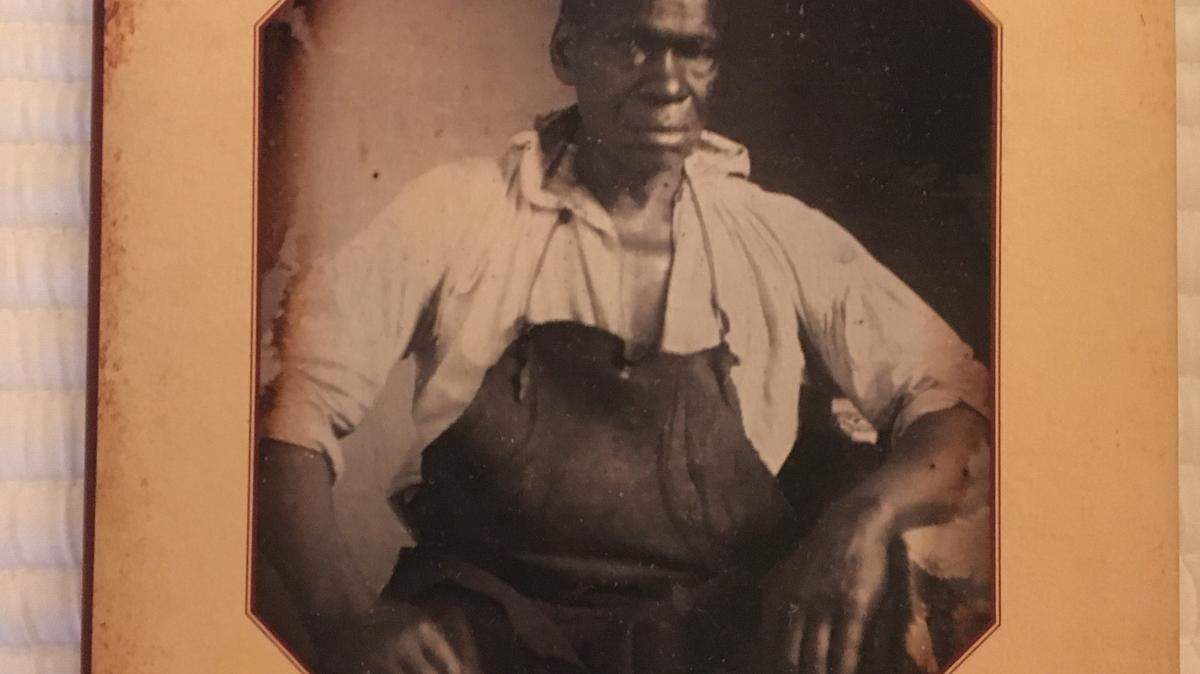
Social climbing is not an activity most of us associate with the whips and chains of slavery.
Yet, as William Andrews, the E. Maynard Adams professor of English at UNC Chapel Hill, shows us in a fascinating and enlightening new book, climbing the social ladder during the era of slavery was a valuable endeavor, one that could lead to more comfort, better food and clothing and, with a bit of luck, even freedom.
In “Slavery and Class in the American South: A Generation of Slave Narrative Testimony: 1840-1865,” Andrews draws on the written narratives of 60 former slaves, many of whom used their talents and wit to escape their owners and went on to publish their observations and insights about class distinctions among slaves and the complicated relationships between slave and master.
Question: You have written or edited more than 40 books about African American literature and history. Yet half of your great-great grandfathers were slave holders, including one who was an outspoken anti-abolitionist, seeking to stomp out the “nefarious publications” from which you draw your very research. What compels you?
Answer: I went to high school in Richmond, Va., during the Civil War Centennial. I learned a lot about the Confederacy and its struggle to win that war. But I was taught nothing about the people over whom the war was fought – the 4 million enslaved African Americans whose bodies, minds and labor were the most valuable commodity and capital investment in the entire United States. I never intended to spend 40 years of my life excavating, teaching, editing and interpreting African American slave narratives. But once I started reading them in 1970, they exerted a gravitational pull on my mind and heart.
Q.: Field workers, according to more than one narrative, looked up to the house servant as a “pattern of politeness and gentility.” Even so, domestic workers were still enslaved. Did the big house offer specific advantages?
A. Compared to the miserable, daily deprivations endured by enslaved field workers, domestic slaves did have some advantages. They might snag leftovers from the slaveholders’ table, get a hand-me-down from master or mistress, or rest overnight in better shelter than the dirt-floor, windowless huts that most field workers were consigned to.
But domestic slaves had their own special challenges. For the better part of the weekend, the average field laborer did not have to work. But for domestic slaves, weekends were often the most hectic time of their work week because slaveholders liked to entertain. Most domestic slaves were on-call 24 hours a day, seven days a week. Their narratives report many instances of physical and verbal abuse, sleep deprivation, exhaustion, depression and, of course, in the women’s narratives, sexual harassment or assault by white men.
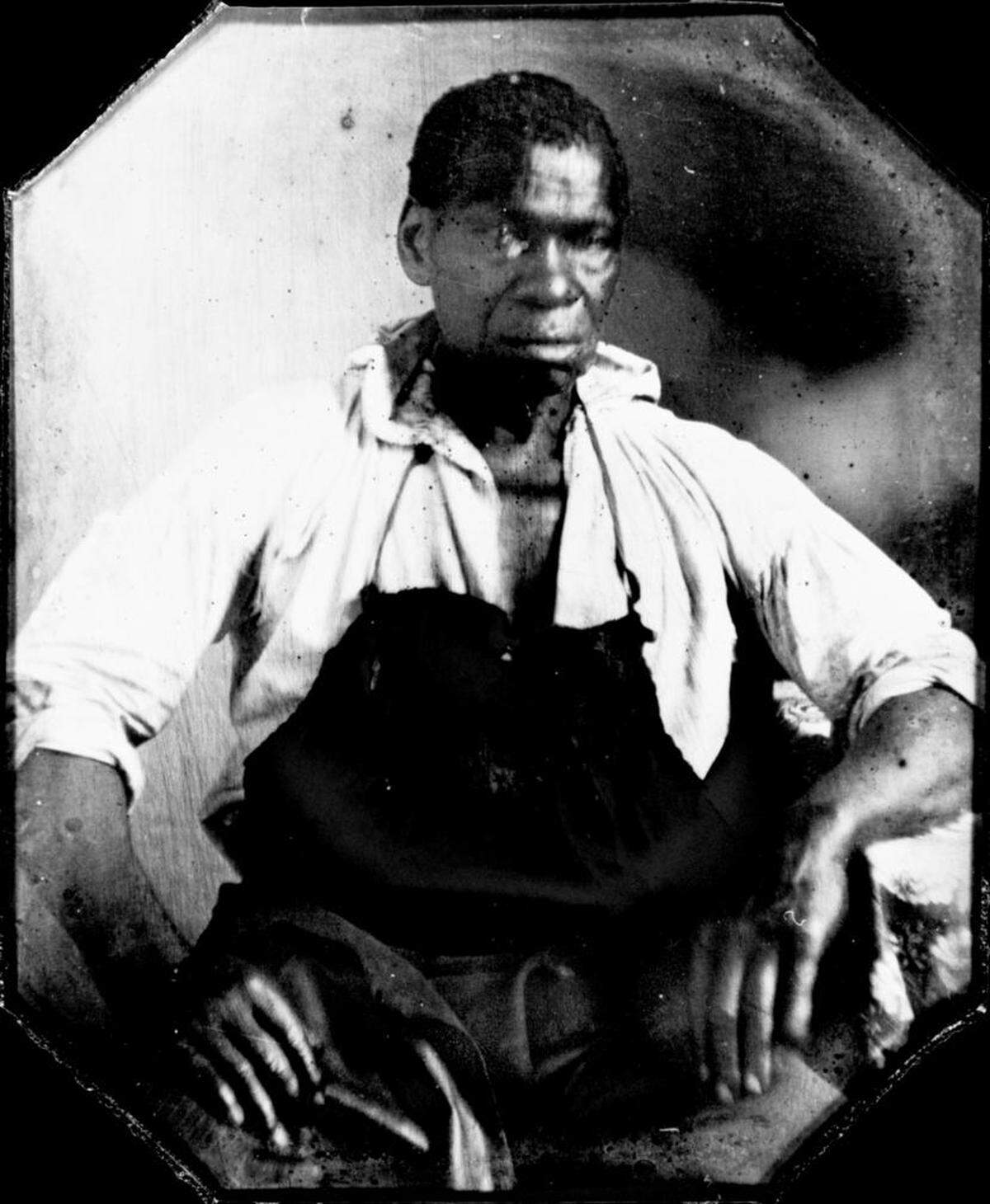
Q. Baltimore city slave Frederick Douglass said that in the small-town South, slave holders fostered “enmity deep and broad,” between the slave and the poor white man. Poor white men who volunteered to join the patrols (slave catchers) seem to have done so partly to take out their rage on slaves they could not themselves afford to own.
A. Upper-class slaveholders were the architects of the long-standing practice in the South of convincing middle- and lower-class whites that people of a different color, whether enslaved or free, were the biggest threats to their status and security. The slave narrators diagnosed the damage done by class differences between the whites. One prominent former slave wrote in 1849: “if [a southern white man] performs manual labor for a livelihood, he is looked upon as being inferior to a slaveholder, and but little better off than the slave, who toils without wages under the lash.”
White men who joined the patrols or who worked as overseers were both tools and victims of a system that robbed them every day of their lives while assuring them that their status as white men should be their greatest source of pride.
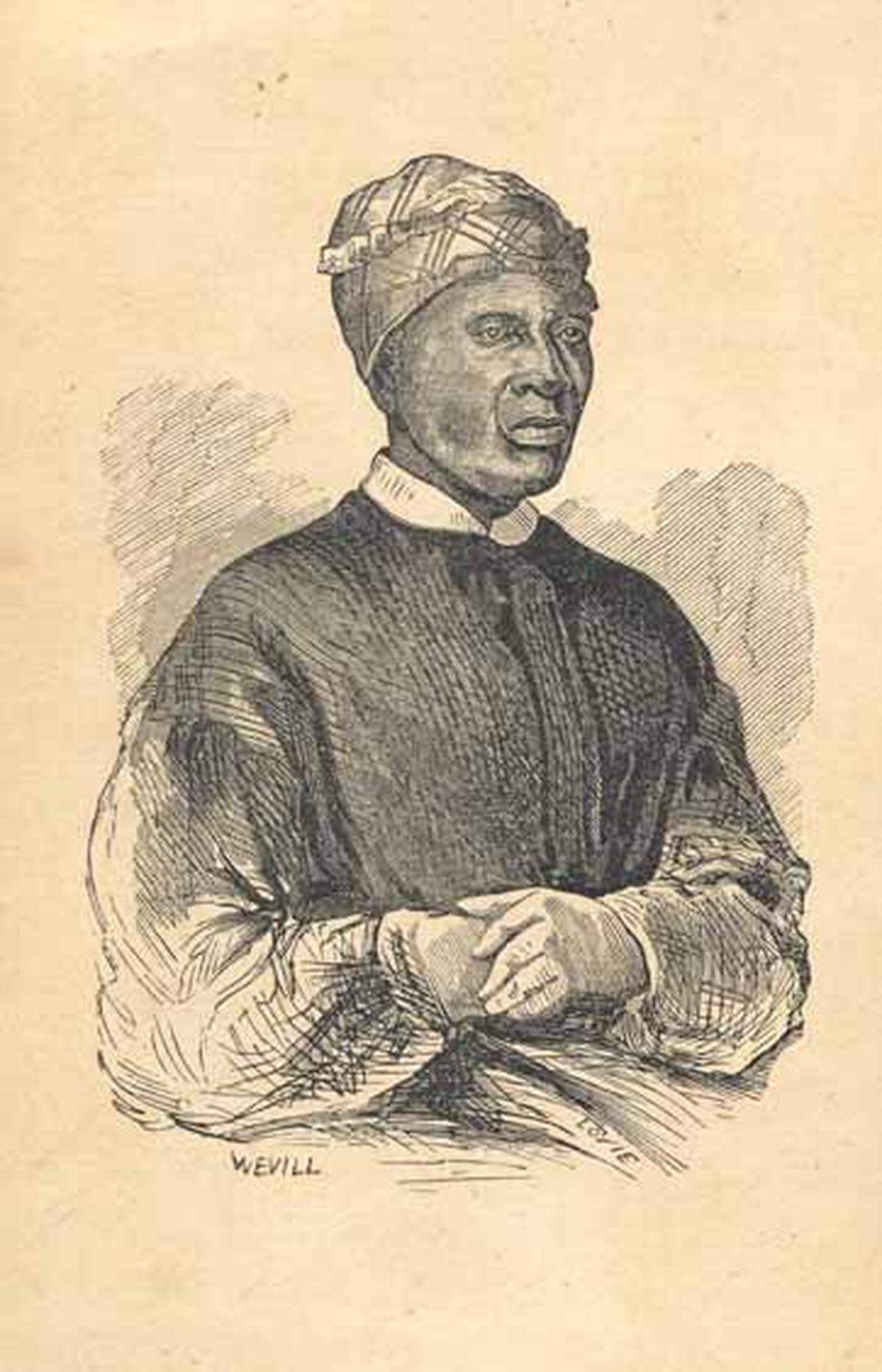
Q. One narrative tells of Aunt Sally Williams of Fayetteville, a slave who was also a dressmaker, a baker and a brewer, popular with her customers, both black and white. Yet she “grated on the white people around her.” So it wasn’t only poor whites who could feel enmity toward slaves.
A. The narratives contain many examples of ambitious African American men and women whom resentful whites referred to as “gentleman” or “lady” slaves. These were people, like Sally Williams, whose initiative, industry and perseverance enabled them to improve their economic status while still enslaved. But when Williams obtained a house to rent, bought furniture and clothed her children with her own earnings, less resourceful whites grew envious of this “lady” slave, which led her owner to sell her. The upward mobility of independent-minded “gentleman” and “lady” slaves threatened a system that claimed that people of African descent had to be enslaved because they would not work and could not take care of themselves unless under white control.
Q. Aunt Sally’s opposite is Henry Watson, once a Mississippi cotton picker, who, on the verge of passing as a free black man, had a crisis of faith about his entitlement to be free. (“Had I not been taught that I was a slave – that I was ever to remain a slave?”) Is there evidence today that some black psyches are still in bondage? That black entitlement still falls far short?
A. As I see it, white supremacy and racism in the United States have held American psyches, white and black alike, in various kinds of bondage for centuries. The slave narratives offer us concrete examples of black people, and some whites as well, who resisted the conditioning of racism and slavery and struggled heroically to liberate their minds, not just their bodies, from it.
Q. The famous narrative of Edenton’s Harriet Jacobs, “Incidents in the Life of a Slave Girl,” tells of her escape from a lecherous slaveholder to safety at the home of her free black grandmother Molly Horniblow. Horniblow’s own freedom came from the patronage “extended by upper-class whites to a special few African Americans.” How did this work?
A. Molly Horniblow used her baking skills to develop a line of fancy crackers that Edenton’s white upper-crust liked and bought. Horniblow shrewdly made it her business, while enslaved, to ingratiate herself to her white upper-class customers, knowing that having “friends” (a reference in “Incidents” to upper-class whites who patronize upper-echelon blacks) could be very valuable when a black woman needed social leverage and protection. After her granddaughter escaped, Horniblow relied repeatedly on her network of carefully-cultivated white “friends,” as well as her African American family, to keep Harriet Jacobs’ whereabouts a secret until she could safely go North.
Q.: Frederick Douglass’s grandmother Betsey Bailey of Talbot County, Md., possessed an “unusually high status” (she and her husband owned their own home) because of her skills as a “good nurse, and a capital hand at making nets for catching shad and herrings…” How exactly did a slave trade skills for status?
A. Slaves who had marketable skills, such as blacksmithing, cooking or carriage driving, were more valuable to their enslavers, and they knew it. The narratives repeatedly describe skilled slaves lobbying their enslavers for the opportunity to hire themselves out. That is, find work and support themselves and their families from their own earnings. Slaveholders permitted such enterprise among their skilled slaves because hired enslaved workers paid a regular fee to their enslavers for the privilege of working on their own.
Q. These narratives illustrate how talent, proficiency at a trade, contacts with influential whites, even skin color, allowed a slave to scale the social ladder. Did these clever and/or industrious slaves represent the slave class as a whole? Or were they the Martin Luther Kings of their era – a few who inspired the many to overcome?
A. The large majority of the enslaved were unskilled or only semi-skilled, rural-dwelling, agricultural workers who lived in the Deep South. Most of the slave narrators – including the famous Frederick Douglass and Harriet Jacobs – were skilled urban dwellers, many semi-literate, from the Upper South. There were important slave narrators from the agricultural worker class whom I discuss in my book. But most slave narrators came from the higher echelons of slavery.
In their life stories, the famous fugitives like Douglass and Jacobs argued that, though some whites might think they had it easy in slavery, in fact slavery was especially galling and oppressive for those in the higher ranks because they had the most to lose if their enslavers decided to sell them for debts or for insubordination. They wrote their narratives to enable white readers to understand how even those who were among the comparatively privileged slaves found their condition so intolerable that they would risk their lives to attain liberty.
More arts coverage
You can find all our arts season preview stories and calendars in one place: charlotteobserver.com/topics/charlotte-arts-guide.
Want to get more arts stories like this delivered to your inbox? Sign up for the free “Inside Charlotte Arts” newsletter at charlotteobserver.com/newsletters
You can also join our Facebook group, “Inside Charlotte Arts,” at https://www.facebook.com/groups/insidecharlottearts/