
Blumenthal surveys find audiences would return after COVID-19 is under control
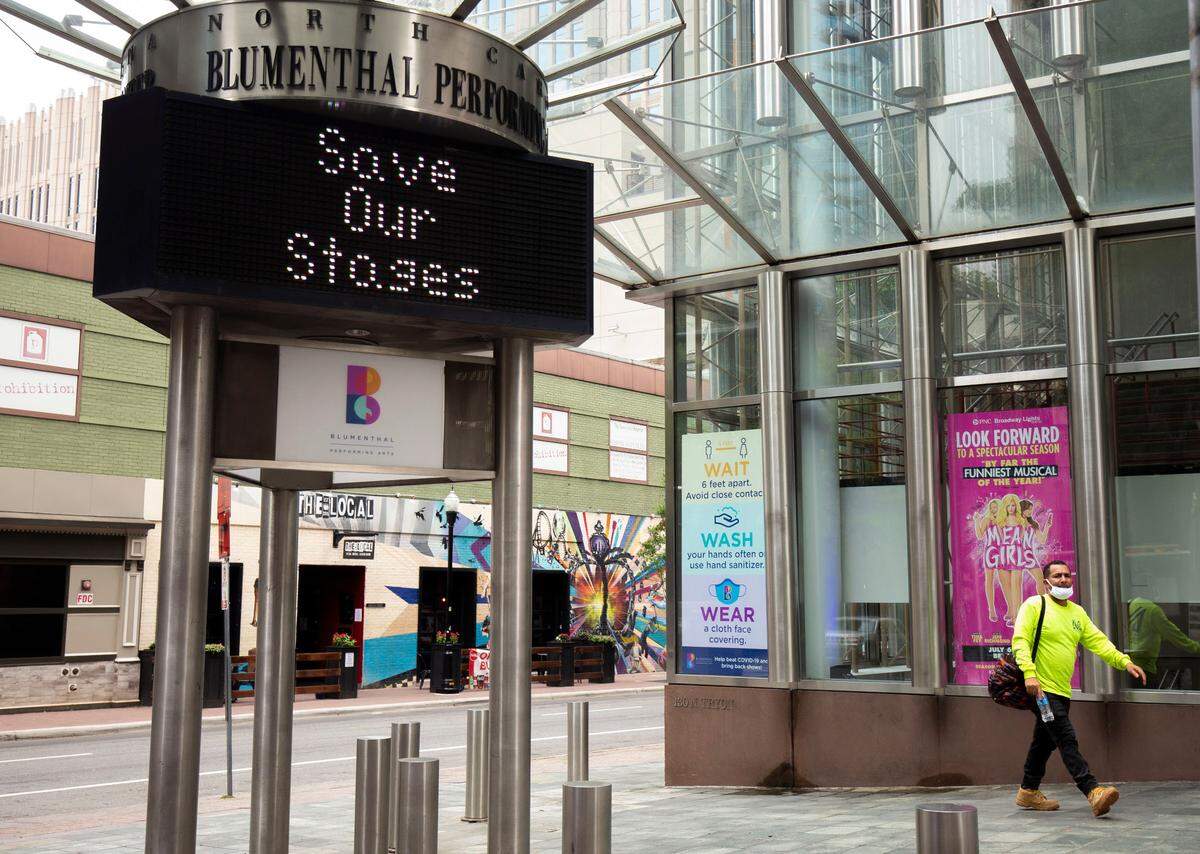
Live indoor theater isn’t returning anytime soon to Charlotte during the coronavirus pandemic. But Blumenthal Performing Arts is still keeping a pulse on what people will expect when performers can return to the stage.
The Blumenthal is one of 36 performing arts centers nationwide, including the Kennedy Center in Washington, D.C., and Lincoln Center in New York, that is sending out an extensive survey to patrons and others, said Wendy Oglesby, vice president of marketing and ticketing for Blumenthal.
The survey found people aren’t comfortable returning indoors for theater yet, and the majority of respondents won’t come back until the risk of COVID-19 transmission is minimal or there’s a vaccine. But people are watching virtual shows and seem more comfortable attending entertainment venues until then.
The survey has been sent out 10 times since May 20, Oglesby said. She said it’s a learning tool to help shape the arts and cultural group’s decisions. The surveys will continue through the end of the year, and likely into the new year.
This most recent time, the survey added questions about virtual programming.
“We want to make sure we’re staying on top of where the public is on this issue,” she said. “It’s very valuable to have this data from the country at large.”
She said more than 60,000 people nationwide have completed the survey. The Blumenthal surveyed a random group of single ticket buyers, season subscribers and others for the email surveys. There have been 3,800 responses since May, Oglesby said.
In Charlotte, she said the findings have been similar to other parts of the country.
For instance, people were less likely in November to leave their homes to attend events than they were in September.
“So having that information is useful. It lets you know that people are paying attention to what’s happening (with COVID-19 data) and it’s affecting their decisions on what they’re comfortable in doing,” Oglesby said.
When to return?
The good news is there’s no indication people will avoid returning to the theater when it’s safe to do so, Oglesby said. And, people will continue to donate and expect the same type of live performances.
“That’s a great take-away, not only for the Blumenthal but for all arts organizations,” she said. “It indicates our audiences will return, they just need to feel safe.”
It’s also clear from the responses that safety matters. In fact, the survey found people feel most comfortable going to bars, restaurants, gyms, movie theaters or using public transit with restrictions.
In response, the Blumenthal is already planning to move to all digital tickets and playbills, and improving theater ventilation and installing disinfectant equipment.
“Some of these things will just make theaters a safer, better environment over the long haul,” Oglesby said.
She said masks will likely be required as the majority of audience members surveyed, 88%, welcomed that —especially because social distancing seating in theaters isn’t financially viable.
“Our expectation is when we are able to resume large concerts and Broadway shows, we’re going to have to be at full capacity,” Oglesby said. “So knowing that the majority of the audience is open and willing to adopt mask-wearing is important.”
When live shows will return is unclear.
Broadway shows aren’t likely to resume until next fall, while national tours could go out earlier, depending on the pandemic across the nation. People will feel most comfortable when vaccines are available or there is a low infection rate.
But comfort levels alone won’t reopen Blumenthal theaters. It will be based on science and public safety guidance.
“A lot of that depends on how the COVID-19 situation develops over the next months,” Oglesby said. “So it’s very important that the country at-large get it under control.”
Until then, the Blumenthal is offering virtual performances, like Charlotte Symphony Orchestra concerts and the outdoor theater show experiences “Art Heist,” which is running through Dec. 13.
Oglesby said virtual performances, which are seeing an uptick in people purchasing tickets, could stick around after the coronavirus crisis.
“It’s surprising how quickly people, both customers and organizations, have adapted to try to fill some of the void right now in people’s normal entertainment pattern,” Oglesby said. “But the large majority are looking forward to going back to live theater. There’s nothing else like it.”
From the survey findings
▪ Comfort levels across the board rose in November from October but were lower than September, according to Blumenthal Performing Arts November survey respondents in Charlotte.
▪ In one of nine categories in a series of questions, called “comfort at live events,” respondents felt somewhat comfortable walking around a museum or gallery. People were least comfortable using hands-on museum exhibits, attending live comedy or music and going to large theaters or concert halls.
▪ People are not comfortable attending indoor performance venues of any size.
▪ People are most comfortable attending live theatrical performance and musical concert settings outside on a lawn space or in a seated amphitheater.
▪ People will feel most comfortable attending cultural events, 65%, when reasonably confident the risk of transmission is minimal.
▪ Asked “Under what conditions will you resume attending arts and cultural events?” 28% said after being vaccinated or developed immunity, 23% said both when the rate of infections drops to zero or near zero and as soon as legally allowed, 14% when testing and treatment is broadly available, 10% said they don’t know and 3% said not for the foreseeable future.