
These teen artists in Charlotte have something to say about social justice
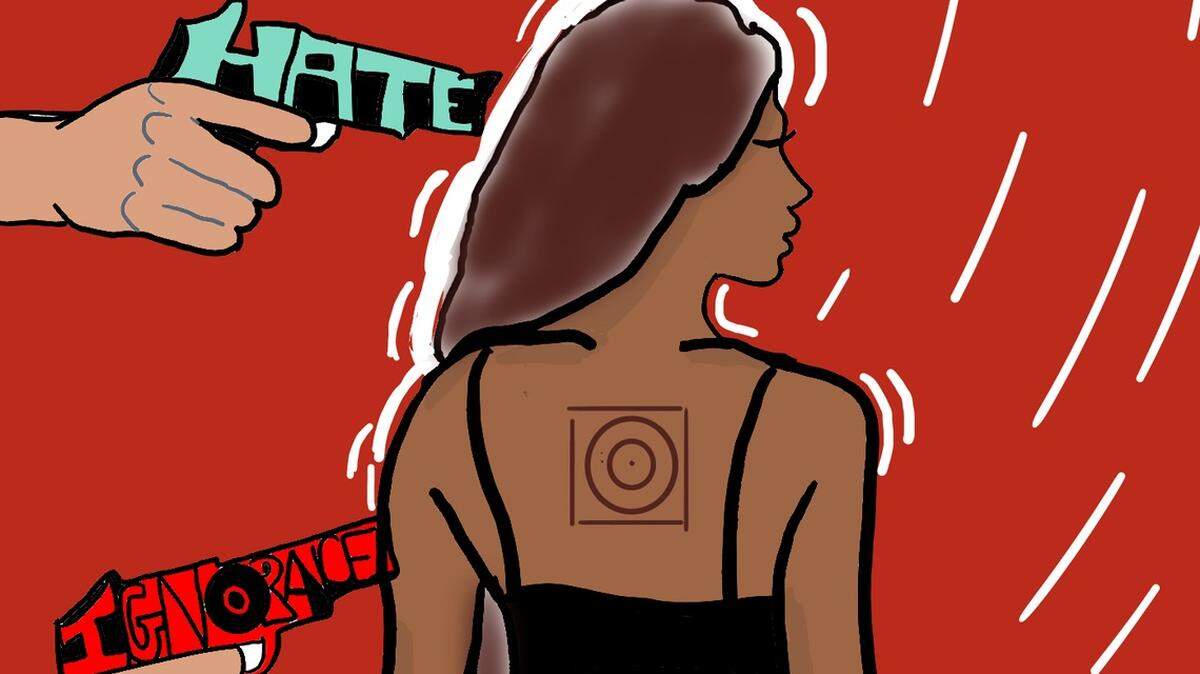
As a 16-year-old, Storm Kimble is concerned about the concept of perfection.
The 10th grader at Invest Collegiate: Transform charter school is one of 35 Charlotte teens active in Playing For Others, a local nonprofit geared toward helping youths discover who they are and what they can offer the world.
Its latest project is Art for Social Change. The work is part of the Playing For Others teen development program that promotes racial and social equity and inclusion by providing a safe, encouraging environment where students can learn from one another, explore their artistic interests and share them to promote social change.
The nonprofit received a $7,600 Cultural Vision Grant from the Arts & Science Council this year for the social change project.
“(We are) very passionate about equity and inclusion, and acceptance and compassion,” said Jen Band, founder of Playing For Others, which also pairs teens with disabled children to foster meaningful relationships through its Buddy Program. “We thought, ‘Let’s give (the teens) an outlet and a way to learn how to use art to express and create impact in the world.”
‘Perfectly Imperfect’
Kimble, who started drawing and painting in fourth grade, is a few weeks into her visual art creation.
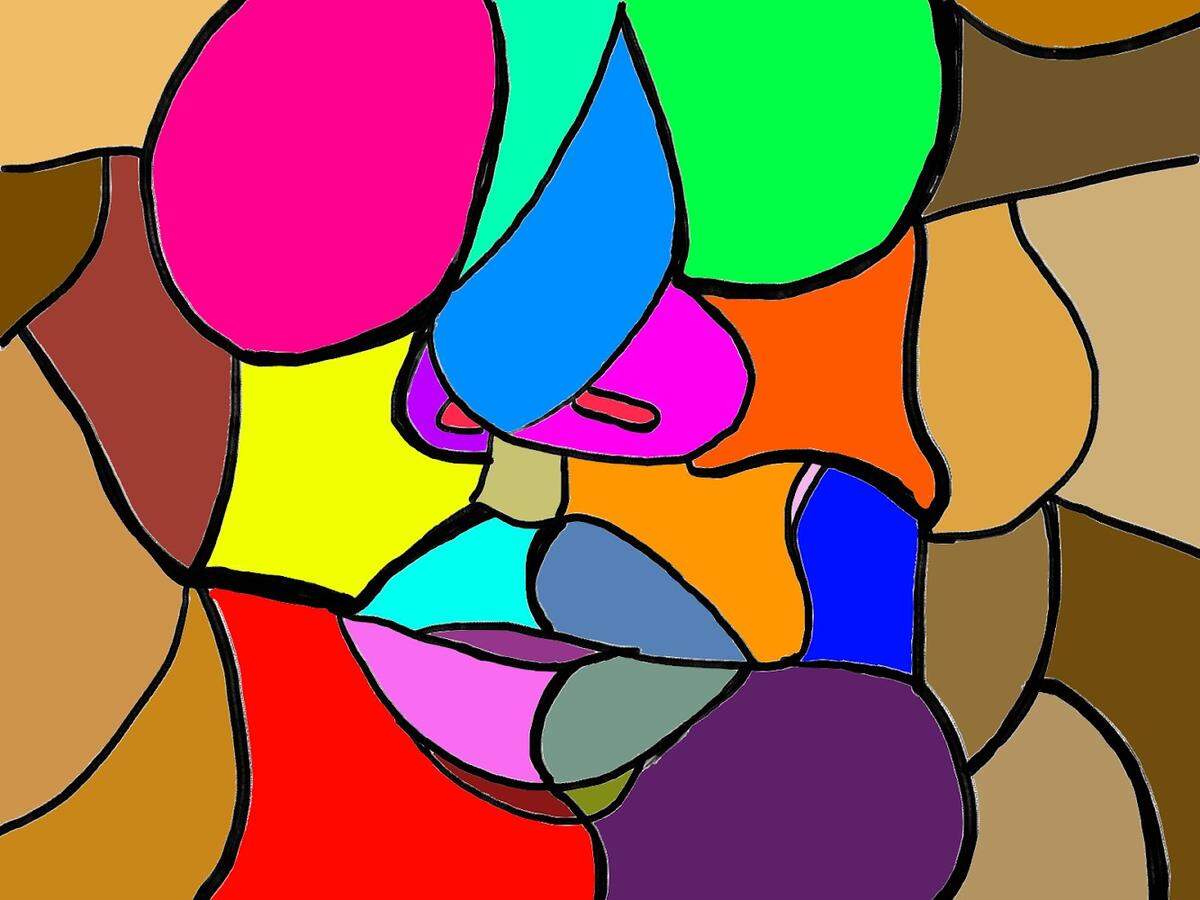
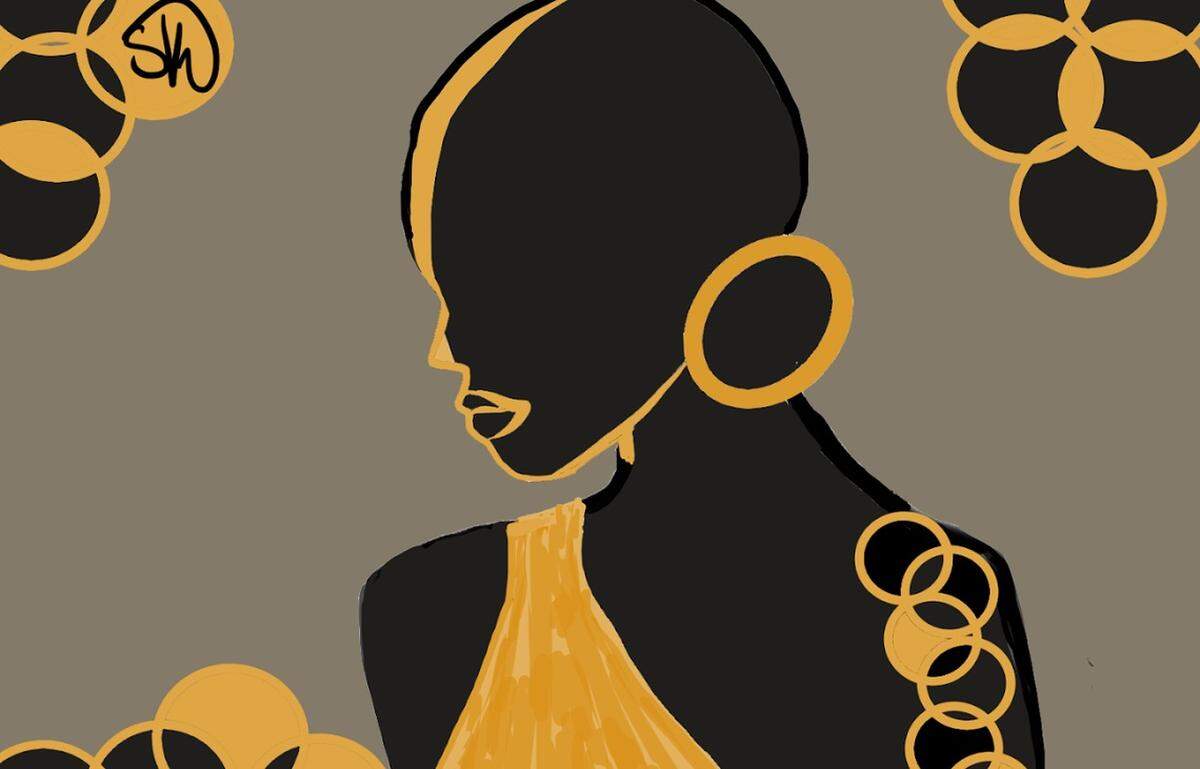
“I chose to do ‘perfectly imperfect,’ ” she said of her work, which includes digital drawings and collages focused on women of color.
“I wanted to show that people don’t have to be perfect in order to achieve or be what they want to be,” Kimble said. “What is perfect? It’s like beautiful — it’s just someone’s thoughts and perceptions about what beauty is.”
These types of questions are integral to the programming at Playing For Others, which Band started in 2006. Through intensive personal development, service and arts programming — and by studying gratitude, acceptance, accountability and action — teens learn how to use their talents and skills as they mature.
The mission is a personal one for Band.
She said she grew up in a small town in West Virginia, where she struggled in high school.
“The conversations I wanted to be having were about bigger things than where everybody was going on Friday night,” she said. “No one was having those conversations, so I felt trapped. I wanted to be involved in something bigger than myself.”
Personal experience
Playing For Others usually hosts up to 75 teens in its programs annually, most participating from year to year through high school graduation. This season, due to the COVID-19 pandemic, the nonprofit admitted only 35.
“We were taking everything virtual, and we just weren’t sure how it was going to translate,” Band said. “We have a handful of new teens this season, but we wanted to really test out some new things and see if they would work.”
She anticipates a future class of about 50.
“The personal experience is so important,” Band said. “And the community connection is so important — it’s what the kids want and what they need.”
A team of advisers, including poet Boris “Bluz” Rogers, who is director of creative engagement at Blumenthal Performing Arts, work with the students on their artistic outlets.
Art for Social Change
Khalif Guiden has been a music adviser with Playing For Others for three years. The studio musician said, “I was looking for an organization with purpose to change and help people through art,” he said. “I started working with (Band), and when I saw the passion behind the program... that’s what brought me in.”
He learned about the organization from his mother, who heard people talking about the program at a garage sale.
“You have to be brave to step out there and ask questions about social justice, social change and point out things that are wrong in society — it’s uncomfortable,” he said. “We push the teens to have those conversations. It’s a big step.”
Leading the teens who are interested in music in the Art for Social Change program, Guiden starts by sharing social-impact songs. That includes tunes like Bob Marley’s “Redemption Song,” (“Emancipate yourselves from mental slavery / None but ourselves can free our minds.”) and “Imagine,” by John Lennon.
“I picked songs that were entertaining and yet different enough to get the point across,” Guiden said. “We had a conversation around the messages, but (I tell them) how you deliver it is unique to who you are … and to use that as a tool in life.
“The journey has been the focal point, so that the teens have Playing for Others spaces to share their points of view and use music to start a dialogue,” he said.
“We’re talking about hard topics, and it’s so emotional,” Guiden said. “They’re showing a level of bravery, which is to be commended, because as much as they’re excited, I also know that they’re uncomfortable at times. Or they don’t know how to say what they want to say. They’re working through all these things, yet they’re still effective at communicating their ideas.”
For Kimble, the process is refreshing.
“It’s another way for me to have a voice in the world and express the things I go through on a daily basis, and make people see that teens have a voice, too,” she said. “Art doesn’t have to be forceful, and you can always see it in a different way. I hope (my work) helps people see life through a different lens.”
More arts coverage
Want to see more stories like this? You can join our Facebook group, “Inside Charlotte Arts,” at https://www.facebook.com/groups/insidecharlottearts/
This story was originally published March 29, 2021 at 3:55 PM.