
A Black violinist who integrated the Charlotte Symphony broke barriers one note at a time

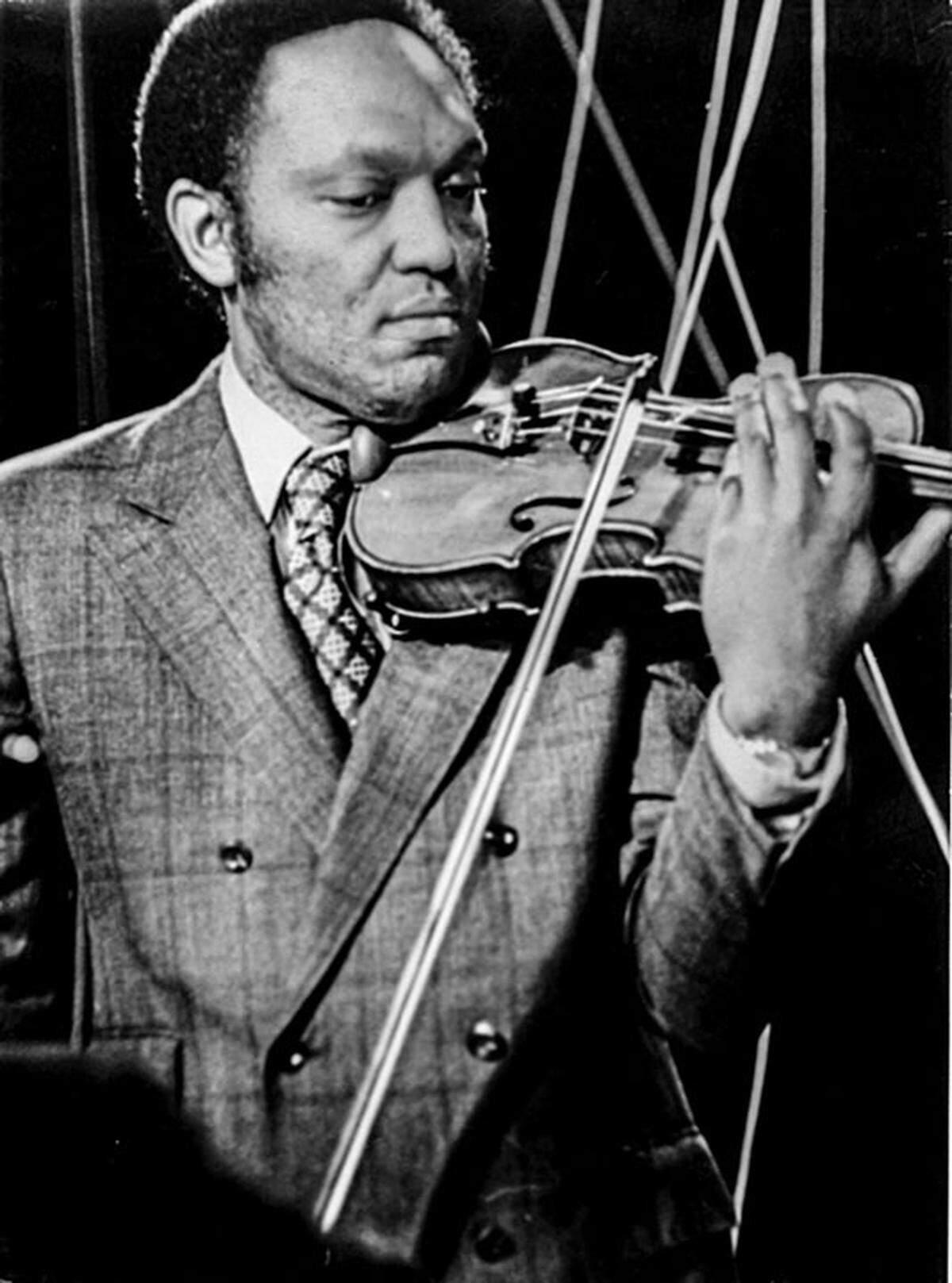
Nearly 60 years ago, violinist Leroy Sellers made history in Charlotte.
In 1963, he became one of the first two Black musicians to integrate the Charlotte Symphony Orchestra. Today, Sellers acknowledges the significance of that accomplishment. But back then, he was simply following a passion for music and trying to land his first professional gig.
“I didn’t do it to be a trailblazer,” Sellers, now 85, told The Charlotte Observer in a recent interview from his Harrisburg home. “I wanted to play in an orchestra… I wanted to play Beethoven. I liked that mass of sound.”
As the symphony marks its 90th anniversary this year, people like Sellers are one of the musicians it is celebrating.
Sellers dedicated his lengthy career to music, teaching strings in Charlotte-Mecklenburg Schools for 31 years and playing with various regional orchestras, including a decade with the Charlotte Symphony.
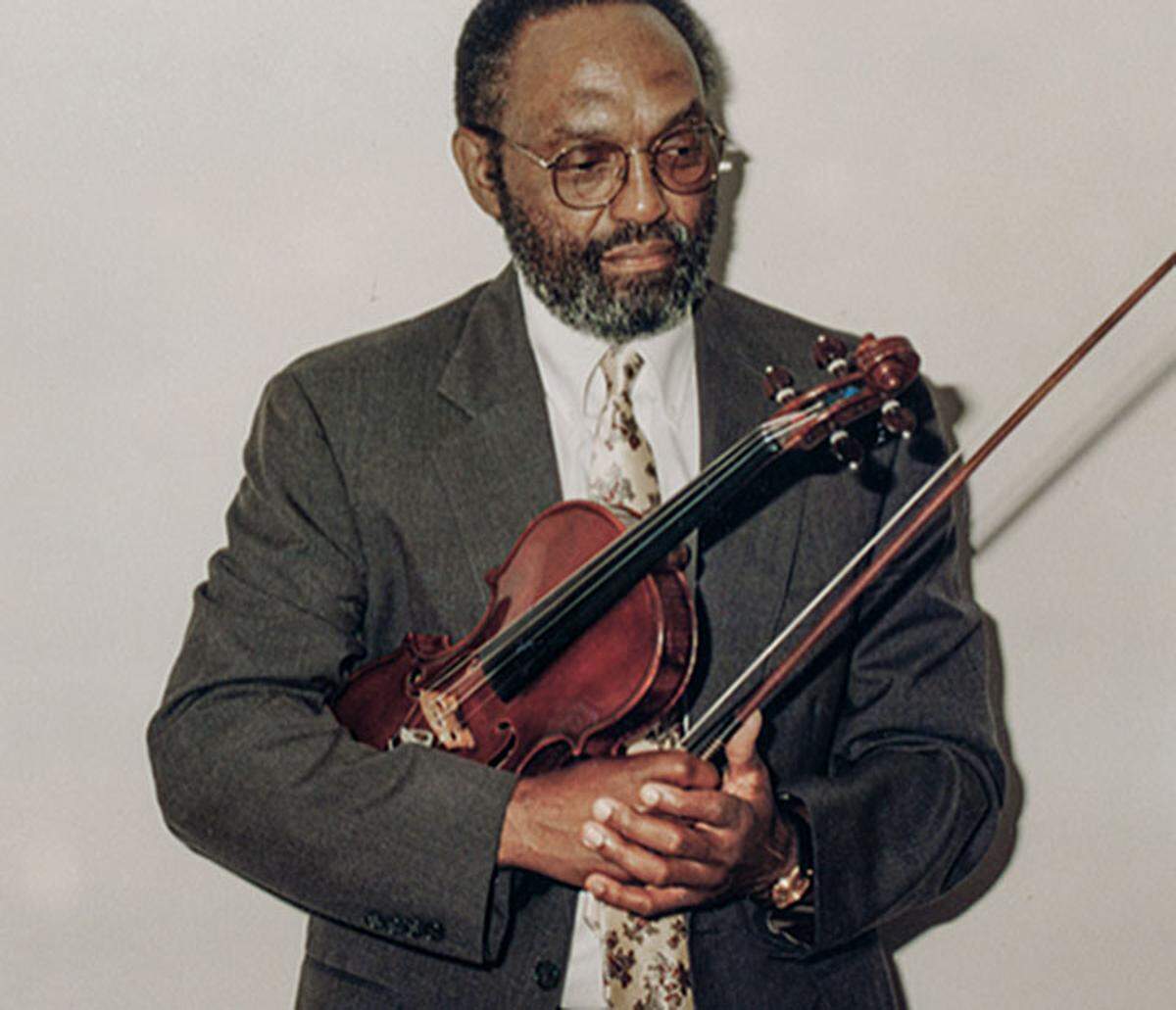
In March, Sellers retired from the last and longest of his professional commitments — performing with the Salisbury Symphony Orchestra for 55 years.
As Sellers reflected on his life, he focused on generous mentors and lasting friendships. But he also spoke of the bigotry he experienced along the way.
And he remains frustrated, too, that today’s major orchestras remain largely white institutions. He declined to say whether he considers the Charlotte Symphony in that group.
Bringing additional diversity to orchestras will come, he said, if communities demand it and the symphonies commit to intentional hiring of qualified musicians of color.
Making music in the segregated South
Sellers grew up in High Point in the 1940s and ‘50s, in a home where music constantly flowed.
He and his two younger brothers, who also became musicians, often sat on their porch listening to classical music records.
“Even though it was segregated, there were people in the community that played,” Sellers said. “In the evening they would come home from work, working these hard jobs, digging these ditches and things, they would sit on the porch and play the guitar.”
Soon, Sellers was playing too, joining impromptu neighborhood concerts, at church and elsewhere with his trumpet.
He began in fifth grade, when the superintendent hired a band teacher for his school, to match what was already available at white schools.
Sellers also started violin lessons with a newly arrived music teacher from New York. The teacher had a penchant for Southern food, so Sellers’ grandmother traded home-cooked meals for lessons for Sellers and his brother.
Sellers’ parents emphasized the importance of school even though they had not been able to complete their own education. At William Penn High School, Sellers found additional inspiration. His band director, Thomas Jefferson Anderson (who later chaired the music department at Tufts University), took him under his wing.
“He taught me theory,” Sellers said. “He taught me composition, made sure I got into college.”
Every year, the Raleigh-based North Carolina Symphony would also visit.
They performed a daytime concert at the Black high school and an evening show at the white high school. The musicians were friendly and mingled with the students afterward.
Sellers also attended the evening performances.
“The white orchestra teacher there would invite us over to the high school,” he said, “and we did not have to sit in the back. We sat where we wanted to.”
But in other ways, segregation was omnipresent, limiting opportunities for travel and study.
“Growing up, it (segregation) affected me,” Sellers said, “and it still affects me because the damage that was done then still lingers.”
After earning his degree from Tennessee State University, Sellers took a teaching job in Mobile, Alabama. He considered auditioning for the local symphony but his supervisor, a Black woman, advised against it.
“Don’t go do it,” she said. “They’ll think you’re trying to start something.”
Auditioning for the Charlotte Symphony
Sellers would not miss his next opportunity.
In 1963, he and Samuel Davis, who would become a lifelong friend, went to audition for the Charlotte Symphony.
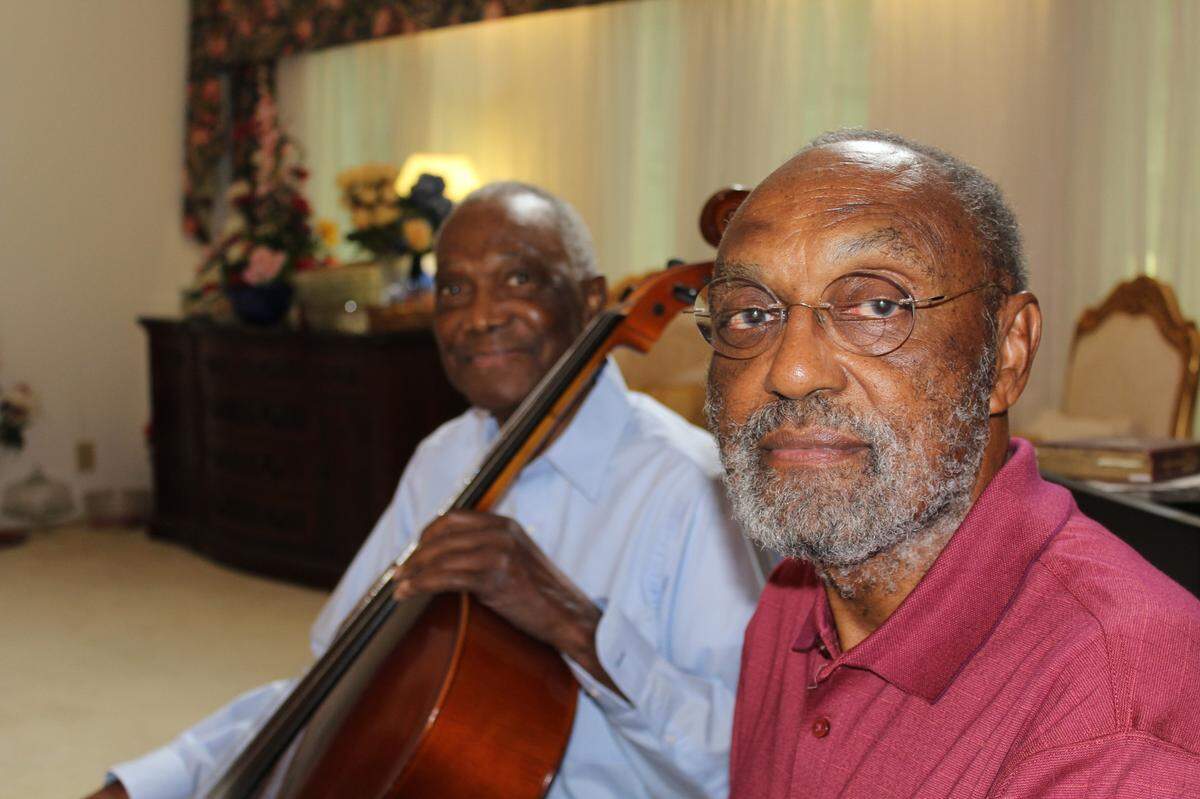
They had met a decade earlier, when Davis, then a college student, had visited Sellers’ high school to attend the annual performance of Handel’s “Messiah.” They kept in touch over the years.
Sellers had been in Charlotte a couple of years working in CMS and Davis, a cellist, had just arrived in town to teach. (Davis died in 2019).
Four string musicians administered the audition, along with the orchestra’s new Music Director, Richard Cormier.
Sellers later learned that two of the musicians did not want them in the orchestra. But principal violist Sam Citron and cellist Kurt Glaubitz refused to play if the two Black musicians were excluded from the orchestra. Cormier also stood up for them.
That evening, Glaubitz invited Citron along with Sellers and Davis — the two newest members of the symphony — to his home to play quartets. After that, Sellers said they were warmly welcomed and accepted by the other orchestra members.
“Those musicians showed no racism at all,” he said. “If you look back, athletics and music were the ones that were in the forefront of helping to integrate at this time… The Charlotte Symphony was fantastic to us.”
He formed tight bonds with many of the musicians, and sometimes traveled with them to play with other community orchestras throughout the Southeast that needed extra players.
In Georgia, Sellers became the first Black musician to play with the Savannah Symphony, around 1968. “They treated me royally when I got there,” he said.
But he also still encountered racism while playing, like the time an elderly white woman made a fuss at a church concert in the late 1960s when she saw Sellers on stage.
Or when a musician with a community orchestra in western North Carolina demanded the personnel manager move Sellers from his seat at the front of the orchestra.
Teaching challenges
As a teacher, Sellers faced obstacles too.
In the early years at CMS, he taught in all-Black schools where they often lacked instruments. He also recalls the first day of court-ordered busing in 1970, when he rode along with Black elementary school students to their newly integrated school, Devonshire Elementary.
But a bomb threat at the school sent them all home instead.
Urging representation in orchestras
Many summers, Sellers participated in the Gateways Music Festival in Rochester, New York. The festival, which began in 1993, brings musicians from around the country to form an all-Black orchestra.
Sellers reflected on the talent he encountered there, while noting how few musicians of color find full-time employment in orchestras nationally. For instance, a report by the League of American Orchestras in 2016 found that only 1.8% of musicians in orchestras were Black.
“There’s something about Black musicians,” he said. “They’re going to characterize you as a jazz musician, a soul musician. You’re not supposed to be able to play classical music.
“They’ve got these kids up in the major cities that can play circles around some of these white musicians but they won’t ever get in,” Sellers said. “They spend their whole lives freelancing around New York, playing at churches, playing little gigs... because they can’t get into a major symphony orchestra.”
Diversity and the Charlotte Symphony
Charlotte Symphony President and CEO David Fisk said his organization is working to eliminate barriers for musicians of color.
Last fall, the orchestra adopted a strategic plan that incorporates diversity, equity and inclusion objectives throughout the organization. It includes areas like artistic vitality and growth, education and audience development.
The symphony also has been working with Sphinx, a classical music organization based in Detroit, that trains and supports Black and Latinx musicians across the country. Its efforts include mentoring, audition preparation and scholarships for travel expenses related to auditions.
Partnering with Sphinx, the Charlotte Symphony has hired Black and Latinx musicians for one-year appointments and extra positions, when a larger orchestra is needed.

But like most orchestras, there is not much turnover among the more than 60 full-time musicians in the Charlotte Symphony.
After musicians win an audition and complete a two-year probation, they are granted tenure. As long as they continue to maintain the orchestra’s standards for quality and musicianship, they can stay in those positions until they retire.
“Tenure allows for musicans to have more job security and for the CSO to build a more cohesive orchestra,” Fisk said. “But this does mean that we have fewer openings than one might think.”
He said the orchestra also focuses on expanding access to its youth orchestras and eliminating financial barriers to participation. This includes programs like Project Harmony for elementary school students and a partnership with CMS to eliminate fees for the All-County Honors Orchestra and Band.
“It’s all about ensuring there is equitable opportunity from a very early age for the path,” Fisk said.
Sellers’ solution
For Sellers, the way to address that inequity is simple.
Orchestras must be intentional about hiring more diverse musicians and donors must withhold their sponsorship dollars until that happens.
“It’s ‘old news’ now where they say we are represented, only having one or two at most,” Sellers said. “That is not representation.
“Hire highly trained minority musicians who perform better or on the same level as the sitting musicians. They are out there.”
Sellers should know, He’s been out there for more than half a century, playing the classical music he loves.
More arts coverage
Want to see more stories like this? Sign up here for our free “Inside Charlotte Arts” newsletter: charlotteobserver.com/newsletters. You can also join our Facebook group, “Inside Charlotte Arts,” by going here: facebook.com/groups/insidecharlottearts.
This story was originally published August 3, 2022 at 5:55 AM.