Picasso 101: What to know about the artist and his work at new Mint Museum exhibit
A new exhibit showcasing landscape works of Pablo Picasso opening soon at Mint Museum Uptown is bringing attention to the famous artist and his influence.
In addition to sustained commercial success and notoriety, art experts say, Picasso also had a great impact on art itself.
“Picasso changed the way people thought about European art,” Davidson College professor John Corso-Esquivel said.
And there will be plenty of ways to see famous pieces and learn more about Picasso’s influence on the art world and beyond over the course of the exhibit’s stay in Charlotte, which kicks off Feb. 11.
Here’s what to know about Picasso, his work and legacy and what to expect at the Mint Museum’s exhibition.
Who was Pablo Picasso?
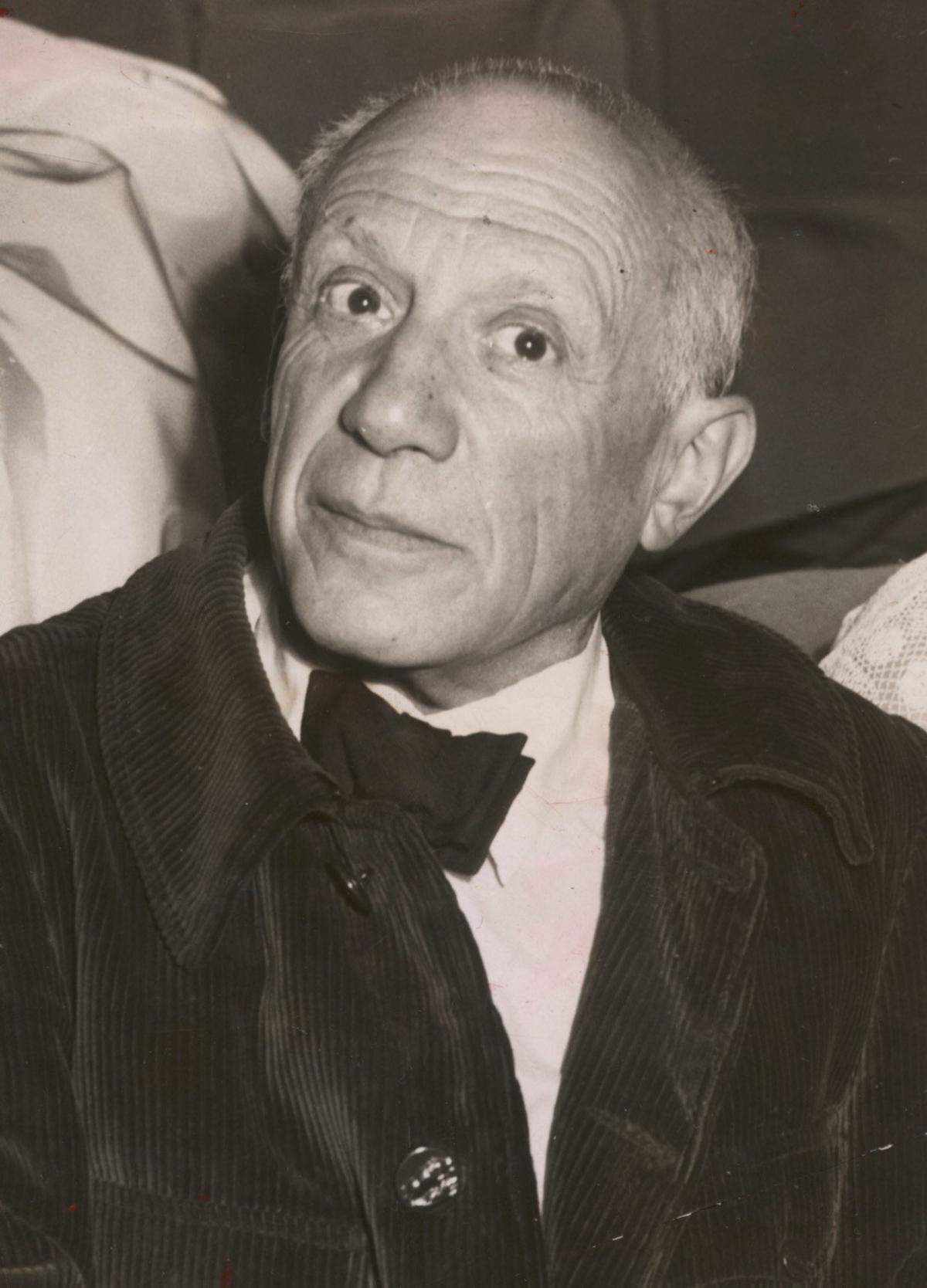
Picasso was born in Spain in 1881 and had a long career as an artist, “working into the 1960s,” said Corso-Esquivel, an associate professor of art at Davidson with expertise in modern and contemporary art.
While he “was immediately famous” — achieving “a lot of success with commercial galleries” early on and earning a reputation as “a provocateur” — he kept up his work for decades and has remained notable in the years since his death in 1973.
The Mint Museum’s show has artworks from all of those periods, Corso-Esquivel noted.
From an early age, he said, Picasso’s work helped change how people saw paintings.
“Before Picasso, people painted using a style that we know from the Italian Renaissance, and that style of painting shows one point of view. It’s like we’re looking through a window,” he said. “Picasso decided to paint things from many points of view, but all in the same picture.”
Picasso’s style came to be known as Cubism.
“Each viewpoint is like a part, like a square,” Corso-Esquivel explained, “but he stacks all of these viewpoints together. So all of these little squares together make an overall appearance that looks like cubes.”
What was Picasso famous for? What is Picasso’s legacy?
While Cubism is Picasso’s most famous contribution to art, Corso-Esquivel said, it’s not the only impact he had on the art world. And Picasso didn’t just stick to one style of painting.
“Some of his later paintings in particular are much more quiet and maybe reflect a long, very well-lived life,” Corso-Esquivel said. “And so we have some opportunities to see that radical painting style in some of his works, but we also have a more meditative Picasso who lived through two World Wars, and toward the end of his life was painting different kinds of landscapes.”
Beyond defining styles of painting, Picasso also changed how artists and viewers thought about art itself, Corso-Esquivel said.
“Picasso reminded us that all painting relies on our brain processing different marks on a canvas, so one of the most wonderful gifts he gave European painting was showing us that at its core, our paintings are collections of signs,” he said. “And those signs are really conceptual before representational, so we’re thinking about the thoughts of art. How do we represent things rather than actually making them look like a photograph?:
Can you buy a Picasso? How much do Picassos sell for?
Many of Picasso’s most famous works are in museums, but you can sometimes find paintings and more up for auction. And an authentic piece will cost you.
“Some of the most valuable paintings in the world are painted by Picasso,” Corso-Esquivel said.
Paintings brokered by Sotheby’s, which handles auctions and private sales of high-end art and other luxury goods, have sold for more than $100 million since 2000.
Some smaller items, such as lithographs, are currently listed for sale in the thousands of dollars.
Pieces to look for in the Mint Museum’s Picasso exhibit
The Mint Museum’s Picasso exhibit will feature “a selection of more than 40 works spanning Picasso’s full career,” the museum said.
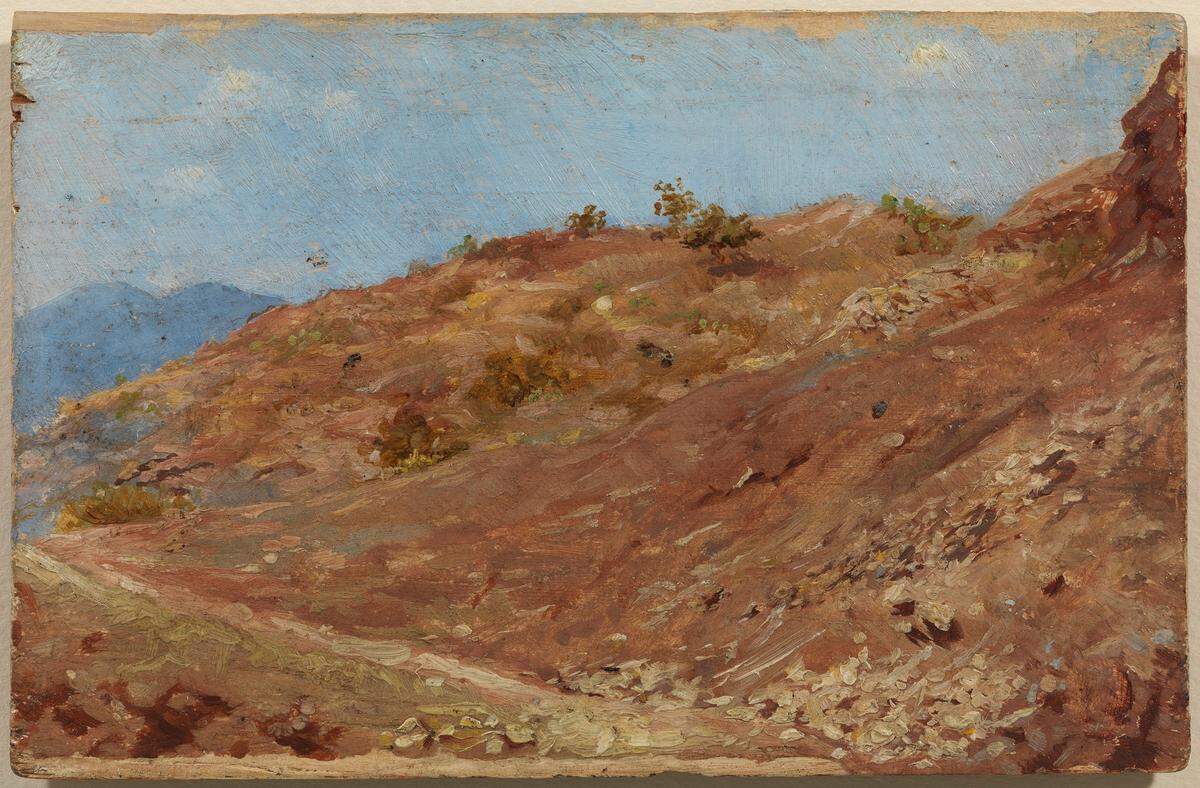
Corso-Esquivel noted the exhibit will feature some of Picasso’s earliest works, including “Mountains of Málaga,” “which he painted when he was 14 years old, and another one when he was 16 years old.
“It shows that he was really a prodigy at making realistic paintings very early,” he said.
Another noteworthy piece that will be on display, Corso-Esquivel added, is “Snow Landscape.”
“This was painted after World War I,” he explained. “This is a time when artists wanted to return to realism because they needed a kind of peacefulness following the violence of World War I, and I think you can see it in how that landscape gives us this quiet and sober landscape.”
“Probably the most well-known and famous work in the entire show,” Corso-Esquivel said, is “The Reservoir,” normally at the Museum of Modern Art in New York.
“This landscape was among several Picasso produced in southern Spain in 1909 that were critical to the development of the early Cubist style. ... The composition exemplifies the spatial ambiguity characteristic of Cubism,” MoMA notes in its description of the piece.
How to take in the show
The Mint’s chief registrar, Katherine Steiner, advises visitors to slow down when taking in “Picasso Landscapes.”
“Look closely, step back and see the image as a whole. You’re not going to get some of these again so take them in,” she said. “Love these pieces because you love them, not necessarily because they’re Picasso.
“There are stories there, the fine cracks in the paint, the layers of the paint the artist put on the canvas, some areas thicker and some areas are thinner. You start seeing the different colors that the artist used,” she said. “From a distance, it might look like the sky is blue and really if you look closely the sky is blue and green and yellow and pink.”
Mint curator Jennifer Sudul Edwards said it’s important to see artwork up close for the texture, scale and color. “You really do need to experience artwork in person to understand the depth and the power of it,” she said.
How to learn more about Picasso, related artists
A great place to start for learning about Picasso is to utilize the audio tour option when exploring the Mint Museum’s exhibit, Corso-Esquivel said.
He also suggests checking out the museum’s “Bearden/Picasso: Rhythms and Reverberations” exhibit, opening Feb. 11. “This is a companion show that lets us see how a famous artist from North Carolina, Romare Bearden, took inspiration from and made changes to Picasso’s work,” Corso-Esquivel said.
Admission to the Bearden exhibit is included in admission to “Picasso Landscapes.”
Coros-Esquivel also recommends smarthistory.org to those looking to learn more about Picasso and art history.
“They have some great free texts by leading art historians, but in a pretty approachable way, and they have some videos you can watch,” he said.
More arts coverage
Want to see more stories like this? Sign up here for our free “Inside Charlotte Arts” newsletter: charlotteobserver.com/newsletters. And you can join our Facebook group, “Inside Charlotte Arts,” by going here: facebook.com/groups/insidecharlottearts.
This story was originally published February 3, 2023 at 5:50 AM.