
‘The people’s painter’ left mark in Black art internationally — but shined in NC hometown
EDITOR’S NOTE: In honor of Black History Month, The Charlotte Observer is highlighting the lives and accomplishments of nine people whose contributions might not be as well known as others, local “hidden figures” as it were.
Poet Maya Angelou called John Thomas Biggers one of America’s greatest artists, a poor kid from Gastonia who expected to be a plumber. Instead, he became an internationally known painter and key figure in Black art.
“Langston Hughes is known as the people’s poet,” Angelou told The Charlotte Observer after Biggers’ death in 2001 at age 76. “I would say Biggers is the people’s painter. The man and the work are one.”
In a 2000 interview with the Observer, Biggers recalled how his artistic gifts blossomed at the Lincoln Academy boarding school for Black students near Crowders Mountain.
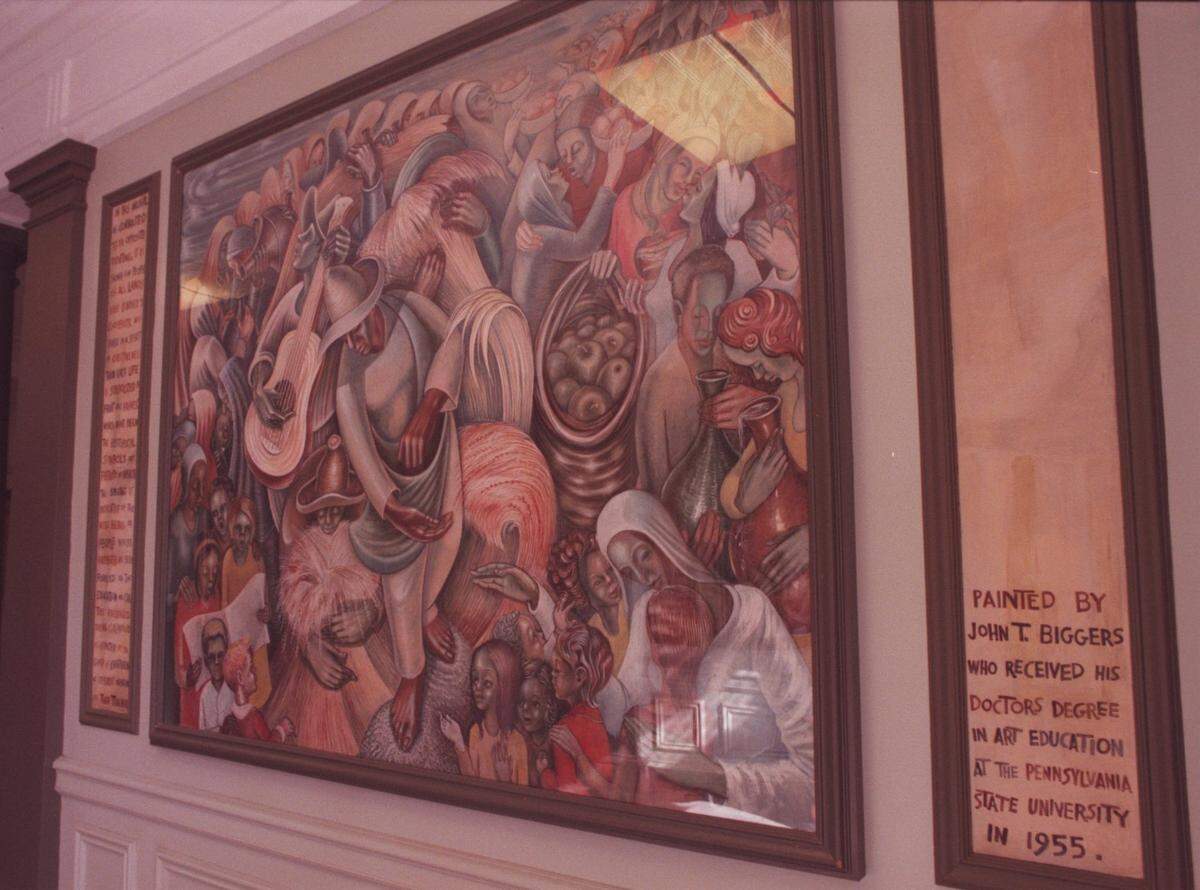
Future Atlanta Mayor Andrew Young and other students got a similar start at the academy, where Biggers said he learned the importance of preserving the environment. He studied classical music and discovered a gift for drawing there.
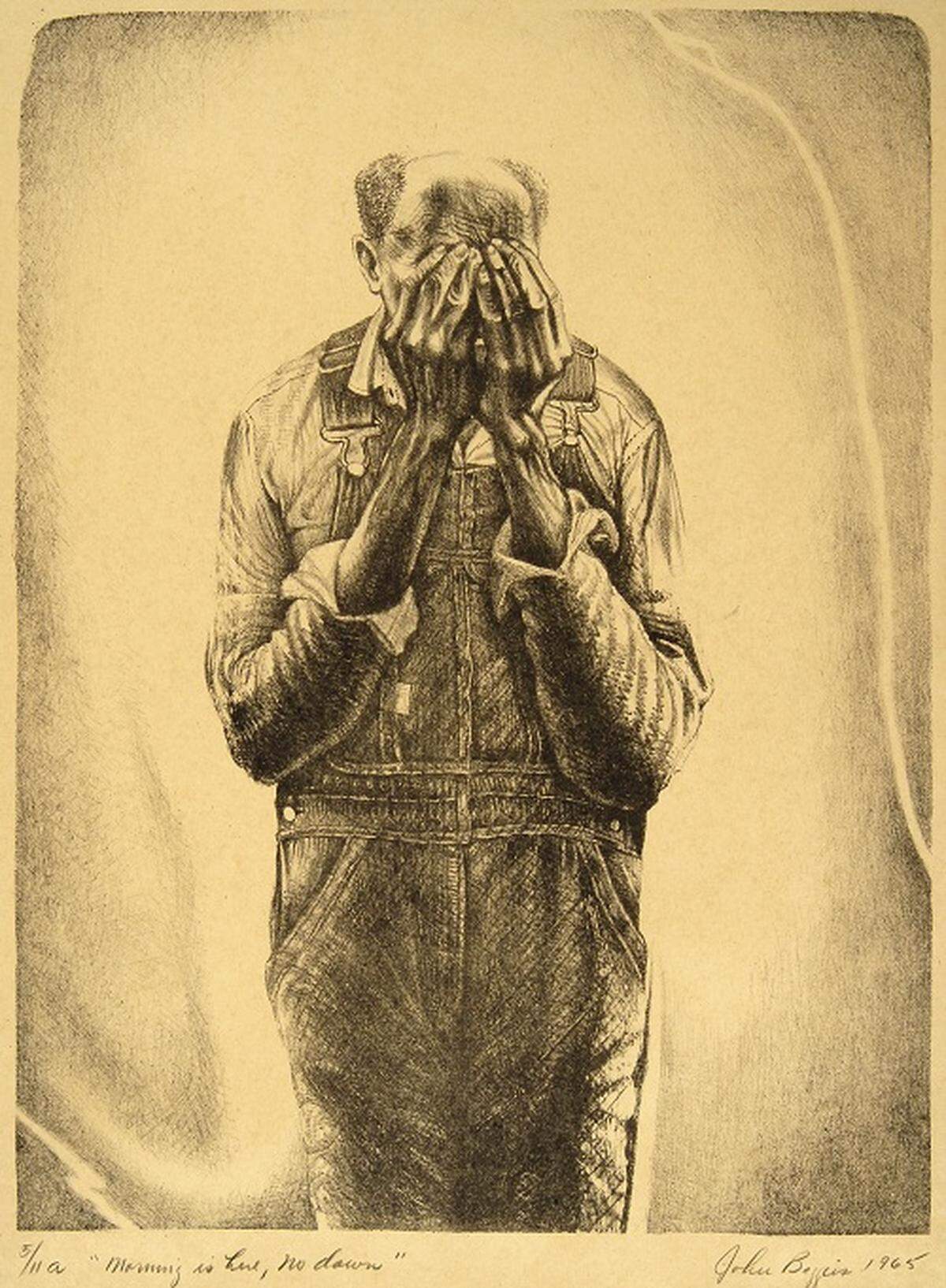
Biggers also was a storyteller, philosopher and author whose poetic tale of a 1957 trip to West Africa, “Ananse: The Web of Life in Africa,” inspired young Black people during the civil rights era.
He founded the art department at Texas Southern University in Houston, where he taught for 30 years. His art was shown in major museums nationwide.
Biggers’ illustrations appear in “famous editions” of Pearl S. Buck’s Pulitzer Prize-winning novel, “The Good Earth,” Angelou’s poem, “Our Grandmothers,” and other works, The Houston Chronicle reported in 2016.
Yet the murals he created around his hometown are perhaps his greatest legacy, according to the Chronicle. His mural mosaic “This Little Light of Mine” adorns the side of the Schiele Museum.
“They are timeless expressions of mankind’s essential strength and goodness, opening doors to understanding for all,” the newspaper reported.
Biggers believed that “self-dignity and racial pride could be consciously approached through art,” according to the Johnson Collection Gallery in Spartanburg, S.C. And that was most clear in his social realist murals, gallery officials said.
Angelou told the Observer that Biggers “loved black people, white people, Asian people, Spanish-speaking people. All people. He really loved them. He was ebullient about life — stuffed to the pores with life.
“That’s the message of his work: Life and the love of it goes on.”
More arts coverage
Want to see more stories like this? Sign up here for our free, award-winning “Inside Charlotte Arts” newsletter: charlotteobserver.com/newsletters. And you can join our Facebook group, “Inside Charlotte Arts,” by going here: facebook.com/groups/insidecharlottearts.
This story was originally published February 12, 2025 at 6:00 AM.