
Meet 9 trailblazing ‘hidden figures’ of Black history from across the Charlotte region
Many Charlotte-area residents are familiar with some of the more notable figures in local Black history, people like Harvey Gantt, the first Black student accepted to enroll at Clemson University who went on to become Charlotte’s first elected Black mayor.
Then there’s Dorothy Counts-Scoggins, the first Black student to attend all-white Harding High School, in 1957.
Other Black men and women from our region also achieved notable work in the struggle for equality, in sports, business, medicine, the arts and civil rights. With the passage of time, they and their accomplishments became less known. Hidden figures, so to speak.
Consider Charlotte Dr. M.T. Pope, the first Black person licensed to practice medicine in North Carolina. Jennifer King broke barriers as the NFL’s first Black female full-time assistant. Then there’s Hattie Leeper, better known as “Chatty Hatty,” Charlotte’s first Black female DJ.
We’re sharing their stories, as well as those of six other trailblazers. Meet these fine nine people:
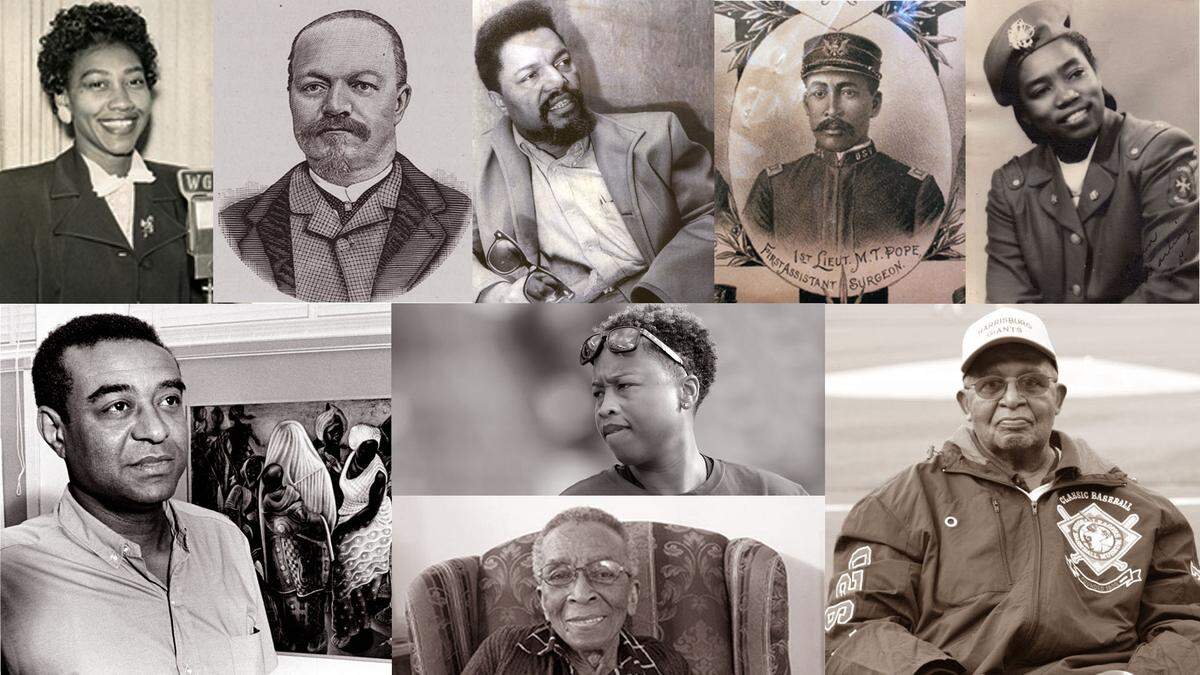
John Thomas Biggers, ‘the people’s painter’
Poet Maya Angelou called John Thomas Biggers one of America’s greatest artists, a poor kid from Gastonia who expected to be a plumber. Instead, he became an internationally known painter and key figure in Black art.
“Langston Hughes is known as the people’s poet,” Angelou told The Charlotte Observer after Biggers’ death in 2001 at age 76. “I would say Biggers is the people’s painter. The man and the work are one.”
In a 2000 interview with the Observer, Biggers recalled how his artistic gifts blossomed at the Lincoln Academy boarding school for Black students near Crowders Mountain.
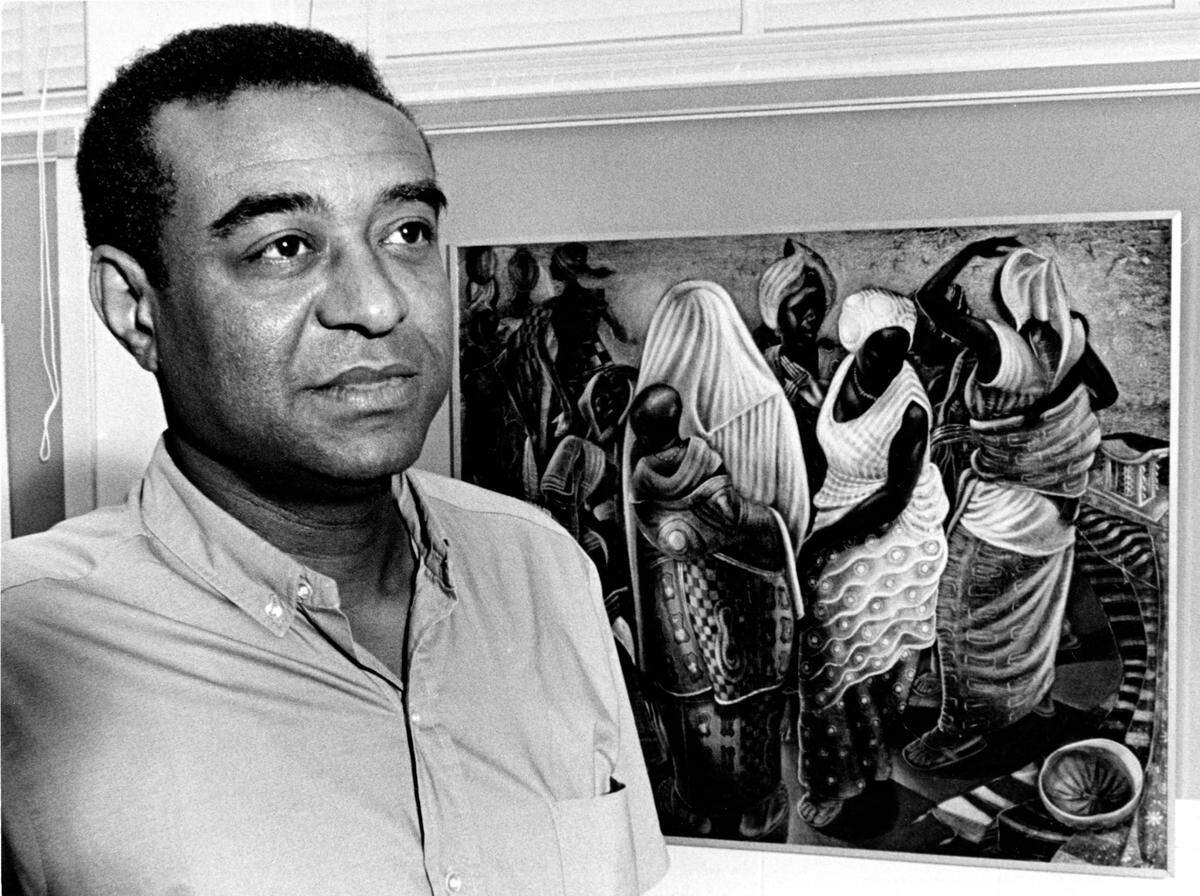
Future Atlanta Mayor Andrew Young and other students got a similar start at the academy, where Biggers said he learned the importance of preserving the environment. He studied classical music and discovered a gift for drawing there.
Biggers also was a storyteller, philosopher and author whose poetic tale of a 1957 trip to West Africa, “Ananse: The Web of Life in Africa,” inspired young Black people during the civil rights era.
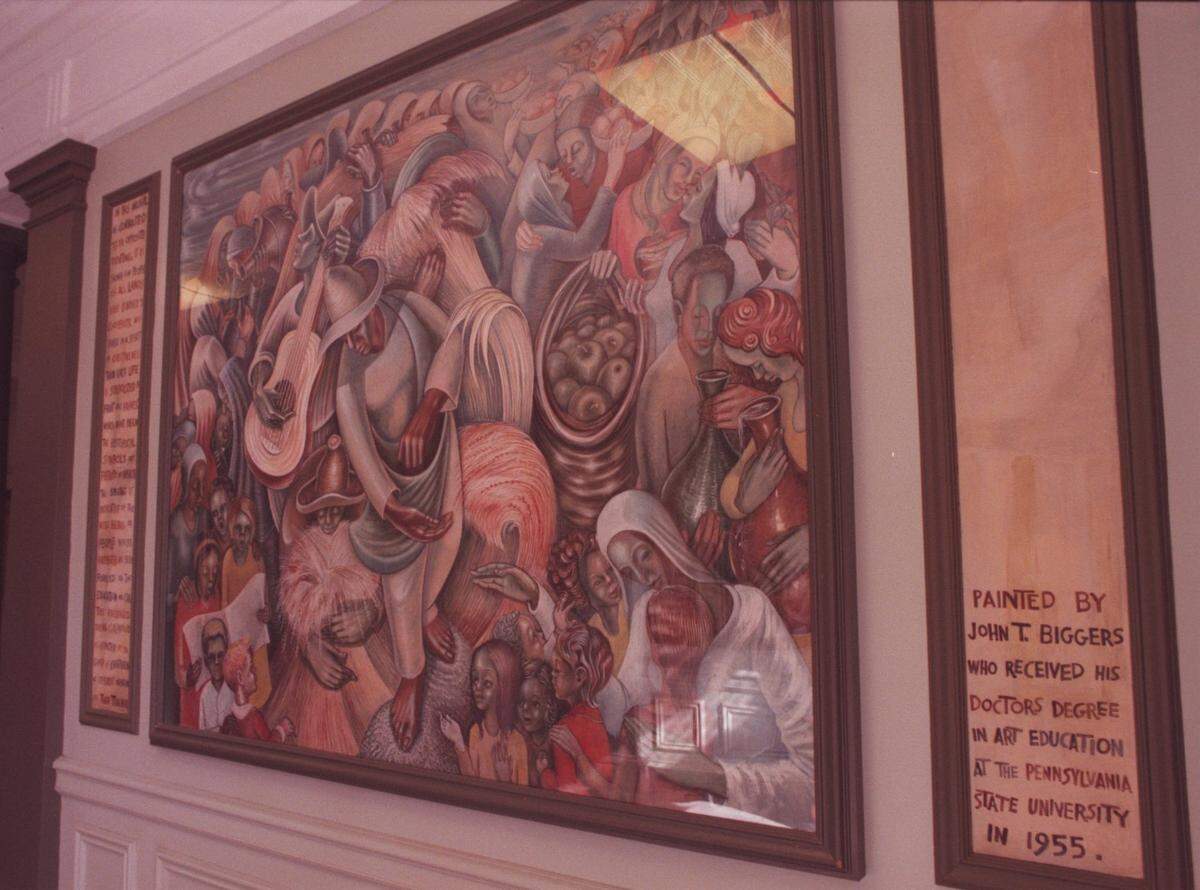
He founded the art department at Texas Southern University in Houston, where he taught for 30 years. His art was shown in major museums nationwide.
Biggers’ illustrations appear in “famous editions” of Pearl S. Buck’s Pulitzer Prize-winning novel, “The Good Earth,” Angelou’s poem, “Our Grandmothers,” and other works, The Houston Chronicle reported in 2016.
Yet the murals he created around his hometown are perhaps his greatest legacy, according to the Chronicle. His mural mosaic “This Little Light of Mine” adorns the side of the Schiele Museum.
“They are timeless expressions of mankind’s essential strength and goodness, opening doors to understanding for all,” the newspaper reported.
Biggers believed that “self-dignity and racial pride could be consciously approached through art,” according to the Johnson Collection Gallery in Spartanburg, S.C. And that was most clear in his social realist murals, gallery officials said.
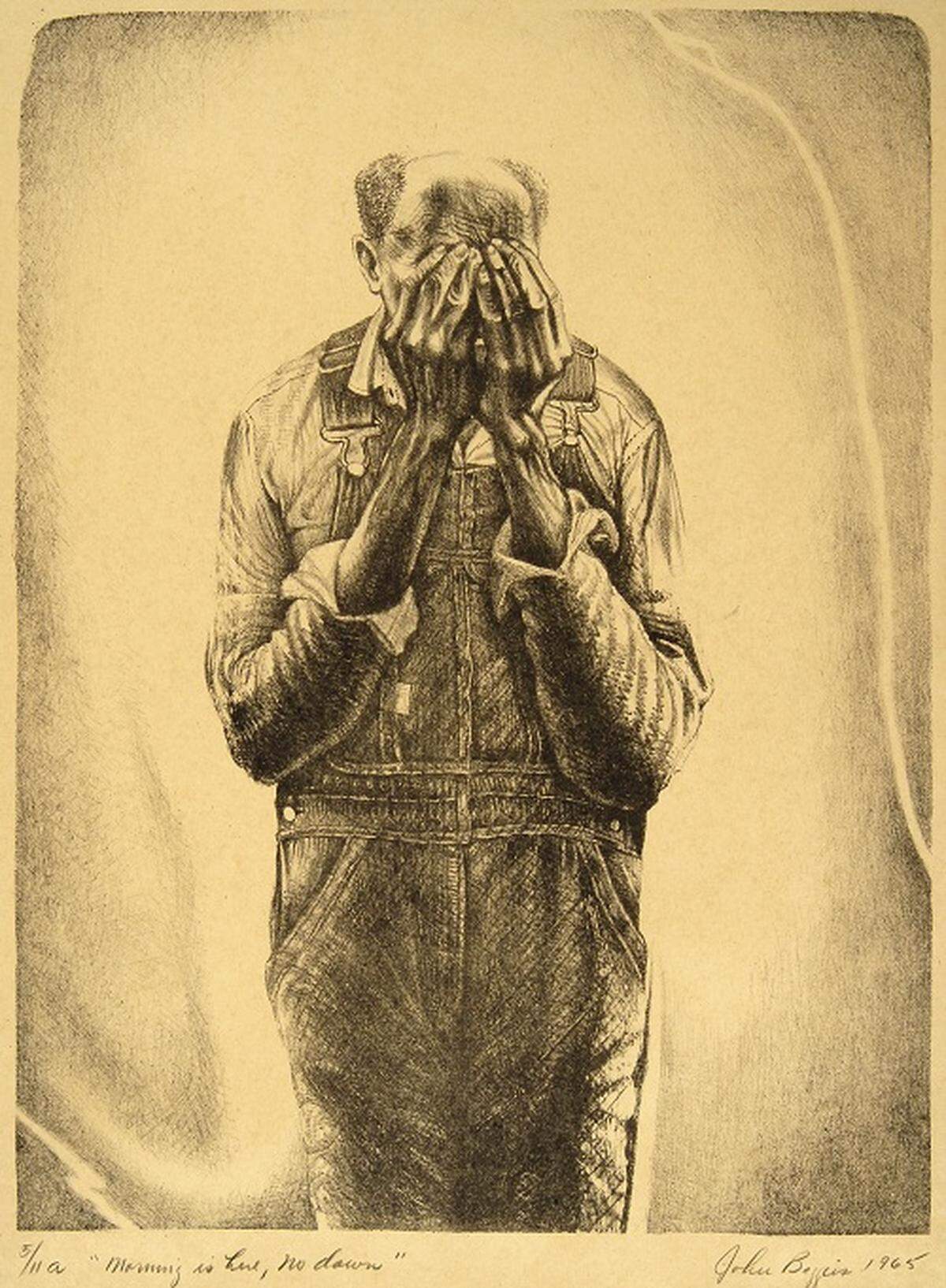
Angelou told the Observer that Biggers “loved black people, white people, Asian people, Spanish-speaking people. All people. He really loved them. He was ebullient about life — stuffed to the pores with life.
“That’s the message of his work: Life and the love of it goes on.”
Eddie ‘G.G. ‘ Burton, a Negro Leagues ambassador
Eddie “G.G.” Burton’s baseball legacy began in 1947, when the then-16-year-old joined the Pennsylvania-based Harrisburg Giants of the Negro Leagues. Burton played second base in the league during the 1940s and ‘50s.
During his career, he also barnstormed across the country with such all-stars as Satchel Paige, Minnie Miñoso and Josh Gibson, his wife once told The Charlotte Post.
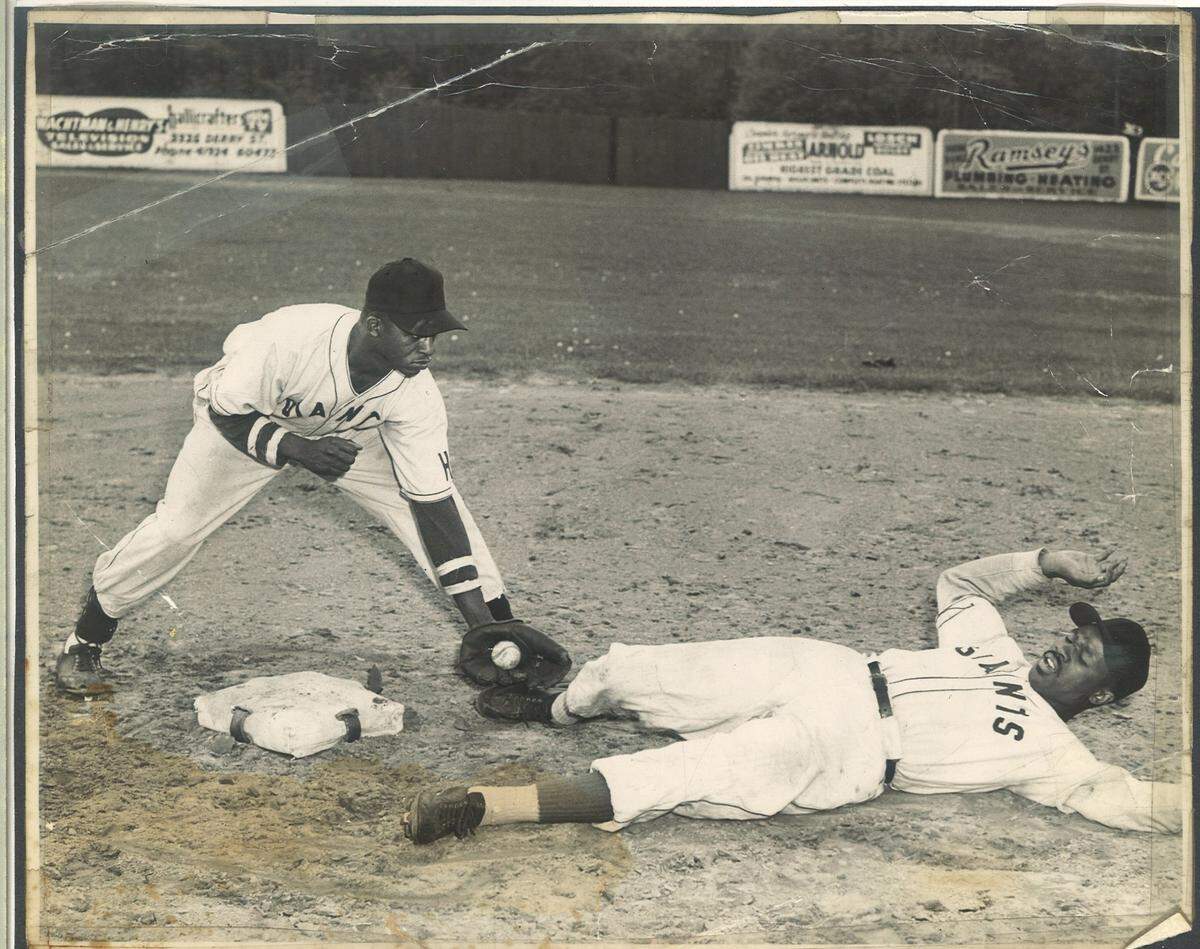
Burton eventually moved to Charlotte where he worked with the Charlotte Knights — the Triple-A affiliate for the Chicago White Sox — to host an annual event to honor the memory of the Negro Leagues.
Since 2014, the organization has hosted an annual Negro Leagues Night at Truist Field. The Knights credited Burton’s vision for the creation of the event. Burton served as an ambassador for the sport he loved so much all his life.
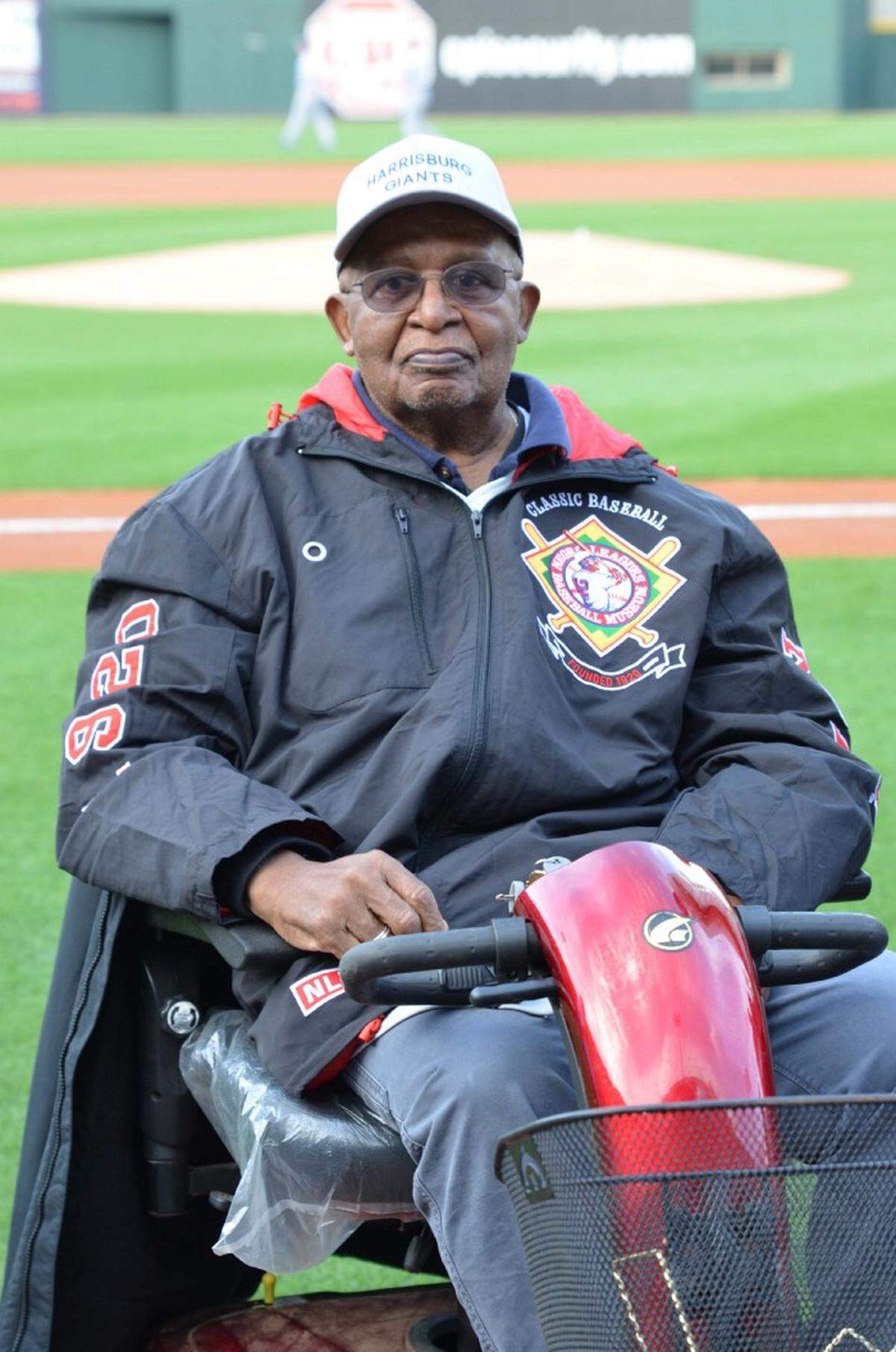
Burton passed away in 2018 at the age of 88.
He never played with Jackie Robinson, who went on to break Major League Baseball’s color barrier in 1947. But Burton’s wife, Gaile Dry-Burton, told The Charlotte Post how proud Burton always had been of Robinson.
In Burton’s honor, the Knights created the Eddie G.G. Burton scholarship in 2023. The scholarship is meant to “improve educational funding for high school students attending a Historically Black College and University.”
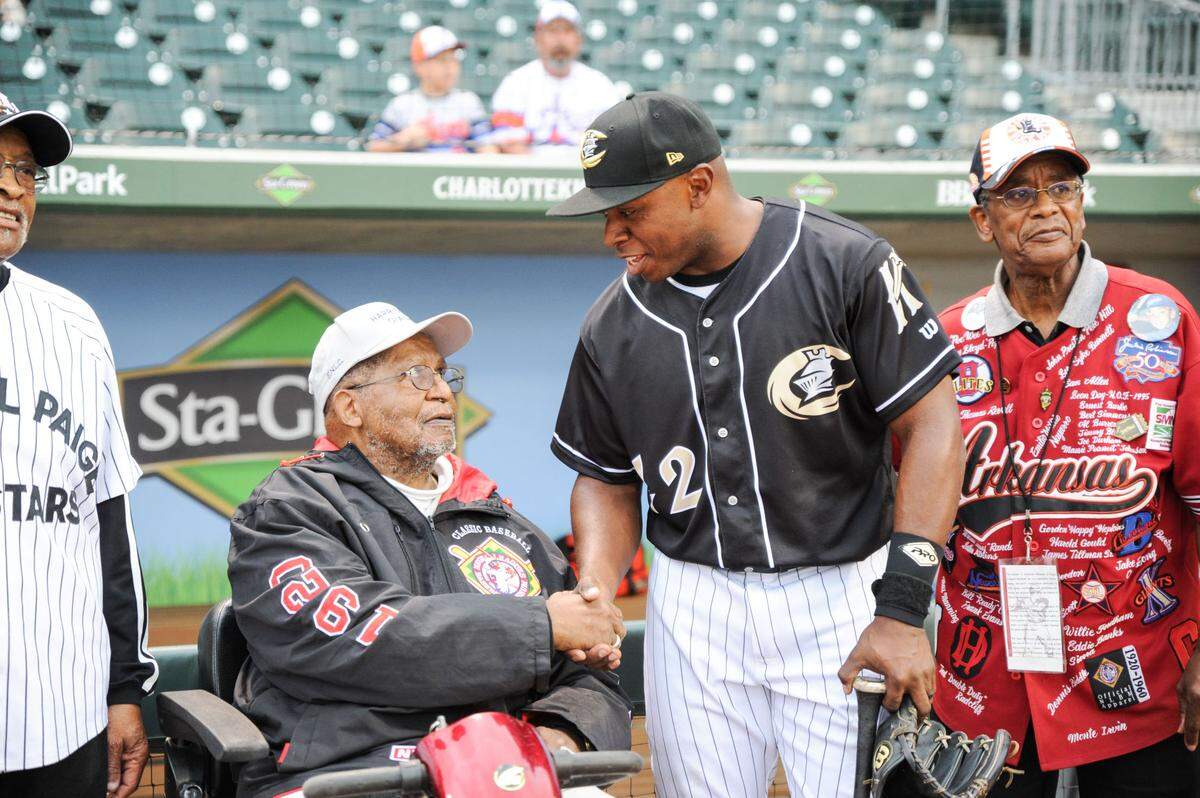
The scholarship — a partnership between Dry-Burton and the Knights — provides three $1,000 scholarships to Charlotte-area high school seniors. The deadline to apply for this year’s scholarships is Feb. 17.
At the time of his death, Dry-Burton spoke of how her husband was a die-hard ball player who’d watch any type of baseball game that he could on TV. “I have no doubt in my mind,” she told The Charlotte Post, “that they’re playing a game right now as you and I are speaking.”
Elizabeth Barker Johnson, WWII vet of the ‘Six Triple Eight’
During World War II, Hickory resident Elizabeth Barker Johnson faced danger overseas along with other Black women in the U.S. Army. She was a member of the 6888th Central Postal Directory Battalion — the first and only all-Black and all-female regiment stationed overseas during the war.
The unit was in the Women’s Army Corps, where more than 855 soldiers cleared several years of backlogged mail in harsh conditions. Johnson served as a truck driver delivering supplies for the unit while stationed in Kentucky and Birmingham, England.
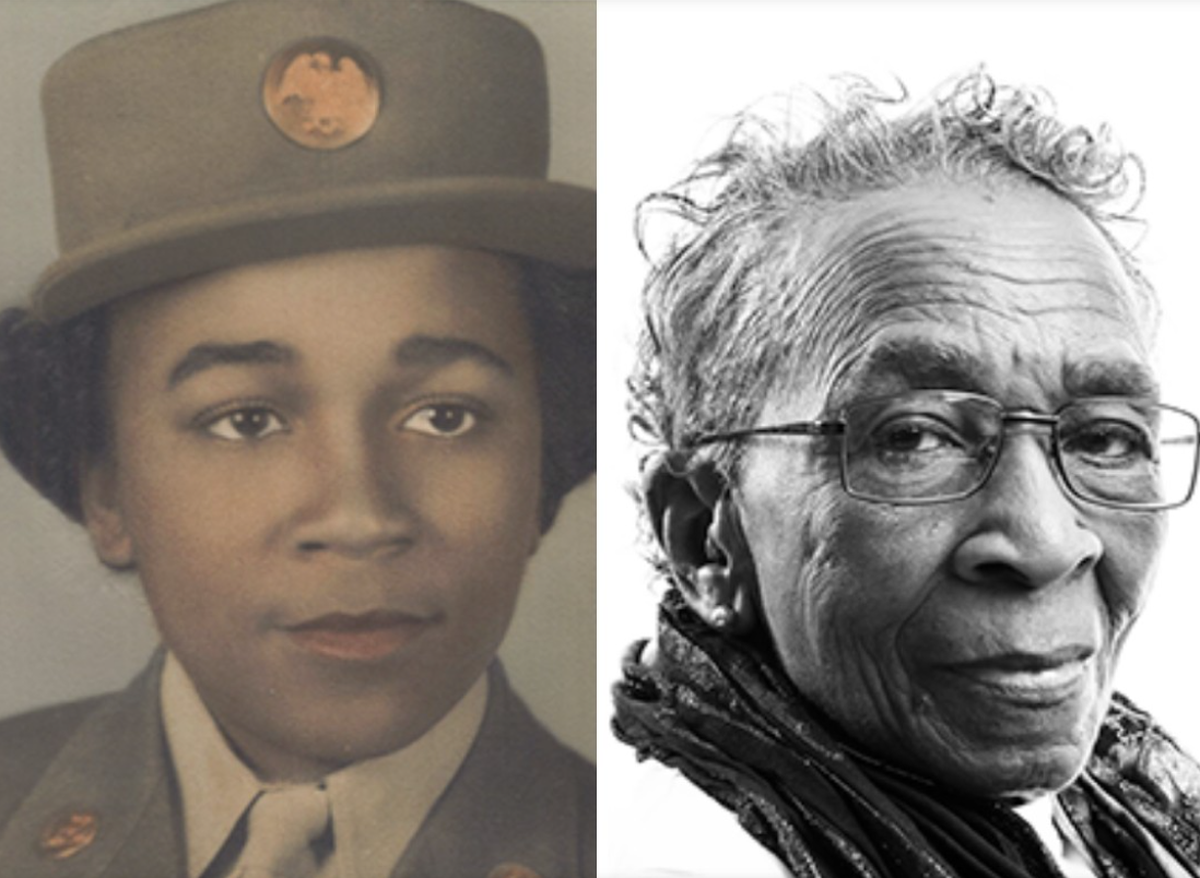
Johnson also helped with mail sorting in Rouen, France, northwest of Paris. All told, the group helped move more than 7 million letters and parcels to soldiers on the front lines.
And if the battalion’s name sounds familiar, that might be because their exploits were highlighted in the recent Tyler Perry Netflix film called “The Six Triple Eight” starring Kerry Washington.
Johnson grew up in Elkin City, which didn’t have a high school for Black students. She had to travel more than 40 miles to attend Atkins High School in Winston-Salem for her education and to get her diploma.
After returning from the war, Johnson became the first woman to enroll on the GI Bill at Winston-Salem Teachers College (now Winston-Salem State University). She earned a degree in education in 1949.

Johnson was a public school teacher for more than 30 years and also spent 15 years volunteering in the Catawba County Schools system.
In 2019, at age 99, she was honored by Winston-Salem State and walked across the stage with the graduating class during a commencement ceremony.
Johnson had missed her own graduation ceremony back in the 1940s because she had to teach school in Virginia and was unable to find a sub. Some 70 years after graduating, the 2019 ceremony fulfilled a dream of hers, according to the HBCU.
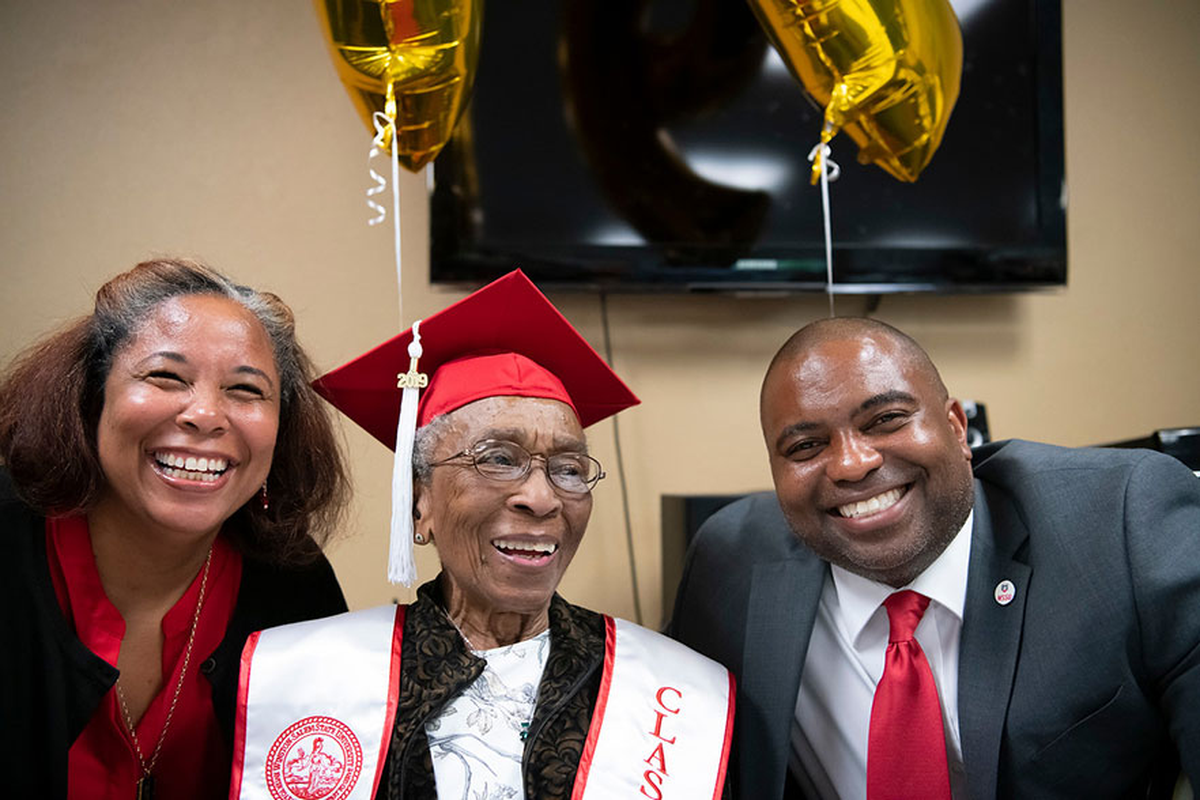
Johnson died at age 100 in August 2020.
At the time, WSSU Chancellor Elwood Robinson posted this statement on Facebook, the Winston-Salem Journal reported: “She is one of the most incredible people I have met during my time on the planet. Thank you for your service and your life! I will miss you! I am a better person because of meeting you!”
During Black History Month, the city of Hickory is hosting a program about Johnson’s life. Her daughter Cynthia Scott will share stories and memorabilia. It’s scheduled for 2 to 3:30 p.m. Feb. 12 at the Ridgeview Recreation Center, 115 7th Ave. SW, Hickory.
In an interview with The Charlotte Observer, Scott said her mother was proud to serve her country while keeping soldiers connected to their families through the mail
“I am proud of her for wanting to do that,” Scott said. “Back then being an African American and a woman in the military, they looked down on them and thought there were things they could not do. But she, along with the other ladies in her battalion, proved them wrong.
“They set out to do a job and they did it well.”
Hattie ‘Chatty Hatty’ Leeper, a familiar voice on the radio
Starting in the 1950s, Hattie Leeper entertained and informed Charlotte residents for decades when her voice came through their radio speakers. She was well-known around town as “Chatty Hatty.”
Her music industry journey began in 1951 after landing an internship doing odd jobs for WGIV-AM. After graduating from high school, she became a DJ for WGIV, the top station in town at the time, according to the Harvey B. Gantt Center for African-American Arts + Culture.
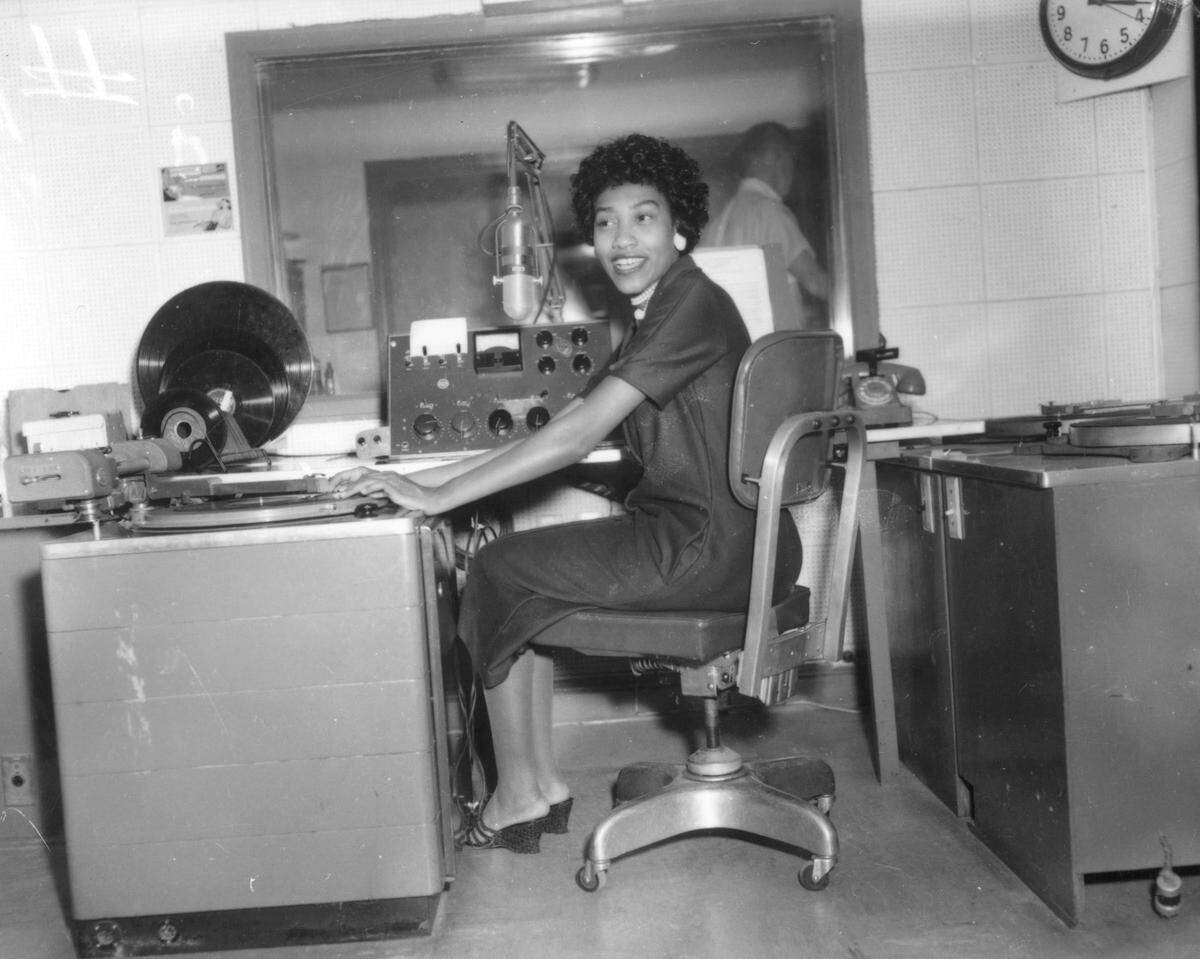
That’s when Leeper made history by becoming the first Black woman DJ in the city and was one of the few Black women in radio in the 1950s and 1960s.
Leeper’s work also stretched beyond the microphone. She produced music, wrote liner notes for Aretha Franklin and Patti LaBelle, and started a record label called AwarE to help local acts.
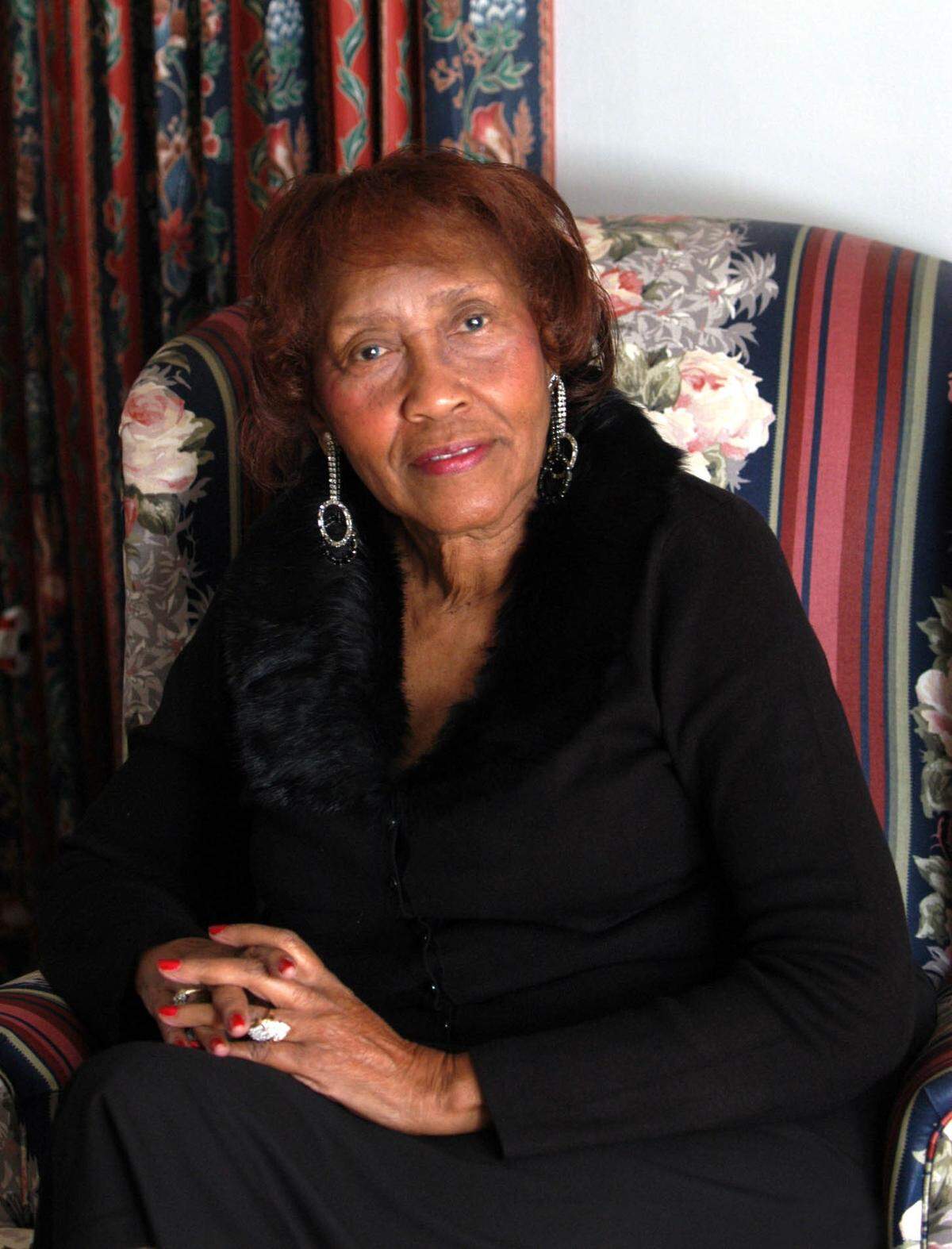
After earning her education credentials, she taught at colleges and universities. Leeper was dean of the communications department at Gaston College for more than a decade.
Leeper is a member of the National Black Radio Hall of Fame. In 2015, she was added to the inaugural class of the Charlotte Broadcasting Hall of Fame after questions were raised why its initial selection was comprised only of white people, The Charlotte Observer reported at the time.
In 2023 at age 89, Leeper took part in the Library of Congress’ Black Women in Radio Historic Collection and Oral History Project.
And last year, she told Observer news partner WSOC how she got to know big stars like Harry Belafonte, Sammy Davis Jr., James Brown and Nat King Cole through her prominent role on the radio.
The Observer once described WGIV as “the soul of Charlotte’s black community during segregation.” Leeper was part of the DJ crowd that attracted Black and white teens because the station played R&B and rock n’ roll, which many grown-ups frowned upon at the time.
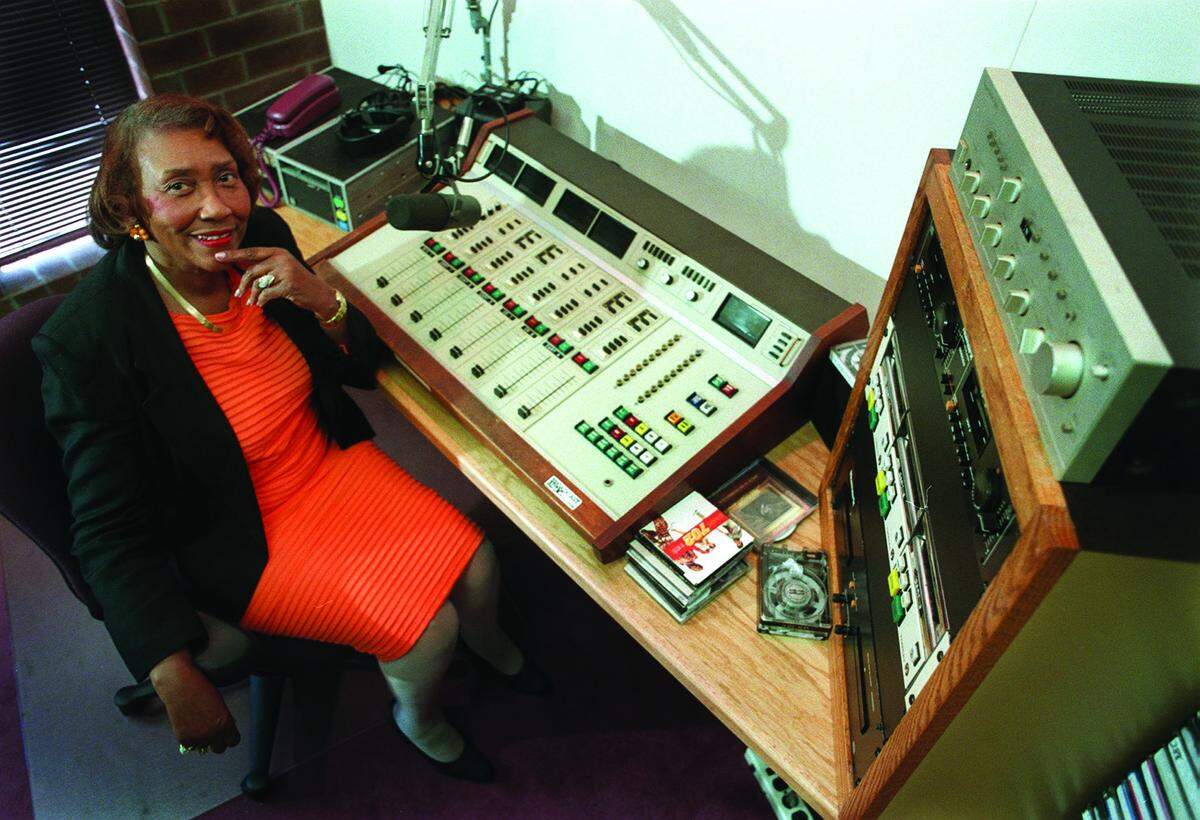
At the height of segregation, when Tina Turner, Mary Wells or Gladys Knight were in town for a show and had trouble finding service elsewhere, they knew they could go to “Chatty Hatty’s” house for some soul food her mother had whipped up, Leeper once told The Charlotte Post. “They could come in, wash their hands, and my mother would feed them until they dropped,” Leeper recalled.
Leeper also self-published her autobiography, “Chatty Hatty: The Legend.” Sometimes, a title says it all.
Warren Clay Coleman, textile king
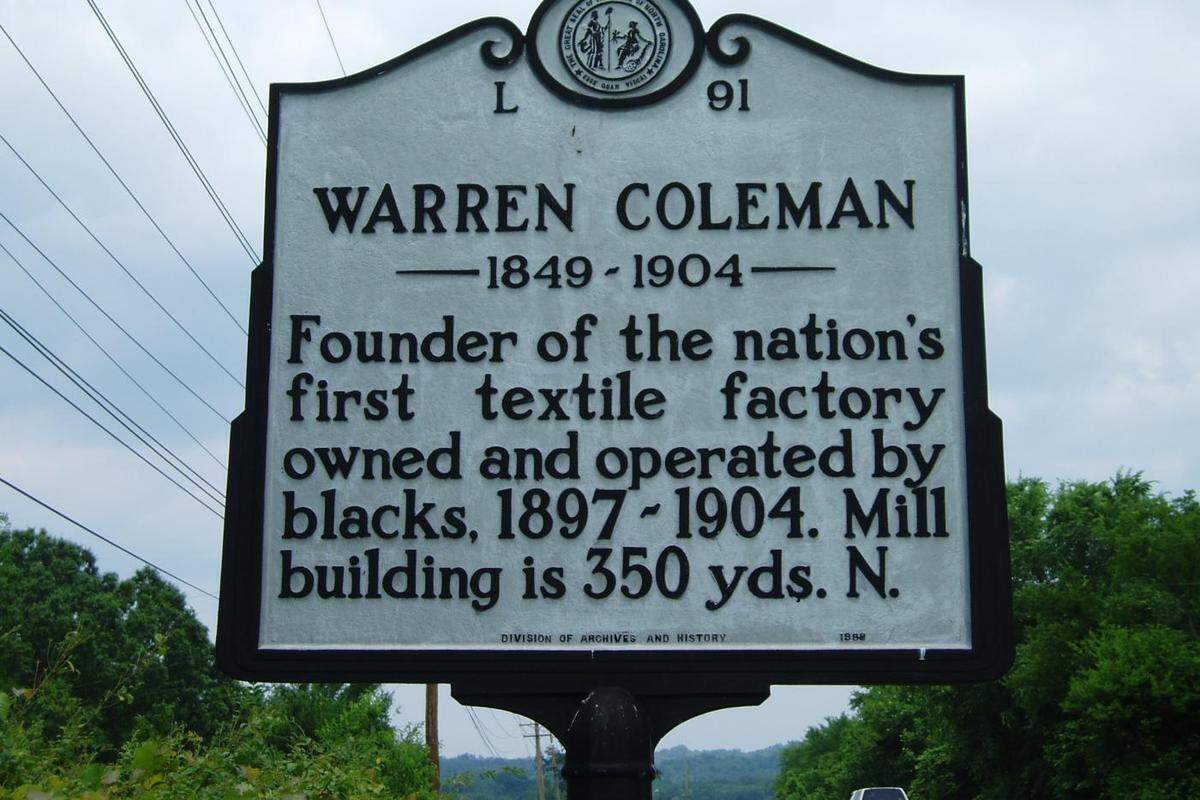
Born into slavery in 1849, Warren Clay Coleman had an entrepreneurial spirit that led him to found the nation’s first Black-owned and -operated textile factory.
The former mill is at Main Street and Highway 601 South in Concord in what became Fieldcrest Cannon Plant No. 9. Coleman opened the mill in 1897.
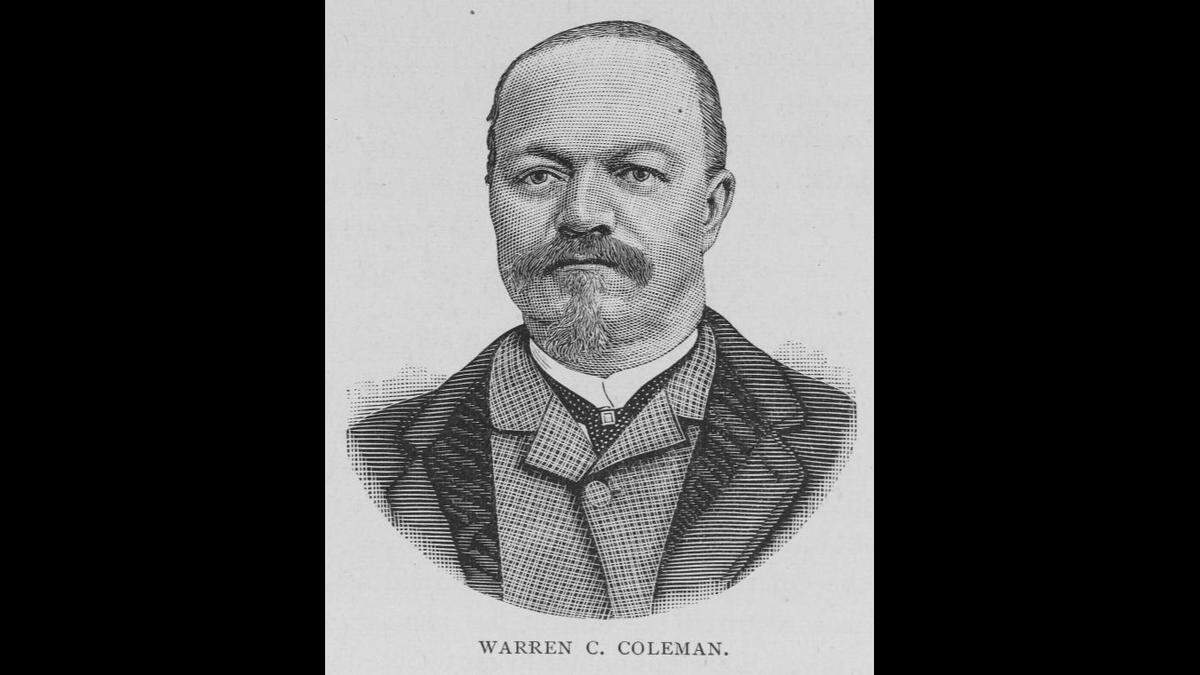
Coleman “was able to rise up and become the richest man, the richest Black man, in America as of 1900,” Concord author Norman McCullough Sr. said in a 2022 video on the city’s Facebook page. In the title of his 2019 book about Coleman, McCullough called the industrialist “a clear unsung example of Black enterprise/capitalism after the Civil War.”
Coleman built Price Temple church for his 300 workers, now Price Memorial A.M.E Zion. He opened a 17-acre cemetery and built about 100 homes for employees at his 196,000-square-foot mill, McCullough said.
The mill and homes were built in the present-day Logan neighborhood, a historically Black community.
In the 1890s, Black people were barred from working at mills owned by John Odell, James Cannon and other white men “except for very menial labor,” McCullough said.
Built by former slaves, the mill was so famous that W.E.B. DuBois, the Black sociologist, historian and civil rights activist, included pictures of the building in an exhibit at the Paris Exposition of 1900, The Charlotte Observer reported in 2011. He did so to highlight progress by Black people across the country.
But a few years after the mill opened, high cotton prices caused financial difficulties for Coleman’s mill and many others.
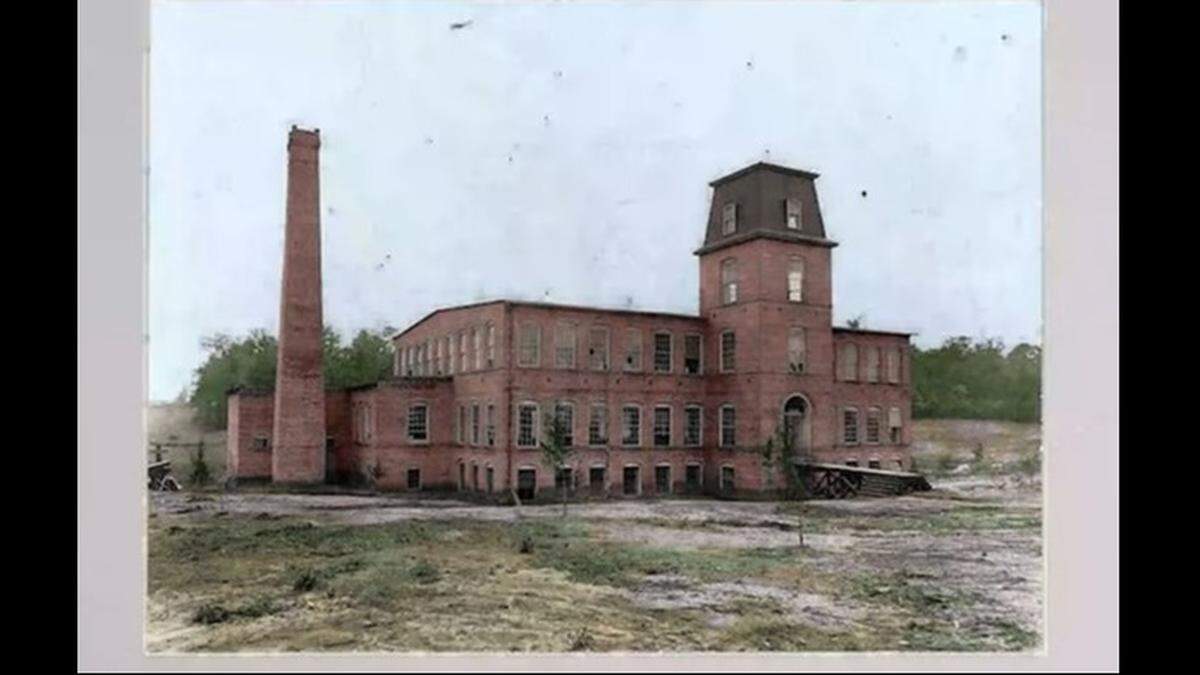
In 1903, he turned over management to a white cotton merchant who hired white workers. Coleman died in 1904 at age 55. Washington Duke, a white industrialist and philanthropist, bought the mill for $10,000 at a sheriff’s sale.
Over a century later in 2022, the Concord City Council agreed to extend sewer lines to Winston-Salem-based developer Sari and Company’s planned $28-million Coleman Mill Apartments affordable-housing project in the building. One end of the building appeared to be undergoing renovations when the Observer visited the site on Sunday, Feb. 2, 2025.
The 10-acre complex is such a landmark that visitors get their pictures taken in front of the plaque honoring Coleman in the main building. Former U.S. Rep. Larry Kissell, D-N.C., even filmed a campaign ad outside the building’s front entrance in 2010.
“We, as African Americans, have a lot to be proud of,” McCullough said, citing Coleman. Blacks have played “a major role” in Southern society, “as well as America in general.”
Thereasea Clark Elder, serving the nation and the city
Thereasea Clark Elder broke barriers for Black public health nurses in Charlotte as the city’s first for the life-saving profession.
Born in 1927, the Charlotte native grew up in the Greenville neighborhood with five siblings and graduated from West Charlotte High.
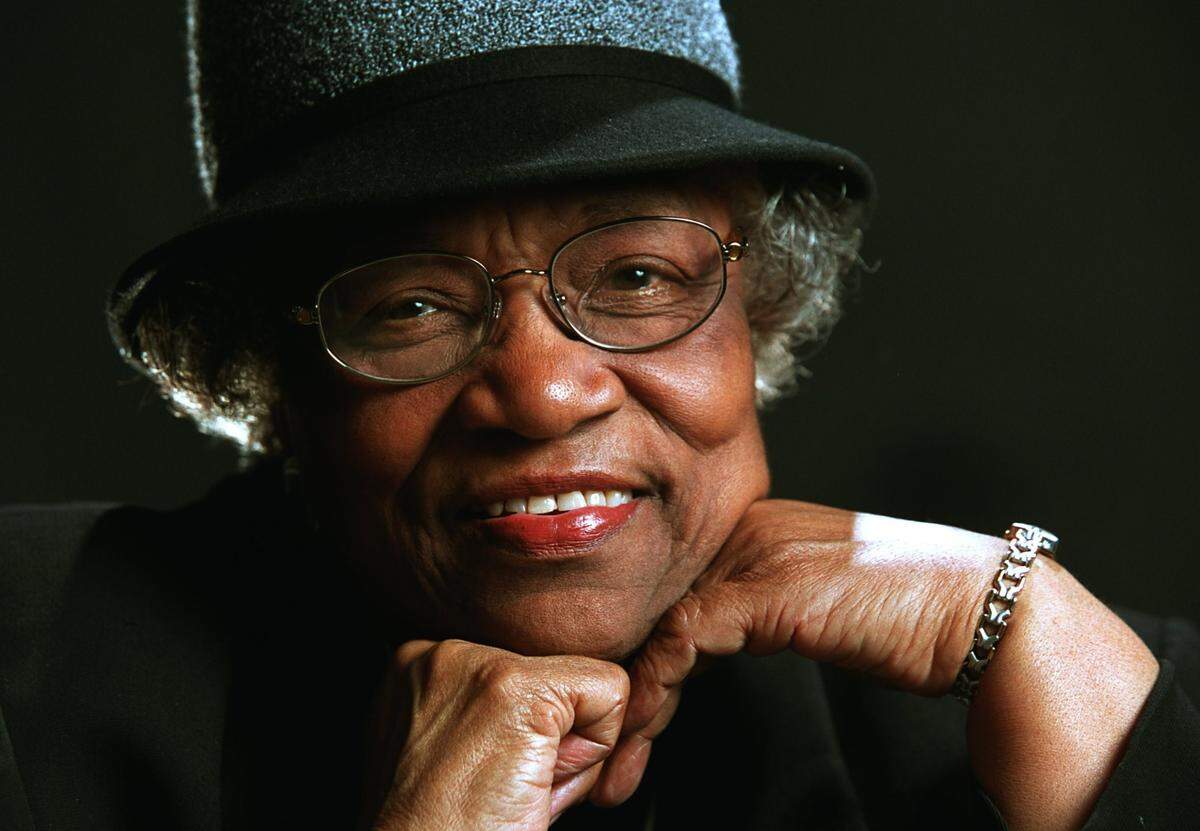
Elder continued her education at Johnson C. Smith University, the U.S. Cadet Nursing Program and Lincoln Hospital School of Nursing in Durham. She also studied pediatrics at Howard University’s Freeman Hospital in Washington, D.C. During World War II, Elder worked as a nurse cadet.
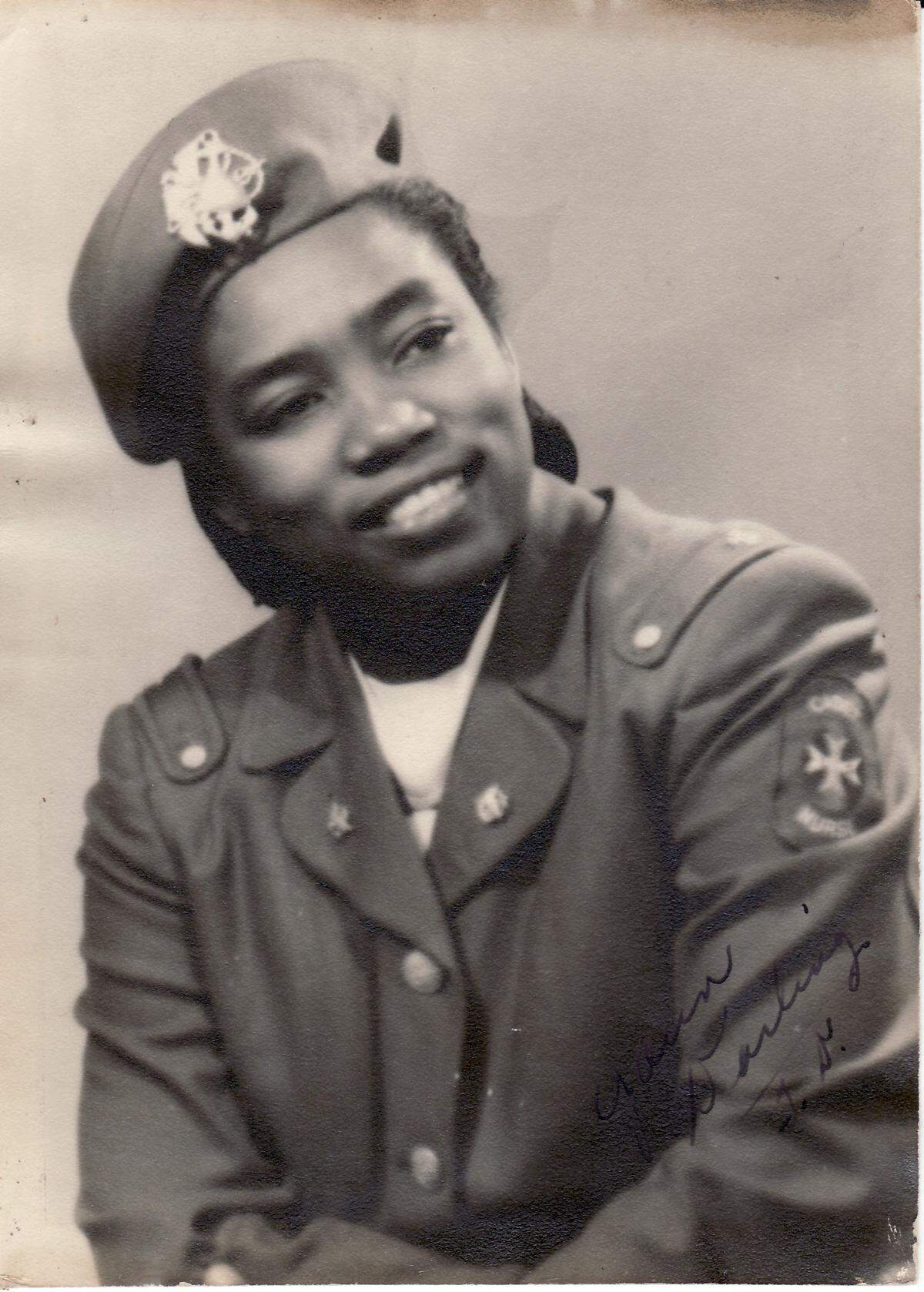
Her local journey in nursing began at the segregated Good Samaritan Hospital, which only served Black patients. In the 1960s, Elder joined the Mecklenburg County Health Department where she was the first and only Black nurse.
She continually pushed for changes to improve the lives of Black residents. That included voter registration drives, helping preserve the city’s Black history and volunteering with organizations such as Greenville Historical Association and the American Red Cross. A community park on Rockwell Church Road is named in her honor.
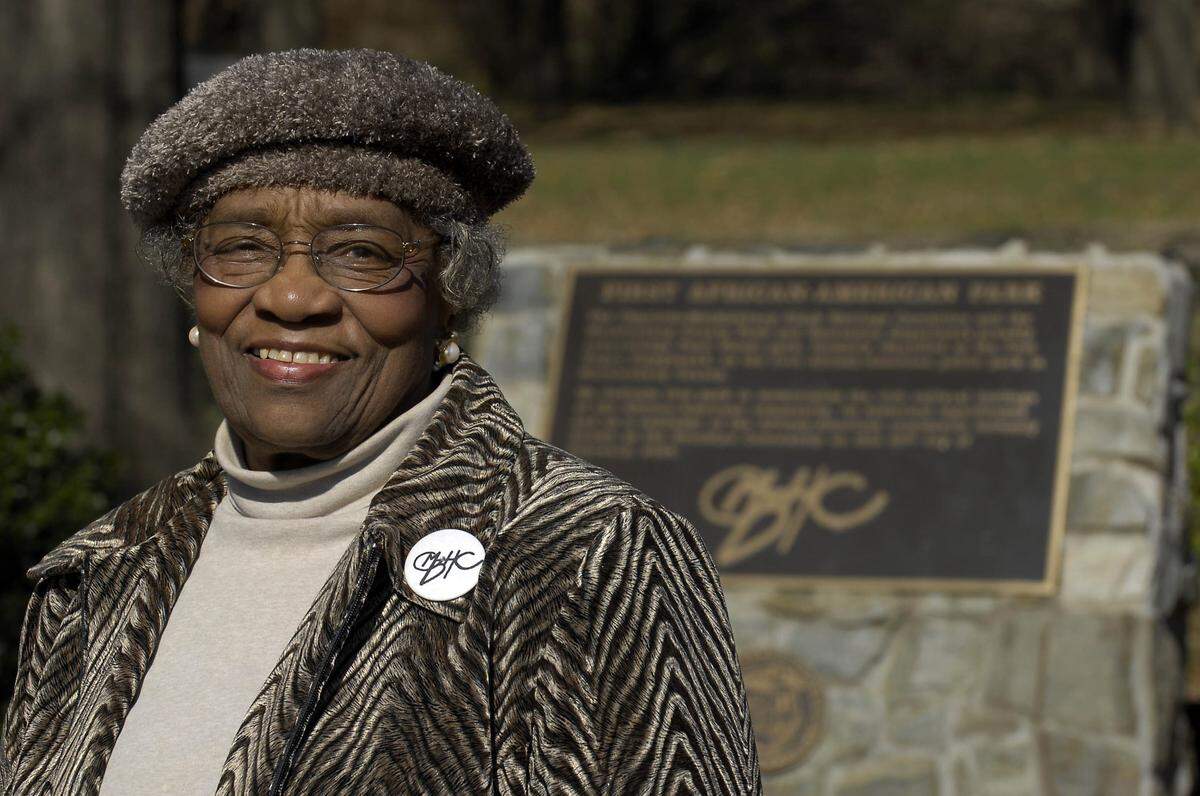
Elder retired in 1989. Before her death in 2021 at the age of 93, Elder talked about the racism and harassment she faced as a Black nurse in Charlotte, where she was hired to serve only Black people until racist policies finally disappeared.
Charlotte Mayor Vi Lyles considered Elder her mentor. When Elder died, the mayor called Elder “a Charlotte icon and legend.”
Jennifer King, shattering barriers in the NFL
Before she made NFL history, Jennifer King attended Rockingham County High in Wentworth and was a standout two-sport athlete at Guilford College in Greensboro. King played basketball and softball there before coaching basketball at Greensboro College and Johnson & Wales University in Charlotte.
After spending more than a decade in the Women’s Football Alliance, mostly with the Charlotte Phoenix, King became a pioneer within the NFL coaching ranks.
She started her football coaching career as an intern in 2018 with the Carolina Panthers before heading to the Alliance of American Football (AAF) for a season with the Arizona Hotshots.
When the spring league folded in 2019, Panthers head coach Ron Rivera rehired King as an intern. When Rivera left the Panthers for Washington in 2020, he brought King with him as an intern and eventually promoted her to assistant running backs coach in 2021.
With that move, King became the first Black woman to work in a full-time assistant coaching position for an NFL franchise.
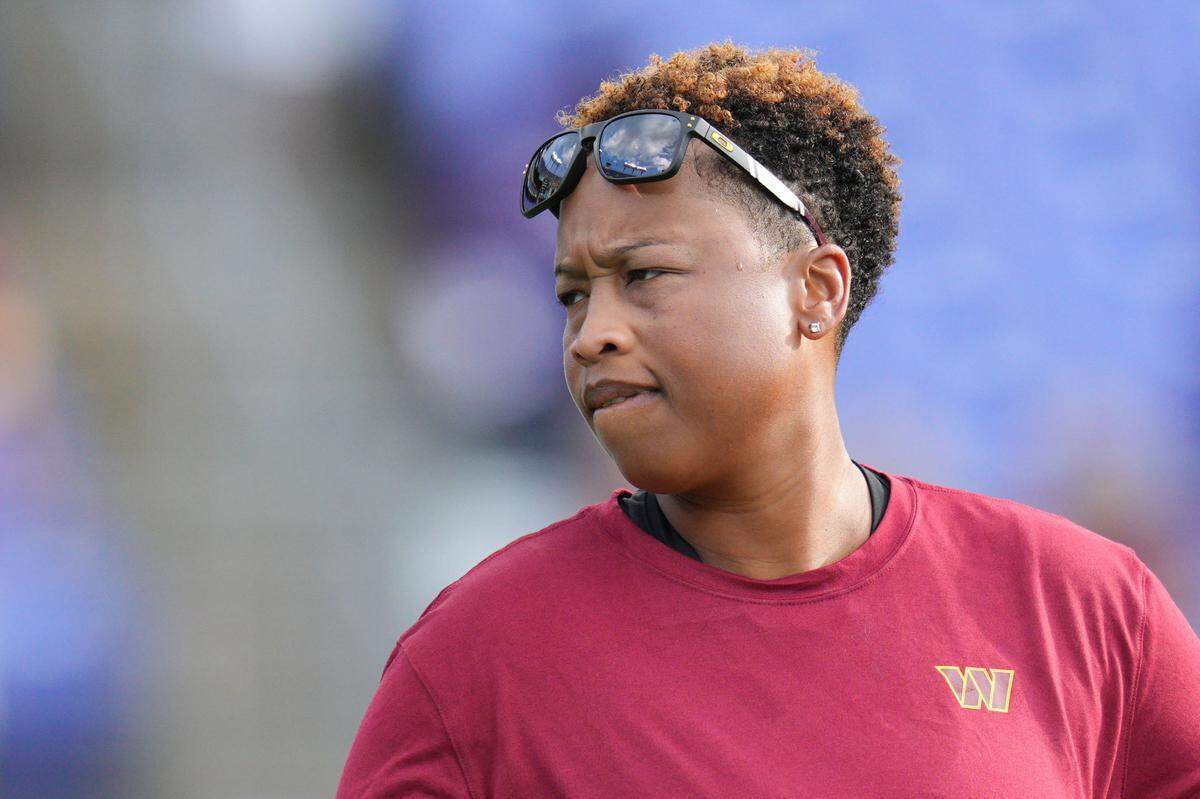
In 2022, King became the first woman to coach in the East-West Shrine Bowl, which is celebrating its 100th year in 2025.
After Washington fired Rivera during the 2023 season, King was hired by Chicago Bears head coach Matt Eberflus in 2024 as an offensive assistant, with a primary focus on running backs. The 40-year-old is a native of Eden.
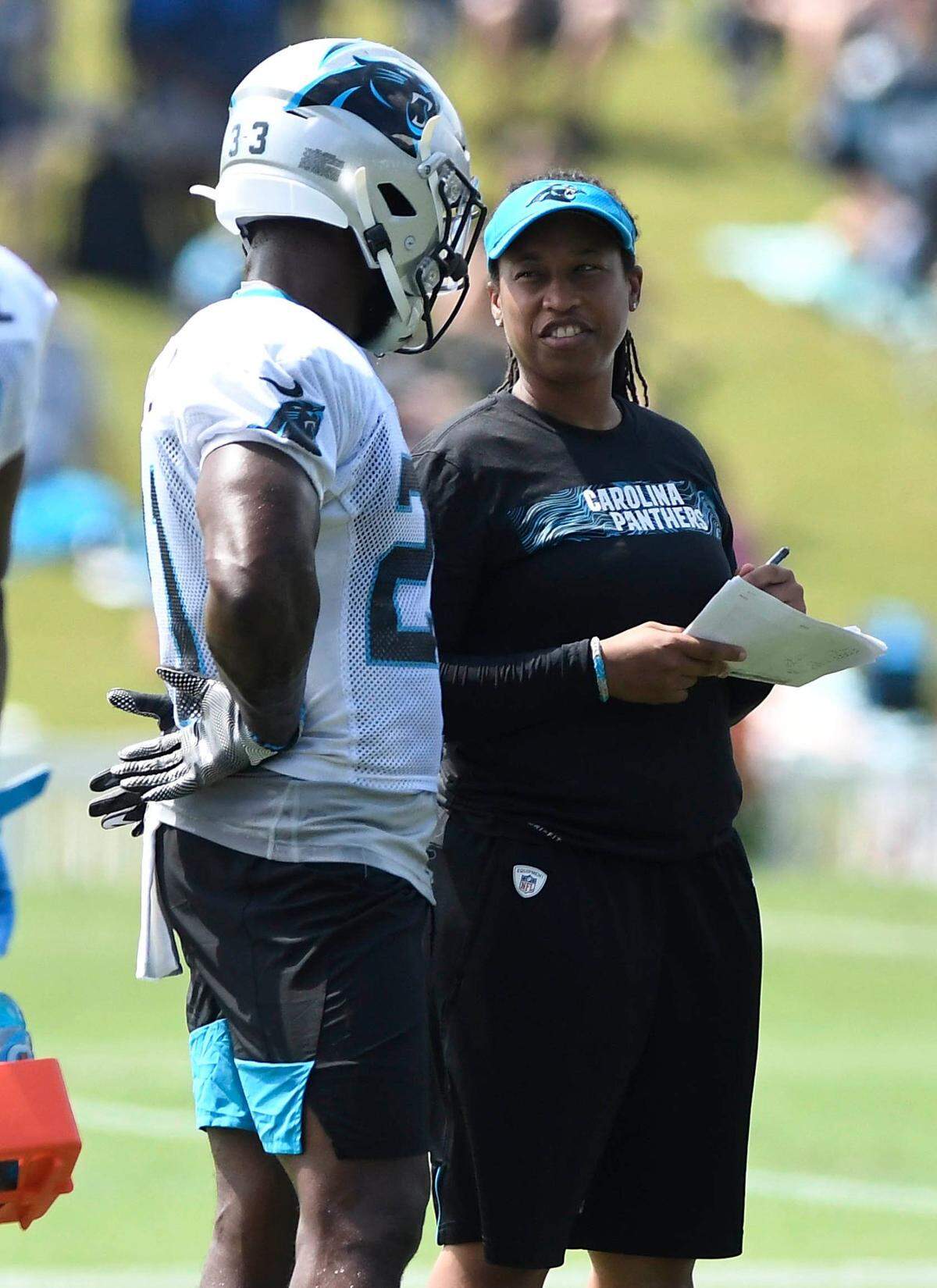
Looking back on the 2018 season with the Panthers, veteran receiver Torrey Smith had this to say to the Observer last year about King: “She knows this game. She’s going to challenge you. And she’s going to help you be better.”
Dr. M.T. Pope, a doctor with many interests
Dr. Manassa Thomas Pope became a trailblazer in North Carolina: he was the first Black physician in the state. He also was a businessman, soldier and the only Black man to run for mayor in Raleigh during Jim Crow.
Pope was born in 1858 on the lead-up to the Civil War and was raised in Northampton County by free parents. He attended Shaw University and finished with a bachelor of arts degree in 1879.
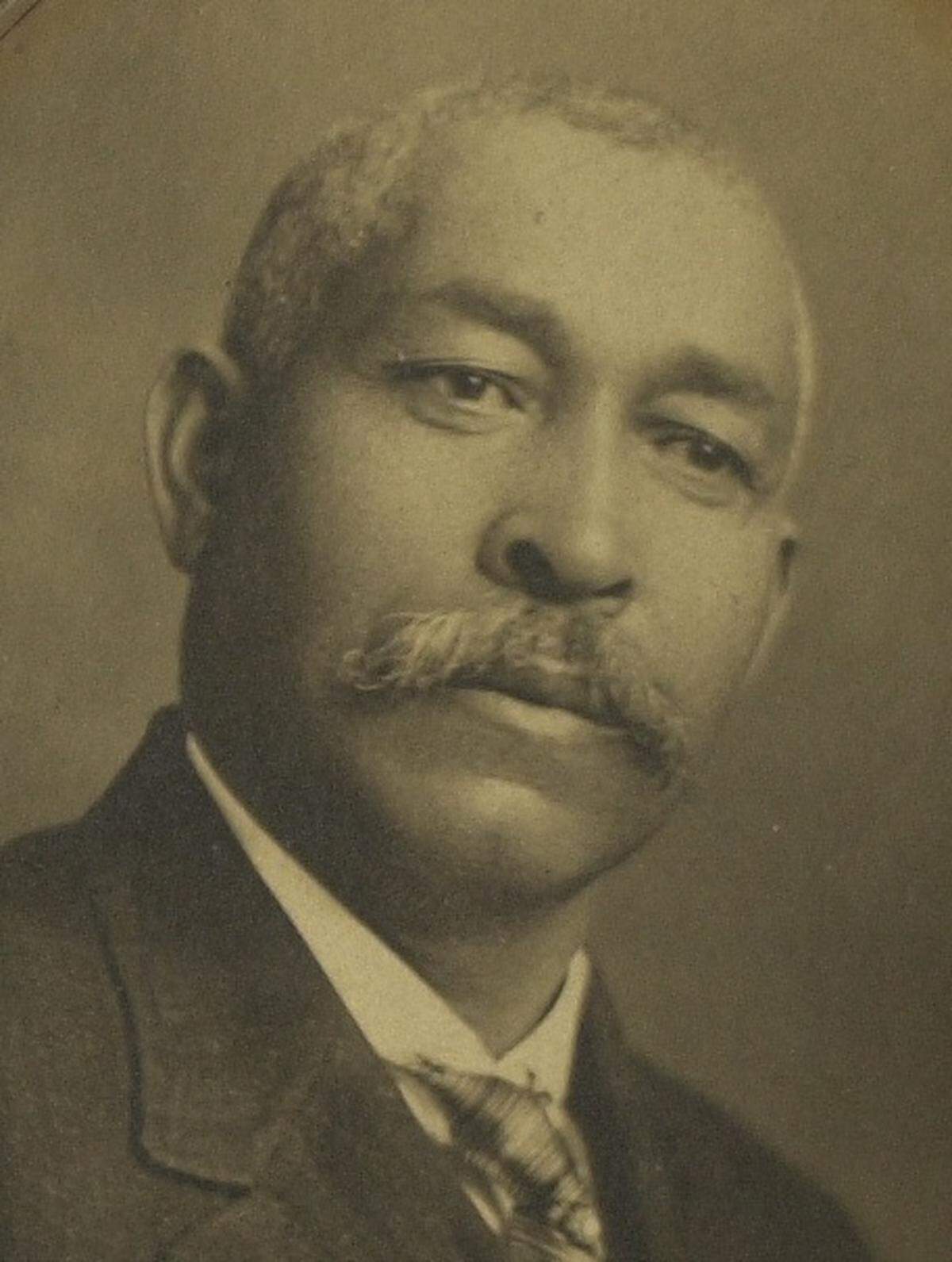
Pope continued his education at the Leonard Medical School in Raleigh and earned a medical degree from the school in 1886 — becoming the first Black person licensed to practice medicine in North Carolina.
A year later, he married Lydia Walden. After moving to Charlotte in 1892, he opened a medical practice as well as the Queen City Drug Company and People’s Benevolent Association insurance company.
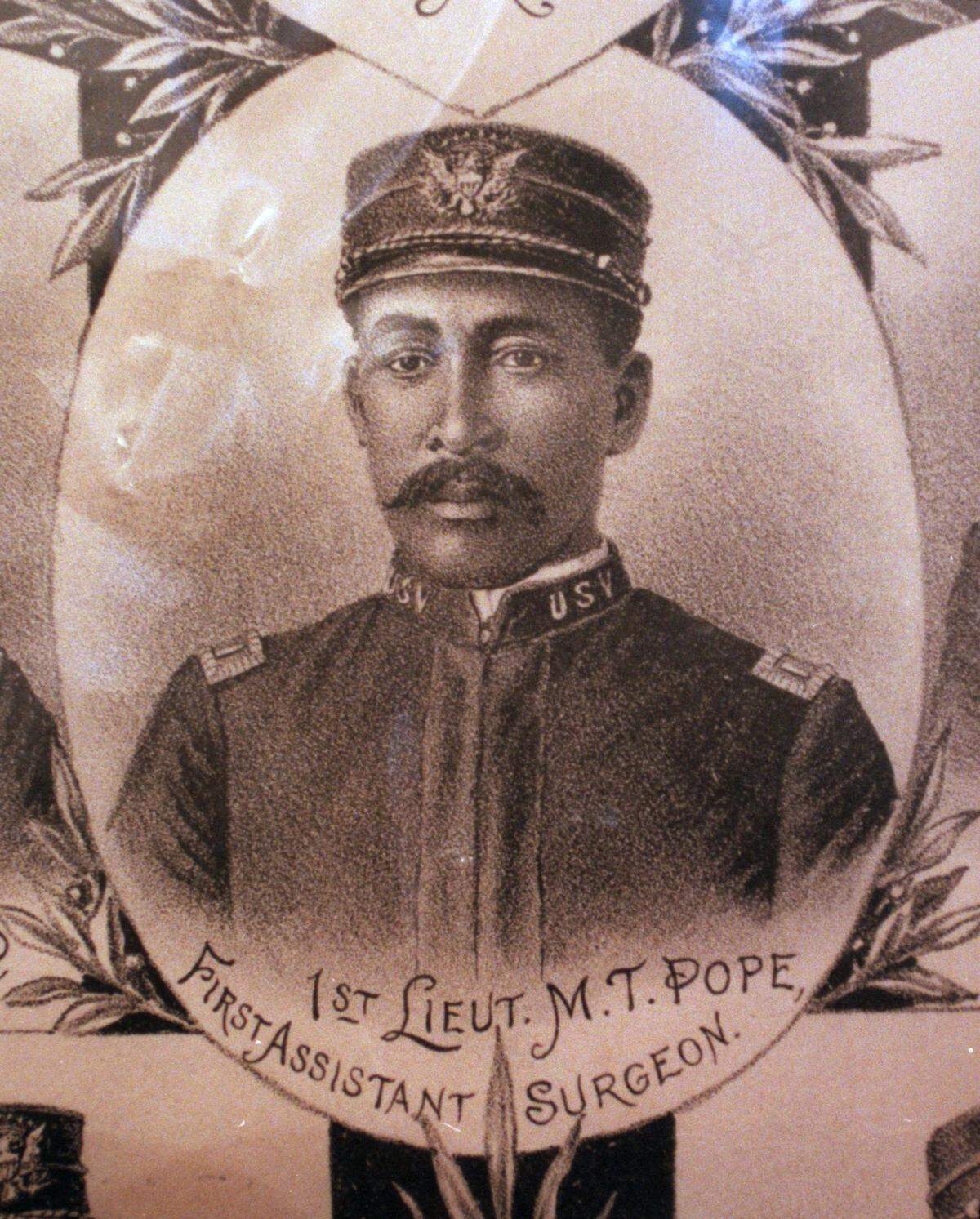
Pope also fought for his country during the Spanish-American War in an all-Black regiment. After the war, Pope moved to the Raleigh area and built a house in the early 1900s.
During this period of Jim Crow laws, where Black residents faced racism and obstacles to vote, he was one of seven Black residents in Raleigh able to vote. That was from a legal loophole with literacy and grandfather clauses involving illiterate white men. It said anyone whose father or grandfather was able to vote before 1867 was exempt from the voting test.
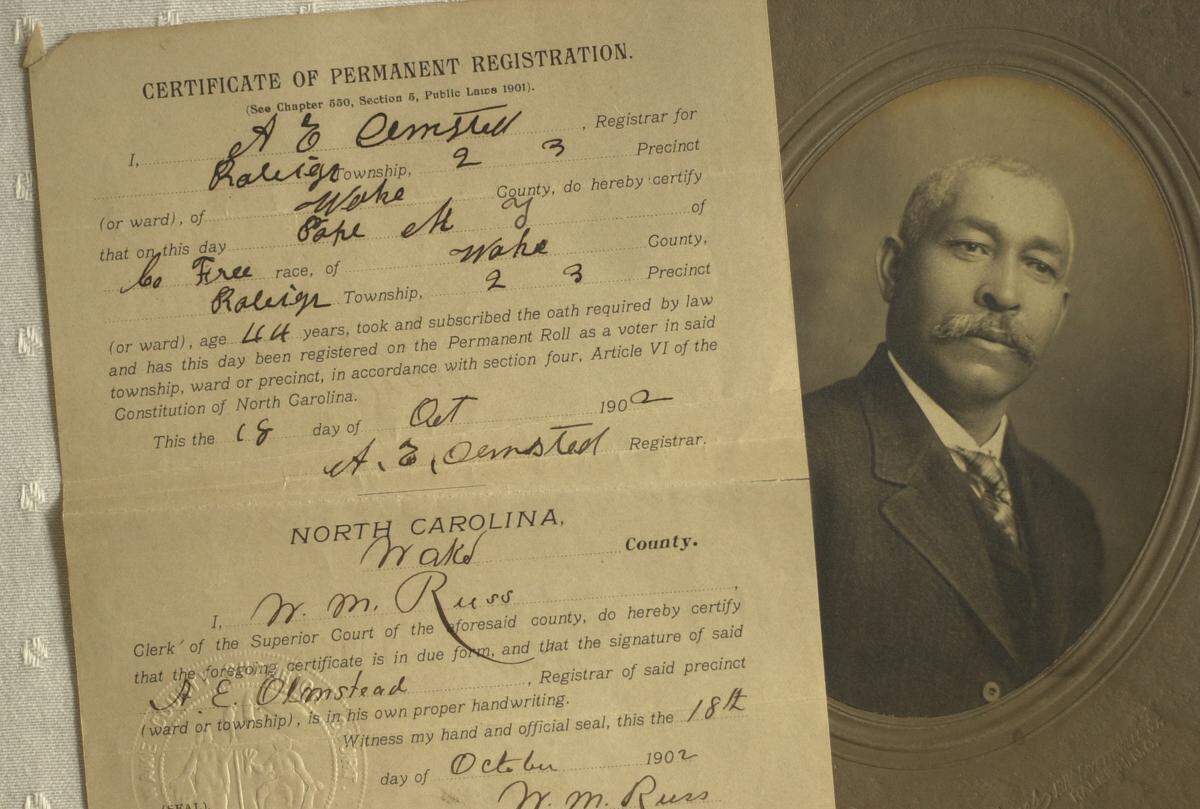
Pope ran for mayor in 1919 but did not get many votes. Still, he was revered for making the attempt and being the only Black man to run for mayor of a capital city in the South during segregation.
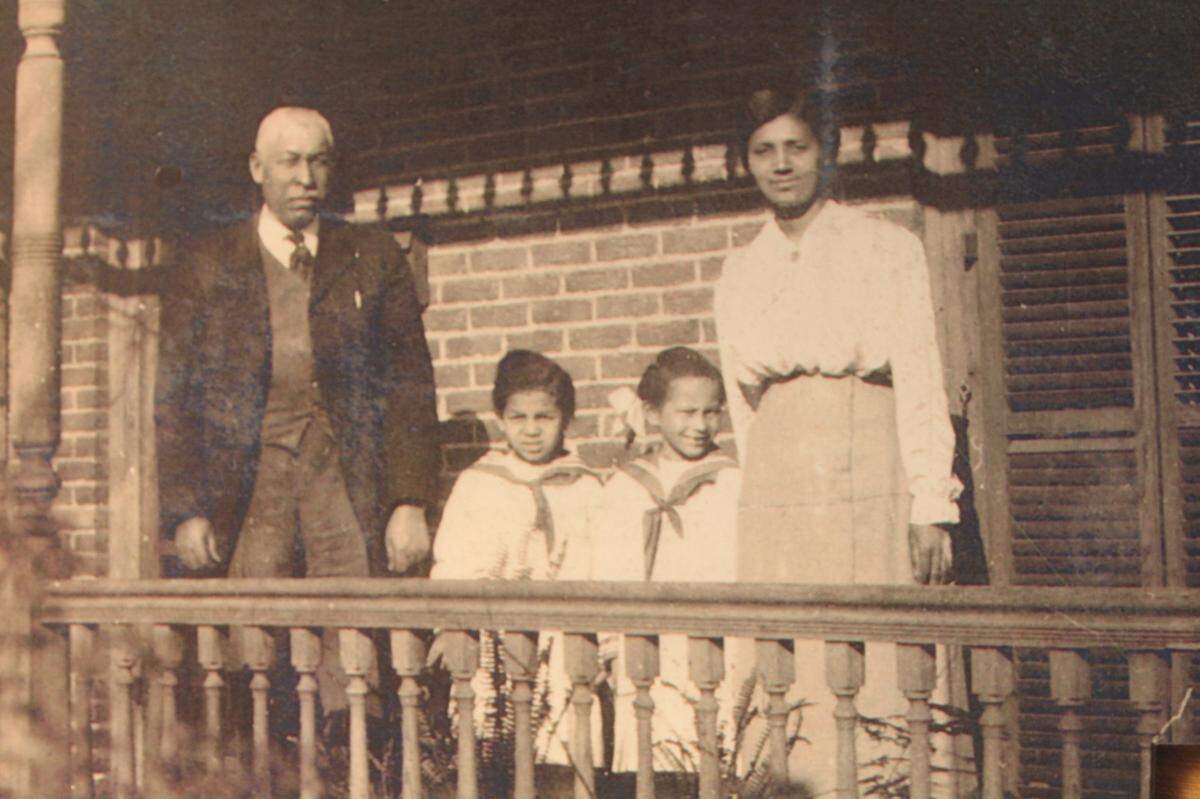
His 124-year-old house in downtown Raleigh was preserved and became the Pope House Museum. The historic site is the only Black house museum in North Carolina, according to the city of Raleigh. It’s also on the National Register of Historic Places.
Robert Franklin Williams, committed ‘to freedom’
Robert Franklin Williams, a Black civil rights leader from Monroe, drew national attention in the 1950s and ‘60s for his approach to fighting bigotry.
As head of the Union County NAACP, Williams organized armed squads of Black people, mostly former military members like himself, “for self-defense and to protect others,” former Charlotte Observer associate editor Fannie Flono wrote in 2007.
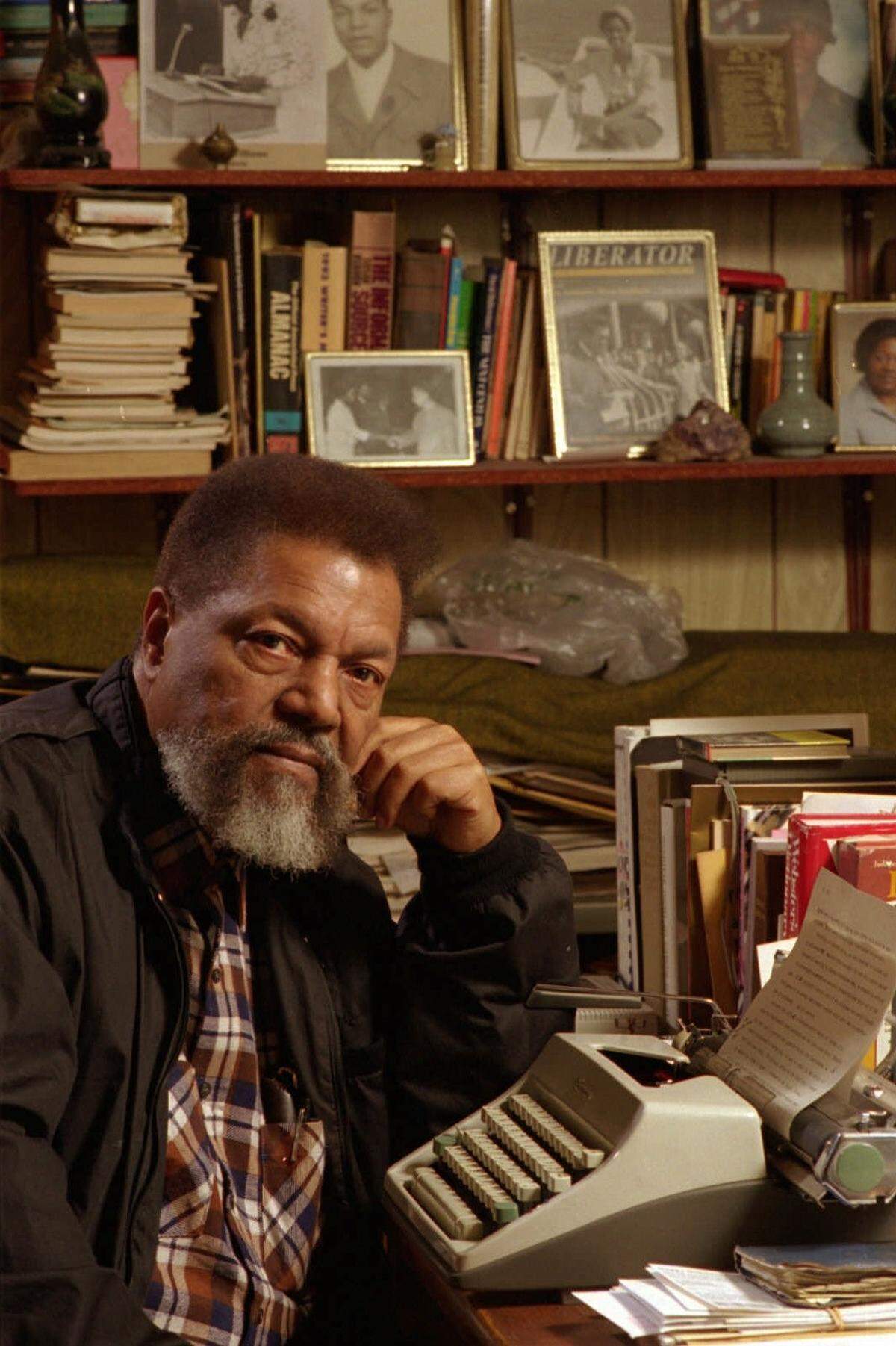
“He raised money in the North to buy guns and so inspired the people of Monroe that on one October night in 1957, when the Klan swooped in to harass and harm Black citizens, scores of armed Black men turned them back,” Flono wrote.
In 1958, Williams chaired the Committee to Combat Racial Injustice, which organized to defend two Black boys, ages 7 and 9, who were arrested for being kissed on the cheek by a white girl while playing a game. In what became known as the Monroe “Kissing Case,” Gov. Luther Hodges pardoned the boys after pressure from the committee.
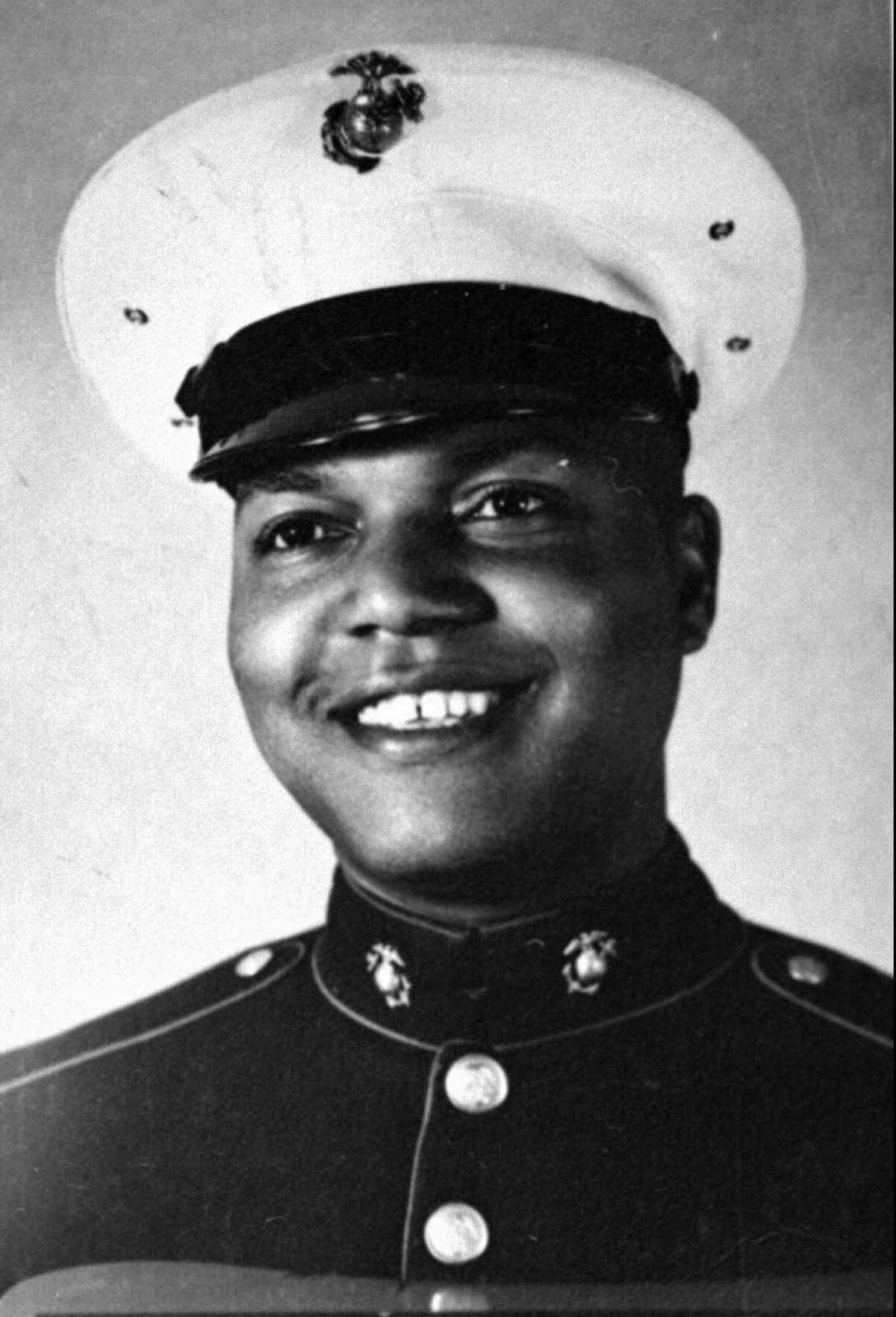
In 1961, Williams and his wife, Mabel, fled to Cuba after he was accused of kidnapping a white couple in Monroe during a race-related riot. Williams said he was providing shelter for the couple after they’d inadvertently wandered into a Black neighborhood. He also landed on the FBI’s Most Wanted List because of the charges.
While in Cuba, his “Radio Free Dixie” broadcasts offered music, news and critical commentary about U.S. domestic and foreign policies. The Williamses also met Fidel Castro on the island nation.
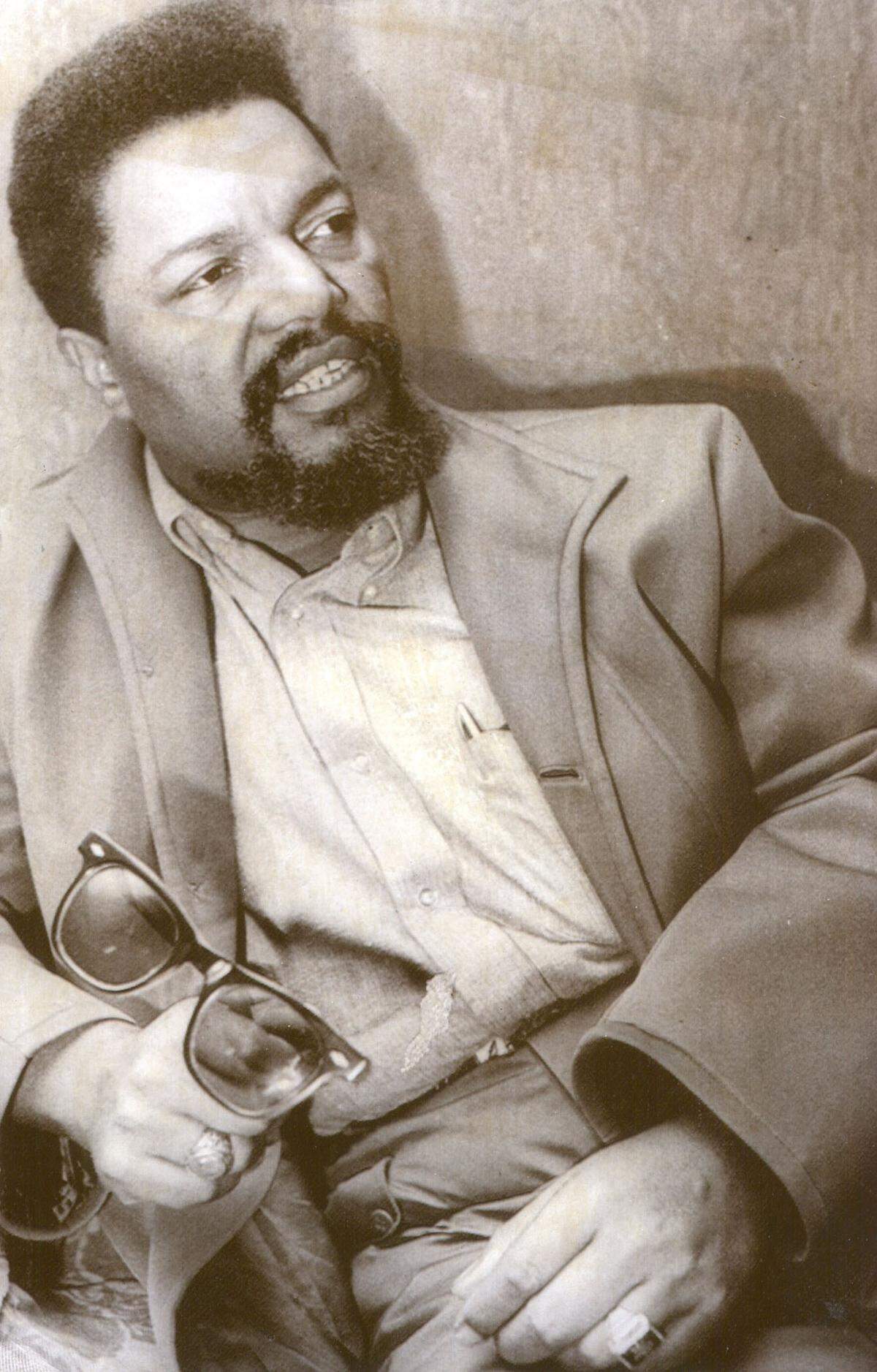
In Cuba, Williams also wrote “Negroes with Guns,” his seminal account of how taking up arms in self-defense prevented the slaughter of Black people in Monroe.
In 1966, Williams and his family moved to China at then-Chinese leader Mao Zedong’s invitation and stayed for three years — the first years of the Cultural Revolution period of upheaval under Mao. But three years later, Williams returned to the U.S., living in Michigan and working to clear the false kidnapping charges in Monroe. The charges were dropped in 1975.
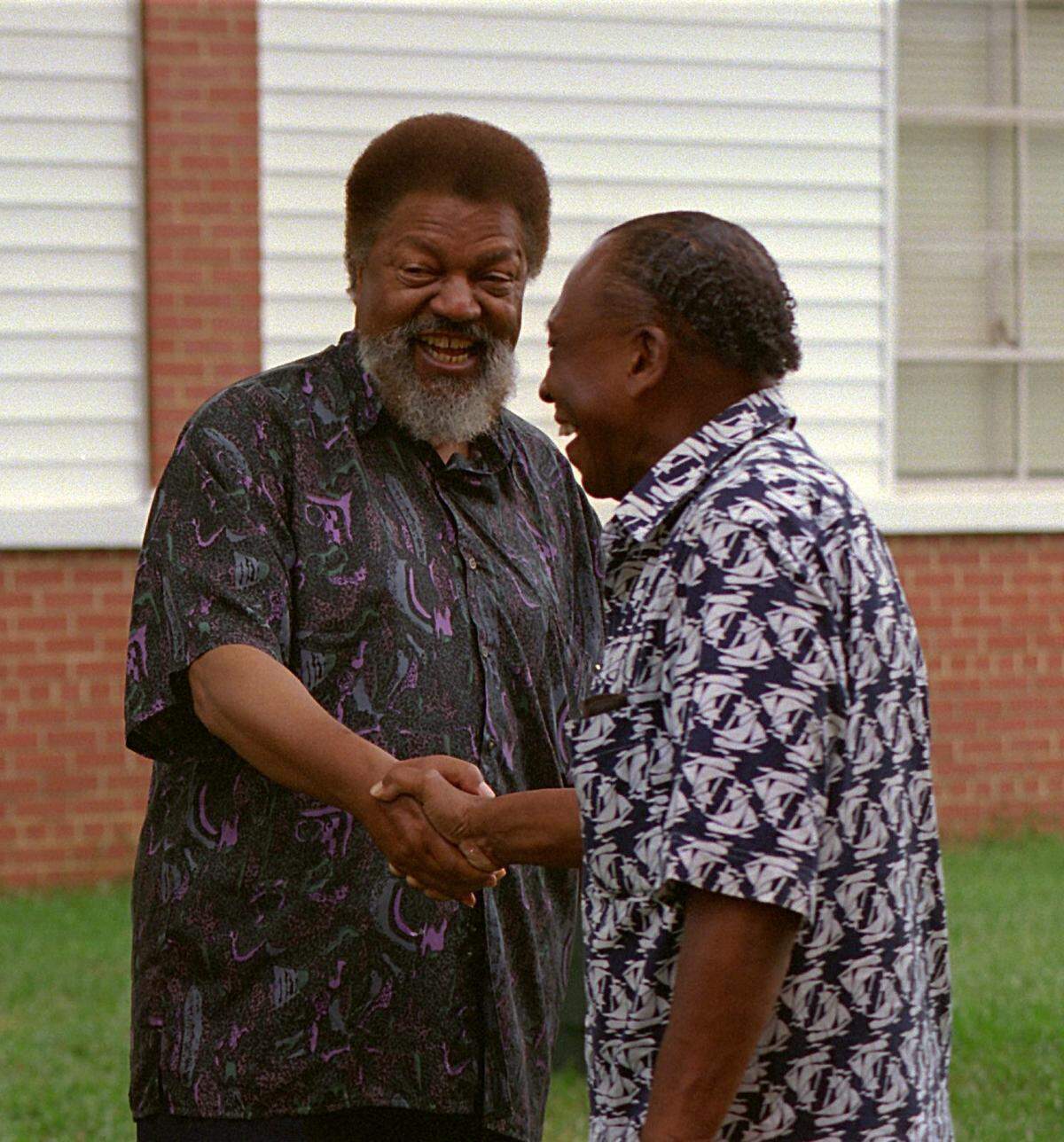
Williams lived in Michigan until he died of Hodgkin’s Disease in 1996 at age 71. He was buried in Monroe, where civil rights icon Rosa Parks eulogized him at his funeral.
Parks praised him “for his courage and for his commitment to freedom,” according to African American Registry.org, a Black history site. “The sacrifices he made, and what he did, should go down in history and never be forgotten.”
Observer Business and Arts Editor Adam Bell contributed to this report
Uniquely Charlotte: Uniquely Charlotte is an Observer subscriber collection of moments, landmarks and personalities that define the uniqueness (and pride) of why we live in the Charlotte region.
This story was originally published February 5, 2025 at 5:45 AM.