From Harry Belafonte to Aretha Franklin, everyone knew ‘Chatty Hatty’ on Charlotte radio
EDITOR’S NOTE: In honor of Black History Month, The Charlotte Observer is highlighting the lives and accomplishments of nine people whose contributions might not be as well known as others, local “hidden figures” as it were.
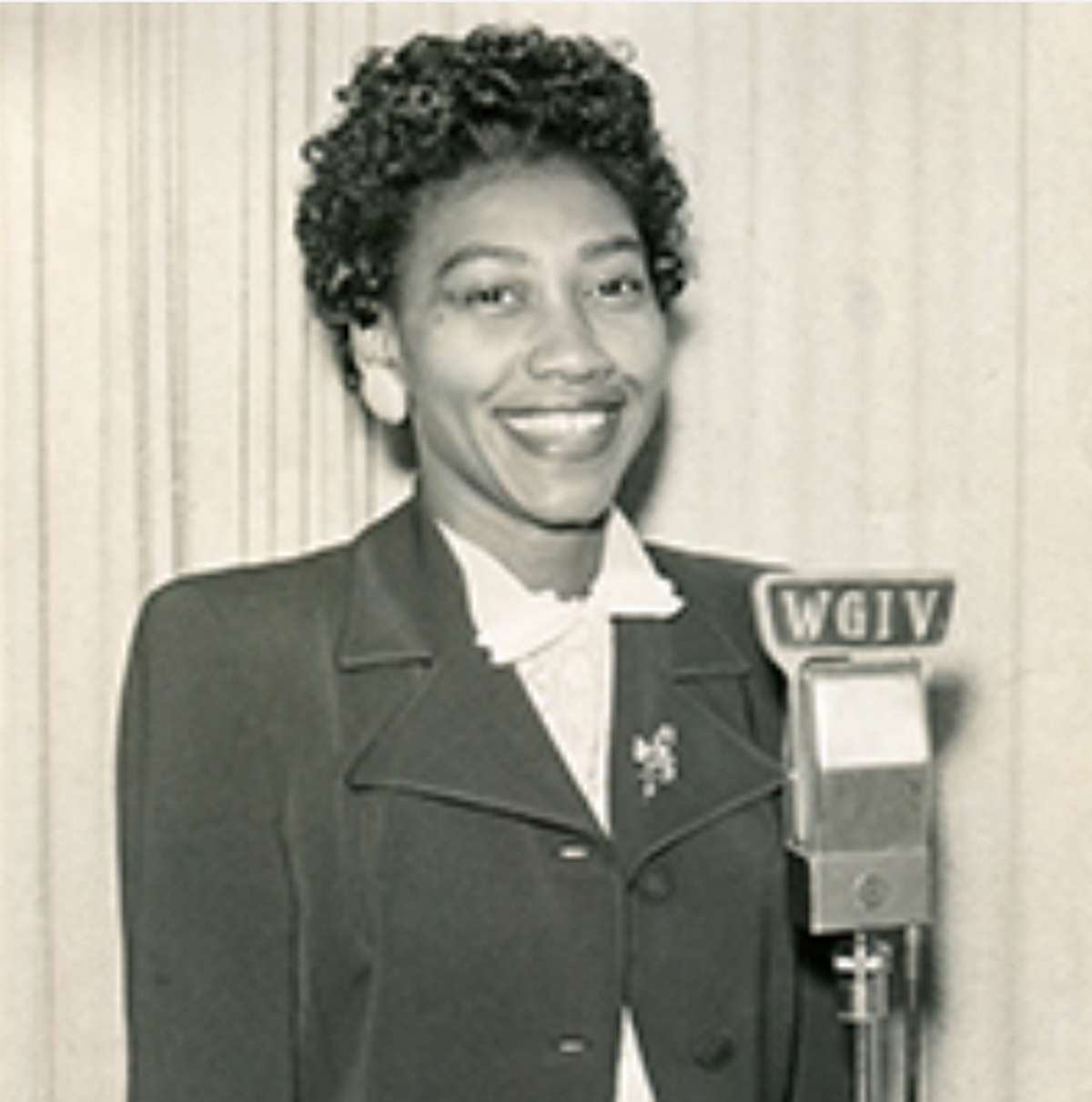
Starting in the 1950s, Hattie Leeper entertained and informed Charlotte residents for decades when her voice came through their radio speakers. She was well-known around town as “Chatty Hatty.”
Her music industry journey began in 1951 after landing an internship doing odd jobs for WGIV-AM. After graduating from high school, she became a DJ for WGIV, the top station in town at the time, according to the Harvey B. Gantt Center for African-American Arts + Culture.
That’s when Leeper made history by becoming the first Black woman DJ in the city and was one of the few Black women in radio in the 1950s and 1960s.
Leeper’s work also stretched beyond the microphone. She produced music, wrote liner notes for Aretha Franklin and Patti LaBelle, and started a record label called AwarE to help local acts.
After earning her education credentials, she taught at colleges and universities. Leeper was dean of the communications department at Gaston College for more than a decade.
Leeper is a member of the National Black Radio Hall of Fame. In 2015, she was added to the inaugural class of the Charlotte Broadcasting Hall of Fame after questions were raised why its initial selection was comprised only of white people, The Charlotte Observer reported at the time.
In 2023 at age 89, Leeper took part in the Library of Congress’ Black Women in Radio Historic Collection and Oral History Project.
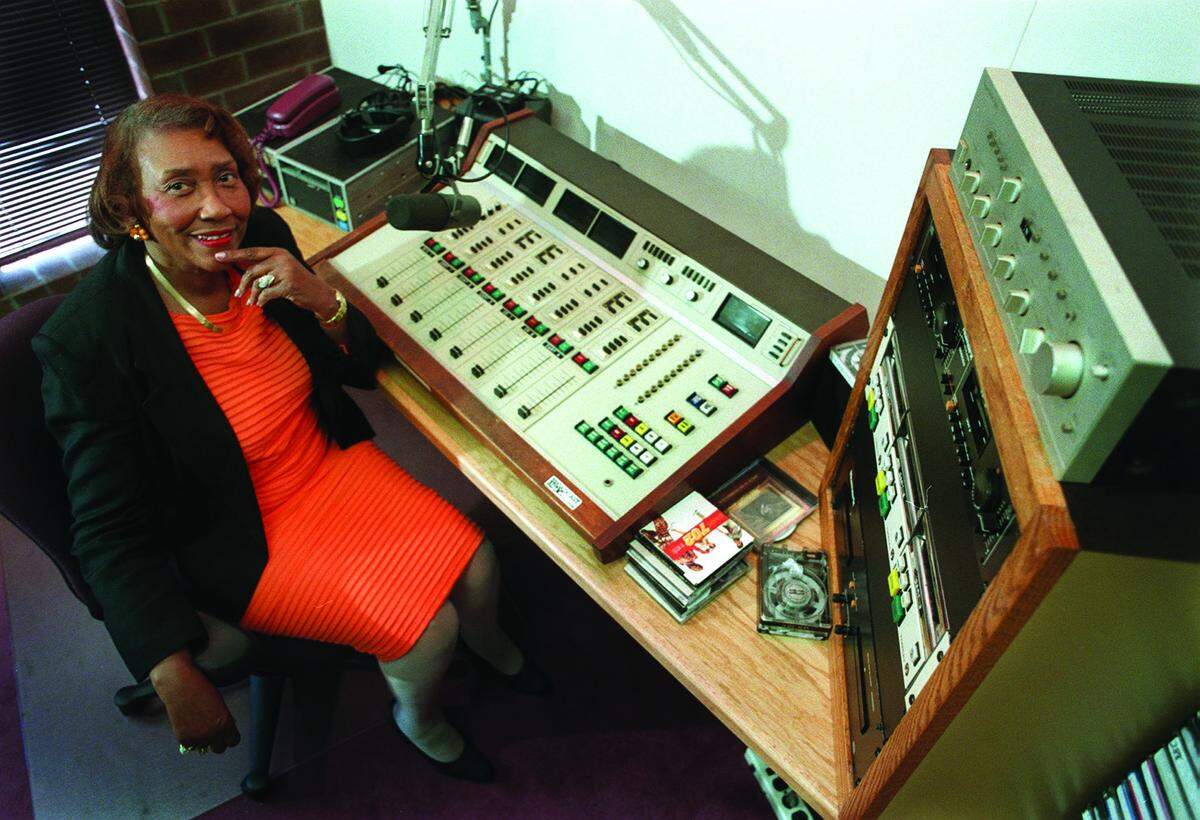
And last year, she told Observer news partner WSOC how she got to know big stars like Harry Belafonte, Sammy Davis Jr., James Brown and Nat King Cole through her prominent role on the radio.
The Observer once described WGIV as “the soul of Charlotte’s black community during segregation.” Leeper was part of the DJ crowd that attracted Black and white teens because the station played R&B and rock n’ roll, which many grown-ups frowned upon at the time.
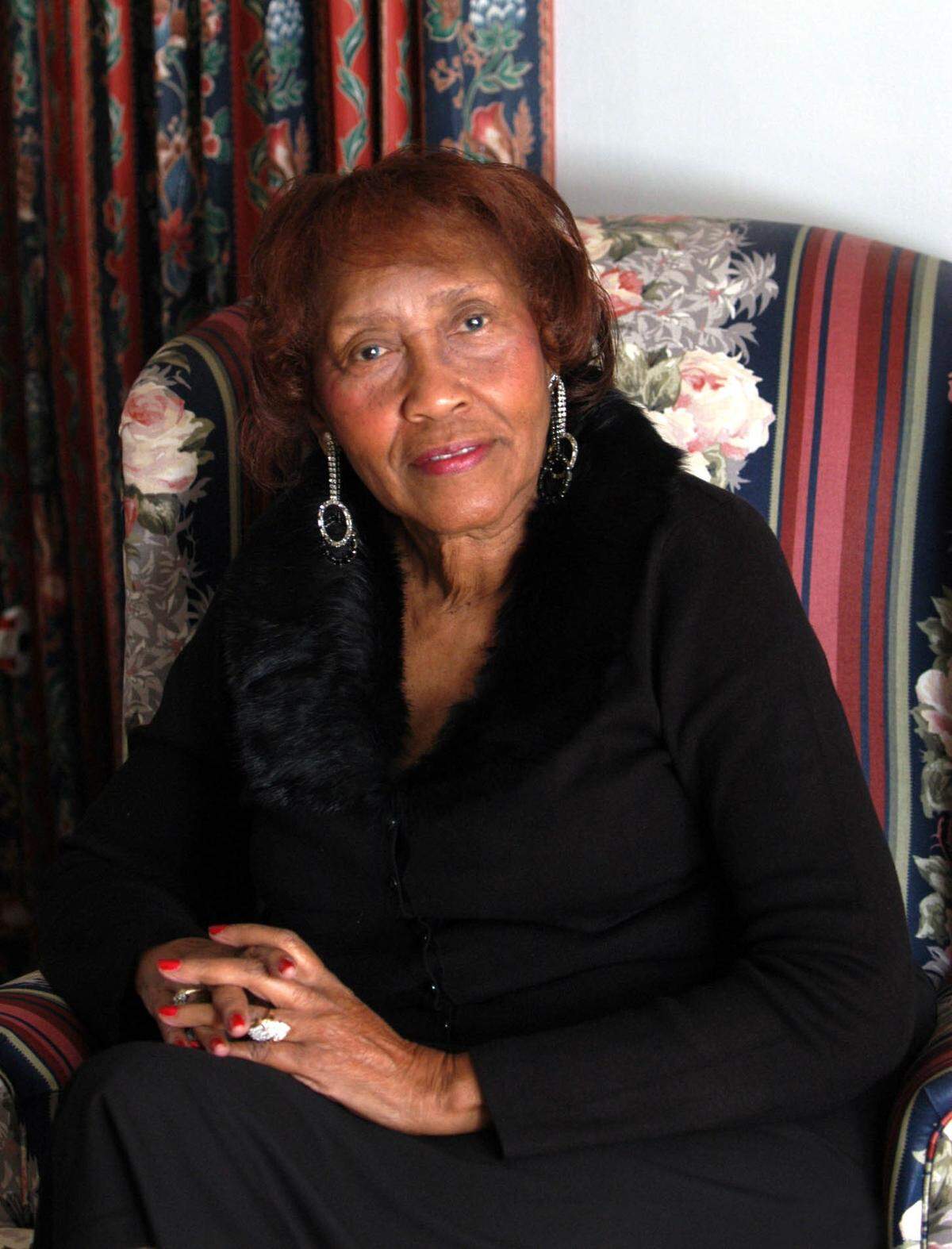
At the height of segregation, when Tina Turner, Mary Wells or Gladys Knight were in town for a show and had trouble finding service elsewhere, they knew they could go to “Chatty Hatty’s” house for some soul food her mother had whipped up, Leeper once told The Charlotte Post. “They could come in, wash their hands, and my mother would feed them until they dropped,” Leeper recalled.
Leeper also self-published her autobiography, “Chatty Hatty: The Legend.” Sometimes, a title says it all.