
The Trick That Makes Dirty, Faded Patio Furniture Look Like You Just Bought It
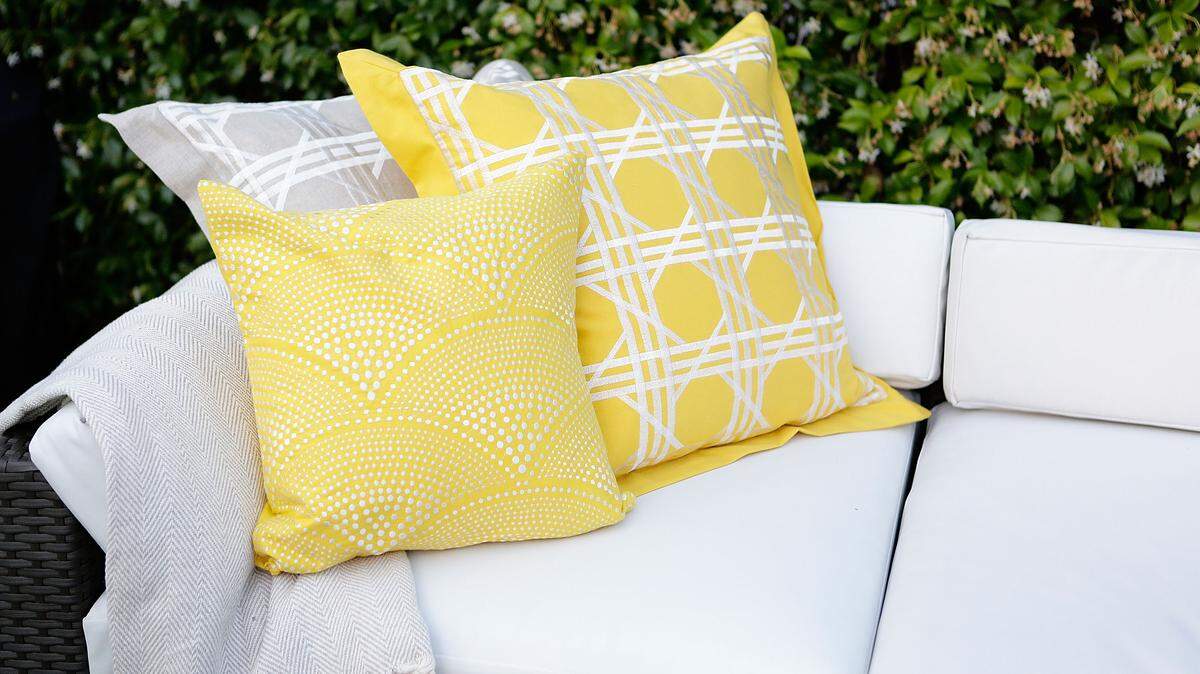
Warmer weather is here, and that means it’s time to tackle one of the most satisfying items on your spring cleaning checklist: reviving your outdoor furniture. After months of sitting through rain, wind and temperature swings, patio chairs, tables and cushions can look grimy and worn. The good news is that a few simple steps can make everything look practically new again.
Here’s your deep cleaning guide, broken down by material so you can work through your patio piece by piece.
Start With a Quick Rinse
Before you grab any cleaning supplies, use a garden hose to spray down every piece of furniture. This removes loose dirt, pollen and debris — and it makes a bigger difference than you might expect. Rinsing first also prevents you from scrubbing surface grime deeper into the material during the cleaning process.
Mix Your Go-To Cleaning Solution
For most patio furniture, you only need two things: warm water and a few drops of dish soap. For tougher buildup, add a splash of white vinegar to the mix. Dip a soft brush or sponge into the solution and gently scrub surfaces down. This basic formula works across nearly every material you’ll encounter outdoors.
Clean Each Material the Right Way
Not all patio furniture responds well to the same treatment. Use this checklist to match your cleaning method to the material.
Plastic and Resin
Use a soft brush with soapy water to scrub down plastic and resin pieces. For stubborn stains, sprinkle baking soda on the surface and scrub lightly. This gentle abrasive lifts discoloration without scratching.
Metal (Aluminum or Steel)
Wash metal furniture with soapy water, then dry it right away. This step is critical — leaving moisture on metal surfaces can lead to water spots or rust, which will undo your hard work quickly.
Wood (Teak, Acacia and Eucalyptus)
Use mild soap and a soft brush, scrubbing in the direction of the grain. Avoid soaking the wood, which can cause warping or damage over time.
If your wooden pieces have seen better days, a more involved restoration may be in order. Kyle Gesuelli, a home improvement expert at Handy, tells HGTV: “If your wooden furniture is weather-worn, begin by using a stiff wire brush to scrub away splintered wood or cracked paint. After the surface is smoothed down, use a putty knife to apply wood filler to repair major cracks and holes, and after the repairs dry, sand the patches down flush with the original piece. After repairs are made, prime and paint the piece, applying finishes in the direction of the wood grain.”
Wicker
Wicker requires a gentler touch. Use a soft brush — or even a toothbrush for tight crevices — and avoid scrubbing too aggressively, which can cause fraying.
For ongoing maintenance, Mick Telkamp with HGTV says: “Keep your wicker clean by regularly wiping it down with a microfiber cloth to remove dust and other detritus. Your vacuum cleaner and trusty crevice attachment are also helpful tools for keeping your wicker in good condition, or you can give it a deep clean with a household steam cleaner. If the coating on your wicker is deteriorating, re-seal it with a paste wax to maintain water resistance.”
Cushions and Fabric
Mix water with mild soap, scrub lightly and rinse. Then let cushions fully air dry in the sun before putting them back on furniture. Putting damp cushions back in place is one of the fastest ways to invite mildew.
Tackle Mildew and Tough Stains
If you spot mildew or especially stubborn stains during your cleaning sweep, you’ll need a slightly stronger approach. Mix 1 part white vinegar with 1 part water, spray the affected area, let it sit for 10 to 15 minutes, then scrub and rinse.
For cushion covers with mildew, Janet Siroto and Sharlene Breakey with Consumer Reports say: “Apply a spritz of distilled white vinegar and a sprinkle of baking soda (for up to 30 minutes). Wash, then air-dry to prevent shrinkage. For mildew stains on cushion covers that aren’t removable, try adding a solution of 1 cup bleach, ¼ cup mild detergent, and 1 gallon of water to a spray bottle. Spritz it on, wait 15 minutes, then scrub with a soft-bristle brush and hose off.”
Rinse and Dry Everything Thoroughly
Once you’ve worked through each piece, give everything a final rinse to remove any soap residue. Then let it all dry completely before using or covering it. This last step is easy to skip but makes a real difference — leftover moisture leads to streaks and creates the damp conditions mildew needs to grow.
This article was created by content specialists using various tools, including AI.