
Before Temperatures Soar in Charlotte, Do These 7 Gardening Tasks or Risk Losing Your Entire Summer Lawn
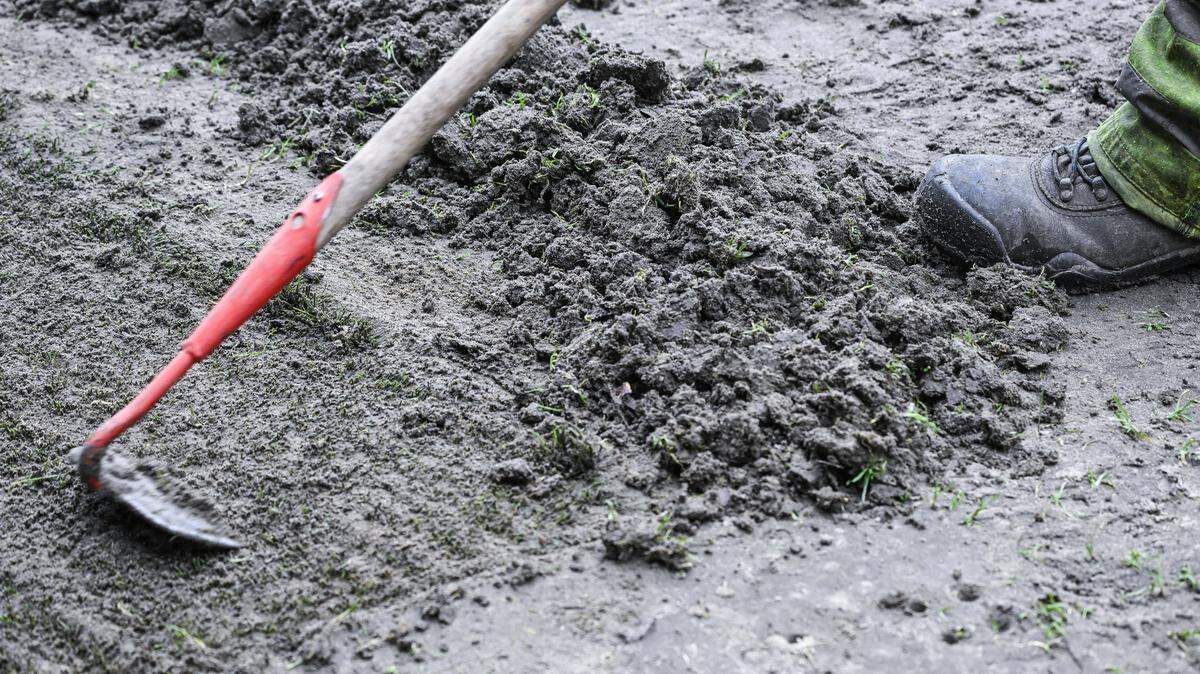
The difference between a yard that thrives through summer and one that struggles often comes down to what happens in the weeks before temperatures spike. If you’ve invested years in your lawn, garden beds and landscape, now is the time to make sure that investment is protected.
These seven tasks — backed by expert guidance — form a practical pre-summer checklist designed to keep your property looking its best when the heat arrives.
Inspect Your Irrigation System and Reset Timers
Your irrigation system is one of your yard’s most valuable assets, and winter can quietly damage it. Leaks, cracked lines and clogged heads that went unnoticed during the off-season can waste water and leave parts of your lawn underserved right when they need moisture most.
Rita Pelczar with Better Homes and Gardens says: “If you have an irrigation system, check to make sure your system does not have leaks or blockages that may have developed over winter. If you winterized the system, reconnect it and flush it out, then run it to be sure it’s operating correctly. Finally, be sure your timers are set to the appropriate schedule.”
Walk each zone while the system runs. Look for pooling water, misting spray heads or dry spots that suggest a blockage. Adjusting your timer schedule now — rather than reacting mid-July — means your lawn gets consistent coverage from day one of the hot season.
Prune Flowering Plants at the Right Time
Pruning is one of those tasks where timing matters as much as technique. Cut too late and you risk removing the buds that would have become next year’s blooms. Cut too early and you may stress the plant before it’s finished flowering.
Pelczar also says “The ideal time to prune them is immediately following their blooming season so you remove unwanted growth without sacrificing next year’s flowers. Remove any dead or damaged branches or branches that cross and rub against each other.”
Apply Mulch to Garden Beds
Mulch helps soil retain moisture, keeps roots cooler and reduces how often you need to water. A 2–3 inch layer around plants can make a noticeable difference once temperatures climb.
For homeowners who already mulch annually, the key is maintaining that 2–3 inch depth without piling it against plant stems or tree trunks. Replenishing beds now means your soil is insulated before the first heat wave, not after damage has already started.
Choose the Right Fertilizer for Your Grass Type
This is where many homeowners — even experienced ones — can make a costly mistake. Not all fertilizers work the same way on all lawns, and applying the wrong product can do more harm than good.
Kelly Burke at The Spruce says: “When choosing lawn fertilizer, there are a lot of options. The first step in picking out fertilizer is figuring out which type of grass you have. Fertilizers will be labeled for specific grasses, usually categorized as ‘cool season’ and ‘warm season’ grasses. Make sure that the grass in your lawn is represented in the product.”
If you’ve never identified your grass type, this is the year to do it. Cool-season grasses and warm-season grasses have fundamentally different growth cycles and nutrient needs. Selecting the correct formulation ensures your lawn gets what it needs heading into its most demanding months.
Weed Garden Beds and Lawn Edges
Weeds grow fast once temperatures rise, so tackling them early keeps them from taking over. Pulling them now also means your plants won’t have to compete for water and nutrients once the heat kicks in.
For a homeowner focused on curb appeal and property value, clean bed edges and weed-free borders signal a well-maintained home. Spending an hour on this task now can save you several hours of more difficult removal later in the season.
Sharpen and Clean Your Yard Tools
Dull mower blades, weed pulling tools and clogged trimmers make yard work slower and less effective. Take the time now to clean, oil and sharpen tools to make every task faster once summer maintenance rolls through.
Sharp mower blades, in particular, make a visible difference. Clean cuts help grass heal quickly, while ragged tears from dull blades leave your lawn vulnerable to disease and browning — exactly the problems you don’t want compounding in summer heat.
Test Your Soil and Add Compost if Needed
Poor or compacted soil holds less moisture, which becomes a bigger issue in summer. Adding compost now helps improve drainage and moisture retention before temperatures rise.
But before you add anything, consider testing first. Dan Diclerico explains how to test your soil at Good Housekeeping: “A soil test is a method for determining two key factors: the relative acidity of the soil (known as ‘pH’) and the level of essential nutrients present, including phosphorus and potassium. The results of a soil test are critical for preparing the soil at the start of the growing season and figuring out how much, if any, fertilizer to apply.”
The Bottom Line
None of these tasks require a weekend-long project. Most can be knocked out in a few focused hours across a couple of weekends. The payoff, however, lasts all season: a yard that handles heat efficiently, looks sharp from the street and protects the value you’ve built over years of careful maintenance.
This article was created by content specialists using various tools, including AI.