Springtime Stress? It’s The Perfect Time Clean Up Your Finances — Here’s 5 Ways to Start
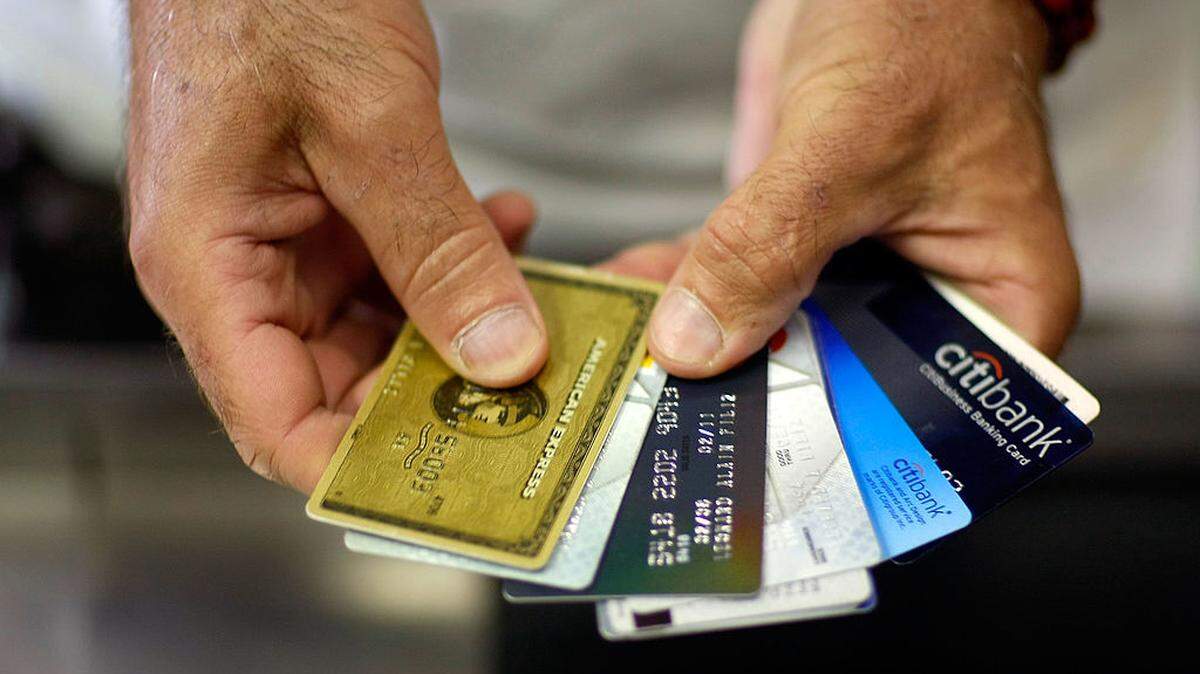
Money stress is at near-record levels right now. Nearly 9 in 10 U.S. adults reported feeling some form of financial stress at the start of 2026, and 77% said they experienced a financial setback in 2025, per a January 2026 NEFE poll.
A 2025 Northwestern Mutual study found nearly 70% of Americans say financial uncertainty has made them feel depressed and anxious. That’s not a money problem in isolation. It’s also a health problem. Spring is when most people want a fresh start. The good news is you don’t need a complete financial overhaul to feel better about your money. A few targeted changes can meaningfully reduce that background stress. Here’s where to start.
Audit Your Subscriptions First
It’s the fastest win available. Americans waste around $205 a year on unused or forgotten subscription services, according to a 2025 YouGov survey conducted for CNET. The average adult pays about $1,080 a year in total subscription costs. A 20-minute scan of your bank and credit card statements can surface charges that have been quietly draining money for months. Cancel anything you haven’t used and redirect that money somewhere intentional.
Pull Your Free Credit Report
AnnualCreditReport.com provides free reports from all three bureaus once per year. Spring is a natural time to pull yours, check for errors and dispute anything inaccurate. Errors are more common than most people realize and can affect your loan rates and credit approvals without you knowing it.
Compare Your Budget to What Actually Happened
Pull three months of real spending and compare it to what you expected to spend. Most financial planners recommend at least a quarterly check-in, per Fidelity. If you don’t have a formal budget, the 50/30/20 rule is a simple starting point: roughly 50% to needs, 30% to wants and 20% to savings and debt repayment. The goal isn’t perfection, just more visibility.
Have a Plan for Your Tax Refund Before It Arrives
If you’re expecting a refund, deciding what to do with it before it hits your account prevents impulse spending. April 15 is also the deadline to make IRA and HSA contributions that count toward your 2025 tax return, per Fidelity. Even a small contribution now compounds meaningfully over time.
Don’t Overlook the Small Stuff
CFP Gerald Grant III, quoted in CNBC, puts it plainly: it’s often the $8 coffee and the $18 lunch that push people over budget, not the big expenses. Putting small daily spending on a single card makes it visible and trackable in a way that splits across multiple accounts simply can’t.
You don’t have to do all of this at once. Picking one or two of these to address this spring is a real step and the kind of thing that quietly reduces the financial anxiety most people are carrying around right now.
This article was created by content specialists using various tools, including AI.