
Your Windows Aren’t the Problem — Dirty Screens Are What’s Really Ruining the Clean Look
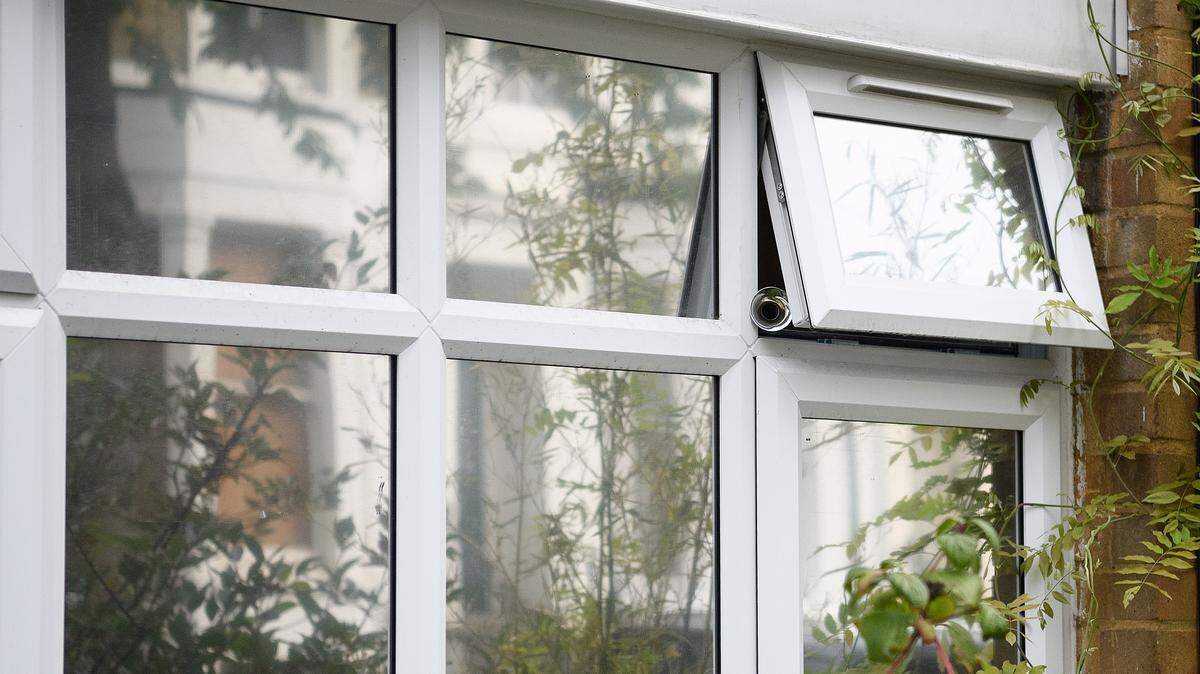
Dirty window screens are one of those things you stop noticing until the spring light hits them just right. Then suddenly, every speck of pollen, dust and grime is impossible to ignore.
The good news: cleaning them takes minimal supplies and very little time. Here’s a step-by-step guide to get every screen in your home looking clear before summer humidity sets in.
Remove the screens carefully
Start by lifting or sliding each screen out gently. Most are lightweight but bend easily, so handle them with care.
If you’re pulling screens from multiple rooms, grab a roll of painter’s tape and a marker. Label each screen so it goes back in the right spot when you’re done. This saves a frustrating guessing game during reinstallation — especially in homes where windows look similar but vary slightly in size.
Lay removed screens flat on a clean drop cloth, towel or patch of grass where they won’t get scratched or stepped on.
Start with a dry clean
Before you introduce any water, remove loose debris first. Use a soft brush, a microfiber cloth or a vacuum with a brush attachment to sweep away dust, pollen and anything else clinging to the mesh.
This step matters more than you might think. Adding water too soon can turn dry dust into a muddy residue that’s harder to remove than what you started with. A quick dry pass prevents that mess entirely and makes the washing step far more effective.
Pay attention to the frame edges and corners, where cobwebs and debris tend to collect over the winter months.
Rinse with low-pressure water
Once the loose stuff is gone, give each screen a rinse. A garden hose on a gentle setting works well for this.
Spray from top to bottom so the water pushes dirt out and away from the mesh rather than driving it deeper in. Keep the pressure low. A power washer or even a strong nozzle setting can stretch or tear delicate screen material, turning a simple cleaning task into an expensive repair.
If you don’t have outdoor hose access, you can rinse screens in a bathtub or use a spray bottle filled with clean water for smaller screens.
Wash with a mild cleaning solution
Now it’s time for the actual scrub. Mix warm water with a few drops of dish soap — that’s all you need. Pauline Lacsamana with The Spruce writes: “The best soap to clean window screens is one you most likely have in your home already: liquid dish soap.”
Dip a soft brush or sponge into the solution and gently scrub both sides of each screen. Focus on corners and edges where buildup tends to collect the most.
Use caution around any areas that show wear. Kathy Cohoon, the director of franchise operations of Two Maids, tells author Madeline Buiano at Martha Stewart: “When cleaning window screens, focus on any areas with built up grime and use extra caution around areas with patches or damage.”
If your screens are particularly greasy or haven’t been cleaned in a while, let the soapy water sit on the mesh for a few minutes before you start scrubbing. That soak time helps break down stubborn grime so you don’t have to apply extra pressure that could damage the screen.
Rinse thoroughly and let them dry
After scrubbing, give each screen a final rinse to remove all soap residue. Shake off the excess water, then either lean the screens upright against a wall or lay them flat in a spot with good air circulation.
Let them air dry completely before reinstalling. This part is easy to rush, but putting damp screens back into window frames can trap moisture between the screen and the glass. That trapped moisture creates the perfect environment for grime buildup — and in humid weather, it can lead to mildew.
Tips to keep screens cleaner longer
A few simple habits can extend the life of your work and keep screens in good shape between deep cleans:
- Clean on a dry, breezy day so screens dry faster and you avoid working in direct heat.
- Aim to wash your screens two to three times a year, or more often if you live in a dusty area or somewhere with heavy pollen seasons.
- Add screen cleaning to your spring and fall deep cleaning checklists so it becomes routine rather than an afterthought.
- Between full washes, a quick pass with a dry microfiber cloth or vacuum brush attachment can keep screens from accumulating heavy buildup.
The bottom line
Window screen cleaning is one of the easiest wins on any spring cleaning list. It takes about 30 minutes for most homes, requires supplies you already own and makes a noticeable difference in how much light and fresh air flow into your rooms. Work it into your room-by-room cleaning routine this season and you’ll notice the difference every time you open a window.
This article was created by content specialists using various tools, including AI.