
These Outdoor Home Checks Could Save You Thousands—But Most Homeowners Skip Them Every Year
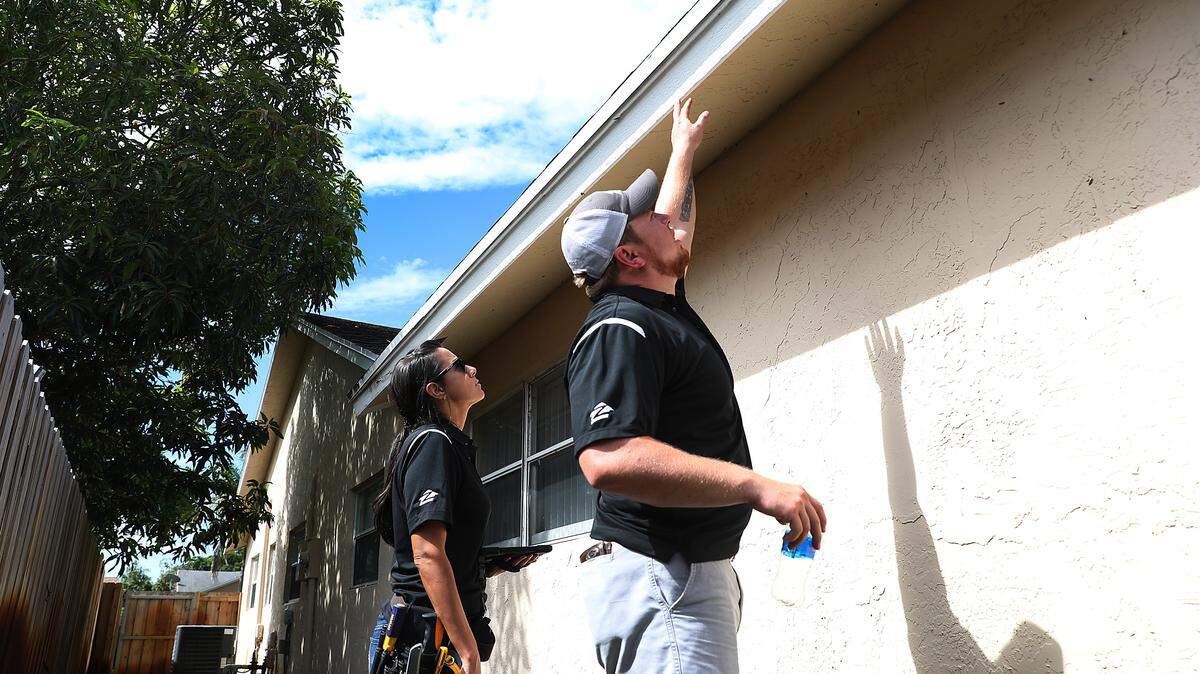
Most homeowners know the basics — mow the lawn, trim the hedges, clean the patio. But there’s a quieter category of outdoor maintenance that rarely makes the weekend to-do list, and skipping it can lead to repair bills that run into the thousands.
If you’re the type who optimizes your routines, tracks your spending and stays ahead of problems before they spiral, this checklist is for you. These are the exterior home maintenance tasks that experts say most people overlook — and the ones that deliver the biggest return when you actually do them.
Clear and clean your gutters
It’s not glamorous, but it might be the single highest-impact task on this list. Clogged gutters can lead to water damage along your roofline, foundation issues and interior leaks — all of which are far more expensive to fix than the time it takes to clear them out.
Becca Stanek with The Week says: “By checking the gutters to ensure proper drainage and clearing out any debris like leaves or bird nests that may be preventing it, you can avoid the chance of those much more costly, involved repairs.”
If you care about protecting your home’s value with minimal effort, this is step one.
Get your AC system checked every spring
Here’s a pattern worth breaking: waiting until your HVAC system breaks down to call a professional. A proactive spring checkup ensures your system is running efficiently before peak summer demand — and that efficiency translates directly into lower monthly energy bills.
Ben Baca told U.S. News & World Report as noted in The Week: “Many people don’t consider having a professional maintain their HVAC equipment until it’s too late and a breakdown has already occurred.”
Checking every spring helps give you peace of mind that your system is running as efficiently as possible, which can in turn save a ton of money monthly.
Inspect your roof for damage
Tough winters can cause significant damage to your roof, including damaged or missing shingles as well as leaks. The problem is that roof damage often goes unnoticed until water is already making its way inside your home, at which point you’re dealing with a far more complex and costly repair.
A visual inspection from the ground — or a professional assessment — after a harsh season can catch small problems before they become major ones.
Blow out your soffit vents
This is one of those tasks that almost nobody thinks about but quietly affects both your energy costs and the longevity of your roof. Soffit vents play a key role in regulating attic airflow, and when they get clogged with debris, your home works harder to stay comfortable.
Ethan O’Donnell for Family Handyman says: “Blow out debris from your soffit vents to maintain good attic ventilation. It’ll save on air conditioning costs in summer and protect your roof from condensation in winter.”
That’s a two-season benefit from a single task — a smart trade-off for anyone optimizing their home upkeep.
Clean your weep holes
If you’ve never heard of weep holes, you’re not alone — but they’re doing important work. These small openings are usually located on the exterior bottom of your outdoor window frames and are designed to drain water away from the frame. Over time, they can become clogged with debris from rain, dirt and pollen.
O’Donnell also recommends testing them with a simple method: “To make sure your weep holes are working properly, spray the outside of the window with a garden hose – a steady stream of clean water should exit from the holes. If it doesn’t, use a wire hanger or compressed air to force the blockage out. Re-test with fresh water to ensure they’re completely cleaned.”
Clean and test outdoor lighting
This one is straightforward but easy to let slide. Replace burned-out bulbs and wipe fixtures clean. If you have solar-powered lights, check that the panels aren’t blocked by dirt or debris. Functional outdoor lighting isn’t just about aesthetics — it affects safety and security around your property.
Check exterior caulking and seals around windows and doors
Worn or cracked caulk around your windows and doors can let in moisture and cause air leaks, increasing your energy bills. A quick walk around your home’s exterior can reveal areas where the seal has broken down. Recaulking is an inexpensive fix that pays for itself in energy savings.
Clean and secure outdoor vents and exhaust covers
Dryer vents, HVAC exhausts and attic vents should be free of debris and not blocked by plants or nests. This is a task that affects both your indoor air quality and the efficiency of your home’s systems.
Dailey Quinn with Southern Living says: “There are a few reasons why you should clean your air vent covers every once in a while. Controlling dust and allergies is a big reason, as well as increasing the HVAC efficiency, too.”
If you’re optimizing for cleaner air, quieter systems and lower energy costs, this one check addresses all three.
The bottom line
None of these tasks require special expertise or expensive equipment, yet most homeowners skip them entirely. Taken together, they form a simple exterior maintenance routine that can prevent thousands of dollars in avoidable repairs while keeping your home running more efficiently season after season.
This article was created by content specialists using various tools, including AI.