
Easy Plant Updates That Give Any Outdoor Space a More Intentional, Designer Look
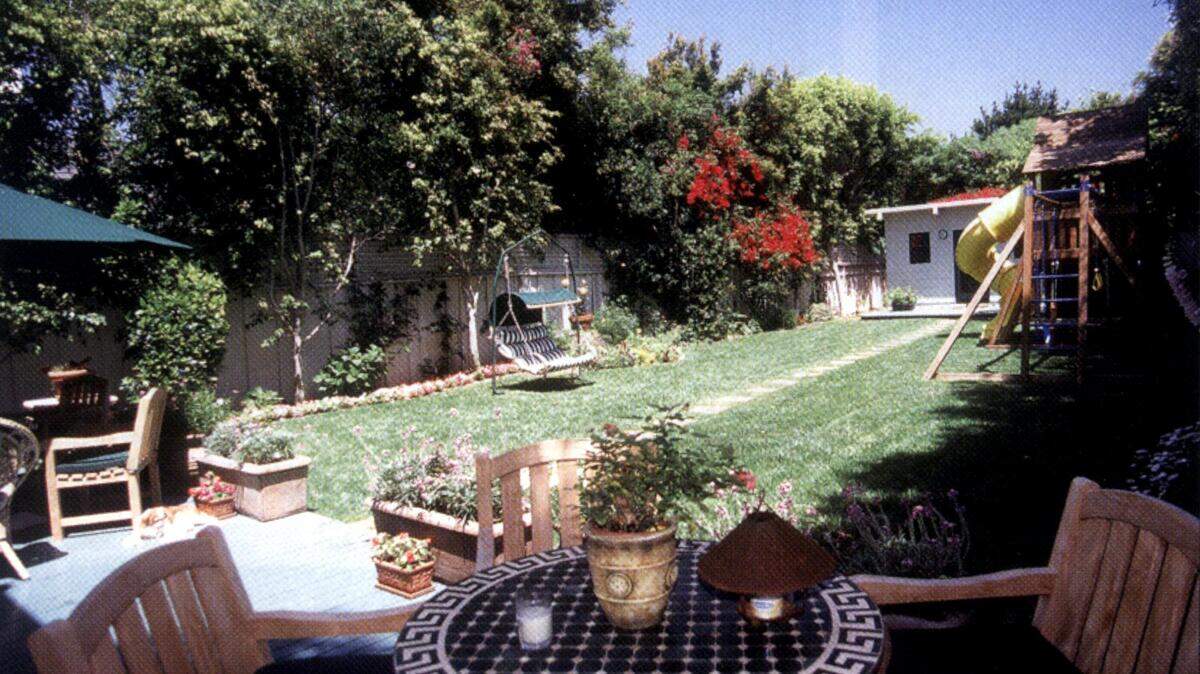
You have spent years learning what grows well in your soil, which perennials return reliably each spring and how to coax blooms from even the fussiest shrubs. But if your outdoor space still feels more patchwork than polished, the issue likely has nothing to do with your green thumb. It may be a design problem — and the good news is that landscape professionals say a handful of simple shifts can make a mature garden look remarkably more intentional.
The best part? Most of these changes do not require buying a single new plant.
Create a sense of arrival
One of the most overlooked opportunities in a home garden is the entryway. Kevin Lenhart, design director at Yardzen, tells Blythe Copeland with Martha Stewart: “An ornamental gate or arched entry gives the garden a sense of arrival and separation from the rest of the yard. This simple addition can provide charm and structure!”
For gardeners who have spent decades refining beds and borders, an architectural element like an arched entry or trellis can serve as the visual frame your plantings deserve. It draws the eye forward and signals that the space beyond is something curated — not accidental.
Group plants instead of spacing them out
If you have been placing individual pots evenly along a patio or walkway for years, consider a different approach. Moving single containers into clusters of three to five — with varying heights — immediately creates visual depth. Add a statement plant as a focal point, such as a tall grass, palm or sculptural shrub, placed in a key visual spot. Everything around it will feel more organized.
This principle extends well beyond aesthetics. Grouping plants, particularly native species, carries real ecological weight. BioDiversityWorks explains: “When flowers of the same species are planted in dense patches, pollinators can forage more efficiently, gathering nectar and pollen without wasting energy flying between scattered blooms. This ‘clumping’ strategy supports higher rates of pollination and helps pollinators conserve their energy for reproduction and nest-building.”
For gardeners who already care about supporting wildlife, this is a meaningful reason to rethink plant placement. Clumping native flowers rather than scattering them across the yard does more for pollinators than adding any single new species could.
Repeat the same plant for structural cohesion
One of the simplest tricks professional landscape designers rely on is repetition. Using the same plant in multiple spots — along a fence line, beside a walkway or edging a patio — creates a visual rhythm that ties the entire garden together. It is the kind of design discipline that separates a curated space from a collection of plants that happen to share a yard.
If you have a favorite reliable performer that thrives in your conditions, consider propagating or dividing it and placing it at regular intervals. The effect is immediate and surprisingly transformative.
Layer plants in empty corners
Unused corners of the garden or patio often become dead zones. A layered approach can bring them to life without complexity. The idea is straightforward: place one tall plant, one medium plant and one trailing or low plant together. This creates a composition with depth and dimension rather than a single lonely specimen.
Frame your outdoor living spaces
Flanking outdoor seating areas with greenery is another move that elevates a garden’s design. Place plants on both sides of patio sofas, chairs or dining tables. This framing technique makes the space feel more enclosed and intentional, turning a functional seating area into a garden room.
Unify your containers
Over the years, most gardeners accumulate a motley collection of pots — the terra cotta from a garden center trip, the plastic nursery pot that never got swapped, the novelty planter from a gift shop. Switching mismatched pots for containers in similar colors or materials instantly upgrades the look of a space without changing a single plant. Terra cotta, black, white or woven textures all work well as a unifying palette.
You do not even need to buy new containers. Refreshing tired pots with a coat of spray paint, a good cleaning or simply regrouping them in new arrangements can make a striking difference.
Think in zones
Professional designers organize outdoor spaces into distinct areas — a dining zone, a lounge zone, a garden edge. Moving plants to support these zones gives each area a clear identity and makes the overall garden feel more considered. It is less about rigid borders and more about using plantings to signal transitions.
Build height with structures
Finally, do not underestimate the power of vertical elements. Alexander Betz, landscape designer with Plant by Number, says in Martha Stewart: “Even without climbing plants, these structures create height and architectural beauty, acting as focal points in the garden. If you do have climbing plants, such as clematis, climbing roses, and star jasmine, placing these pieces nearby will allow them to grow vertically and create an even more beautiful space.”
Trellises, obelisks and arbors add a dimension that plantings alone cannot achieve. For gardeners who already have climbers established in the yard, pairing them with the right structure is one of the most rewarding upgrades available.
The thread running through all of these ideas is the same: you probably already have the plants. What changes everything is how you arrange them.
This article was created by content specialists using various tools, including AI.