High-Yield Savings Account or Invested? How To Split Your Money Wisely So Every Dollar Has a Job
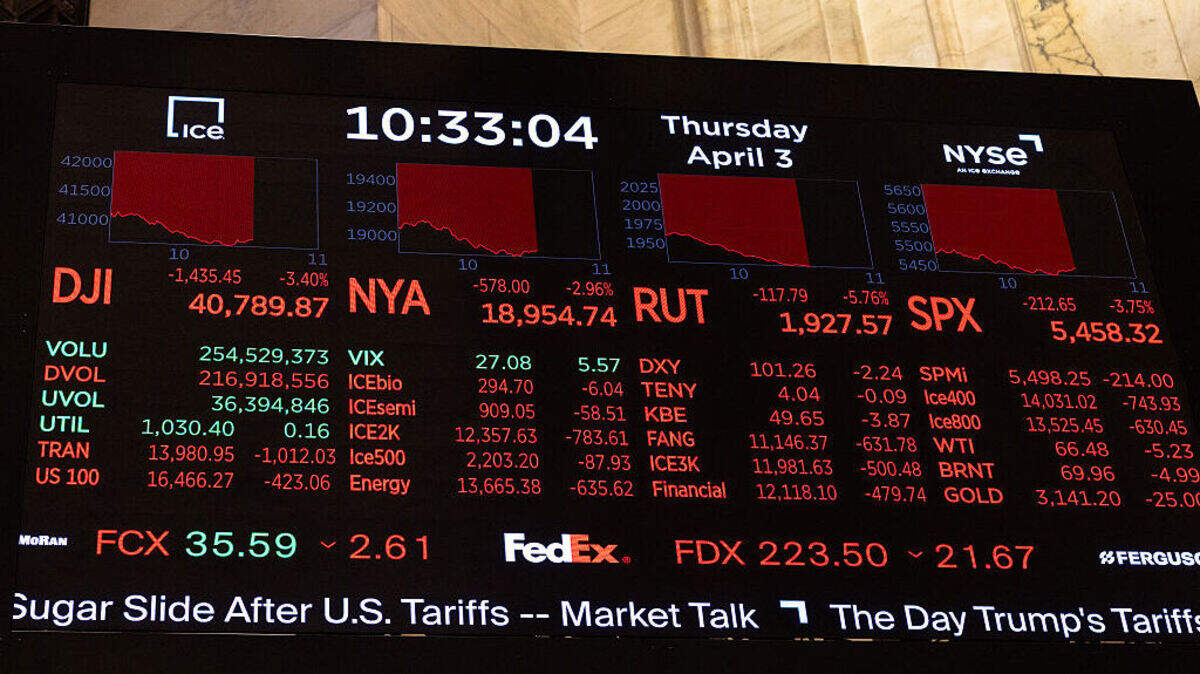
You have a down payment to save for, tuition bills on the horizon and a retirement account that needs to keep growing. Markets feel shaky, and a high-yield savings account earning 4-5% APY sounds like a smart safe harbor. But putting the wrong dollars in the wrong place could cost you more than any market swing ever would.
Here’s how to figure out which money belongs where right now.
Why This Money Moment Feels So Complicated
Wall Street is genuinely divided on what comes next. Goldman Sachs has warned of a stagflation-like effect as inflation risks rise even as growth slows, per Yahoo Finance’s April 2026 reporting. J.P. Morgan now expects the Fed to hold rates steady through all of 2026, with its next move likely a rate hike in 2027. The Fed’s own March 2026 projections point to just one more cut this year. That wide disagreement between major institutions tells you something important: nobody knows exactly what happens next, which is exactly why a framework matters more than a gut reaction.
What a HYSA Actually Earns You Right Now
Top HYSA rates as of April 2026 reach up to 5.00% APY from Varo Money, 4.21% from Axos Bank and 4.20% from Newtek Bank and Wealthfront per Fortune — more than 10 times the national average of 0.38%.
That sounds great. But core inflation was running at approximately 2.8% as of early 2026 per Goldman Sachs research, meaning even the best HYSA rate is only beating inflation by about two percentage points before taxes. Since HYSA interest counts as taxable income, your real after-tax return is narrower than the headline number suggests — especially if you’re in a higher bracket.
The window is also shrinking. The Fed cut rates three times in late 2025 and its own projections signal at least one more cut this year. HYSA deposits are FDIC-insured up to $250,000 per depositor with zero market risk, which is genuinely valuable — just understand what you’re getting: protection and modest growth, not long-term wealth building.
Why Your Invested Dollars Should Probably Stay Invested
A HYSA is a savings tool, not an investment vehicle. The stock market’s historical average annual return is approximately 10% over long periods. A HYSA paying 4-5% today will likely be at 2.5-3% within 12–18 months as rates continue falling. The S&P 500 has never produced a negative total return over any rolling 20-year period, and in 65% of past periods of significant market uncertainty stocks showed gains one year later.
J.P. Morgan Wealth Management is direct on this point: HYSA returns have not historically kept pace with inflation over long periods, which is why financial advisors don’t recommend them as retirement savings vehicles. If your time horizon is 10 or more years — which applies to most retirement accounts for those under age 50 — moving money into a HYSA out of fear rather than a specific short-term need is a form of market timing that rarely works out.
Which Dollars Go Where
Use time horizon as your sorting mechanism. It cuts through most of the noise.
Move money to a HYSA if you don’t yet have a three-to-six-month emergency fund, you need it within one to three years (a down payment or tuition payment, for example) or you’ve already maxed your employer matching contributions and your near-term needs aren’t covered.
Keep money invested if your time horizon is 10-plus years, you haven’t yet captured your full employer 401(k) match, or you’re moving based on anxiety rather than an actual upcoming cash need.
The Order That Makes Sense for Most Households
- 401(k) contributions up to the full employer match first — a 50-100% instant return that no savings account rate can touch
- HYSA emergency fund covering three to six months of living expenses
- Increase 401(k) contributions toward the $24,500 limit for 2026, plus an $8,000 catch-up if you’re 50 or older
- IRA contributions up to the $7,500 limit in 2026 for additional tax-advantaged retirement savings
For a household weighing a college fund against retirement contributions, this order matters. The employer match is free money. The HYSA protects dollars you’ll need soon. The increased 401(k) and IRA limits for 2026 give you more room to keep long-term money working through market volatility rather than sitting in a savings account earning a rate that’s already on its way down.
A HYSA earning 4-5% is a strong tool. Just make sure it’s doing the job it’s actually built for.
This article was created by content specialists using various tools, including AI.