No Mow May, Explained: Why Some People Are All-In — and Others Are Pushing Back
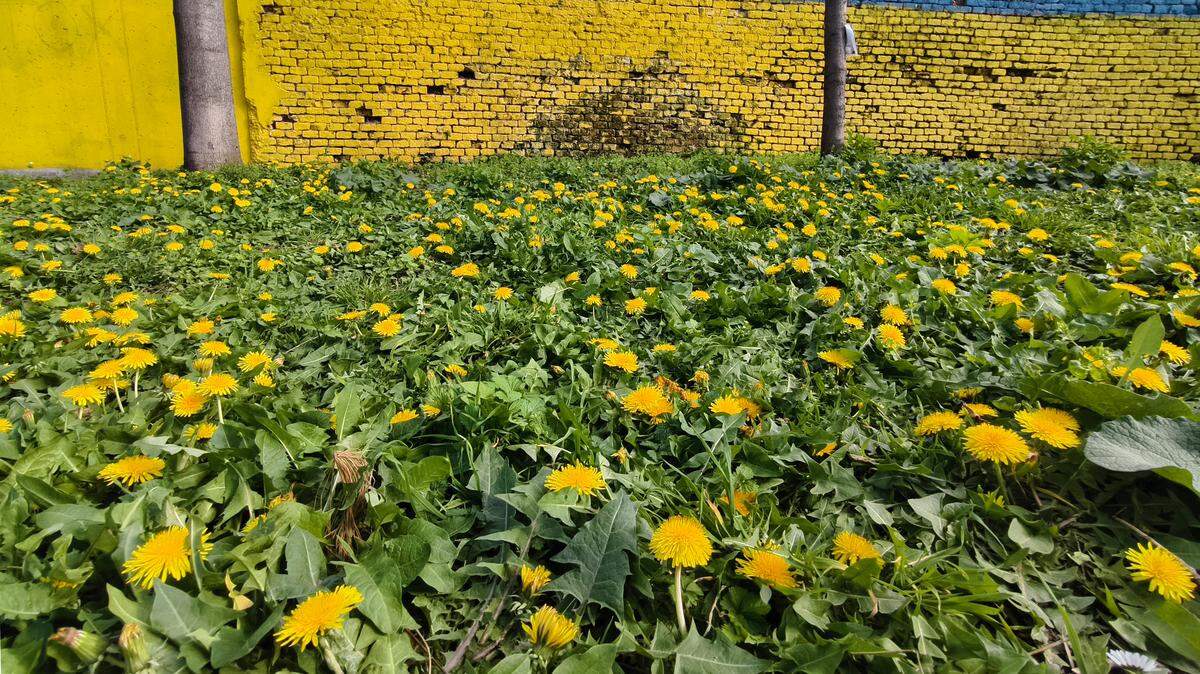
If you take pride in a tidy, well-kept yard, the spring sight of dandelions popping up across your turf probably feels less like a charming wildflower display and more like a call to action. Sprays, hand tools and weekend hours — whatever it takes to keep the lawn looking sharp.
Then along came “No Mow May,” the campaign asking homeowners to put the mower away for an entire month to help pollinators — including dandelions. Suddenly, the neighbor with the knee-high grass had the moral high ground, and tidy lawns were cast as the bad guys.
But here’s the thing: the science behind that argument isn’t as settled as you may have been told. And now dandelions are stuck in the middle of one of spring’s biggest debates.
The retracted study behind the ‘No Mow May’ trend
Much of America’s enthusiasm for “No Mow May” traces back to a study published in 2020 that suggested households participating in the trend had three times more bee species and five times higher bee abundance than households that didn’t.
The numbers were eye-popping — and they helped turn a U.K. campaign into a U.S. social-media movement almost overnight.
But in 2022, that study was retracted “after finding several potential inconsistencies in data handling and reporting,” according to Oregon State University’s Garden Ecology Lab.
The headline statistic that powered the trend, in other words, no longer stands.
What ‘No Mow May’ actually is
The campaign was started in 2019 by Plantlife, a U.K. nonprofit working to restore meadow habitats. It was later adopted in the United States by Bee City USA, which frames it as a way to help newly emerged native bees in early spring.
“The start of the growing season is a critical time for hungry, newly emerged native bees. Flowers may be hard to find. By allowing it to grow longer, and letting flowers bloom, your lawn can provide nectar and pollen to help your bee neighbors thrive,” Bee City USA writes on its website.
The goal is sympathetic. The execution, lawn experts say, is where things get complicated.
Why turf experts push back on ‘No Mow May’
Grass that goes unmowed for a full month can grow 10 to 12 inches tall. That’s a problem for the health of your lawn — not just its appearance.
Cutting more than a third of the grass blade at once in June can shock the turf and compromise its health heading into summer, the season when lawns are already under stress from heat and drought. In other words, the dramatic “catch-up” mow at the end of May may set your yard back for months.
There’s also the question of whether dandelions are even the pollinator superfood the trend implies. The University of Minnesota Extension notes that the overall quality of a dandelion’s nectar and pollen is debated. After all, common early-flowering lawn weeds are an incomplete source of nutrition for pollinators — more of a lifeline than a balanced meal.
That nuance tends to get lost in the love-them-or-hate-them debate.
The case dandelions still make for themselves
To be fair, any honest answer to what is dandelion good for has to acknowledge a few real dandelion benefits. According to the Maine Organic Farmers and Gardeners Association (MOFGA), their taproots can reach as far as 15 feet down, pulling up calcium and other nutrients that shallower-rooted plants can’t access.
National Geographic notes those same taproots can loosen compacted soil and help rainwater soak in rather than run off. The greens are nutrient-dense, too. Registered dietitian Nancy Geib, RD, LDN, told the Cleveland Clinic that dandelions are “probably the most nutritionally dense green you can eat — outstripping even kale or spinach.”
Worth noting if you’re a forager. Less compelling if you’re trying to keep a fairway-grade backyard.
How to remove dandelions without going scorched-earth
If you do want to remove dandelions, the herbicide route comes with trade-offs worth knowing. MOFGA estimates seven million wild birds die annually from lawn pesticide use, and the U.S. Fish and Wildlife Service has noted that homeowners “use up to 10 times more chemical pesticides per acre on their lawns than farmers use on crops.”
That doesn’t mean you have to live with a yellow lawn. Many homeowners who want to kill dandelions opt for spot-treating with non-harmful products or pulling them by hand with a long taproot tool — both of which avoid blanketing the entire yard.
The bottom line for your yard
The dandelion debate is ultimately a matter of personal preference, and that includes the freedom to prefer a mowed lawn. Some people simply don’t like the look of grass that’s been left to grow wild — and as the University of Minnesota Extension and others have made clear, mowing on a regular schedule isn’t the environmental villain the loudest voices online have suggested.
After all, it’s your lawn. If keeping it trim brings you satisfaction — and keeps your turf healthy through summer — that’s a perfectly valid choice this spring.
This article was created by content specialists using various tools, including AI.