Mold Could Be Spreading Through Your Home Right Now Without Knowing It. Here’s How to Tell
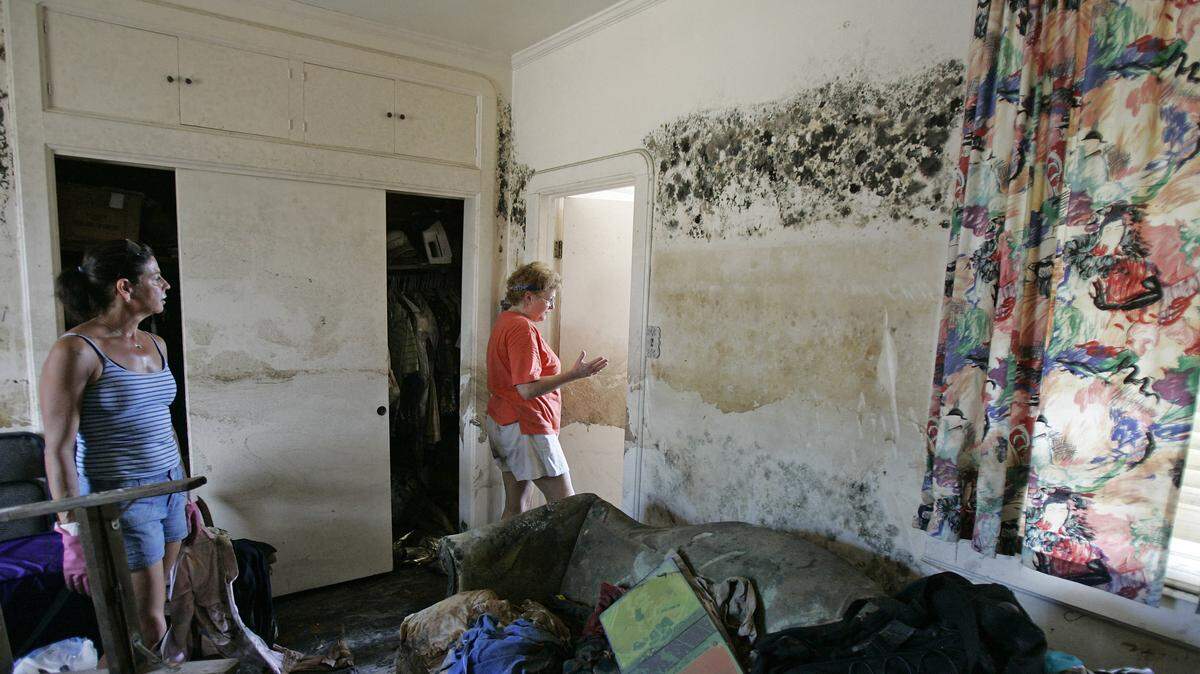
Mold can take hold of a home in as little as 24 to 48 hours — long before most people realize anything is wrong. Catching the signs of mold in your house early is the difference between a minor cleanup and a problem that damages your walls, your belongings and your family’s health.
The challenge is knowing what to look for. Mold doesn’t always announce itself with the obvious black patches you imagine. Sometimes it hides behind wallpaper or under floorboards, quietly triggering coughs, headaches and asthma attacks while you blame seasonal allergies.
Using your senses to spot signs of mold in house
A thorough mold inspection doesn’t require special equipment — just your eyes, nose and body.
Start by looking. “Mold comes in different colors and textures, from black and green to white and yellow,” Mark Brunke, senior plumber at John the Plumber in Florida, told Southern Living. “If you spot any patches on surfaces like walls or ceilings, it’s likely mold.”
Then use your nose. Some mold makes itself known through smell before it’s ever visible. “That musty smell? It’s a sure sign of mold or mildew. It’s caused by the release of compounds produced by mold and bacteria,” Cullen Powell, owner of ProGrade Builders in Memphis, told Southern Living. “Fix the moisture issue and improve ventilation to get rid of it.”
Finally, listen to your body. We breathe in small amounts of mold all the time — the trouble starts when concentrations climb too high. “Mold can trigger allergies, asthma attacks, and other respiratory problems. It’s especially risky for kids, the elderly, and anyone with a weakened immune system,” Brunke told Southern Living.
9 most common signs of mold in your house
Now that you know how to use your senses during a mold inspection, here are the specific red flags to watch for. Some are obvious, others are easy to overlook — but any one of them is worth investigating further.
- Visible patches in black, brown, green, blue-green, white, yellow or orange — fuzzy or powdery in texture
- Wall discoloration, including yellow or brown stains
- Warped or bubbling paint
- Leaks or moisture around pipes, windows or roofs
- Condensation in bathrooms, basements or crawl spaces
- Cracks in walls, soft spots in floors or uneven flooring
- A musty, damp odor (often compared to rotting leaves)
- A rotten egg or sulfur-like smell, particularly in laundry rooms
The ninth most common sign is the physical symptoms of mold exposure, which are similar to allergy symptoms.
That includes coughing, sneezing, runny nose, watery eyes, itchy eyes, difficulty breathing, congestion, itchy throat or nose, headaches, nausea, fatigue, asthma attacks and hay-fever-style allergic reactions.
What is mold — and how does it grow?
Knowing the conditions mold needs to grow can help you spot problem areas and prevent mold from growing in the first place.
Mold is a fungus that exists naturally in the environment, with tiny spores floating through the air both outdoors and indoors. It only becomes a problem when it lands somewhere that lets it thrive.
According to the Cleveland Clinic, mold needs four specific conditions to grow indoors: moisture or water, oxygen, temperatures between 40 and 100 degrees Fahrenheit and an organic food source containing cellulose — wood, drywall, carpet or paper. Once those conditions align, mold can take root within a day or two.
Common moisture sources, per the New York State Department of Health, include roof leaks, plumbing leaks and damp basements or crawl spaces. Steam from bathrooms or kitchens, humidifiers, wet clothes drying indoors and poor ventilation around heating or cooking appliances can also push indoor humidity high enough to feed mold growth.
When to call for a mold inspection
Sometimes you suspect mold but can’t find it. The U.S. Environmental Protection Agency calls this hidden mold — and warns that hunting for it can make the problem worse if you don’t know what you’re doing. Pulling back wallpaper with mold on the underside, for instance, can scatter spores throughout the home.
“If you believe that you may have a hidden mold problem, consider hiring an experienced professional,” the EPA recommends. A trained mold inspection specialist can pinpoint moisture sources and growth that would otherwise stay buried, stopping a small issue before it turns into a major one.
This article was created by content specialists using various tools, including AI.