
Hidden Areas You Should Be Cleaning to Help Prevent Fire Hazards at Home
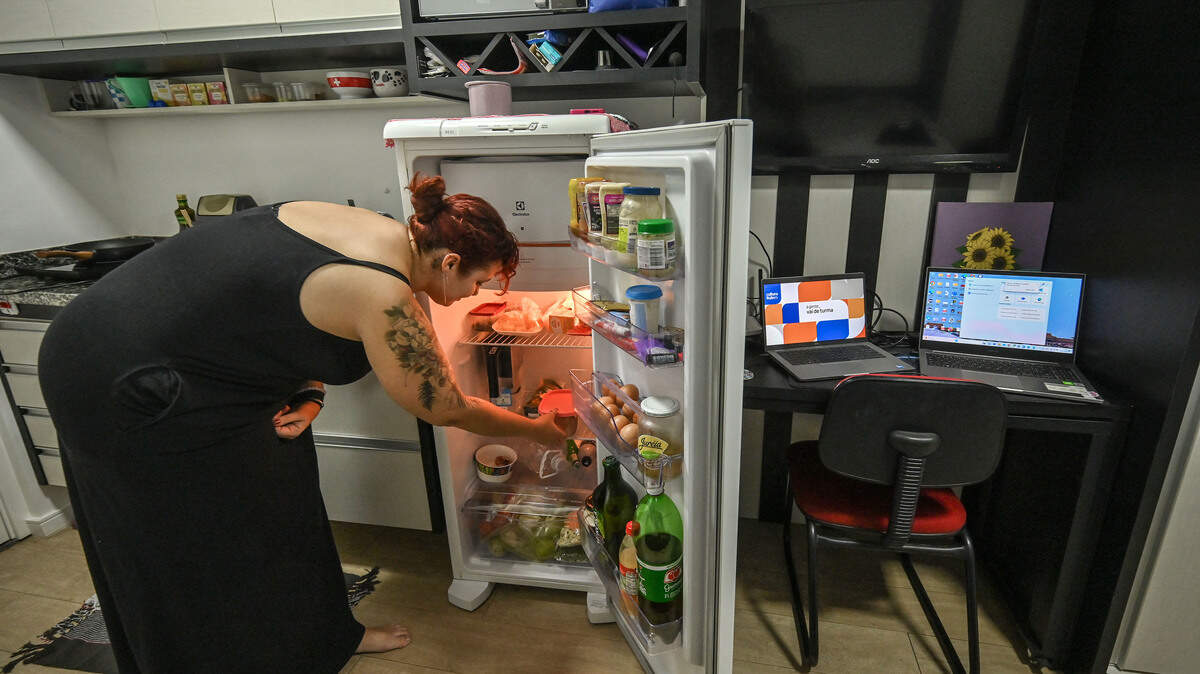
The biggest fire hazard in your house probably isn’t the one you’re watching. It’s the dust on the back of the fridge, the grease coating the inside of the range hood, the lint packed into the bathroom exhaust fan you haven’t looked at in years. These are the spots that quietly collect fuel and sit close to heat — and they’re the ones routine cleaning tends to skip.
Below is a rundown of the fire hazard zones inside most homes that deserve more attention, plus guidance from appliance pros on how often to clean each one.
Behind and under kitchen appliances
The space behind your oven, stove, toaster and refrigerator is where crumbs, grease and dust tend to settle out of sight. That mix matters because grease in particular ignites quickly when it sits near a heat source. Pulling appliances out periodically and wiping down the floor, walls and backs of the units removes the fuel before it has a chance to meet a spark or a hot surface. It’s one of the simplest steps you can take, and one of the most overlooked.
Refrigerator coils and dust buildup
Condenser coils on the back or underneath your refrigerator can collect a thick layer of dust over time. When airflow is blocked, the compressor has to work harder, runs hotter and adds to the fire risk in your kitchen.
Dennis Godynuk, lead appliance expert at Comfort Appliance Repair in Tennessee, told Southern Living: “For most households, once a year does the trick. If you have shedding pets or live somewhere extra dusty, aim for every six months. A semiannual cleaning in homes with lots of pet hair or dust bunnies is a good rule of thumb; otherwise, an annual cleaning usually keeps things in tip-top shape.”
Furniture, curtains and anything near a heater
Sofas, beds and curtains do more than gather dust — they can also end up sitting too close to baseboard heaters or radiators, especially when furniture gets rearranged in winter. Fabric is flammable, and the dust trapped in upholstery and drapery only adds to the problem. Check the clearance between soft surfaces and any heat source as the seasons change, and vacuum behind and under furniture that lives near a vent or radiator.
Water heaters and HVAC units
The area around your water heater and HVAC equipment is another easy spot to forget. Dust and lint can build up around pilot lights, burners and electrical components, and stored items pushed too close to the unit can turn a small problem into a bigger one. Keep the zone clear, vacuum out accumulated dust during seasonal maintenance and don’t store cardboard boxes, cleaning supplies or anything flammable next to the equipment.
Bathroom exhaust fans and vent covers
Bathroom exhaust fans pull moisture out of the room, but they also pull in dust and lint that settles on the motor and vent cover. Restricted airflow can cause the fan to overheat if it isn’t cleaned regularly — and a struggling motor is a fire risk you can’t see from the floor.
Brian Gregory told Lowe’s: “A clean exhaust vent helps remove humidity that can lead to mold, mildew and peeling paint. It also improves air quality and allows the fan motor to run more efficiently. If your bathroom fan sounds louder than usual or doesn’t seem to pull moisture out of the room, it may be time for a cleaning. For most homes, cleaning the vent every 6 to 12 months is enough. Bathrooms used daily or with poor ventilation may need more frequent cleaning. Regular maintenance helps prevent moisture problems and keeps your fan working properly.”
Electrical outlets and power strips
Outlets, surge protectors and the tangle of cords behind an entertainment center collect more dust than people realize. Combined with the heat that electronics throw off — and the load that overloaded outlets carry — that buildup becomes a potential ignition source. Unplug, dust and inspect power strips for damage. If a strip feels warm to the touch or shows signs of scorching, replace it.
Range hoods and kitchen exhaust filters
Grease that builds up inside range hoods and metal exhaust filters is highly flammable. Without regular cleaning, a cooking flare-up on the stovetop can ignite the grease sitting just above it, turning a small kitchen accident into a serious one. Most range hood filters can be popped out and washed in hot, soapy water or run through the dishwasher. Make it part of your monthly kitchen routine if you cook often.
How often to clean each hotspot
A quick reference for keeping these areas in check:
- Refrigerator coils: Once a year, or every six months in homes with pets or heavy dust.
- Bathroom exhaust fans: Every 6 to 12 months, more often in heavily used or poorly ventilated bathrooms.
- Range hood filters: Monthly for households that cook regularly.
- Behind and under appliances: Two to four times a year.
- Around water heaters and HVAC units: During seasonal maintenance checks.
- Outlets and power strips: Inspect and dust whenever you clean the surrounding area.
Treating these spots as part of routine maintenance — not deep-cleaning projects — is what keeps a small accumulation from becoming a real fire hazard.
This article was created by content specialists using various tools, including AI.