The best HEPA air purifier for every room in your home — from living rooms to nurseries
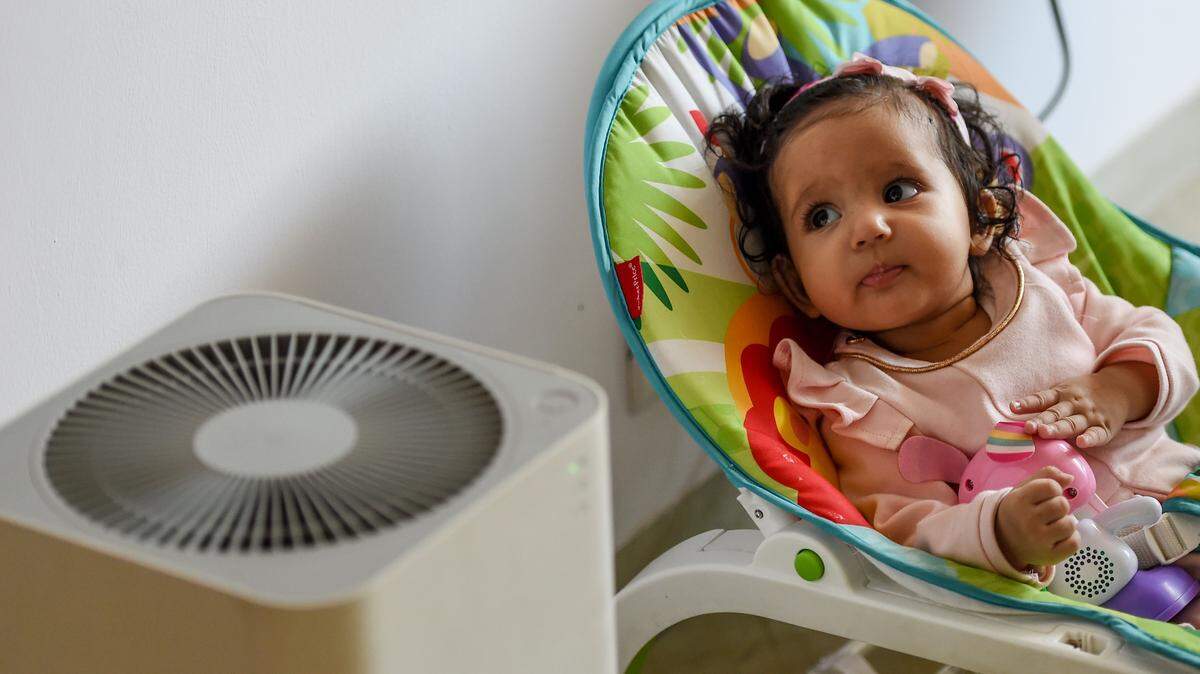
Poor indoor air quality doesn’t stay in one place. Smoke drifts from the kitchen into the living room, pollen follows people through the front door and pet dander settles into bedrooms and carpets. That’s why finding the best HEPA air purifier is less about buying one powerful machine and more about choosing the right setup for each room.
A true HEPA filter — short for “high efficiency particulate air” — captures at least 99.97% of particles measuring 0.3 microns, according to the U.S. Department of Energy and the U.S. Environment Protection Agency (EPA). That includes dust, pollen, mold spores, smoke particles and pet dander.
Research published in Environmental Health Perspectives in 2022 also found HEPA filtration effective at reducing indoor air pollutants.
But not every HEPA filter air purifier is built for the same job. Here’s what to prioritize room by room.
Living rooms: prioritize power and coverage
Living rooms tend to collect the most pollutants because they’re high-traffic spaces near the front door and kitchen. In other words, it’s a place where people cook, eat, relax and bring outdoor air inside.
For these larger spaces, focus on:
- High CADR (Clean Air Delivery Rate)
- Coverage that matches your square footage
- Multiple fan speeds for changing conditions
The Association of Home Appliance Manufacturers recommends choosing a CADR equal to at least two-thirds of the room’s square footage. If you regularly deal with wildfire smoke, pets or heavy allergies, bigger coverage is usually better.
Bedrooms: focus on allergies and sleep
Bedrooms are where an allergy air purifier HEPA setup can make the biggest day-to-day difference. Cleaner nighttime air may help reduce congestion, coughing and irritation while you sleep.
Look for:
- Quiet “sleep mode” settings
- True HEPA certification
- Enough airflow for 6–8 air changes per hour (ACH)
Montana’s Department of Public Health and Human Services recommends at least four ACH for allergies, though six to eight is considered ideal. Low noise levels can also help improve sleep quality.
Nurseries and kids’ rooms: keep it quiet and low-emission
Children are more sensitive to smoke, dust and airborne irritants, which makes air quality especially important in nurseries and playrooms.
The safest options typically include:
- CARB-certified models
- Low or zero ozone emissions
- Whisper-quiet operation
- Sealed true HEPA filtration
This is one room where marketing terms like “HEPA-like” or “HEPA-style” are worth avoiding. If the packaging doesn’t specifically say it captures 99.97% of particles at 0.3 microns, it’s not true HEPA.
Kitchens: don’t ignore odors and gases
Cooking releases more than smells. Kitchens produce grease particles, smoke and VOCs (volatile organic compounds), especially from gas stoves, oils and high-heat cooking.
The best air purifier with a HEPA filter for kitchens should also include:
- Activated carbon filtration
- Strong airflow
- Washable pre-filters for grease and dust
HEPA filters trap particles, but carbon filters help absorb gases and odors. Together, they handle a wider range of indoor pollutants.
Basements: target mold and moisture
Basements often trap stale air, excess humidity and mold spores. For these spaces, prioritize:
- True HEPA filtration
- Higher CADR ratings (larger space)
- Compatibility with dehumidifiers
Air purifiers help remove airborne spores, but moisture control matters too. Pairing filtration with a dehumidifier is usually the most effective approach.
Home offices: smaller can still work
A compact hepa filter air purifier is often enough for home offices, especially if the room is closed off from the rest of the house.
Focus on:
- Low noise during calls
- Adequate ACH
- Compact size for desks or corners
Quiet operation matters more here than maximum power, especially since most home offices are smaller than your typical bedroom or living room.
What to check before you buy a HEPA air purifier
No matter which room you’re shopping for, four specs matter most:
- True HEPA certification
- CADR rating
- ACH rating
- MERV rating (17 or higher is true HEPA)
Also check for filter replacement costs before buying. Some cheaper purifiers become expensive over time because of frequent filter changes.
For families dealing with allergies, wildfire smoke, pets or newer homes with lingering chemical odors, upgrading to a real HEPA air purifier can make a noticeable difference. And as indoor air concerns keep growing, room-by-room filtration is quickly becoming less of a luxury and more of a standard part of a healthy home.
This article was created by content specialists using various tools, including AI.