New Study Reveals Sleep Duration and Consistency Can Determine How Long You're Actually Going to Live
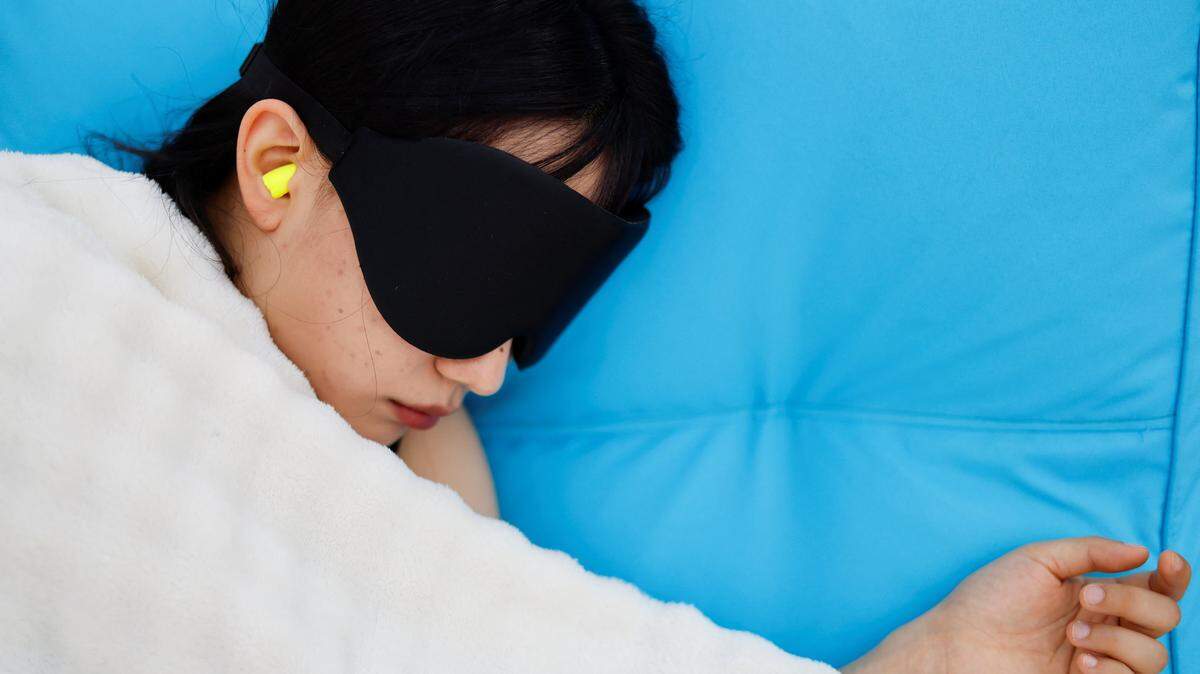
If you’re eating well, exercising regularly and managing stress but routinely sleeping six hours a night, new research suggests you may be undermining the longevity gains from everything else. The link between sleep and life expectancy is now drawing the kind of scientific attention once reserved for diet and smoking. The findings are reshaping how researchers talk about how long we live.
A December 2025 study from OHSU, published in SLEEP Advances, found that insufficient sleep is the second strongest behavioral predictor of shorter life expectancy in the U.S., trailing only smoking and outranking diet, exercise, loneliness and every other factor measured.
A separate May 2026 study published in Nature, which analyzed biological clock data from more than 500,000 people, added another layer: both too little and too much sleep appear to speed aging across the brain, heart, lungs and immune system simultaneously.
What the New Sleep Science Actually Found
The OHSU team compared CDC Behavioral Risk Factor Surveillance System data from 2019 to 2025 against life expectancy figures across U.S. counties. The negative correlation between insufficient sleep and life expectancy held in most states across every year studied, even after controlling for smoking, diet and physical inactivity.
“Sometimes we think of sleep as something we can set aside and put off until later or on the weekend,” said Dr. Andrew McHill, the study’s senior author. “Getting a good night’s sleep will improve how you feel but also how long you live.”
The Nature study, led by Dr. Junhao Wen at Columbia University, complicated the simple “more is better” narrative. Using machine learning-powered aging clocks across 17 organ systems, researchers identified a U-shaped curve.
Essentially, the healthiest biological aging patterns appeared in people sleeping between 6.4 and 7.8 hours per night. Outside that window in either direction, aging accelerated across nearly every organ system studied.
Why Sleep Consistency Matters as Much as Hours
Here’s the finding most people haven’t heard yet: sleep regularity may be a stronger predictor of mortality risk than sleep duration. A large UK Biobank study analyzing more than 10 million hours of accelerometer data found that day-to-day consistency in sleep and wake timing predicted all-cause mortality more strongly than whether someone hit a specific hour target.
A May 2026 study in JAMA Network Open reinforced that picture, finding that people with stronger and more regular daily rhythms showed slower epigenetic aging. Going to bed and waking at wildly different times disrupts circadian rhythm even when total hours look adequate on paper.
Per the American Heart Association’s scientific statement on circadian health, the body’s internal clock regulates cellular repair, hormone release and immune function on a precise schedule — and irregular timing throws that schedule off regardless of how many total hours are logged.
For more information: The Night Shift Worker’s Guide to Finally Sleeping Well: What Works, What Doesn’t and Why It’s So Hard
Why Sleep Outranks Diet and Exercise as a Longevity Factor
Sleep performs structural maintenance the body can’t do while awake. During deep sleep, the brain’s glymphatic system clears metabolic waste including proteins linked to Alzheimer’s disease, and research shows even one night of deprivation can increase amyloid deposits in the brain.
Chronic short sleep raises blood pressure and impairs glucose metabolism, and it’s linked to higher rates of obesity, type 2 diabetes, cardiovascular disease and depression — each an independent longevity risk on its own.
The Nature study found short sleep specifically associated with depression, anxiety, obesity, type 2 diabetes, high blood pressure and heart disease. Both short and long sleep were tied to lung conditions including COPD and asthma, as well as digestive disorders.
When a single behavior touches that many disease pathways simultaneously, it starts to look less like a lifestyle preference and more like a foundational health input.
How Much Sleep You Actually Need and Why More Isn’t Always Better
The American Academy of Sleep Medicine recommends seven or more hours per night, deliberately phrased as “seven or more” rather than a flat eight-hour rule.
The OHSU study defines insufficient sleep as regularly getting fewer than seven hours and points to a 7-to-9-hour range as the target.
The Nature data confirms the upper limit matters too — sleeping 10 or more hours regularly is associated with elevated mortality risk, though excessive sleep may reflect underlying illness rather than a direct cause of earlier death.
What You Can Do Starting Tonight
The behavioral levers with the strongest evidence are free and practical:
- Treat 7 to 9 hours as non-negotiable
- Prioritize a consistent wake time above all else
- Keep the bedroom cool around 65 degrees, dark and quiet
- Avoid alcohol within three hours of bedtime
- Cut caffeine off around 2pm for most adults
- If you use an Oura, WHOOP or Apple Watch, focus on consistency trends over days rather than fixating on a single night’s score
The reframe from both studies is the same: sleep isn’t passive time you fill when there’s nothing else to do. It’s increasingly the most powerful longevity lever available — and it doesn’t cost anything.
This article was created by content specialists using various tools, including AI.