Which Foods Are Fermented? All About Gut Health Benefits and How to Add Them to Your Diet
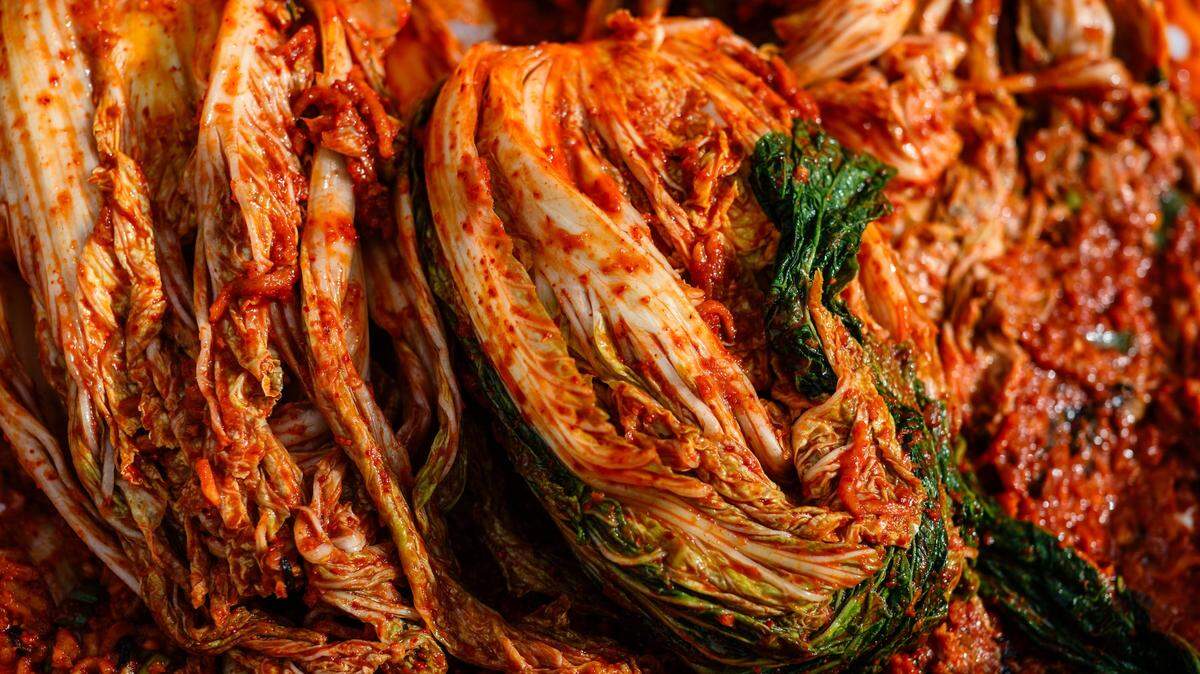
Your gut influences far more than digestion. It shapes immunity, inflammation and how well your body absorbs nutrients from everything else you eat. That’s why a fermented foods list has become one of the most-searched grocery references in wellness conversations, and why dietitians keep pointing patients toward yogurt, kimchi and kefir as starting points.
A 2021 study published in Cell found that adults who added fermented foods to their meals saw broad reductions in inflammation markers within weeks — faster than a high-fiber diet produced similar effects in the same study. The takeaway from researchers and clinicians: what you ferment, and how often you eat it, matters.
What Fermented Foods Actually Are
Fermented foods are made when microorganisms transform raw ingredients into something more stable, often more flavorful and sometimes more nutritious. The International Scientific Association for Probiotics and Prebiotics describes fermentation as a way humans have used “throughout human history” to preserve and transform foods, “creating more stable and diverse foods with unique tastes and textures.”
“Fermented foods contain live, or sometimes inactive, microorganisms that can populate the gut with healthy bacteria, boost the nutritional value of foods and promote healthy digestion,” said L.J. Amaral, a clinical research dietitian and PhD candidate at Cedars-Sinai.
Not every product made through fermentation delivers those microbes to your plate, though. “Heating, processing and alcohol can kill live microbes,” Amaral said. “Sourdough bread, pasteurized yogurt and wine all start with fermentation, but the organisms produced during fermentation don’t usually survive the manufacturing process.”
A Fermented Foods List to Keep in Your Fridge
You may already have several of these staples on hand:
- Yogurt
- Kefir
- Kimchi
- Sauerkraut
- Miso
- Tempeh
- Buttermilk
- Kombucha
- Some cheeses
Look for labels mentioning “live and active cultures” if gut benefits are the goal.
Why Fermented Foods Support Gut Health
“Most fermented foods also contain probiotics, which are the good bacteria that support our gut health,” said Suzanne Devkota, director of the Human Microbiome Research Institute at Cedars-Sinai.
That balance has downstream effects. “A balanced microbiome leads to healthy digestion,” said Michele Bell, a registered dietitian nutritionist at Geisinger. “It helps break down food efficiently and can lead to regular bowel habits, less bloating and improved tolerance to certain foods.”
Fermentation can also add nutrients that raw ingredients lack. “When you eat fermented vegetables, for example, you’re getting the added benefit of vitamin B12, which you wouldn’t otherwise get from simply eating raw vegetables,” Bell said.
Dr. Stephen Devries, a preventive cardiologist and executive director of the Gaples Institute, told the American Medical Association that fermentation byproducts include vitamin K2, “an important regulator of calcium metabolism.”
How to Start Adding Fermented Foods to Your Diet
Going from zero servings to several at once can backfire. “Your gut needs time to adjust to the increase in fiber and beneficial microbes,” Bell said. She recommends starting with one serving per day and adding only one new fermented food at a time, so any digestive reaction is easy to trace back to its source.
There’s a practical bonus, too. Fermentation extends shelf life, which is why cultures across the world built it into their food traditions. “Most societies throughout the world and throughout time have included fermented foods as part of their diet,” said Dr. David S. Ludwig, a professor of nutrition at the Harvard T.H. Chan School of Public Health. “For example, if you put cabbage on the shelf for a few weeks, it’ll spoil.” Turn it into sauerkraut, and it keeps for months. The same principle, he noted, applies to dairy: “Think about how long milk lasts compared with cheese.”
This article was created by content specialists using various tools, including AI.
This story was originally published May 20, 2026 at 6:00 PM.